What Is Reputational SEO? A 2026 Business Guide


TL;DR:
- Reputational SEO manages what appears on the first page of search results for your brand name. It differs from traditional SEO by controlling multiple digital assets to shape the full branded search narrative. Building a strong reputation online requires proactive, consistent effort over several months.
Reputational SEO is the practice of controlling what appears on the first page of search results when someone searches your brand name. Unlike traditional SEO, which chases broad traffic keywords, reputational SEO shapes the entire branded search narrative across your website, social profiles, review platforms, and press coverage. Google's E-E-A-T framework (Experience, Expertise, Authoritativeness, Trustworthiness) makes this discipline more consequential than ever. The #1 organic result earns 27.6% of all clicks, and fewer than 1% of users ever visit page two. What ranks on page one for your brand name is, effectively, your public identity.
What is reputational SEO and how does it differ from traditional SEO?
Traditional SEO targets competitive, high-volume keywords to drive traffic to a single website. Reputational SEO, by contrast, optimizes multiple digital assets for branded search terms to control the full first-page narrative. Think of traditional SEO as fishing for new audiences. Reputational SEO is managing what those audiences find the moment they search your name.
The assets reputational SEO manages include:
- Your primary website and blog
- LinkedIn, Facebook, and other social profiles
- Google Business Profile and directory listings
- Review platforms like Google Reviews and Yelp
- Press releases, news articles, and third-party features
- Podcast appearances, interviews, and guest posts
Traditional SEO uses the same toolkit of keywords, backlinks, and technical audits. Reputational SEO applies that toolkit with a different goal: not ranking for "best accounting software" but ensuring that every result for "YourBrand reviews" or "YourBrand complaints" reflects a fair, positive, and authoritative picture.
The table below shows where the two disciplines overlap and diverge:
| Dimension | Traditional SEO | Reputational SEO |
|---|---|---|
| Primary goal | Drive traffic from broad keywords | Control branded search narrative |
| Assets managed | One website | Multiple owned and earned properties |
| Success metric | Organic traffic volume | First-page content quality for brand queries |
| Core tactics | Keyword targeting, link building | Content suppression, review management, PR |
| Timeline focus | Months to years for rankings | Ongoing, proactive brand monitoring |

The distinction matters because a business can rank brilliantly for competitive terms while still losing customers to a damaging news article that dominates its branded search results.

Why is reputational SEO critical for businesses in 2026?
The business case for reputation management is not abstract. 88% of executives actively manage brand reputation, and more than 25% of a company's market value ties directly to its reputation. Those numbers reflect a hard reality: perception shapes revenue.
The damage from negative search results is measurable and steep. A single negative result on page one causes an estimated 22% customer loss. Three negative results push that figure to 59% of potential customers lost. That is more than half your prospective buyers walking away before they ever contact you.
"Reputation signals are critical to Google's E-E-A-T framework and influence trust, authority, and rankings beyond branded keywords. A brand with strong reputation signals earns more clicks, more conversions, and better organic rankings across the board."
Google's E-E-A-T framework connects reputation directly to search performance. Reviews, press mentions, and authoritative backlinks all feed into how Google assesses your trustworthiness. A brand with a clean, positive search presence ranks better, converts better, and builds compounding authority over time.
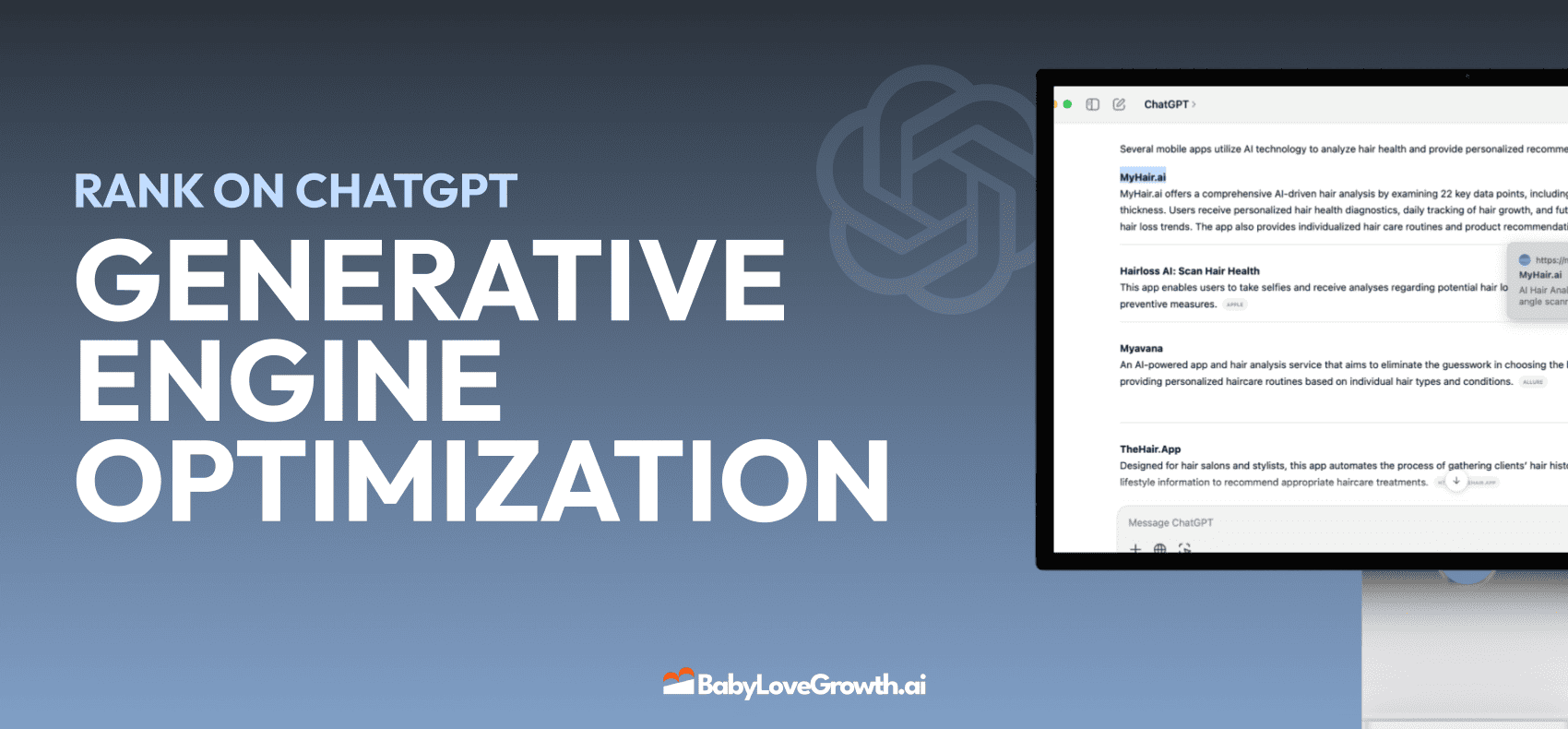
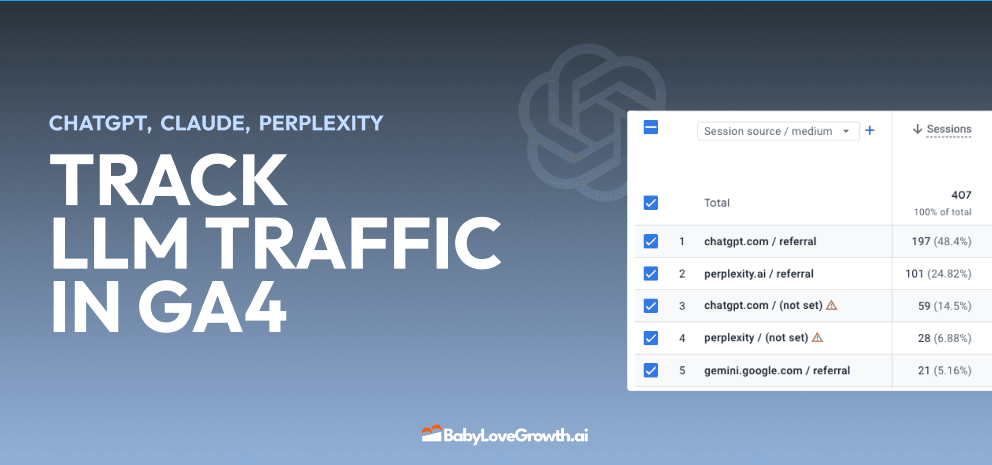
The 2026 search environment adds another layer. AI-powered search engines like ChatGPT, Perplexity, and Claude now synthesize brand narratives from multiple sources. What those tools say about your brand depends entirely on what content exists online. Reputational SEO now means managing your presence in both traditional Google results and AI-generated answers.
What practical strategies make reputational SEO work?
Effective reputation management through SEO follows a clear sequence. Start with an audit, then build, then monitor.
Step 1: Audit your branded search results
Search your brand name, your name as a founder, and common variations. Note every result on page one. Categorize each as positive, neutral, or negative. This audit reveals exactly what a prospective customer sees before they contact you.
Step 2: Claim and optimize key properties
Own every major digital property associated with your brand. This includes your website, LinkedIn company page, Google Business Profile, Crunchbase listing, and any relevant industry directories. Incomplete or unclaimed profiles are a gap that negative content fills.
Step 3: Publish consistently on high-authority platforms
Content volume and authority determine what ranks. Publish regular blog posts, press releases, and guest articles on platforms with strong domain authority. Each piece of positive, well-optimized content competes directly for first-page real estate. A single post rarely moves the needle. A sustained publishing program does.
Pro Tip: Target platforms that already rank well for your industry. A guest post on a high-authority trade publication will outrank a new blog post on your own site in most cases.
Step 4: Manage reviews actively
Responding professionally to all reviews signals trustworthiness to both search engines and prospective customers. Ask satisfied customers to leave reviews on Google, Trustpilot, or industry-specific platforms. Never fabricate reviews. Fake or manipulated reviews risk Google penalties that can devastate your search presence far more than a few negative comments.Step 5: Build authoritative backlinks and PR coverage
Backlinks from credible news outlets, industry publications, and authoritative websites push your owned content higher in search results. PR coverage does double duty: it builds brand authority and creates positive indexed content that competes with any negative results. You can learn more about managing your online reputation with a structured approach to third-party platforms.
Step 6: Suppress, not just remove, negative content
Negative content rarely gets deleted from the web. The practical strategy is suppression: flooding the first page with positive, high-authority content that pushes damaging results to page two or beyond. Since fewer than 1% of searchers go past page one, a suppressed result is effectively invisible.
Step 7: Monitor AI search results
AI search engines prioritize different sources than traditional Google results. Run searches for your brand on ChatGPT, Perplexity, and Claude. Identify which sources those tools cite. Then optimize your presence on those specific platforms. This is a newer but increasingly critical layer of reputation work.How long does reputational SEO take to show results?
Patience is not optional here. DIY reputation management typically takes 3–6 months of consistent activity before noticeable search result improvements appear. Agencies with existing authority networks can accelerate that timeline, but no approach produces overnight results.
Several factors slow progress or create ongoing challenges:
- Entrenched negative content: Articles from high-authority news sites are hard to outrank and require sustained publishing volume.
- Algorithmic priorities: Google ranks content by relevance and authority, not by your preference. A negative review on a high-authority platform may rank above your own website.
- Momentum requirements: Reputation work compounds over time. Stopping after two months resets much of the progress.
- Review penalties: Attempts to game review platforms with fake feedback can trigger penalties that worsen your search presence.
Pro Tip: Set a 6-month content calendar at the start of any reputation campaign. Treat it like a fixed operating expense, not a one-time project. Consistency is the only reliable path to first-page control.
Monitoring is not a one-time task. Set up Google Alerts for your brand name, founder names, and key product terms. Review your branded search results monthly. Update older content regularly to maintain its ranking strength.
How does reputational SEO fit into broader online reputation management?
Online reputation management (ORM) is the broader discipline. Reputational SEO is the search-specific subset of it. ORM includes customer service practices, social media community management, public relations, and crisis communications. Reputational SEO focuses specifically on what ranks in search engines and AI tools.
The two work together. A strong customer service culture generates positive reviews that feed reputational SEO. Good PR produces press coverage that ranks well for branded searches. Social media activity creates indexed content that fills first-page real estate. Reputation management acts as the trust layer that makes every other marketing effort more effective.
The coordination required across teams is real. Effective reputation work needs:
- SEO teams managing technical optimization and content strategy
- PR teams generating authoritative press coverage
- Customer success teams driving review volume
- Content teams publishing consistently across owned channels
- Social media teams maintaining active, optimized profiles
Businesses that treat reputation as a separate silo from SEO and marketing miss the compounding benefit. When these functions align, the trust built online reinforces every stage of the marketing funnel, from first search to final purchase.
Key Takeaways
Reputational SEO is the most direct way to protect and grow the business value tied to your brand's online presence.
| Point | Details |
|---|---|
| First-page control is everything | Fewer than 1% of users go to page two, making page-one content your brand's public identity. |
| Negative results cost real revenue | Three negative results on page one can eliminate 59% of potential customers before they contact you. |
| Suppression beats removal | Build and rank positive content across multiple channels to push negative results off page one. |
| Results take 3–6 months | Consistent publishing, review management, and backlink building are required for visible improvement. |
| AI search needs separate attention | ChatGPT, Perplexity, and Claude cite different sources than Google, requiring a distinct optimization layer. |
Why I think most businesses get reputational SEO backwards
Most business owners treat reputation management as a fire drill. A bad review appears, or a negative article ranks, and suddenly there is urgency. That reactive posture is the single most expensive mistake I see. By the time a damaging result is entrenched on page one, the suppression work required is months longer and significantly harder than proactive publishing would have been.
The other pattern I find consistently underestimated is AI search. Businesses spend months optimizing their Google presence and ignore the fact that a growing share of their prospective customers now ask ChatGPT or Perplexity about them first. The sources those tools cite are often not the sources you would choose. Identifying and optimizing for AI citation channels is no longer optional work for 2026.
The practical advice I give every marketing team is this: build your reputation infrastructure before you need it. Publish consistently, claim every profile, respond to every review, and treat your digital footprint as a living asset that requires regular maintenance. The businesses that do this proactively spend a fraction of the time and budget compared to those who wait for a crisis.
Reputation and SEO are not separate strategies. They are the same strategy viewed from different angles. The sooner your team treats them as one integrated effort, the faster you will see compounding results in both search rankings and customer trust.
— MEET
How Babylovegrowth supports your reputational SEO strategy
Building a strong brand search presence requires consistent keyword intelligence, content output, and backlink authority. Babylovegrowth provides AI-powered tools designed to support exactly that work.
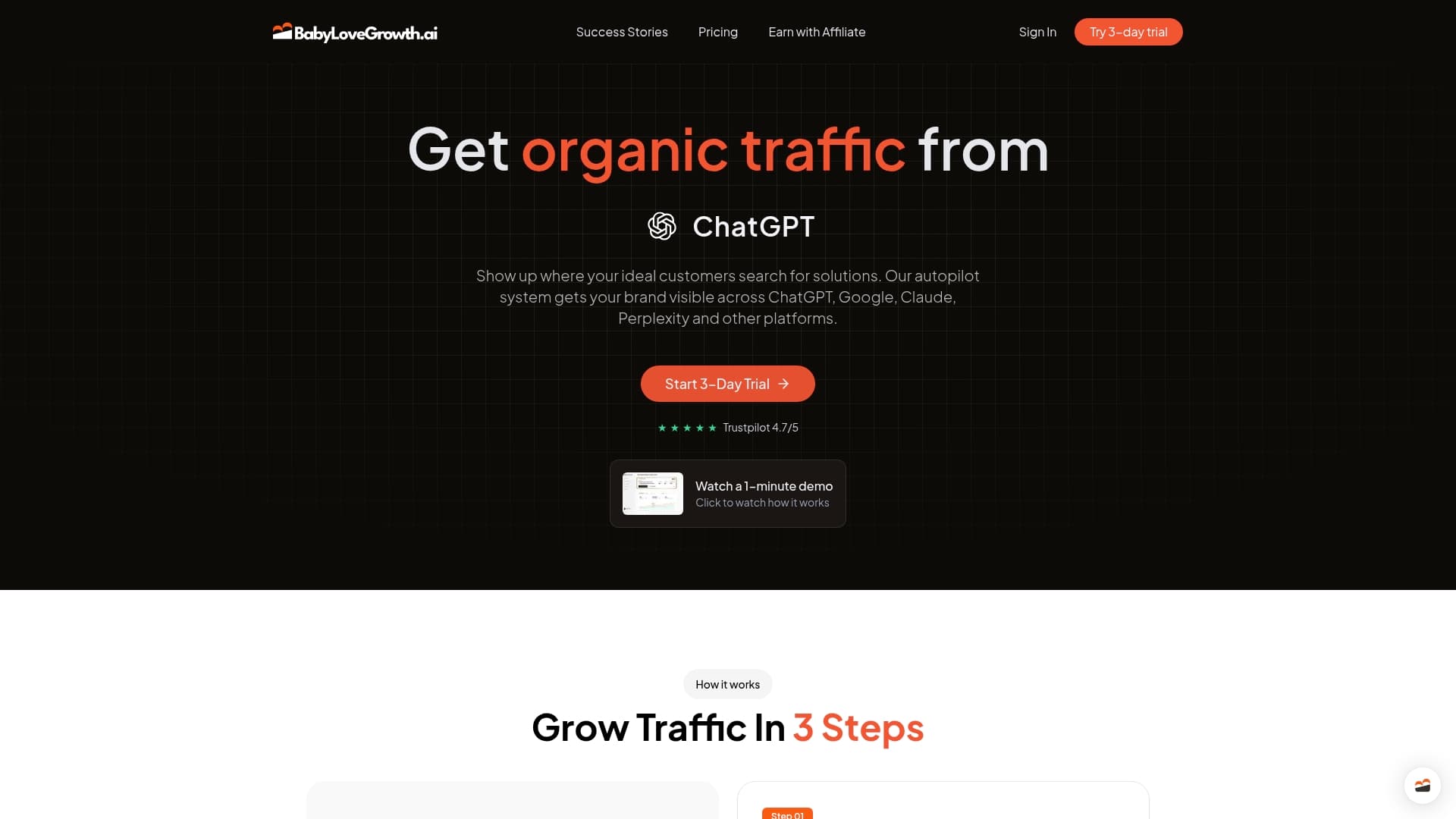
The keyword discovery platform identifies the branded and near-branded search terms where your reputation is most exposed, so you know exactly where to focus your content and suppression efforts. The AI SEO audit tool analyzes how AI search engines currently read and represent your brand, giving you a clear picture of gaps before they become problems. Babylovegrowth also automates content publishing, backlink building, and structured data markup, the three pillars of sustained reputation work. For business owners and marketing professionals who want data-driven clarity on their brand's search presence, Babylovegrowth turns a complex, ongoing process into a manageable system.
FAQ
What is reputational SEO in simple terms?
Reputational SEO is the practice of controlling what appears on the first page of search results for your brand name. It uses SEO techniques to promote positive content and suppress negative results across multiple digital properties.
How is reputational SEO different from online reputation management?
Online reputation management covers customer service, PR, and social media. Reputational SEO is the search-specific subset, focused on what ranks in Google and AI search tools for branded queries.
How long does it take to improve your online reputation through SEO?
Consistent reputational SEO activity typically produces noticeable search result improvements within 3–6 months. Entrenched negative content from high-authority sites may take longer to suppress.
Can negative search results be deleted?
Negative content is rarely removed from the web. The standard approach is suppression: publishing and ranking enough positive, authoritative content to push negative results off page one, where fewer than 1% of users ever look.
Why do AI search engines matter for brand reputation?
AI search engines like ChatGPT, Perplexity, and Claude synthesize brand information from sources that differ from traditional Google results. Optimizing for AI citation channels is now a distinct and necessary part of any complete reputation strategy.