What is content strategy: a 2026 guide for digital growth


Companies with documented content strategies deliver 313% higher marketing effectiveness than those without clear plans. Yet many professionals struggle to integrate AI-powered SEO into content planning, missing opportunities for organic growth. This guide clarifies content strategy principles, frameworks, and AI tactics to boost visibility and drive measurable business results.
Table of Contents
- Understanding Content Strategy Fundamentals
- Why Content Strategy Matters For Business Growth
- The Role Of AI In Enhancing Content Strategy
- Common Misconceptions About Content Strategy
- Conceptual Frameworks For Content Strategy
- Frameworks And Planning Methodologies
- Link Building As A Core Component Of Content Strategy
- Measuring And Optimizing Content Strategy Effectiveness
- Enhance Your Content Strategy With AI-Powered Tools
- Frequently Asked Questions
Key takeaways
| Point | Details |
|---|---|
| Strategic alignment | Content strategy synchronizes creation with business goals and audience needs for measurable growth |
| AI integration advantage | AI-powered tools boost SEO effectiveness by 40% through enhanced keyword research and optimization |
| Common failure points | Over 65% of ineffective strategies fail due to misconceptions about scope and implementation |
| Framework benefits | Structured models like the Quadruple Model improve team coordination and execution clarity |
| Continuous optimization | Quarterly audits increase organic traffic by 25% through systematic performance improvement |
Understanding content strategy fundamentals
Content strategy is a cohesive plan that aligns creation, governance, and delivery to meet user needs and business objectives simultaneously. This comprehensive approach goes far beyond simply producing blog posts or social media updates.
Three core elements define effective content strategy. First, brand voice consistency ensures every piece reinforces your market position and builds recognition. Second, user focus centers all content decisions on audience needs and search intent. Third, systematic processes create repeatable workflows for quality and efficiency.
The content lifecycle encompasses four distinct phases. Research identifies opportunities through keyword analysis and competitor gaps. Planning maps content calendars and resource allocation. Production involves creation, editing, and optimization. Measurement tracks performance metrics and identifies improvement areas. Each phase requires specific skills and tools to execute properly.
Key components include:
- Audience personas defining target reader characteristics and pain points
- Editorial guidelines maintaining quality standards across all content
- Distribution channels optimizing reach across platforms
- Governance frameworks establishing approval processes and accountability
- Technology infrastructure supporting workflow automation
Without this structured approach, content efforts become fragmented and inefficient. Teams produce random pieces without strategic direction, wasting resources on topics that don't drive business value or attract qualified traffic.
Why content strategy matters for business growth
Documented content strategies improve marketing effectiveness by approximately 60% compared to ad hoc approaches. This dramatic difference stems from aligned efforts working toward measurable objectives rather than scattered activities.
Strategic planning delivers 70% greater resource efficiency in content marketing. Teams avoid duplicating efforts, identify content gaps systematically, and prioritize high-impact opportunities. Budget allocation becomes data-driven rather than guesswork.
Consistent and aligned content increases brand recall by 35% among target audiences. When every piece reinforces core messages and maintains voice consistency, recognition compounds over time. Prospects remember your brand when making purchase decisions.
The ROI impact proves substantial. Companies with documented strategies report:
- 2.5x higher lead generation rates from organic search
- 40% lower customer acquisition costs through content marketing
- 3x longer customer lifetime value from educational content
- 50% faster sales cycles when buyers consume strategic content
Critical insight: Organizations investing in formal content strategy achieve sustainable growth trajectories. Quick wins from viral posts fade quickly, but systematic approaches build compounding returns. Your content library becomes an appreciating asset generating ongoing traffic and conversions.
Strategic content also future-proofs marketing efforts. As algorithms change and platforms evolve, strong foundations adapt more easily than tactical approaches built around specific channels or tricks.
The role of AI in enhancing content strategy
AI-powered SEO tools improve keyword discovery and content optimization, increasing organic traffic by 40% within six months of consistent use. This technology transforms how teams identify opportunities and refine content for maximum visibility.Real-time, data-driven keyword research reveals hidden opportunities competitors miss. AI analyzes search patterns across billions of queries, identifying emerging trends before they peak. This predictive capability lets you create content for rising demand rather than chasing saturated topics.
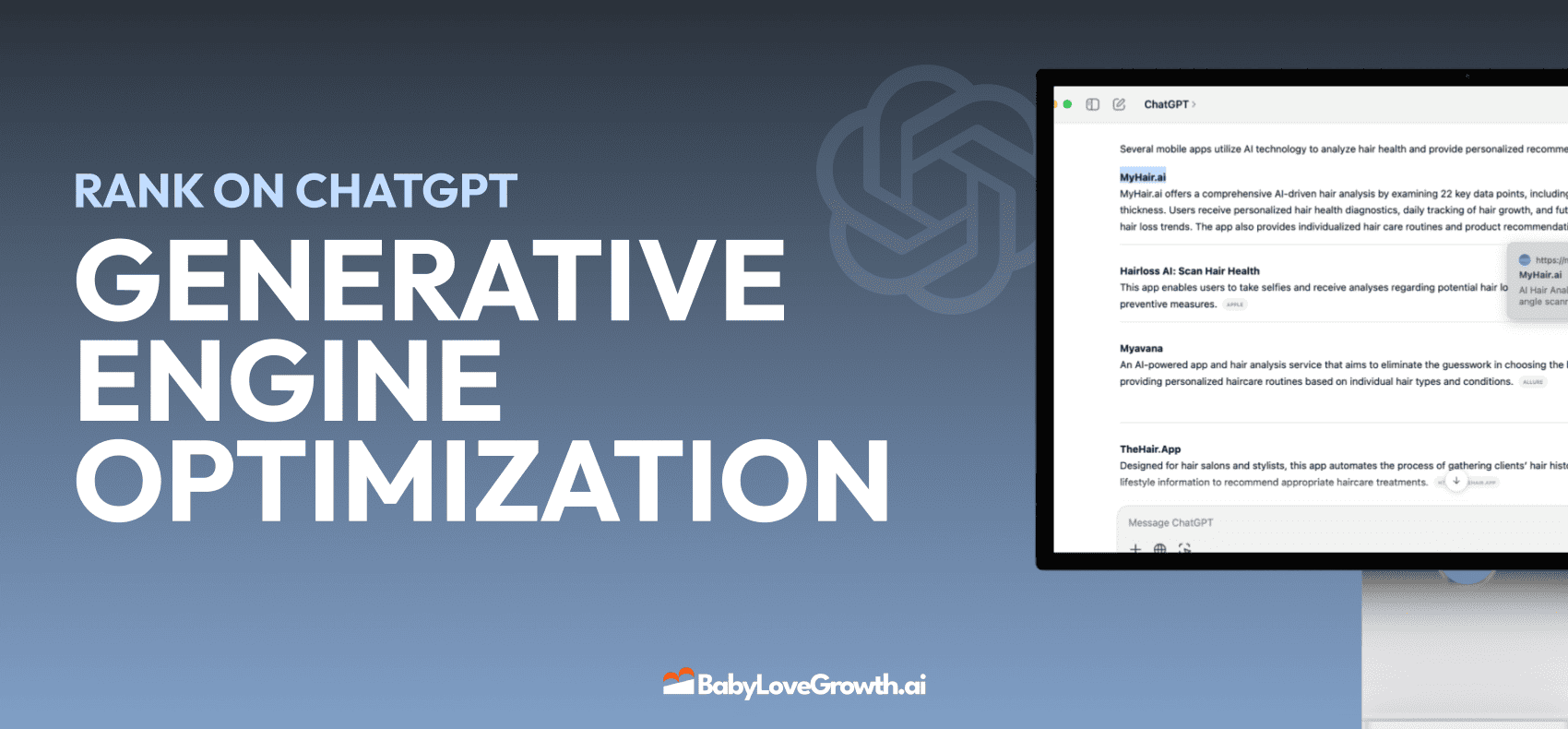
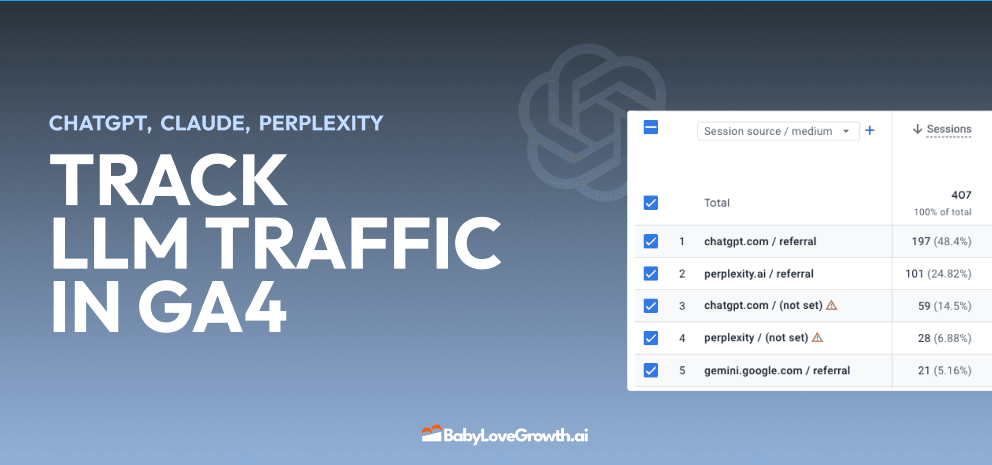
Integrating AI insights with human editorial leads to content 30% more engaging and relevant. Machines excel at data analysis and pattern recognition, while humans provide creativity, nuance, and emotional intelligence. The combination produces superior results to either approach alone.AI optimization extends beyond traditional Google search. Tools now refine content for AI-powered search engines like ChatGPT, Claude, and Perplexity. As users increasingly query these platforms for answers, AI content optimization becomes essential for maintaining visibility across the evolving search landscape.
Practical applications include:
- Automated competitor content gap analysis revealing untapped opportunities
- Semantic keyword clustering grouping related terms for comprehensive coverage
- Content performance prediction forecasting traffic potential before publication
- Dynamic audience targeting adjusting messaging based on real-time engagement data
- Multi-platform optimization tailoring content for different search environments
Pro Tip: Start with AI for research and data analysis, then apply human judgment for final content decisions. This role of AI in content strategy balances efficiency with quality, avoiding the generic outputs from fully automated approaches.
Common misconceptions about content strategy
Content strategy encompasses far more than content creation alone. It includes governance frameworks, distribution optimization, and performance measurement. Treating strategy as merely a production function ignores critical components that determine success.
Keyword stuffing without intent understanding leads to higher bounce rates and lower rankings. Search engines now prioritize content matching user needs over keyword density. Outdated tactics focused on repetition actively harm performance in 2026's sophisticated algorithm environment.
Over 65% of ineffective strategies stem from these widespread false beliefs. Organizations invest resources based on incomplete understanding, then wonder why results disappoint. Correcting misconceptions immediately improves outcomes.
"The biggest strategy failure comes from believing AI can fully replace human judgment in content decisions. Technology enhances capabilities but cannot replicate the creativity, empathy, and strategic thinking humans bring to effective content."
Common false beliefs include:
- Assuming more content always beats better content in SEO rankings
- Believing keyword research is a one-time activity rather than ongoing process
- Thinking social media engagement substitutes for owned content assets
- Expecting instant results instead of the 6-12 month typical timeline
- Viewing content as purely marketing rather than business-critical infrastructure
The misbelief that content strategy means complicated bureaucracy prevents many teams from adopting structured approaches. Effective strategy actually simplifies decision-making through clear frameworks and repeatable processes. Initial setup requires effort, but ongoing execution becomes more efficient.
Another dangerous misconception treats content and SEO as separate disciplines. Modern content strategy integrates search optimization from the earliest planning stages rather than applying it after creation.
Conceptual frameworks for content strategy
The Content Strategy Quadruple Model splits strategic focus into four integrated domains: Audience, Business Goals, Content Lifecycle, and Technology. This framework enables clearer planning and execution by organizing complex considerations into manageable components.
Each domain addresses specific strategic questions. Audience analysis determines who you serve and what they need. Business goals define success metrics and revenue connections. Content lifecycle maps creation, management, and optimization processes. Technology selects tools supporting efficient execution.
Frameworks improve communication and alignment across teams and stakeholders. Marketing, sales, product, and leadership speak different languages and prioritize different metrics. Shared models create common vocabulary and understanding, reducing conflicts and improving coordination.
The table below compares structured versus ad hoc approaches:
| Aspect | Framework-Based Strategy | Ad Hoc Approach |
|---|---|---|
| Planning efficiency | 70% faster decision-making | Repeated debates on basics |
| Team alignment | Clear roles and responsibilities | Confusion and overlap |
| Resource utilization | Optimized allocation | Wasted effort on low-impact work |
| Performance measurement | Consistent KPI tracking | Inconsistent or missing metrics |
| Scalability | Systematic growth support | Breaks down at scale |
Practical application examples demonstrate framework value. A B2B software company used the Quadruple Model to identify content gaps in their buyer journey. They discovered strong top-of-funnel content but nothing addressing implementation concerns preventing conversions. Targeted content filling this gap increased qualified leads by 45%.
Another organization applied lifecycle thinking to audit existing content. They found 40% of their library was outdated or underperforming. Strategic updates and consolidation improved overall site authority and organic traffic by 30% without creating new pieces.
Frameworks also facilitate technology selection by clarifying requirements. When you understand your content lifecycle needs, choosing appropriate tools becomes straightforward rather than overwhelming.
Frameworks and planning methodologies
Stepwise planning improves Google rankings by 50% through systematic 30-day content plans addressing keyword clusters comprehensively. This methodical approach ensures consistent publishing while maintaining quality and strategic alignment.
Effective planning methodology follows these steps:
- Conduct comprehensive keyword research identifying primary targets and supporting terms
- Cluster related keywords into topic groups for thorough coverage
- Map content to buyer journey stages from awareness through decision
- Develop editorial calendar balancing publication frequency with resource capacity
- Assign ownership and accountability for each content piece
- Establish review processes ensuring quality before publication
- Schedule distribution across multiple channels for maximum reach
- Set measurement benchmarks for tracking performance
Multi-channel distribution including AI-driven platforms amplifies reach beyond traditional search. Content optimized for ChatGPT, Claude, and Perplexity captures audiences increasingly using these tools for research and recommendations.
Synergizing keyword research with backlink strategies grows domain authority faster than either tactic alone. High-quality content attracts natural links, while strategic outreach accelerates visibility. This SEO content strategy guide demonstrates the integration approach.
Best practices for execution include:
- Weekly planning sessions reviewing progress and adjusting priorities
- Cross-team collaboration bringing diverse perspectives to content development
- KPI dashboards providing real-time visibility into performance metrics
- Quarterly strategy reviews assessing what's working and what needs change
- Documentation of processes enabling consistent quality as teams scale
Successful implementation requires balancing consistency with flexibility. Maintain regular publishing schedules while staying responsive to emerging opportunities or market changes.
Link building as a core component of content strategy
Link building triples domain authority growth in effective content strategies compared to isolated SEO tactics. Integrating internal and external linking from the planning stage creates compounding benefits for search visibility and user experience.
Internal linking improves site structure and user navigation while distributing authority across pages. Strategic placement guides visitors to related content, increasing engagement and session duration. Search engines use internal links to understand site hierarchy and topical relationships.
External backlinks increase trust and ranking signals from search engines. Quality links from authoritative sites signal your content provides value worth referencing. This validation carries more weight than any on-page optimization.
Sustainable link-building practices include:
- Creating genuinely useful resources others want to reference naturally
- Guest contributing to reputable publications in your industry
- Building relationships with influencers and thought leaders
- Participating meaningfully in industry conversations and communities
- Earning mentions through original research and data contributions
Pro Tip: Focus on relevance over volume in backlink acquisition. Ten links from highly relevant, authoritative sources outperform hundreds from low-quality directories. Quality signals matter more than quantity in 2026's algorithm environment.
Avoid outdated tactics like link exchanges, paid placements on spammy sites, or automated outreach. These approaches risk penalties while delivering minimal value. Modern link building requires authentic relationship development and content excellence.
Integrate link building into content creation workflows. As you develop pieces, identify opportunities for both internal connections to existing content and external references to authoritative sources. Plan outreach campaigns before publication to accelerate initial link acquisition.
Measuring and optimizing content strategy effectiveness
Quarterly content audits increase organic traffic by 25% through systematic identification and improvement of underperforming assets. Regular assessment keeps strategies aligned with evolving search standards and business objectives.
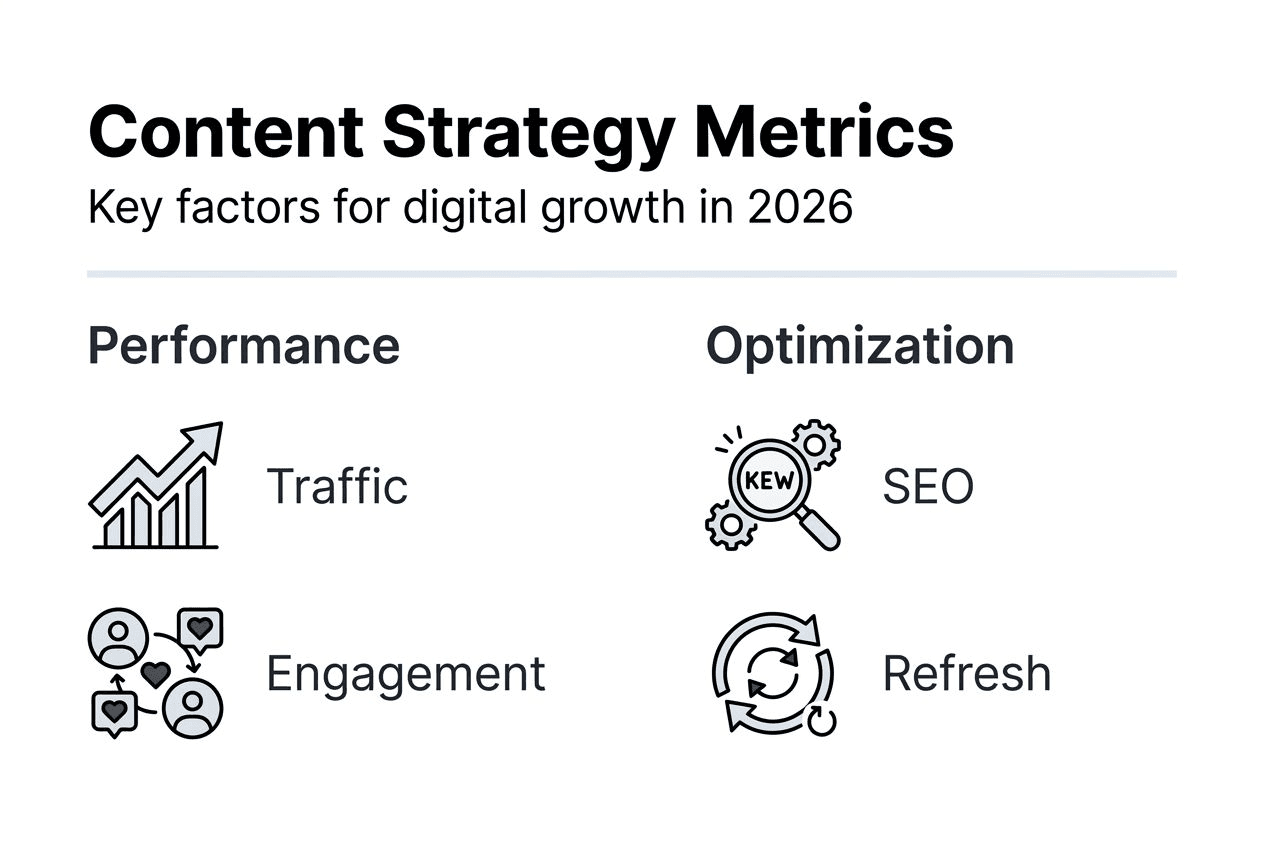
Identify underperforming content through key metrics. Traffic volume reveals visibility levels. Engagement indicators like time on page and scroll depth show whether content holds attention. Conversion rates demonstrate business impact. Rankings track search engine positioning for target keywords.
The performance analysis table below guides prioritization:
| Metric | Green Zone | Yellow Zone | Red Zone | Action Required |
|---|---|---|---|---|
| Monthly traffic | >500 visits | 100-500 visits | <100 visits | Update or consolidate |
| Avg. time on page | >3 minutes | 1-3 minutes | <1 minute | Improve engagement |
| Bounce rate | <40% | 40-60% | >60% | Revise content match |
| Conversion rate | >5% | 2-5% | <2% | Optimize CTAs |
| Ranking position | Top 3 | 4-10 | >10 | Enhance optimization |
Continuous feedback loops enable iterative improvements and adaptability. Monitor performance weekly, analyze patterns monthly, and implement optimizations quarterly. This rhythm balances responsiveness with strategic patience.
Use analytics tools to align content KPIs with business goals. Track not just vanity metrics but meaningful indicators like:
- Lead generation from organic search
- Customer acquisition cost from content marketing
- Revenue attributed to specific content pieces
- Customer lifetime value influenced by educational content
Optimization strategies include refreshing outdated information, expanding thin content, improving technical SEO elements, enhancing internal linking, and consolidating overlapping pieces. Each intervention should target specific performance gaps identified in audits.
Enhance your content strategy with AI-powered tools
Building an effective content strategy requires the right technology foundation. Modern AI tools streamline the research, planning, and optimization processes that drive results.
BabyLoveGrowth offers a keyword discovery platform designed to uncover hidden opportunities competitors miss. The AI analyzes search patterns across multiple engines including emerging platforms, revealing high-potential topics before markets become saturated.
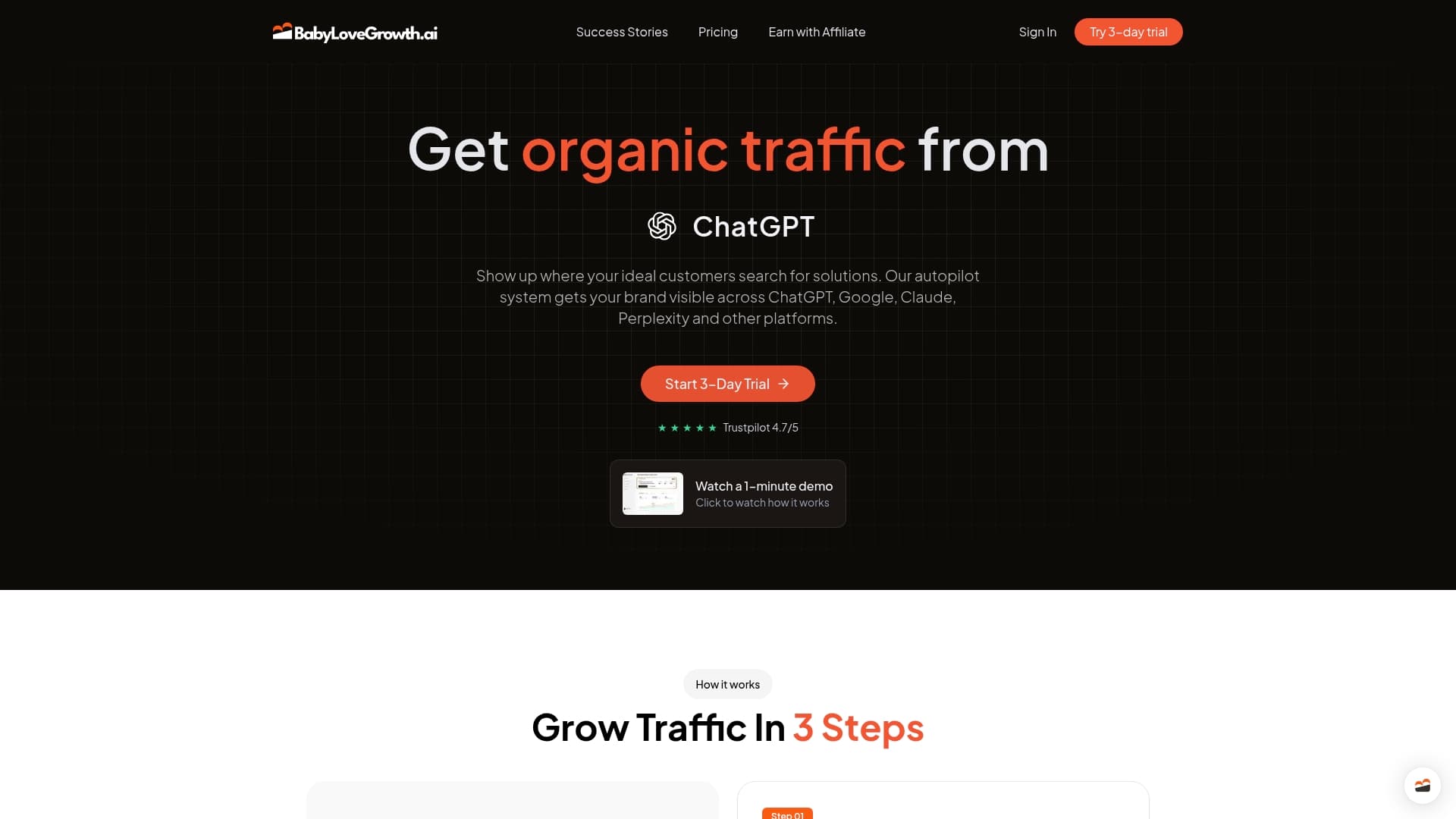
The platform's SEO link building tools automate and scale backlink acquisition efforts. Instead of manual outreach consuming hours daily, intelligent systems identify relevant opportunities and facilitate relationship development efficiently. This automation lets teams focus on content quality while still building the authority signals search engines value.
Integrating these AI-powered solutions into your content strategy delivers measurable SEO growth. Clients typically see 40% traffic increases within six months through systematic keyword targeting and strategic link building.
Frequently asked questions
What is the difference between content strategy and content marketing?
Content strategy is the planning and governance framework for content creation and delivery, while content marketing executes campaigns using that content. Strategy guides marketing efforts to align with business goals. Think of strategy as the blueprint and marketing as the construction work that follows.
How can AI improve content strategy execution?
AI enhances keyword research, content optimization, and audience targeting with data-driven insights. It enables faster, more accurate content planning and improved SEO performance. The role of AI in content strategy shows how technology augments human creativity rather than replacing it.
What are common pitfalls to avoid when developing a content strategy?
Neglecting ongoing content audits and ignoring user intent in keyword targeting undermine results. Over-relying on AI-generated content without human editorial oversight produces generic outputs. Failing to integrate link-building as a central strategy component limits authority growth and ranking potential.
How often should content audits be conducted for optimal results?
Quarterly audits are recommended for identifying underperforming content and optimizing continuously. Regular audits keep content aligned with evolving SEO standards and business goals. This cadence balances thoroughness with the practical realities of resource constraints most teams face.