Blend SEO and Content Marketing in 2025


In the digital landscape, SEO and content marketing are not just complementary strategies—they're essential partners in driving online success. The days of treating these disciplines as separate entities are long gone. Modern digital marketing demands a holistic approach that intertwines search engine optimization with strategic content creation. Research from ProfileTree highlights that the most effective digital strategies now begin with a unified understanding of both audience information needs and how they're searching for solutions. But here's the twist: it’s not just about playing nice together. By integrating these strategies, businesses are not only improving visibility but also enhancing user engagement in ways that were previously unimaginable. This integrated approach is key to unlocking sustained organic growth.
Table Of Contents
- Why Seo And Content Marketing Need Each Other
- Key Strategies To Integrate Seo And Content
- Measuring Success Of Your Combined Efforts
Quick Summary
| Takeaway | Explanation |
|---|---|
| SEO and Content are Interconnected | SEO and content marketing must work in tandem to address user needs effectively, enhancing both discoverability and engagement. |
| Leverage Keyword Research for Content Strategy | Utilizing comprehensive keyword research helps inform holistic content creation, ensuring that material aligns with user intent and addresses specific queries. |
| Prioritize Technical Optimization | A structured approach to content—incorporating natural keyword placement and organized formatting—is essential for improving readability and SEO performance. |
| Implement Holistic Measurement Metrics | Combine multiple performance indicators, such as organic traffic and engagement metrics, to gain a comprehensive view of the effectiveness of integrated SEO and content efforts. |
| Continuous Improvement is Key | Regularly review performance metrics and adapt strategies based on user behavior insights and content performance to enhance effectiveness over time. |
Why SEO and Content Marketing Need Each Other
In the digital landscape, SEO and content marketing are not just complementary strategies—they're essential partners in driving online success. The days of treating these disciplines as separate entities are long gone. Modern digital marketing demands a holistic approach that intertwines search engine optimization with strategic content creation.
The Symbiotic Relationship of Search and Content
At its core, the connection between SEO and content marketing is fundamentally about solving user needs. Search engine optimization provides the technical framework that makes content discoverable, while content marketing delivers the substantive value that keeps users engaged. Research from ProfileTree highlights that "the most effective digital strategies now begin with a unified understanding of both audience information needs and how they're searching for solutions."
This symbiosis means that SEO guides content creation by revealing what users are actually searching for, while high-quality content provides the substance that search engines reward. Keywords become more than just technical markers—they're insights into audience pain points and interests. Content creators can use SEO research to craft precisely targeted material that answers specific user queries, creating a perfect alignment between search intent and content delivery.
Driving Organic Growth Through Integrated Strategies
The traditional walls between content marketing and SEO have crumbled. Industry experts note that the historical separation—where content teams worked in isolation from SEO specialists—has given way to more integrated approaches. This strategic convergence recognizes a fundamental truth: neither discipline can achieve optimal results when working in isolation.
Integrated SEO and content marketing strategies offer multiple benefits:
- Enhanced Visibility: Content optimized for search engines increases organic reach
- User-Centric Approach: Combines technical optimization with genuinely valuable information
- Long-Term Value: Creates sustainable content that continues to drive traffic over time
Modern digital marketers understand that search engine optimization is no longer just about technical manipulation. It's about creating comprehensive, authoritative content that genuinely serves user needs. Conductor's research emphasizes the shift towards quality over quantity, focusing on conversion potential rather than simply generating traffic.
By treating SEO and content marketing as interconnected disciplines, businesses can create more meaningful, discoverable, and impactful online experiences that truly resonate with their target audience.
Key Strategies to Integrate SEO and Content
Successfully merging SEO and content marketing requires a strategic, multifaceted approach that goes beyond traditional tactics. Modern digital marketers must develop comprehensive strategies that seamlessly blend technical optimization with compelling, user-focused content creation.
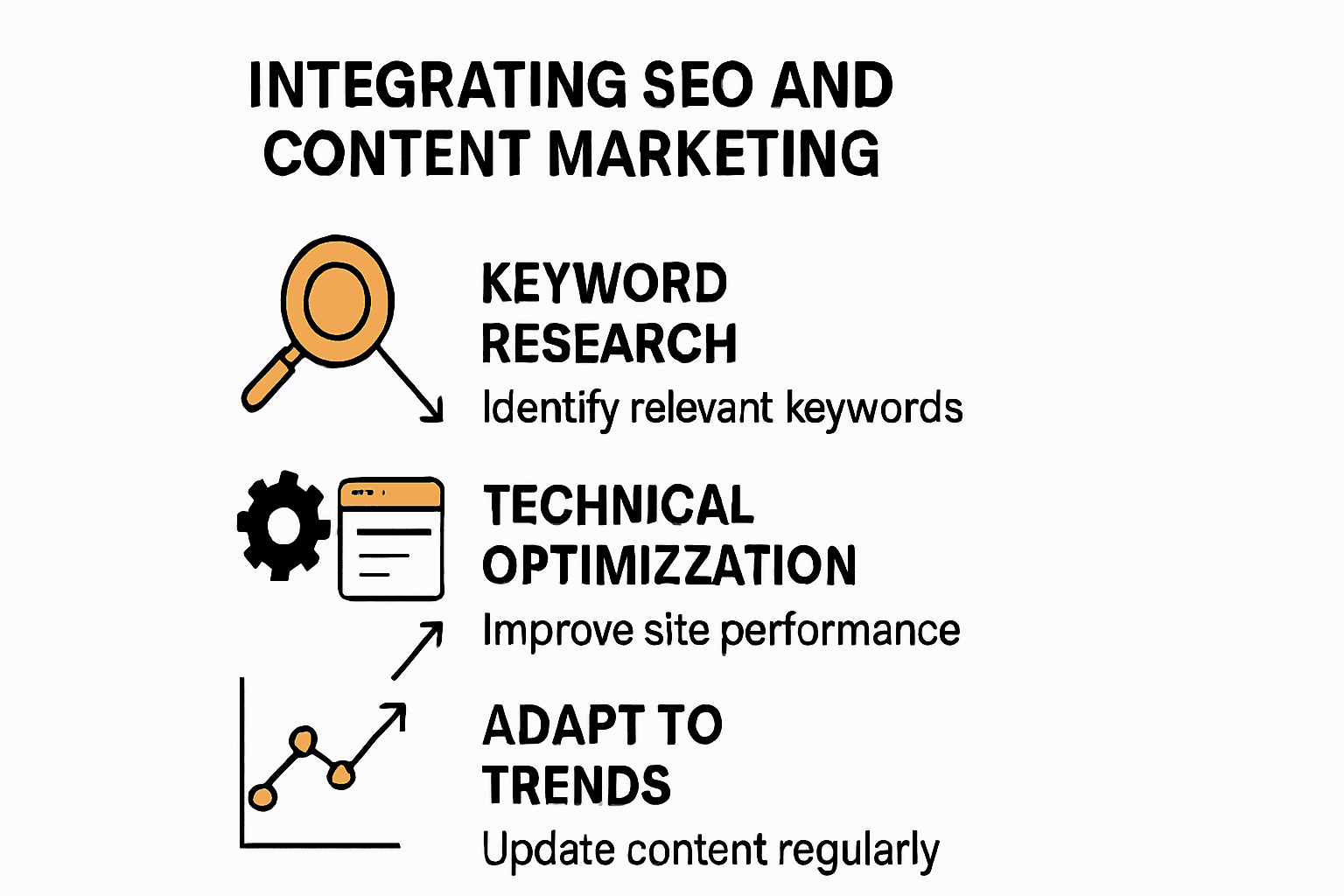

Foundational Keyword Research and Strategic Content Planning
Effective integration begins with robust keyword research that transcends simple search volume metrics. Research from Concrete CMS emphasizes the importance of understanding not just keywords, but the entire context of user search behaviors. This means diving deep into user intent, exploring long-tail keywords, and identifying the specific questions and challenges your target audience experiences.
Keyword research should inform content strategy holistically. Rather than forcing keywords into content, smart marketers develop content frameworks that naturally incorporate search terms. This approach involves:
- Mapping keywords to specific content types
- Identifying content gaps in your current strategy
- Creating comprehensive content that addresses multiple related search queries
Technical Optimization and Content Structure
Conductor's research highlights the critical role of technical optimization in content marketing. Modern SEO demands more than just keyword placement—it requires a holistic approach to content structure and user experience. This means implementing strategic elements such as:- Natural Keyword Placement: Incorporating search terms in headers, meta descriptions, and content body in a way that feels organic
- Structured Content: Using headers, subheaders, and clear formatting to improve readability and search engine understanding
- Internal and External Linking: Creating a robust link structure that demonstrates content authority and improves user navigation
Adapting To Emerging Search Trends
The digital landscape is continuously evolving, and successful SEO and content marketing strategies must remain agile. Industry predictions for 2025 suggest several key adaptations:
- Incorporating original perspectives and expert insights to stand out in AI-driven search environments
- Diversifying content formats, with a particular emphasis on video content
- Developing multi-channel content distribution strategies
Continuous performance analysis is crucial. Marketers should consistently track content metrics, using data-driven insights to refine their approach. This means going beyond traditional traffic measurements and focusing on engagement, conversion rates, and the actual value delivered to users.
Ultimately, the most successful SEO and content marketing strategies will be those that prioritize genuine user value. By creating comprehensive, authoritative content that truly addresses user needs—while maintaining technical optimization—businesses can develop a powerful digital presence that resonates with both search engines and human audiences.
Measuring Success of Your Combined Efforts
Measuring the effectiveness of integrated SEO and content marketing strategies requires a comprehensive approach that goes beyond traditional metrics. Digital marketers must develop a nuanced understanding of performance that captures both quantitative and qualitative indicators of success.
Key Performance Indicators for Holistic Evaluation
Research from the 2025 State of SEO Survey revealed that 91% of respondents reported SEO positively impacting website performance and marketing goals. This underscores the importance of selecting the right metrics to track your combined efforts. The most effective measurement strategies combine multiple performance indicators that provide a 360-degree view of content and SEO performance.Comprehensive KPIs should include:
- Organic Traffic: Measuring the volume and quality of search-driven visitors
- Engagement Metrics: Tracking time on page, bounce rates, and user interactions
- Conversion Rates: Assessing how effectively content drives desired actions
- Keyword Rankings: Monitoring improvements in search engine positioning
Advanced Analytics And Tracking Techniques
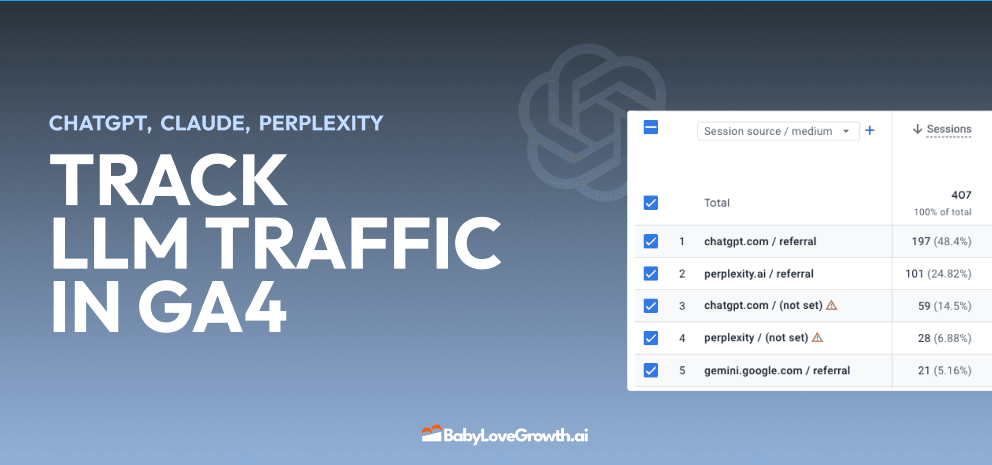
Content marketing experts recommend diving deep into analytics to uncover meaningful insights. In Google Analytics 4 (GA4), marketers can access detailed organic search traffic metrics by navigating to the Traffic Acquisition Report. This allows for a granular examination of how different content pieces perform in search results.Key tracking techniques include:
- Implementing conversion tracking
- Setting up custom dashboards
- Analyzing user journey and content interaction patterns
- Tracking multi-channel attribution
Continuous Improvement And Strategic Refinement
Successful measurement is not just about collecting data—it's about transforming insights into actionable strategies. The most effective approach involves continuous learning and adaptation. This means regularly reviewing performance metrics, understanding user behavior, and iteratively improving your content and SEO approaches.Practical steps for ongoing optimization include:
- Conducting quarterly performance reviews
- Identifying top-performing and underperforming content
- Experimenting with content formats and optimization techniques
- Staying updated with the latest search engine algorithm changes
Remember that measurement is an ongoing process. No single metric tells the entire story of your content marketing and SEO efforts. Successful marketers develop a holistic view that considers multiple data points, user feedback, and long-term strategic goals.
By implementing a robust measurement framework, businesses can transform raw data into strategic insights. This approach allows for continuous refinement of content strategies, ensuring that your SEO and content marketing efforts remain aligned with evolving user needs and search engine dynamics.
Ultimately, the goal is not just to track performance, but to create a dynamic, responsive approach that consistently delivers value to your audience while improving your digital visibility.
Frequently Asked Questions
What is the relationship between SEO and content marketing?
SEO and content marketing are interconnected strategies that work together to enhance online visibility and user engagement. SEO provides the technical framework to make content discoverable, while content marketing delivers valuable information that keeps users engaged.
How can I effectively integrate SEO into my content marketing strategy?
To integrate SEO into your content marketing strategy, start with comprehensive keyword research, create content that addresses user intent, and focus on technical optimization by organizing content structure and optimizing for readability.
What key performance indicators should I track for SEO and content marketing success?
Key performance indicators to track include organic traffic, engagement metrics (like time on page and bounce rates), conversion rates, and keyword rankings to gauge the effectiveness of your integrated efforts.
How can I adapt my strategy to emerging search trends?
To adapt to emerging search trends, keep an eye on algorithm changes, incorporate diverse content formats (like videos), and regularly analyze performance data to refine your approach based on user behavior and engagement insights.
Unlock the Power of Integrated SEO and Content Marketing Today!
In the fast-paced digital world, blending SEO with content marketing is no longer a luxury—it's a necessity for driving organic growth and enhancing user engagement. Are you struggling to create high-quality, optimized content that resonates with your audience? You’re not alone! Many businesses face the challenge of navigating technical SEO requirements while crafting valuable content. Lack of insights into audience needs can lead to missed opportunities!

At BabyLoveGrowth.ai, we provide a sophisticated solution that empowers small to medium-sized businesses and digital marketers alike to overcome these hurdles. Our automated platform seamlessly integrates SEO strategies with tailored content generation, ensuring your materials are not just discoverable, but also engage and convert. With our convenient three-step process:
- In-depth Business Analysis
- Customized 30-Day Content Plan
- Automatic Generation of SEO-Optimized Articles
Why wait? Position your business for success in 2025 and beyond. Visit https://babylovegrowth.ai and transform your digital presence today. Take the first step towards effortless growth—start optimizing now!