What Is SEO for AI Platforms? Complete Overview


Most advice about optimizing for AI-powered search overlooks a crucial shift that affects every american business online. As artificial intelligence begins to drive how content is found and ranked, more than 60 percent of marketers admit they misunderstand what actually works for AI platforms. Getting clarity around these changes is critical for staying ahead of competitors and adapting your strategy. This guide clears up common myths and explains the real requirements for success in the age of AI-driven SEO.
Table of Contents
- Defining SEO for AI Platforms and Common Myths
- Types of AI Platforms and Search Engine Differences
- Core Elements of AI-Powered SEO Automation
- How AI-Driven SEO Impacts Search Rankings
- Challenges, Pitfalls, and Compliance Concerns
Key Takeaways
| Point | Details |
|---|---|
| Understanding AI SEO | AI platform SEO goes beyond traditional methods, requiring attention to both human users and AI algorithms for optimized visibility. |
| Types of AI Platforms | Different AI platforms, including generative and semantic search engines, necessitate unique strategies for effective digital marketing. |
| Core Elements of Automation | AI-driven SEO automation enhances website performance through intelligent content analysis, dynamic keyword optimization, and performance modeling. |
| Ethical Challenges | Organizations must address algorithmic bias and data privacy concerns while developing responsible AI SEO practices. |
Defining SEO for AI Platforms and Common Myths
Search engine optimization (SEO) for AI platforms represents a cutting-edge digital strategy that goes far beyond traditional website ranking techniques. According to research from jcoma, the integration of artificial intelligence is fundamentally transforming how websites optimize for visibility and engagement across digital search environments.
At its core, AI platform SEO involves strategically preparing digital content and technical infrastructure to be recognized, interpreted, and prominently displayed by intelligent search agents and AI-driven platforms. As outlined in the arxiv research on Agentic AI Optimization (AAIO), this approach requires understanding the complex mutual interdependency between website optimization and AI system requirements.
Several critical myths persist about SEO for AI platforms that can mislead digital marketers and content creators:
- Myth 1: AI platforms automatically understand all website content
- Myth 2: Traditional SEO strategies work identically for AI search environments
- Myth 3: Technical optimization is less important in AI-driven search
In reality, AI platform SEO demands a nuanced, multilayered approach that combines technical precision, contextual relevance, and intelligent content structuring. Websites must now consider not just human readers but also how AI algorithms parse, categorize, and recommend content across increasingly sophisticated search ecosystems.
Types of AI Platforms and Search Engine Differences
The landscape of AI search platforms is rapidly evolving, presenting a complex ecosystem of intelligent search technologies that fundamentally differ from traditional search engines. According to research from arxiv, a comprehensive comparative analysis reveals critical distinctions in how AI search systems source and process information, necessitating an entirely new approach to digital visibility.
AI search platforms can be broadly categorized into several distinctive types:
- Generative AI Platforms: Systems like ChatGPT that produce original content responses
- Semantic Search Platforms: Engines that understand contextual meaning beyond keyword matching
- Hybrid AI Search Engines: Platforms combining traditional ranking with generative capabilities
- Specialized Domain AI Searches: Focused platforms for specific industries or knowledge domains
Research from arxiv introduces a groundbreaking framework called Generative Search Engine Optimization (GSEO), which addresses the fundamental shift from traditional ranked-based search to more intelligent, context-aware search environments. This emerging paradigm requires websites to optimize not just for keyword relevance, but for comprehensive semantic understanding and contextual alignment with AI platform algorithms.

The key differences between traditional search engines and AI platforms extend beyond simple information retrieval.
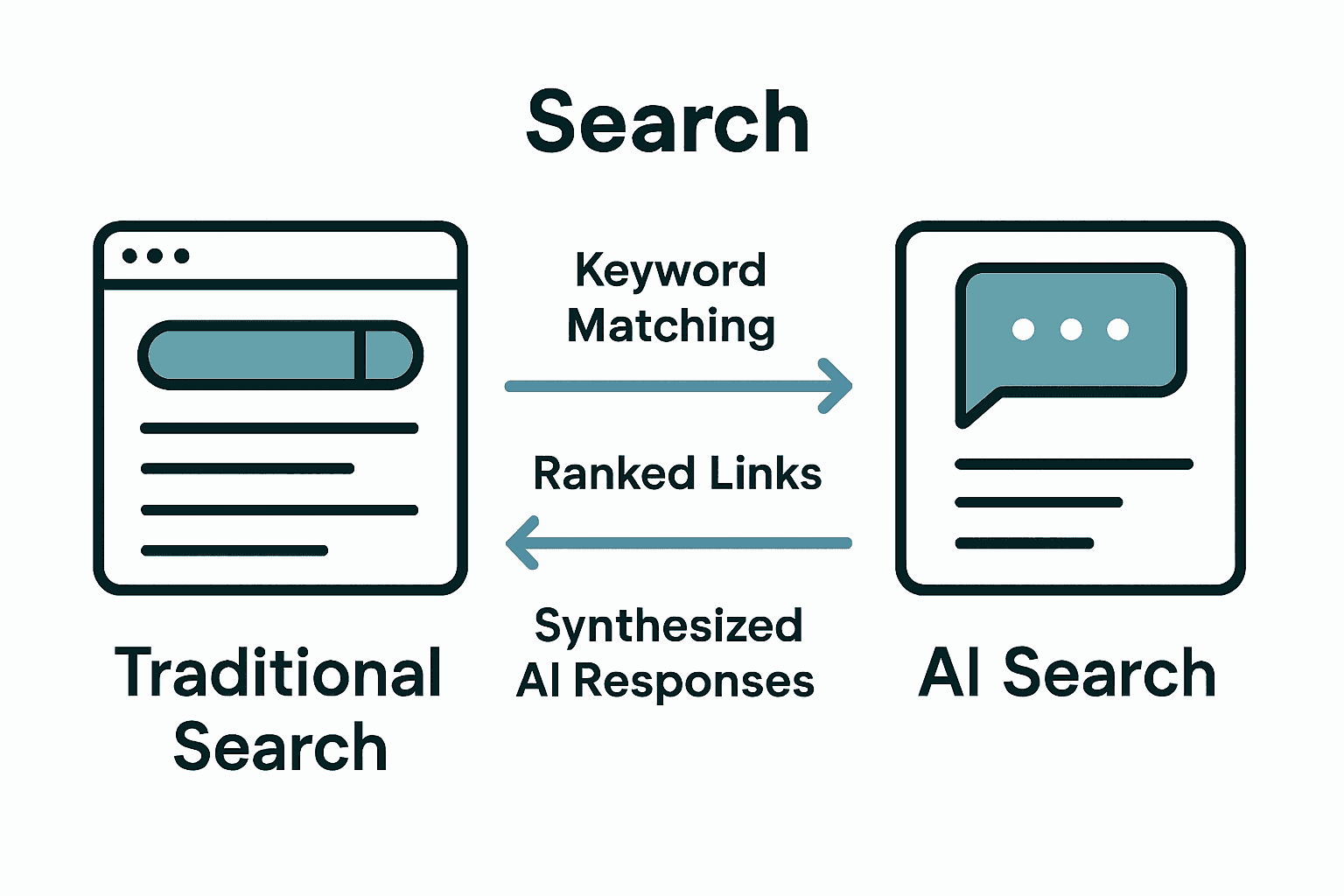 While conventional search engines predominantly display ranked link results, AI platforms generate synthesized responses, analyze deeper contextual relationships, and provide more nuanced, conversational interactions. Learn more about our AI content marketing platform to understand how these technological shifts are transforming digital marketing strategies.
Core Elements of AI-Powered SEO Automation
AI-powered SEO automation represents a transformative approach to digital marketing that leverages advanced algorithms to optimize website performance and search visibility. According to research from jetir, AI algorithms have revolutionized how search trends are analyzed, content is optimized, and strategic opportunities for keyword targeting are identified.
Core elements of AI-powered SEO automation include:
- Intelligent Content Analysis: Automated systems that evaluate content quality, relevance, and semantic depth
- Dynamic Keyword Optimization: Real-time identification and integration of high-performance search terms
- Predictive Performance Modeling: AI-driven forecasting of potential search rankings and content effectiveness
- Automated Technical Optimization: Intelligent identification and resolution of website technical SEO issues
The scientific approach to SEO is further enhanced by AI's capabilities in data analysis. Research from arxiv highlights how artificial intelligence transforms scientometric and webometric analysis, providing unprecedented insights into digital content performance and strategic optimization.
Understanding these core elements is crucial for businesses seeking to leverage advanced technologies.
Explore our SEO automation platform to see how cutting-edge AI can transform your digital marketing strategy, turning complex optimization challenges into streamlined, intelligent solutions that drive meaningful organic growth.How AI-Driven SEO Impacts Search Rankings
The landscape of search engine optimization has undergone a radical transformation with the integration of artificial intelligence, fundamentally reshaping how websites compete for digital visibility. According to research from ijrti, the evolution of SEO has reached a critical point where AI algorithms now play a decisive role in determining search rankings and content relevance.
Key mechanisms of AI-driven search ranking impacts include:
- Semantic Understanding: Advanced AI algorithms analyze content beyond simple keyword matching
- User Intent Prediction: Machine learning models interpret complex search behaviors
- Dynamic Content Evaluation: Real-time assessment of content quality and relevance
- Personalized Ranking Factors: Contextual understanding of individual user preferences
Research from ijnrd highlights the multifaceted advantages of AI in SEO, demonstrating how intelligent systems can enhance data analysis, content management, and user experience optimization. These technologies enable a more nuanced approach to search rankings, moving beyond traditional metric-based evaluations to a more holistic, context-aware ranking methodology.
Create AI-optimized content with our SEO article generator to leverage these advanced ranking mechanisms, transforming your digital content strategy from a static approach to a dynamic, intelligence-driven optimization process that adapts in real time to evolving search algorithm complexities.Challenges, Pitfalls, and Compliance Concerns
The rapid advancement of AI-powered SEO technologies presents a complex landscape of ethical, legal, and technical challenges that organizations must carefully navigate. According to research from arxiv, the governance and ethical implications of Agentic AI Optimization (AAIO) demand proactive regulatory frameworks to mitigate potential negative impacts and ensure responsible implementation.
Primary challenges in AI-driven SEO include:
- Algorithmic Bias: Potential systematic discrimination in search results
- Data Privacy Concerns: Risks associated with extensive data collection and analysis
- Transparency Limitations: Unclear mechanisms behind AI ranking decisions
- Intellectual Property Complexities: Potential copyright and content ownership disputes
Research from arxiv highlights the critical need for practitioners to develop new optimization strategies that address systematic biases inherent in generative search engines. These challenges require a nuanced approach that balances technological innovation with ethical considerations, ensuring that AI-driven SEO practices remain both effective and responsible.
Conduct a comprehensive SEO audit to identify potential compliance risks and ensure your digital strategy aligns with emerging ethical standards and technological best practices in AI-powered search optimization.Unlock AI Platform SEO Success with Babylovegrowth.ai
Navigating the complex world of SEO for AI platforms requires more than traditional strategies. This article highlights the challenges businesses face such as mastering semantic understanding, overcoming algorithmic biases, and optimizing for AI-driven search engines like ChatGPT and others. You need a proven solution that automates content creation, performs technical website optimization, and strengthens your backlink profile — all tailored for the new AI search ecosystem.
At Babylovegrowth.ai, we specialize in exactly these critical areas. Our platform offers AI-powered SEO automation tools that help you boost organic traffic through intelligent keyword research, schema markup, and daily branded articles designed for AI search visibility. We simplify technical audits and support multilingual content generation so you can scale your digital marketing with confidence.
Ready to dominate in AI-driven search rankings and overcome the pitfalls of outdated SEO methods?
Explore how our AI content marketing platform and SEO automation platform empower your business today. Visit Babylovegrowth.ai now to start transforming your SEO strategy and claim your spot at the top of AI search results.
Frequently Asked Questions
What is SEO for AI platforms?
SEO for AI platforms refers to the strategies and techniques used to optimize digital content and technical infrastructure for visibility and engagement with AI-driven search engines. It focuses on how AI systems interpret, categorize, and recommend content.
How does AI impact search rankings compared to traditional SEO?
AI impacts search rankings by analyzing content for semantic understanding, predicting user intent, conducting dynamic content evaluations, and utilizing personalized ranking factors based on individual user preferences, moving beyond traditional keyword-based evaluations.
What are common myths about SEO for AI platforms?
Common myths include the belief that AI platforms automatically understand all website content, that traditional SEO strategies work the same for AI environments, and that technical optimization is less important in AI-driven search.
What are the challenges associated with AI-driven SEO?
Challenges include algorithmic bias, data privacy concerns, transparency limitations regarding AI ranking decisions, and complexities surrounding intellectual property and content ownership.
Recommended
- BabyLoveGrowth | #1 Automated Organic Growth Platform for Google and ChatGPT
- Salesforce Commerce Cloud SEO Automation
- Square Online SEO Automation
- BigCommerce SEO Automation
Smart SEO,
Faster Growth!
Most Read Articles
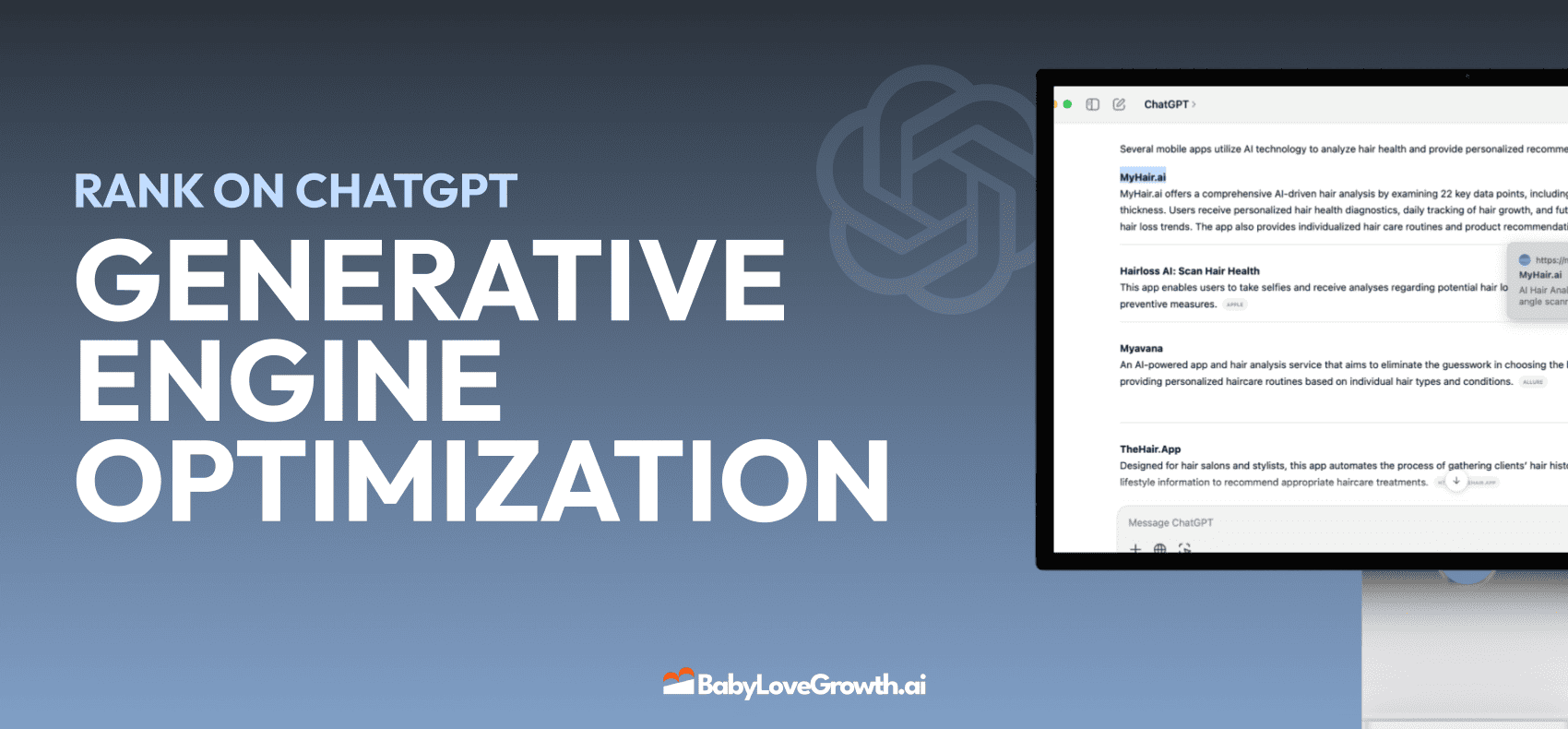
Generative Engine Optimization (GEO)
Learn how Generative Engine Optimization (GEO) helps your content rank in AI search engines like ChatGPT and Google AI. This comprehensive guide explains the differences between SEO and GEO, why it matters for your business, and practical steps to implement GEO strategies for better visibility in AI-generated responses.
DylenJan 18, 2025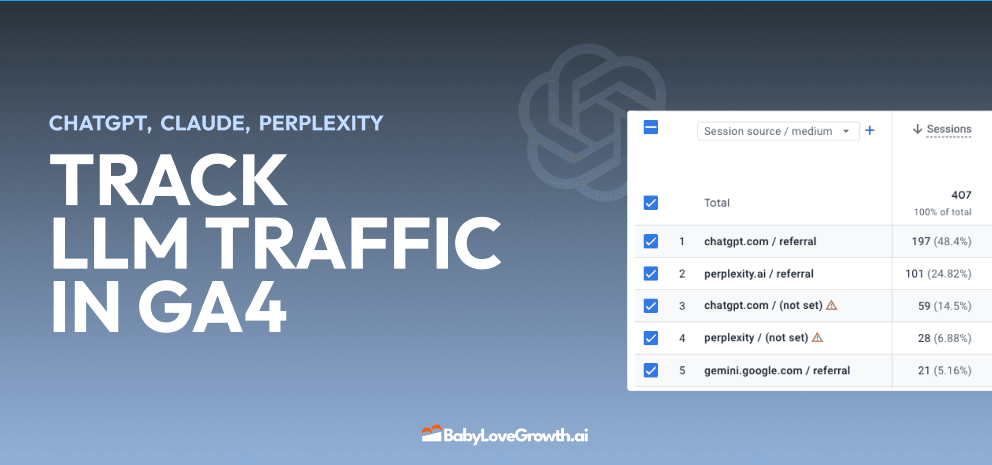
Track LLM Traffic in Google Analytics 4 (GA4)
Learn how to track and analyze traffic from AI sources like ChatGPT, Claude, Perplexity, and Google Gemini in Google Analytics 4. This step-by-step guide shows you how to set up custom filters to monitor AI-driven traffic and make data-driven decisions for your content strategy.
DylenMar 18, 2025
How to Humanize AI Text with Instructions
Learn practical techniques to make AI-generated content sound more natural and human. This guide covers active voice, direct addressing, concise writing, and other proven strategies to transform robotic text into engaging content.
DylenApril 7, 2025
Open AI Revenue and Statistics (2024)
Comprehensive analysis of OpenAI financial performance, user engagement, and market position in 2023. Discover key statistics including $20B valuation, $1B projected revenue, and 100M+ monthly active users.
DylenOctober 03, 2025