User-Generated Content Strategies That Drive Growth


Finding new ways to stand out online gets more challenging every year as digital spaces fill with polished advertising and synthetic media. Authentic user voices have become a rare currency, trusted by shoppers searching for genuine insights before making a purchase. In 2026, User-Generated Content has evolved into a vital data source powering AI models and search visibility, offering a smarter path for small and medium e-commerce brands to earn trust, drive real engagement, and boost organic growth while moving beyond the limits of traditional SEO.
Table of Contents
- What Is User-Generated Content in 2026?
- Types of User-Generated Content That Matter
- How Automated UGC Collection Works
- Maximizing SEO and Authenticity With UGC
- Legal Risks and Content Moderation Essentials
- Common UGC Mistakes and How to Avoid Them
Key Takeaways
| Point | Details |
|---|---|
| Importance of Authenticity | Advanced UGC strategies prioritize authenticity verification to build consumer trust. |
| Diverse Content Types | Effective UGC includes various formats like reviews, videos, and social media posts that enhance brand credibility. |
| Automated UGC Collection | Leveraging AI-driven automated systems improves efficiency and scalability in capturing genuine user experiences. |
| Legal and Moderation Risks | Developing robust content moderation and legal compliance strategies is essential to foster user safety and maintain brand integrity. |
What Is User-Generated Content in 2026?
User-Generated Content (UGC) has transformed from simple contributor posts to a sophisticated digital ecosystem driving brand engagement and consumer trust. In 2026, UGC represents far more than traditional social media uploads - it's now a complex data strategy that signals authenticity in an increasingly synthetic media landscape.
The evolution of UGC encompasses multiple critical dimensions:
- Authenticity verification through advanced platform technologies
- Real-time content adaptation across global digital platforms
- AI-powered analysis of consumer-created media
- Integrated trust signals for brand communication
Understanding UGC's modern definition requires recognizing its expanded role. Digital content trends demonstrate that user contributions now serve as primary data sources impacting search visibility and consumer identity. Brands no longer simply collect UGC - they strategically integrate it into comprehensive digital experiences.
Modern UGC strategies prioritize verified, platform-specific content that resonates across diverse digital environments. This means moving beyond generic uploads to creating nuanced, culturally intelligent user experiences that feel genuine and contextually relevant.
Here's a summary of the business impact of advanced UGC strategies in 2026:
| UGC Strategy Aspect | Business Impact | Example Benefit |
|---|---|---|
| Authenticity Verification | Builds consumer trust | Increased conversion rates |
| AI Analysis of UGC | Enhances marketing insight | Better targeting, personalization |
| Real-Time Adaptation | Boosts global engagement | Broader audience reach |
| Integrated Trust Signals | Strengthens brand image | Improved reputation online |
Pro tip: Develop a sophisticated UGC verification process that ensures authenticity while encouraging diverse user contributions.
Types of User-Generated Content That Matter
User-Generated Content (UGC) has evolved into a sophisticated digital communication ecosystem with multiple content formats that drive brand engagement and consumer connection. Diverse digital content types now play critical roles in modern marketing strategies, each offering unique advantages for businesses seeking authentic audience interactions.
The most impactful types of UGC include:
- Customer reviews providing direct product feedback
- Social media posts showcasing real-world product experiences
- Video testimonials demonstrating genuine brand interactions
- Photo submissions offering visual product validation
- Community forum discussions generating in-depth consumer insights
Each content type serves a distinct purpose in building brand credibility. Customer reviews, for instance, offer transparent insights that potential buyers trust more than traditional advertising. Social media posts create narrative-driven experiences that humanize brand interactions, while video testimonials provide emotional context that static text cannot communicate.
Brands that successfully leverage UGC understand that authenticity trumps production quality. A raw, genuine customer video often resonates more powerfully than a professionally produced commercial. This shift represents a fundamental transformation in how businesses communicate with their audiences, prioritizing real experiences over manufactured marketing messages.

Pro tip: Create a streamlined submission process that makes sharing user content simple and rewarding for your community.
How Automated UGC Collection Works
Automated content collection strategies represent a sophisticated approach to capturing authentic digital experiences across multiple platforms. Modern AI-powered systems transform how businesses discover, curate, and leverage user-generated content with unprecedented precision and efficiency.The key components of automated UGC collection include:
- Intelligent content discovery across social media platforms
- Machine learning algorithms that identify high-performing content
- Real-time engagement tracking for content validation
- Compliance and permission management systems
- Cross-platform content aggregation tools
AI-driven systems now enable businesses to navigate complex digital ecosystems with remarkable accuracy. These sophisticated platforms can automatically scan millions of content pieces, evaluating their potential impact through advanced predictive analytics. The process goes beyond simple keyword matching, utilizing nuanced context recognition to identify truly authentic and resonant user experiences.
Successful automated UGC collection requires a strategic approach that balances technological capability with human creativity. Brands must develop systems that not only capture content but also understand the emotional and cultural context behind user submissions. This means creating intelligent frameworks that can distinguish between generic posts and genuinely meaningful user interactions.
Below is a comparison of automated vs. manual UGC collection approaches:
| Approach | Efficiency | Quality Control | Scalability |
|---|---|---|---|
| Automated UGC | Very high, instant | AI-based filtering | Easily adapts to multiple platforms |
| Manual UGC | Time-consuming | Human judgment | Limited by workforce size |
Pro tip: Develop multilayered AI filters that assess content quality, relevance, and authenticity before automated collection.
Maximizing SEO and Authenticity With UGC
SEO strategies involving user-generated content represent a powerful approach to enhancing digital visibility and building genuine consumer connections. By leveraging authentic user experiences, brands can create rich, dynamic content that simultaneously improves search rankings and builds meaningful audience trust.
Key strategies for maximizing SEO and authenticity through UGC include:
- Keyword-rich customer reviews that provide natural language content
- Diverse content formats demonstrating real product experiences
- Verified user testimonials with detailed, descriptive narratives
- Location-specific user submissions improving local search relevance
- Interactive multimedia content increasing user engagement signals
Successful UGC integration requires more than simply collecting content. Brands must develop sophisticated systems that validate authenticity, ensuring user submissions meet both quality and platform-specific guidelines. This means implementing multi-layer verification processes that distinguish between genuine user experiences and potential spam or low-quality contributions.
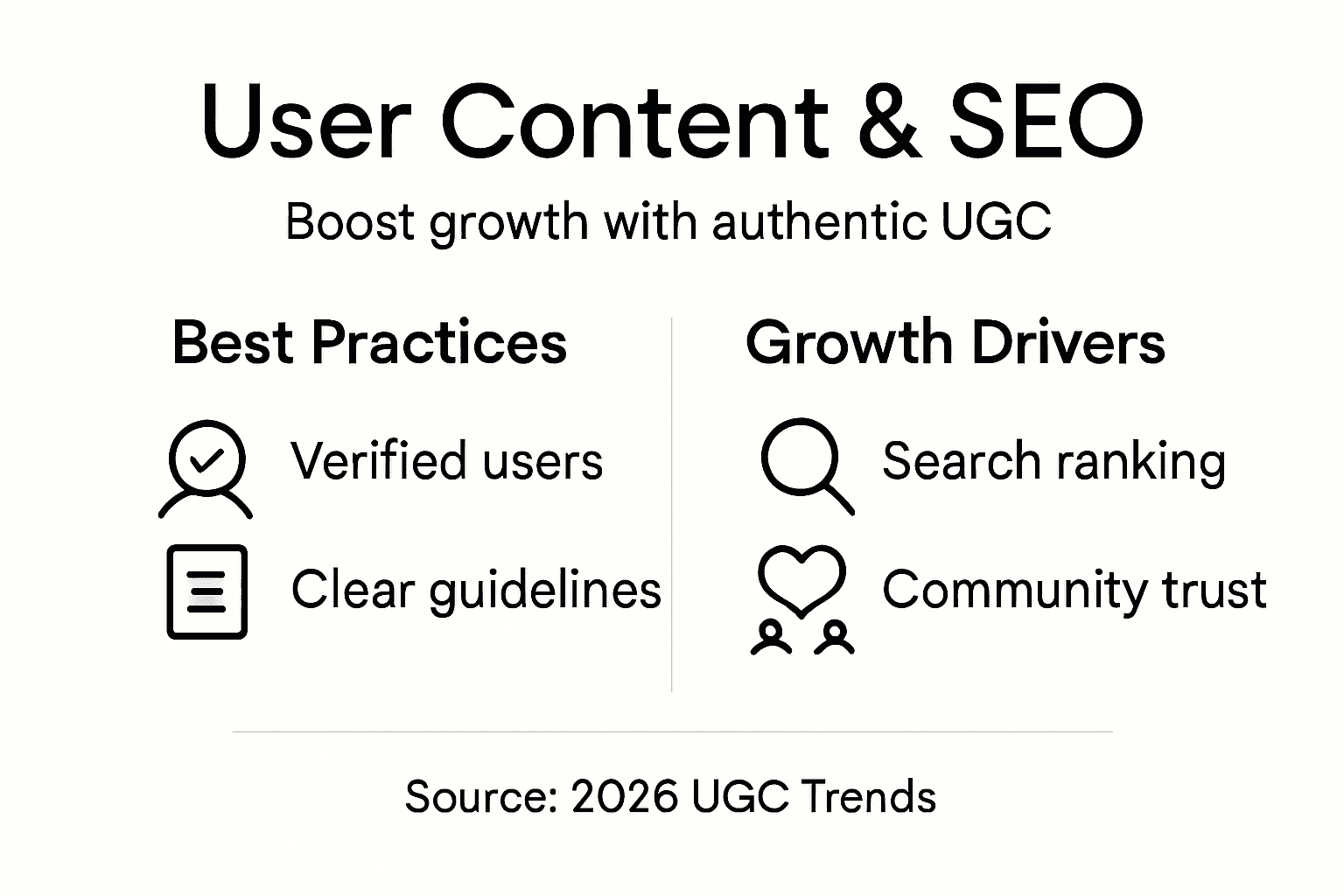
The most effective UGC strategies transform passive content consumption into active community participation. By creating clear, rewarding submission pathways and highlighting exceptional user contributions, brands can generate a continuous cycle of high-quality, SEO-friendly content that resonates with both search algorithms and potential customers.
Pro tip: Create a transparent, gamified user submission process that incentivizes high-quality, detailed content contributions.
Legal Risks and Content Moderation Essentials
Legal frameworks for user content have become increasingly complex, requiring businesses to develop sophisticated strategies that balance open communication with robust legal protection. Modern content moderation demands a nuanced approach that safeguards platform integrity while preserving user freedom of expression.Key legal risks and moderation considerations include:
- Copyright infringement protection mechanisms
- Defamation liability prevention strategies
- Personal privacy content screening protocols
- Hate speech and misinformation detection systems
- Intellectual property violation monitoring
Successful content moderation requires multilayered technological and human-driven approaches. Automated filtering tools can provide initial screening, but human oversight remains critical for contextual understanding and complex decision-making. Platforms must develop clear, transparent policies that outline acceptable content boundaries while maintaining flexibility for evolving digital communication norms.
Companies must also recognize that content moderation is not just a legal requirement but a fundamental trust-building mechanism. By demonstrating commitment to user safety and content quality, brands can transform potential legal challenges into opportunities for building stronger, more engaged communities.
Pro tip: Develop a comprehensive content moderation policy with clear escalation protocols and regular training for moderation teams.
Common UGC Mistakes and How to Avoid Them
User-generated content strategies require careful navigation to maximize authenticity and minimize potential risks. Businesses often encounter significant challenges when implementing UGC programs that can undermine their digital engagement efforts if not addressed strategically.
Common UGC mistakes include:
- Inconsistent platform approaches that dilute content effectiveness
- Neglecting authenticity verification processes
- Inadequate legal permissions for content usage
- Over-curating user submissions that reduce genuine experiences
- Ignoring content moderation best practices
Successful UGC implementation demands a nuanced approach that balances brand guidelines with genuine user experiences. Companies must develop sophisticated systems that capture authentic content while maintaining clear boundaries and quality standards. This requires creating transparent submission processes, developing clear usage guidelines, and implementing robust verification mechanisms that respect both user creativity and brand integrity.
The most effective UGC strategies transform potential mistakes into opportunities for deeper audience connection. By treating user-generated content as a collaborative dialogue rather than a one-sided marketing tool, brands can build more meaningful and trust-based relationships with their communities.
Pro tip: Create a comprehensive UGC submission framework with clear guidelines, verification protocols, and incentive structures that encourage high-quality contributions.
Harness User-Generated Content to Fuel Organic Growth Today
The challenges of verifying authenticity and maximizing SEO impact with user-generated content require powerful, streamlined solutions. If you want to avoid common UGC pitfalls like inconsistent verification, over-curation, and content moderation risks, it is essential to implement AI-driven strategies that deliver high-quality, authentic digital experiences. By integrating advanced AI analysis and automated content optimization, you can transform genuine user stories into unstoppable growth engines for your brand.

Discover how Babylovegrowth.ai simplifies the complex world of UGC-driven SEO with an all-in-one platform that generates optimized, AI-powered articles and backlinks tailored to boost your Google and ChatGPT rankings. Start your journey with a 30-day personalized content plan that puts organic traffic growth on autopilot. Act now to experience a smarter way to scale your business while building authentic connections with your audience. Explore the future of content strategy and unlock sustainable growth by visiting Babylovegrowth.ai today.
Frequently Asked Questions
What is user-generated content (UGC)?
User-generated content (UGC) refers to any digital content—such as text, videos, images, or reviews—that is created by users rather than brands. It serves as a vital source of authenticity and helps to build consumer trust in an increasingly synthetic media environment.
How can businesses automate UGC collection?
Businesses can automate UGC collection through AI-powered systems that intelligently discover content across various platforms, use machine learning algorithms to identify high-performing contributions, and implement real-time engagement tracking for validation purposes.
What types of UGC are most effective for enhancing brand credibility?
Effective types of UGC that enhance brand credibility include customer reviews, social media posts showcasing product experiences, video testimonials, photo submissions, and community forum discussions. Each type helps to build trust and provides transparent insights to potential buyers.
What legal risks should companies consider when using UGC?
Companies should consider legal risks such as copyright infringement, defamation liability, personal privacy concerns, hate speech, and misinformation. Developing robust moderation strategies and clear content policies is essential for addressing these challenges.
Recommended
Smart SEO,
Faster Growth!
Most Read Articles
Generative Engine Optimization (GEO)
Learn how Generative Engine Optimization (GEO) helps your content rank in AI search engines like ChatGPT and Google AI. This comprehensive guide explains the differences between SEO and GEO, why it matters for your business, and practical steps to implement GEO strategies for better visibility in AI-generated responses.
DylenJan 18, 2025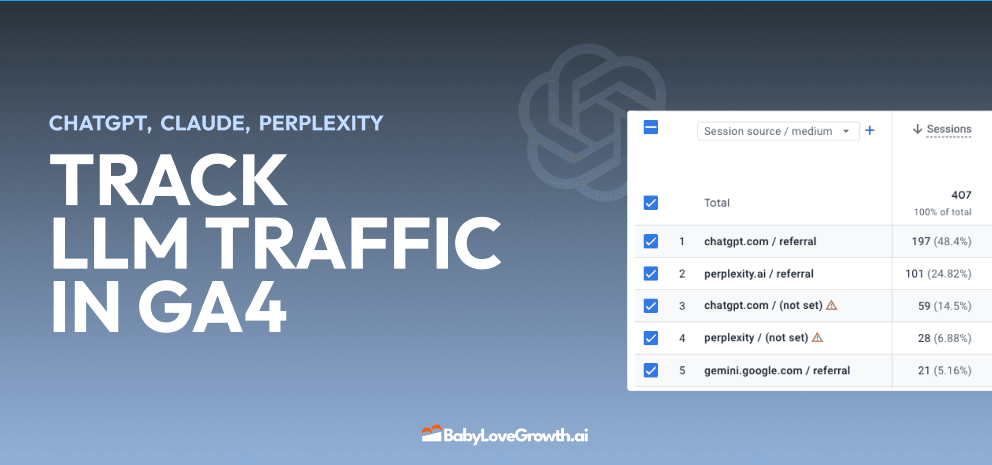
Track LLM Traffic in Google Analytics 4 (GA4)
Learn how to track and analyze traffic from AI sources like ChatGPT, Claude, Perplexity, and Google Gemini in Google Analytics 4. This step-by-step guide shows you how to set up custom filters to monitor AI-driven traffic and make data-driven decisions for your content strategy.
DylenMar 18, 2025
How to Humanize AI Text with Instructions
Learn practical techniques to make AI-generated content sound more natural and human. This guide covers active voice, direct addressing, concise writing, and other proven strategies to transform robotic text into engaging content.
DylenApril 7, 2025
Open AI Revenue and Statistics (2024)
Comprehensive analysis of OpenAI financial performance, user engagement, and market position in 2023. Discover key statistics including $20B valuation, $1B projected revenue, and 100M+ monthly active users.
DylenOctober 03, 2025