Understand user behavior to optimize AI content strategies


Most businesses collect mountains of user behavior data but struggle to turn it into actionable insights for AI content optimization. The problem isn't a lack of data. It's knowing which signals matter and how to apply them strategically. Understanding user behavior transforms guesswork into precision, enabling you to create AI-driven content that resonates, converts, and ranks. This guide reveals practical frameworks and tools that small to medium businesses can use immediately to decode visitor intent, refine content strategies, and boost organic traffic through smarter AI personalization.
Table of Contents
- Key takeaways
- What is user behavior and why does it matter?
- Tools and frameworks for analyzing user behavior effectively
- Overcoming common challenges and edge cases in user behavior analysis
- Applying user behavior insights to AI-driven content and SEO strategies
- Explore AI optimization tools for your website
- FAQ
Key Takeaways
| Point | Details |
|---|---|
| Core metrics to track | Start by tracking scroll depth, time on page, and exit pages to establish a focused foundation. |
| GA4 and RFM basics | Use GA4 for event based tracking and RFM to identify valuable visitors for targeted content. |
| Predictive analytics priority | Forecast retention and engagement by identifying patterns in historical data to guide content strategy. |
| Edge case handling | Address cold start users and mobile friction to improve performance and conversions. |
What is user behavior and why does it matter?
User behavior in digital marketing refers to how visitors interact with your website and content. User behavior analysis involves tracking interactions like scroll depth, click patterns, mouse movements, navigation paths, and engagement time to reveal intent and optimize content. These signals tell you what captures attention, what drives action, and where friction kills conversions.
Tracking user behavior reveals visitor intent and engagement patterns that surveys and focus groups miss. A visitor who scrolls 80% down a pricing page but never clicks shows different intent than someone who bounces after five seconds. One needs reassurance, the other found a mismatch. Common user actions tracked include:
- Scroll depth showing content consumption levels
- Click patterns revealing interest hotspots
- Mouse movement indicating hesitation or confusion
- Navigation paths exposing user journey logic
- Time on page measuring engagement quality
Understanding behavior creates a direct link to optimizing content strategy for AI-driven approaches. When you know which content formats hold attention and which topics drive repeat visits, you can train AI models to produce more of what works. For SMBs competing against larger brands, this precision matters enormously. You can't outspend giants, but you can outthink them by creating highly relevant content that matches actual user needs. Better relevance drives organic traffic growth without proportional budget increases.
Pro Tip: Start by tracking just three metrics: scroll depth, time on page, and exit pages. Master these before adding complexity.
Tools and frameworks for analyzing user behavior effectively
Google Analytics 4 serves as the foundation for comprehensive user behavior tracking and channel traffic analysis. GA4 shifted from session-based to event-based tracking, giving you granular visibility into individual user actions across devices. For SMBs, this means understanding the complete customer journey without stitching together multiple tools.
RFM segmentation groups users by Recency, Frequency, and Monetary value. This framework helps you identify your most valuable segments and tailor content accordingly. A user who visited recently and frequently but hasn't converted yet needs different content than a one-time visitor from six months ago. Key methodologies for SMBs include GA4 for traffic analysis, RFM for segmentation, predictive analytics for retention, and behavior analytics integrated with SEO strategies.
Predictive analytics forecasts retention and engagement by identifying patterns in historical behavior data. If users who read three blog posts in their first week have 70% higher lifetime value, you know to optimize for that behavior. The Outcomes-Behaviors-Questions-Actions cycle creates actionable measurement:
- Define business outcomes you want
- Identify behaviors that drive those outcomes
- Ask what data answers your strategic questions
- Take actions based on insights discovered
This framework prevents data hoarding and keeps analysis focused on business impact. Here's how different tools serve SMB needs:
| Tool/Framework | Primary Use Case | Best For | Key Limitation |
|---|---|---|---|
| GA4 | Traffic and behavior tracking | Understanding user journeys | Steep learning curve |
| RFM Segmentation | User grouping and prioritization | Targeting high-value segments | Requires transaction data |
| Predictive Analytics | Retention forecasting | Proactive engagement strategies | Needs historical data volume |
| Heatmaps | Visual interaction analysis | UX optimization | Page-specific insights only |
Combining these approaches creates a complete picture. GA4 shows what's happening, RFM reveals who matters most, predictive analytics forecasts what's next, and heatmaps explain why users behave as they do. For SEO strategies tailored to small businesses, integrating behavior data with keyword performance and content optimization creates a powerful feedback loop. You discover which topics attract your best users, then double down on producing similar content that analytics tools reveal drives engagement.
Overcoming common challenges and edge cases in user behavior analysis
The cold start problem affects new users who lack behavioral history for personalization. You can't recommend content based on past behavior when there is no past. Contextual signals solve this by using referral source, device type, geographic location, and landing page to make educated guesses about intent. A mobile user arriving from a social ad likely has different needs than a desktop user from organic search.

Pogo-sticking and high bounce rates signal mismatched intent between what your content promises and what it delivers. If users click your search result then immediately return to Google, you've failed to meet their expectations. This pattern damages rankings and wastes traffic. Research shows only 19% of users prompt AI tools effectively, revealing a digital divide in how people interact with AI-driven content interfaces.
Mobile user experience friction distorts behavior data significantly. Loading speed impacts every metric you track. When Largest Contentful Paint exceeds 2.5 seconds, users abandon before you can measure meaningful engagement. Your data shows high bounce rates, but the real problem is technical performance, not content quality. Common edge cases include:
- New users with zero behavioral history
- Mobile users facing loading delays
- Bot traffic skewing engagement metrics
- Users with ad blockers preventing tracking
- Cross-device journeys fragmenting user identity
Addressing these edge cases requires layered strategies. Use contextual targeting for cold start users until you gather behavioral data. Optimize mobile performance ruthlessly since mobile UX friction with LCP greater than 2.5 seconds corrupts your entire dataset. Filter bot traffic before analyzing trends. Accept that some users will remain invisible due to privacy tools, and focus on the majority you can track.
Pro Tip: Segment your analytics by device and traffic source to identify where edge cases cluster, then create specific optimization strategies for each segment rather than treating all users identically.
Intent mismatch shows up when users engage briefly then leave without converting or exploring further. This often stems from keyword targeting that attracts the wrong audience or content that fails to deliver on headline promises. AI keyword discovery techniques help align content with genuine user intent by analyzing semantic relationships and actual search behavior patterns.
Applying user behavior insights to AI-driven content and SEO strategies
Traditional content strategies rely on editorial calendars and keyword research alone. AI-personalized approaches layer behavioral data on top, dynamically adjusting content recommendations based on what each user segment actually engages with. Empirical benchmarks show organic traffic converts better than paid, while AI personalization boosts ROI by 30% and conversions by 25% for small to medium businesses.
Applying behavior insights to AI content follows a structured process:
- Gather comprehensive user behavior data across all touchpoints
- Analyze patterns to identify high-value user segments and content preferences
- Tune AI content models using behavior signals as training data
- Deploy iteratively updated content that responds to engagement patterns
- Monitor performance metrics and refine based on results
This cycle transforms static content into a living system that improves continuously. Functional content delivers practical value like tutorials and guides. Hedonic content provides entertainment or emotional satisfaction. Understanding which type resonates with different segments shapes your AI content strategy:
| Content Type | Primary Value | Engagement Pattern | Best Use Case |
|---|---|---|---|
| Functional | Problem-solving utility | Deep scrolling, bookmarking | Educational topics, how-to guides |
| Hedonic | Emotional satisfaction | Social sharing, repeat visits | Brand storytelling, case studies |
| Hybrid | Combined utility and emotion | Longest time on site | Thought leadership, comprehensive guides |
AI-driven content improves trust and idea adoption by personalizing the user experience at scale. When visitors consistently find content that matches their needs, they perceive your brand as understanding them. This perceived understanding builds trust faster than generic content ever could. AI personalization for marketing growth works because it makes each interaction feel relevant rather than random.
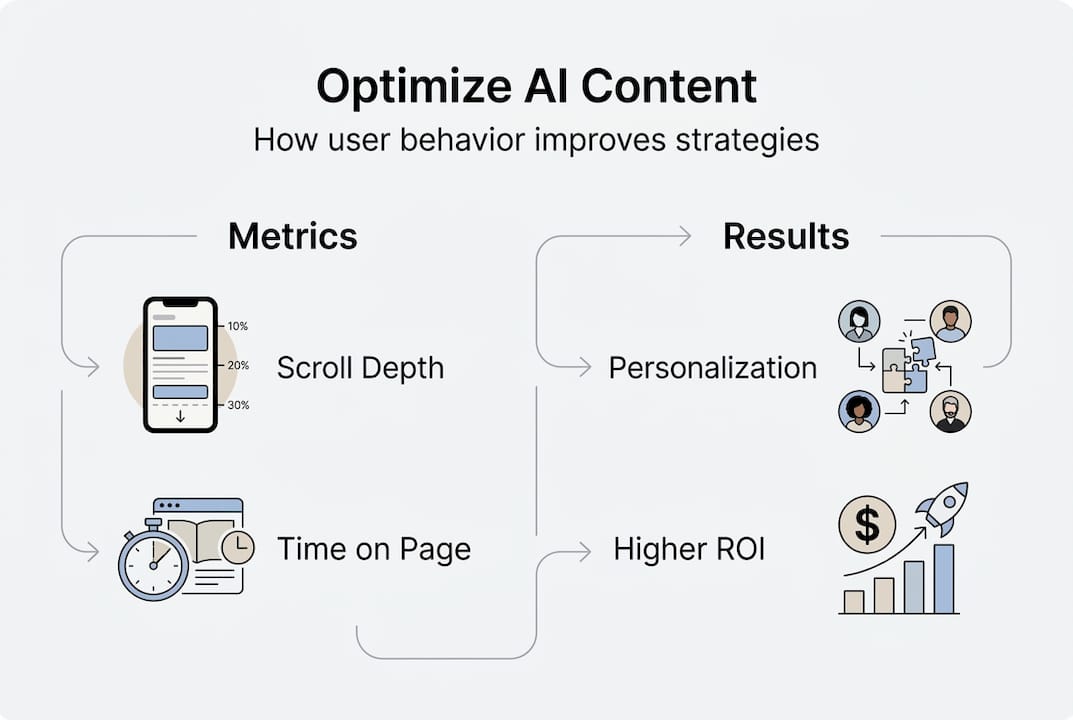
Integrating behavior insights with AI content branding strategies creates compound effects. Users engage more with personalized content, generating richer behavioral data, which enables even better personalization. This virtuous cycle explains why analytics-driven marketing delivers superior ROI compared to intuition-based approaches.
Pro Tip: Use iterative SEO refreshes every 90 days, updating content based on accumulated behavior data to maintain ranking momentum and relevance as user needs evolve.
Explore AI optimization tools for your website
Turning user behavior insights into action requires the right tools. Understanding what users want matters only if you can deliver optimized content that meets those needs at scale. BabyLoveGrowth's AI SEO audit tool analyzes your website to identify optimization opportunities based on current performance data and user engagement patterns. For businesses running on specific platforms, Umbraco SEO automation streamlines the technical optimization process so you can focus on content strategy rather than implementation details. The organic traffic optimization tool combines behavior analytics with AI-driven content recommendations to systematically grow your search visibility. These solutions transform the frameworks and insights covered in this guide into concrete improvements for your website.
FAQ
How can small businesses start analyzing user behavior with limited resources?
Start with free tools like Google Analytics 4, which provides comprehensive behavior tracking without cost. Focus on three high-impact metrics initially: scroll depth reveals content consumption, time on page indicates engagement quality, and exit pages show where users lose interest. Small business SEO strategies benefit from starting simple and expanding as you learn what matters for your specific audience. Use basic segmentation by traffic source and device type before investing in advanced analytics platforms.
What are the most important user behavior metrics for improving AI-driven content?
Scroll depth, click patterns, time on page, and navigation paths form the core metrics for AI content optimization. Scroll depth shows whether users consume your content fully or abandon early, indicating content quality and relevance. Click patterns reveal which topics and formats generate interest, guiding your content production priorities. Time on page measures engagement depth, while navigation paths expose how users move through your site, revealing content gaps and opportunities. Combining these metrics provides the behavioral signals AI models need to personalize content effectively and predict what will resonate with different user segments.
How does AI personalization impact organic traffic and conversions for SMBs?
AI personalization boosts ROI by 30% and conversions by 25% for small to medium businesses by delivering content that matches individual user intent and preferences. This relevance increases engagement, reduces bounce rates, and signals quality to search engines, improving organic rankings over time. Users who find personalized content valuable return more frequently and explore more pages, generating stronger behavioral signals that compound SEO benefits. The trust built through consistent relevance accelerates the customer journey from awareness to conversion. AI personalization strategies for brand loyalty create competitive advantages that pure budget cannot replicate.
What should I do when user behavior data contradicts my content assumptions?
Trust the data over assumptions, but investigate why the contradiction exists before making drastic changes. User behavior reveals actual preferences, not hypothetical ones, making it more reliable than intuition alone. Segment your data to ensure you're not seeing skewed results from bot traffic, technical issues, or unrepresentative sample sizes. Test small changes first to validate that behavior patterns are consistent and actionable. Sometimes contradictions reveal opportunities where user needs differ significantly from industry norms, giving you a chance to differentiate your content strategy and capture underserved segments.
Recommended
Smart SEO,
Faster Growth!
Most Read Articles
Generative Engine Optimization (GEO)
Learn how Generative Engine Optimization (GEO) helps your content rank in AI search engines like ChatGPT and Google AI. This comprehensive guide explains the differences between SEO and GEO, why it matters for your business, and practical steps to implement GEO strategies for better visibility in AI-generated responses.
DylenJan 18, 2025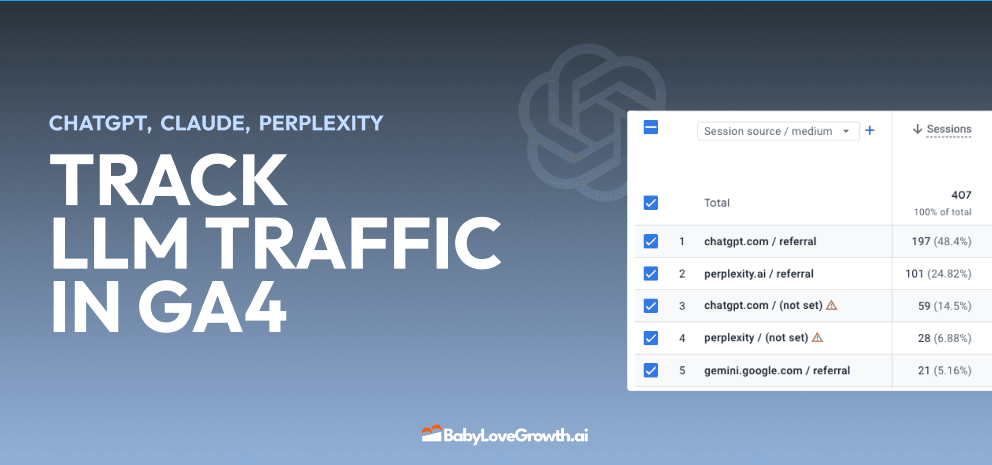
Track LLM Traffic in Google Analytics 4 (GA4)
Learn how to track and analyze traffic from AI sources like ChatGPT, Claude, Perplexity, and Google Gemini in Google Analytics 4. This step-by-step guide shows you how to set up custom filters to monitor AI-driven traffic and make data-driven decisions for your content strategy.
DylenMar 18, 2025
How to Humanize AI Text with Instructions
Learn practical techniques to make AI-generated content sound more natural and human. This guide covers active voice, direct addressing, concise writing, and other proven strategies to transform robotic text into engaging content.
DylenApril 7, 2025
Open AI Revenue and Statistics (2024)
Comprehensive analysis of OpenAI financial performance, user engagement, and market position in 2023. Discover key statistics including $20B valuation, $1B projected revenue, and 100M+ monthly active users.
DylenOctober 03, 2025