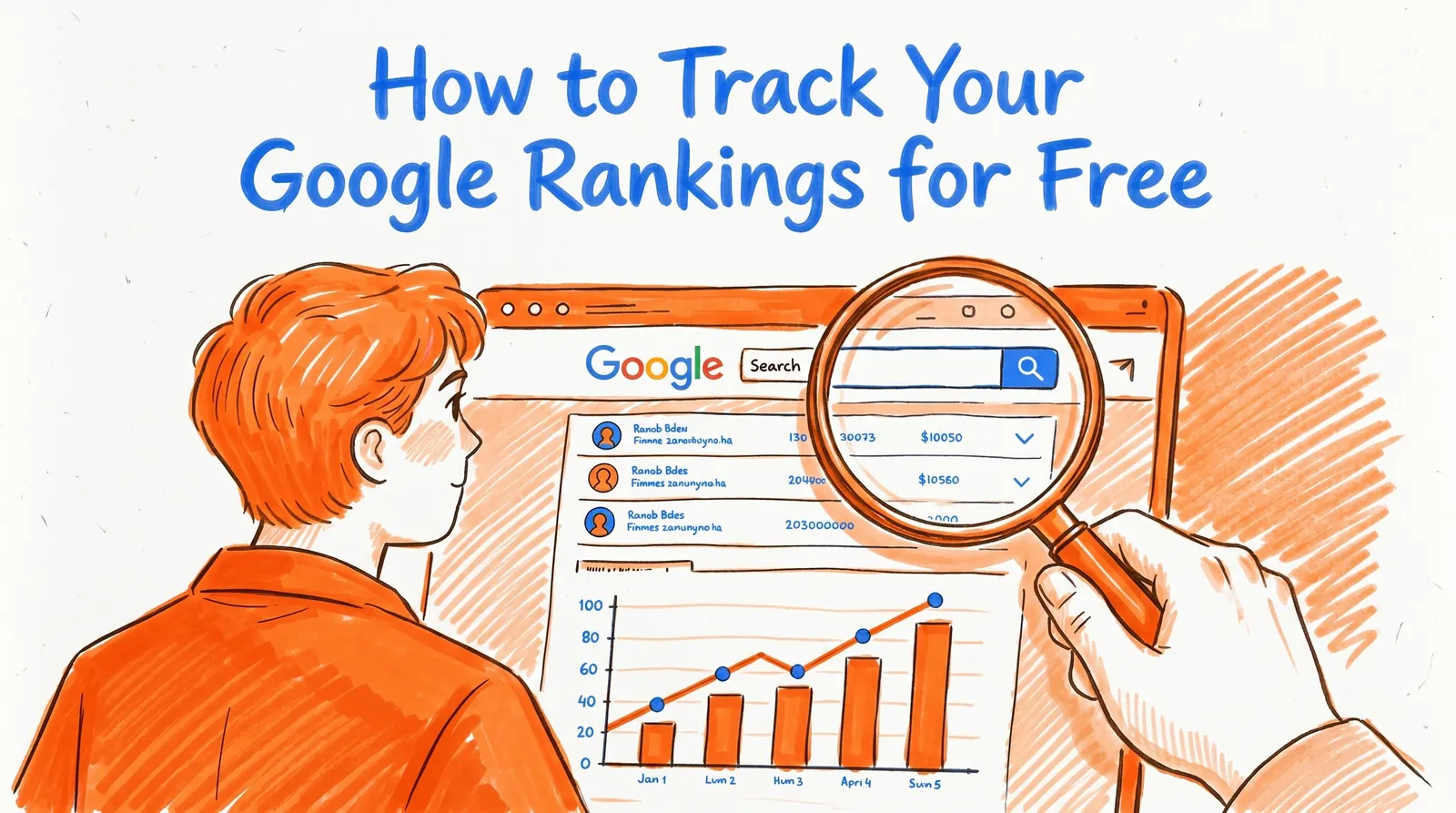
7 Key Types of SEO Strategies for Scalable Growth


Trying to get your website noticed in crowded search results often feels frustrating. There are so many moving parts, and search engine algorithms seem to change constantly. You need clear, actionable steps that actually move the needle for your rankings without wasting time on guesswork.
This list will guide you through proven methods to improve your online visibility and authority. You'll discover both easy wins and deeper strategies that go beyond surface-level fixes. Each insight is designed to help you attract more relevant visitors by mastering techniques that matter most for search engines.
Get ready to learn practical techniques for content optimization, technical improvements, building credibility, and much more. Each step will give you tools to increase your organic reach and create an advantage over competitors.
Table of Contents
- 1. Understand On-Page SEO For Content Optimization
- 2. Master Technical SEO For Site Performance
- 3. Leverage Off-Page SEO For Building Authority
- 4. Use Local SEO To Target Area-Specific Traffic
- 5. Harness AI-Driven SEO Automation Tools
- 6. Plan Scalable Content Strategies For Growth
- 7. Integrate Structured Data For Enhanced SERP Visibility
Quick Summary
| Takeaway | Explanation |
|---|---|
| 1. Optimize Keywords Strategically | Use keyword variation in titles, headings, and content to balance search engine relevance and readability for users. |
| 2. Audit Technical SEO Regularly | Ensure your site has proper crawlability, speed, and mobile responsiveness to improve search engine indexation and user experience. |
| 3. Focus on Quality Backlinks | Prioritize high-quality backlinks from reputable sources over quantity for better authority and trust in search rankings. |
| 4. Leverage Local SEO Tactics | Optimize your Google Business Profile and build local citations to improve visibility in geographic searches for immediate customer intent. |
| 5. Implement Structured Data | Add structured data markup to enhance how search engines interpret your content, potentially improving click-through rates with rich snippets. |
1. Understand On-Page SEO for Content Optimization
On-page SEO is where your content strategy meets search engine algorithms. These are the technical and content decisions you make directly on your website pages that influence how search engines understand and rank your material. Unlike off-page factors, you control every aspect of on-page optimization, which makes it one of the most powerful levers for scaling organic traffic.
The core elements of on-page SEO revolve around keyword strategy, content quality, meta tags, URL structure, and internal linking patterns. When you implement keyword optimization effectively, you're essentially creating a bridge between what your audience searches for and the solutions your content provides. But here's what many marketers get wrong: keyword selection goes far beyond simply stuffing terms into your content. Strategic keyword placement in your title tags, headings, meta descriptions, and naturally throughout your body content signals relevance to search engines without compromising readability for actual humans reading your page.
Consider this practical scenario. You're writing an article about content optimization for SEO specialists. Your target keyword might be "content optimization strategies for organic traffic growth." Rather than repeating this exact phrase robotically throughout your article, you'd incorporate related variations and semantically similar terms. Your H1 tag captures the primary keyword. Your opening paragraph introduces the concept with natural language. Your subheadings include variations like "how to optimize content for search rankings" and "content quality factors that impact visibility." This approach satisfies both search engine crawlers looking for relevance signals and readers seeking genuinely useful information.
Meta tags deserve specific attention here. Your meta title and meta description are the first impression potential visitors get in search results. These 50 to 160 character snippets determine click through rates more than any other single factor. A vague meta description like "This page has useful information" converts far less effectively than a specific one like "Discover 7 proven content optimization techniques that increased organic traffic by 167% for digital agencies." Your URL structure matters equally. Clean, descriptive URLs that include your primary keyword perform better than cryptic ones. A URL like "babylovegrowth.ai/on-page-seo-content-optimization" tells both users and search engines exactly what to expect, while "babylovegrowth.ai/?p=42829" leaves them guessing.
Internal linking patterns create pathways through your content that benefit user experience and search authority distribution. When you link from one piece of content to another using descriptive anchor text, you're doing two things simultaneously. First, you're helping users discover related information. Second, you're passing link equity and topical authority to that linked page, which strengthens its ranking potential. Strategic internal linking within your content architecture means connecting articles about related topics in a way that makes logical sense for your audience.
Content quality sits at the foundation of all on-page optimization efforts. Search engines increasingly reward comprehensive, original content that demonstrates expertise and answers user questions thoroughly. This means moving beyond surface level coverage. If you're writing about on-page SEO, your content should go deeper than generic introductions. Include specific examples, case studies with real numbers, actionable steps your reader can implement today, and original research or analysis when possible. Search engines now evaluate content through multiple quality signals including content depth, user engagement metrics, and whether readers actually find answers to their questions.
Pro tip: Use AI powered content optimization tools to analyze your existing pages and identify quick wins like missing keywords, optimization gaps in your meta tags, and internal linking opportunities that you can implement in under an hour.
2. Master Technical SEO for Site Performance
Technical SEO operates behind the scenes, yet it controls whether search engines can even discover and index your content effectively. While on-page SEO focuses on content and keywords, technical SEO addresses the infrastructure that allows search engines and AI crawlers to navigate, understand, and rank your website.
Think of technical SEO as the foundation of a building. You can have the most beautifully designed rooms inside, but if the structural integrity is compromised, nothing else matters. Similarly, you can create exceptional content, but if your site has crawlability issues, indexation problems, or poor performance metrics, search engines struggle to properly evaluate and rank your pages. The core elements include crawlability and indexation, site speed, mobile responsiveness, structured data implementation, and proper handling of canonicalization and redirects.
Crawlability refers to whether search engine bots can actually access and read your website pages. Your robots.txt file acts as a gatekeeper, instructing crawlers which pages to visit and which to skip. Many marketers accidentally block important pages from search engines through improper robots.txt configurations. Similarly, your XML sitemap serves as a roadmap for search engines. This file lists all your important pages, helping crawlers discover content they might otherwise miss. Creating and maintaining an accurate sitemap becomes increasingly critical as your content library grows. Without it, newly published pages might take weeks to index instead of days.
Site speed directly impacts both user experience and search rankings. When your pages load slowly, users bounce away before engaging with your content. Search engines notice this behavior through metrics like Core Web Vitals, which measure loading performance, interactivity, and visual stability. A page that loads in 1 second has dramatically higher conversion rates than one taking 3 seconds. For agencies managing multiple client sites, slow performance compounds across your entire portfolio, diminishing organic visibility across the board. Optimization techniques include image compression, browser caching, content delivery networks, and minimizing render blocking resources.
Mobile performance deserves special emphasis because the majority of searches now happen on mobile devices. Google's mobile first indexing means the search engine primarily crawls and ranks your site based on its mobile version, not the desktop version. If your mobile experience lags far behind your desktop experience, your rankings suffer. This includes ensuring your site is fully responsive, that touch targets are adequately sized for fingers rather than mouse cursors, and that mobile pages load quickly on slower cellular connections.
Structured data markup is where you explicitly tell search engines what your content is about. By implementing schema markup, you're providing semantic context that helps search engines understand your content type, author, publish date, and other relevant metadata. This structured data powers rich snippets in search results, knowledge panels, and improved visibility in AI powered search engines. For a digital marketing agency, proper schema implementation could mean the difference between appearing as plain text results versus featured snippets that drive significantly more clicks.
Canonical tags and proper redirect handling prevent duplicate content issues that confuse search engines. When multiple URLs point to essentially the same content, search engines must guess which version to rank. Canonical tags tell search engines explicitly which version is authoritative. Improper redirects create crawl efficiency problems and can dilute link equity across multiple versions of the same page.
Pro tip: Audit your site's technical SEO foundation using comprehensive technical SEO tools that analyze crawlability, page speed, mobile responsiveness, and structured data implementation, then prioritize fixing critical issues like indexation blockers before scaling your content production.
3. Leverage Off-Page SEO for Building Authority
Off-page SEO represents everything you do outside your website to build credibility and authority in your industry. While on-page and technical SEO focus on optimizing what happens on your domain, off-page SEO is about external validation. Search engines use off-page signals to answer a fundamental question: Is this website trustworthy and relevant enough to rank highly?
Think about how authority works in the real world. A restaurant recommendation from your best friend carries more weight than a random comment from a stranger. Similarly, a backlink from a respected industry publication carries exponential more weight than a link from an obscure blog. Search engines have evolved to recognize this distinction. When high-quality websites link to your content, they essentially vouch for your credibility. These backlinks signal to search algorithms that your content deserves visibility and trust. The quality of these links matters far more than the quantity. A single link from a major industry authority can outweigh dozens of links from low-quality sites.
Link building remains the cornerstone of off-page SEO strategy. However, the approach has shifted dramatically from the old days of indiscriminate link acquisition. Today, you need strategic backlink building focused on relevance and quality rather than chasing link counts. This means identifying websites in your industry that already discuss topics related to your content, then finding authentic ways to earn placements. Perhaps you create original research that journalists want to cite. Maybe you develop a tool that other sites naturally want to link to. Or you contribute expert commentary to industry roundups. The common thread is providing genuine value that makes other sites want to reference your work.
Brand mentions extend beyond traditional hyperlinks. When publications mention your brand name without linking, search engines still take notice. These unlinked mentions build topical authority and brand recognition. For digital marketing agencies, appearing frequently in industry publications, podcasts, and webinars creates cumulative authority that influences rankings. The challenge is that mentions happen through relationship building and visibility efforts rather than direct link acquisition tactics.
Social signals amplify your off-page authority when your content earns shares, comments, and engagement across social platforms. While social media followers do not directly impact rankings, the behavior they trigger does. Content that gets shared across social channels reaches more people, leading to more natural links and citations. Agencies managing multiple client accounts benefit significantly from coordinated social strategies that drive awareness and engagement.
Local citations and directory listings deserve attention if you serve geographic markets. When your business appears consistently across local directories, review sites, and business listings with accurate information, you build local authority. This becomes increasingly important as search engines refine their understanding of geographic relevance and local search intent.
Influencer collaborations and partnerships create external endorsements that signal credibility. When recognized voices in your industry recommend your content or services, it carries weight with both audiences and search engines. For agencies, this might mean partnering with industry leaders on joint research projects or having them participate in your content.
Your authority compounds over time. A single high-quality backlink might improve your rankings by a few positions, but a coordinated off-page strategy that generates links, mentions, and social signals creates compounding effects that can transform your visibility.
The relationship between on-page and off-page SEO is symbiotic. Great content deserves promotion through off-page efforts. Without promotion, even excellent content struggles to gain the links and signals needed for visibility. Conversely, off-page efforts that drive links to mediocre content deliver diminishing returns because the content fails to keep visitors engaged.
Pro tip: Focus your backlink building efforts on building authority through high-quality backlinks from industry publications, research institutions, and authority sites rather than pursuing low-quality link farms, which will damage your rankings faster than they help.
4. Use Local SEO to Target Area-Specific Traffic
Local SEO transforms how businesses connect with customers actively searching for services in their geographic area. Instead of competing nationally for broad keywords, you target people with immediate buying intent who are looking for solutions nearby.
Consider the difference between someone searching "plumber" versus "plumber near me" or "emergency plumber in Denver." The second and third searches indicate purchase intent combined with geographic specificity. Local SEO captures these high-intent searches by optimizing your online presence for location-based keywords. For agencies managing multiple client accounts, local SEO offers tremendous scalability because the same foundational strategies apply whether you serve one city or fifty cities.
Google Business Profile optimization forms the backbone of local SEO strategy. This free listing appears prominently in Google search results and Google Maps when someone searches for your service category in your area. Your profile must be complete and accurate, including your business name, address, phone number, hours of operation, and service areas. Photos matter significantly here. Businesses with regular photo updates receive more clicks and engagement than those with outdated or missing visuals. Encourage clients to post customer photos, project photos, and team photos that showcase their work.
Local citations and directory listings build your business credibility across the web. These are mentions of your business name, address, and phone number on other websites like Yelp, Apple Maps, local business directories, and industry specific directories. Search engines cross reference these citations to verify your business information and location. Inconsistent information across directories damages your local rankings because search engines struggle to determine whether these are legitimate listings for the same business. For agencies with distributed clients, maintaining consistent citations across dozens of directories becomes a critical but time consuming task.
Local reviews and reputation management directly influence local search rankings. Google weighs review quantity, recency, and overall rating when determining local search visibility. A business with 47 recent five star reviews ranks higher than one with only 5 reviews, all from years ago. Targeting local customers effectively means developing strategies to encourage satisfied customers to leave reviews on Google, Yelp, and relevant industry platforms. This creates a dual benefit: improved rankings and increased customer trust from potential buyers reading those reviews.
Location specific content pages serve businesses operating across multiple geographic markets. If your client serves customers in five different cities, create individual landing pages for each location. These pages target local keywords while explaining how your service applies to that specific area. A plumbing company might create separate pages for "plumbing services in Denver," "plumbing services in Colorado Springs," and "plumbing services in Boulder." Each page includes location specific information, customer testimonials from that area, and relevant local keywords without appearing spammy.
Mobile optimization becomes non negotiable for local SEO. Most local searches happen on mobile devices from people on the go. They search, find your business, and either call or visit immediately. Your website must load quickly on mobile, display clearly on small screens, and include prominent call buttons and address information. A mobile visitor should be able to call your business with a single tap.
Local link building involves acquiring links from local organizations, chambers of commerce, local news outlets, and community websites. These links carry extra weight for local rankings because they signal that your business is an active part of your community.
Local SEO is not a "set it and forget it" strategy. It requires ongoing attention to review management, citation consistency, content updates, and profile optimization to maintain competitive rankings.
For digital marketing agencies, local SEO presents scalable opportunities. Once you develop repeatable processes for optimizing Google Business Profiles, managing citations, and coordinating reviews, you can apply them across dozens of client accounts. Many local businesses underinvest in SEO optimization, meaning there is tremendous opportunity to capture market share for agencies offering these services.
Pro tip: Create a monthly review monitoring and response system for each client, responding promptly to all reviews (both positive and negative) within 24 to 48 hours, as recent engagement signals boost your local search rankings more than older reviews sitting unattended.
5. Harness AI-Driven SEO Automation Tools
AI-driven SEO automation represents a fundamental shift in how agencies scale organic growth without proportionally increasing team size. Rather than manually performing repetitive SEO tasks, you leverage artificial intelligence and machine learning to handle keyword research, content optimization, competitor analysis, and performance tracking at scale.
The traditional SEO workflow consumes enormous amounts of time on routine activities. A specialist might spend hours analyzing competitor backlinks, researching keywords, auditing technical issues, or generating performance reports. These tasks are necessary but they don't require human creativity or strategy. They require systematic analysis and pattern recognition, which is precisely what AI excels at. By automating these tasks, your team reclaims hours weekly that they can redirect toward strategy, client relationships, and high value creative work.
Keyword research automation demonstrates this shift perfectly. Instead of manually searching for keywords and analyzing search volume and competition, AI tools process millions of keyword variations, identify emerging search trends, and recommend high opportunity keywords based on your specific niche and competitive landscape. These tools use natural language processing to understand keyword intent and semantic relationships, meaning they recommend keywords you might never discover through manual research. For agencies managing dozens of client accounts, this capability multiplies productivity across your entire portfolio.
Content optimization through AI involves more than just keyword placement. Modern AI tools analyze your target keywords, examine top ranking competitors, and generate specific recommendations for improving your content. They might suggest adding a section covering a particular subtopic, recommend optimal word count based on ranking competitors, or identify missing information that's present in higher ranking articles. Some AI-driven SEO tools automate content creation by generating draft sections or full articles that your team then refines and publishes. This accelerates your content production timeline dramatically.
Technical SEO auditing becomes radically faster with AI automation. Tools crawl your entire website, identify technical issues like broken links, missing meta tags, slow page load times, and mobile responsiveness problems, then prioritize them by impact. Rather than manually checking hundreds of pages, you receive a prioritized list of actionable fixes. This is especially valuable for agencies managing enterprise level websites with tens of thousands of pages.
Competitor analysis automation reveals what's working for your competitors so you can adapt successful strategies to your own clients. AI tools track competitor content, backlink profiles, keyword rankings, and advertising strategies. They generate insights about which competitor tactics are driving results, allowing you to make informed strategic decisions rather than guessing.
AI SEO automation tools provide predictive analytics that forecast ranking potential before you invest time in optimization. Rather than publishing content and hoping it ranks, you can model the likelihood of ranking for specific keywords based on your domain authority, competition level, and content quality. This allows you to focus your efforts on opportunities with highest success probability.Reporting and analytics automation saves hours monthly. AI tools aggregate data from multiple sources, generate custom reports, and highlight key metrics and trends. Your clients receive professional, automated reports without your team manually compiling data from different platforms.
The agencies winning right now are those treating AI not as a replacement for human expertise, but as a force multiplier that amplifies their strategic capabilities.
However, automation requires thoughtful implementation. AI generated content needs human review and refinement. Automated recommendations need strategic judgment to determine which suggestions align with client goals. The goal is not to remove humans from the process but to eliminate tedious, repetitive work so humans can focus on decisions that drive results.
For digital marketing agencies, AI automation creates competitive advantages. Agencies using these tools can deliver better results faster and at lower cost than competitors relying on manual processes. This allows you to either improve profit margins or offer more competitive pricing while maintaining profitability.
Scalability becomes feasible when you implement scalable SEO automation powered by AI across your client base. What took your team days per client can now be completed in hours, freeing capacity to take on more clients or provide deeper strategic services.
Pro tip: Start by automating your highest time consuming, lowest strategic value tasks first, such as technical audits and competitor tracking, then gradually expand automation to content optimization and reporting as your team becomes comfortable working with AI generated insights.
6. Plan Scalable Content Strategies for Growth
Scalable content strategies separate thriving agencies from those spinning their wheels. The difference between publishing random blog posts and executing a strategic content plan is the difference between hoping for results and systematically building them.
A scalable content strategy is fundamentally a repeatable framework that increases your visibility and engagement without requiring you to exponentially increase resources. Instead of your team working harder each month to produce more content, your processes work smarter, allowing you to maintain or even reduce effort while expanding reach. This requires upfront planning and systems thinking, but the payoff compounds significantly over time.
Start by defining clear business objectives. Are you trying to increase organic traffic by 40 percent? Generate qualified leads for your sales team? Build authority in a specific niche? Each objective demands different content approaches. A content strategy built around lead generation looks different from one focused purely on brand awareness. Your business goals shape everything downstream, from topic selection to distribution channels to performance metrics.
Understanding your audience deeply follows from defining objectives. What problems do they face? What questions keep them up at night? What information do they search for when researching solutions? Conducting thorough audience research transforms your content from generic industry content into targeted solutions that actually resonate. Agencies often discover that their assumptions about audience needs diverge dramatically from reality once they dig into actual search behavior and customer conversations.
Content hub architecture forms the backbone of scalable strategies. Rather than creating isolated blog posts, organize your content around core topics or themes. Create a pillar page addressing a broad topic, then develop supporting cluster content that explores subtopics in depth. Each cluster article links back to the pillar, creating topical authority that search engines reward. This structure scales naturally because once you establish it, adding new content follows a clear framework rather than existing as one-off pieces.
Strategic content planning processes should balance consistency with flexibility. Create a content calendar that outlines topics, publication dates, and responsible team members, but build in space for opportunistic content. Sometimes news breaks or trends emerge that present perfect content opportunities. Your framework should be rigid enough to maintain consistency but flexible enough to capitalize on these moments.Content repurposing multiplies your investment. A single piece of original research becomes a blog article, a social media thread, an infographic, a podcast episode, and a webinar. Each format reaches different audiences or reaches the same audience in their preferred consumption channel. What once required creating seven separate pieces of content now involves creating one core asset and adapting it. This approach scales dramatically as your content library grows.
Measuring content effectiveness determines what to do more of and what to abandon. Track not just vanity metrics like page views but engagement indicators and business impact. Which topics drive qualified leads? Which content ranks easily and which requires significant effort for minimal return? Which pieces earn backlinks and social shares? Agencies using content effectiveness measurement systems make data driven decisions about resource allocation rather than guessing.
The most scalable content strategies are those where humans focus on strategy and quality while systems handle execution and distribution.
Workflow automation accelerates content production. Tools can schedule social posts, automatically email subscribers when new content publishes, and distribute content across multiple platforms simultaneously. Your team creates once, and distribution happens automatically across channels. This reduces manual busy work that consumes significant time without adding strategic value.
Consistency matters more than perfection in scalable strategies. Publishing on a predictable schedule builds audience expectations and search engine trust. An agency that publishes one excellent article every six months ranks lower than one publishing good articles weekly. Consistency also compounds your backlink opportunities and social signals. More content published means more opportunities for people to link to you and share your work.
Developing repeatable content processes is what actually makes strategies scale. Document how your team conducts research, writes content, optimizes for search, creates graphics, and publishes. Create templates for different content types. Build quality checklists. When your team follows consistent processes, quality remains high even as production volume increases. New team members ramp up quickly because they follow established processes rather than figuring everything out from scratch.
Pro tip: Create a quarterly content strategy review where you analyze which topics generated the most organic traffic and leads, then double down on similar topics in the next quarter while retiring underperforming content themes, allowing your strategy to evolve based on actual performance data.
7. Integrate Structured Data for Enhanced SERP Visibility
Structured data is the semantic language that helps search engines truly understand what your content is about. While keywords tell search engines general topics, structured data provides explicit context that transforms how your content appears in search results and how AI systems interpret your information.
Think of structured data as metadata that annotates your webpage content with precise meaning. When you include structured data markup, you're essentially saying to search engines, "This is a product with a price of X dollars," "This article was published on this date by this author," or "This local business has these hours of operation." Without structured data, search engines must infer this information from your content, which is imprecise. With it, you provide explicit answers.
The most common structured data format is JSON-LD, which stands for JavaScript Object Notation for Linked Data. JSON-LD allows you to embed semantic information directly into your webpage without affecting how the page appears to human visitors. Search engines parse this code and understand your content structure. Schema.org provides the vocabulary that defines what types of structured data exist and what properties they contain. There's schema for products, articles, events, organizations, recipes, job postings, and hundreds of other content types.
Structured data enables rich snippets and enhanced SERP features that make your search results stand out from competitors. Instead of plain text results, your listing might display star ratings, product prices, publication dates, or event details directly in search results. These enhanced results capture more attention and typically generate higher click-through rates than standard results. A product listing showing a price and customer rating beats a plain text listing every time.Implementing structured data for articles improves your visibility for news and informational content. Add schema markup that includes your headline, publication date, author, and featured image. Google uses this information to display your article in news carousels, knowledge panels, and other prominent SERP features. For agencies publishing regular content, this markup becomes especially valuable because it helps your content surface in multiple formats.
Local businesses benefit dramatically from structured data implementation. Your Google Business Profile already contains basic structured data, but adding detailed schema to your website reinforces this information. Include your business name, address, phone number, hours, website, and service areas. When this information appears consistently across your website and external citations with proper schema markup, search engines develop high confidence in your local information, improving your local rankings.
E-commerce sites see tangible conversion improvements from structured data. Product schema markup allows search engines to display prices, availability, ratings, and reviews directly in search results. Customers see this information before clicking, which increases the likelihood they choose your result over competitors. Rich snippets showing price and in-stock status outperform plain listings significantly.
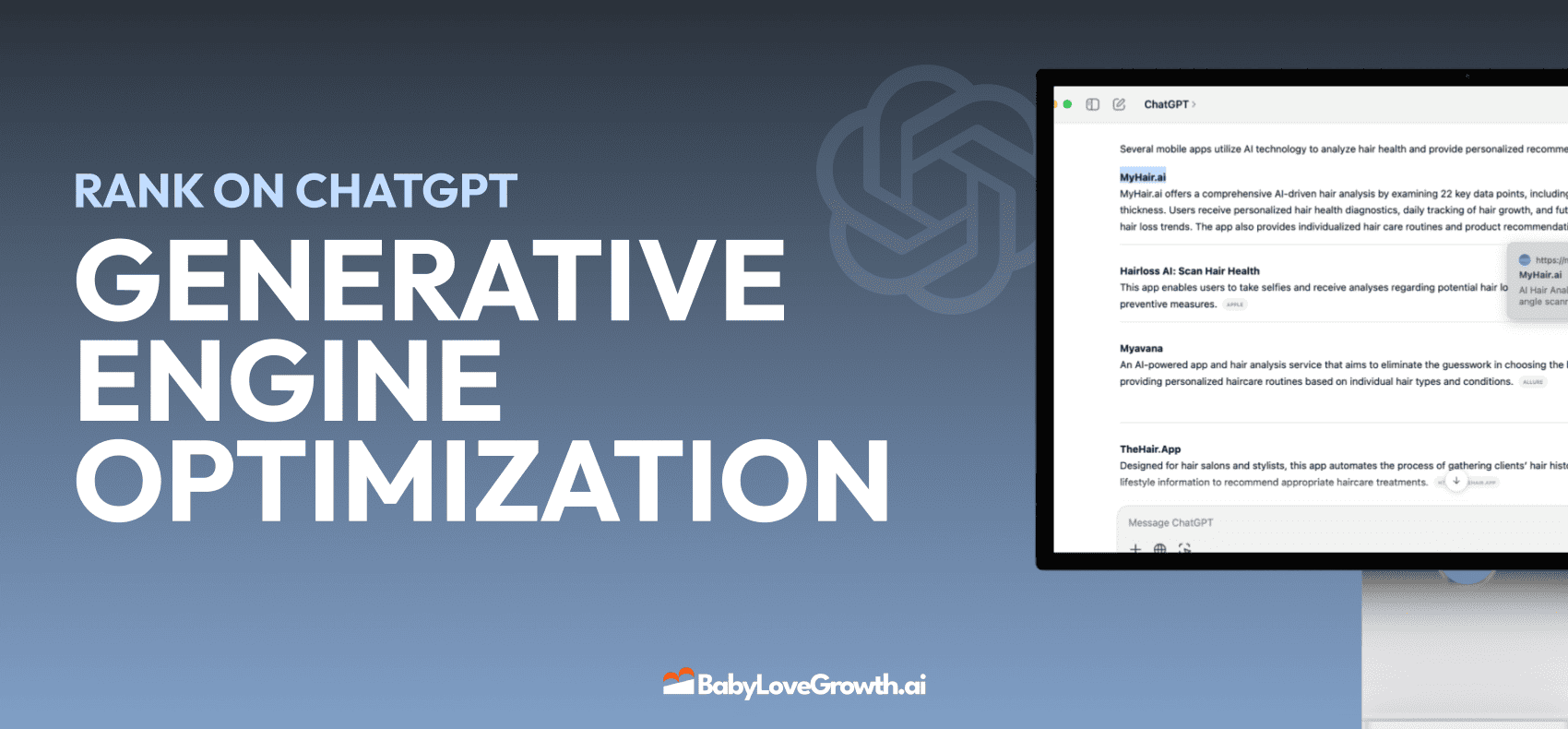
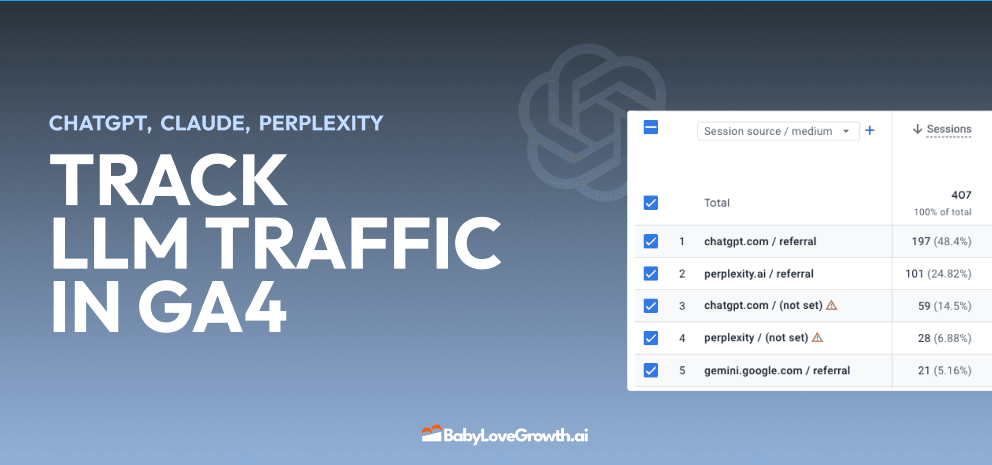
Structured data also prepares your content for next-generation search experiences. As AI-powered search engines like ChatGPT, Claude, and Perplexity become more prevalent, they rely heavily on structured data to understand content accurately. Websites with comprehensive schema markup will be better represented in these emerging search platforms than those relying solely on traditional keyword content.
Getting structured data right now positions your clients ahead of competitors who haven't implemented it yet. As search engines increasingly reward semantic clarity, this becomes a competitive advantage.
Implementation requires technical knowledge, but tools simplify the process significantly. Google's Structured Data Markup Helper guides you through adding basic schema to your pages. More sophisticated implementations use automated systems that scan your content and generate appropriate schema markup. Many content management systems like WordPress offer plugins that generate schema automatically when you fill out simple fields.
Validating your structured data after implementation is crucial. Google Search Console includes a Rich Results test that checks whether your markup is correct and eligible for rich snippets. Errors in your schema markup prevent search engines from using it properly, so validation ensures your effort translates to actual SERP improvements.
The relationship between structured data and traditional SEO is complementary rather than competitive. Excellent keyword optimization combined with proper structured data implementation creates compound benefits. Your content ranks for the right keywords while your rich snippets generate higher click-through rates than competitors using the same keywords without structured data.
Pro tip: Start implementing structured data for your highest-traffic content pages and those targeting rich snippet opportunities like products, articles, and local business listings, then expand to comprehensive schema implementation across your entire site as you develop internal processes and tools.
Below is a comprehensive table summarizing the article's main strategies and considerations for effective SEO methodology.
Unlock Scalable SEO Growth with AI-Driven Automation
If you are striving to master the complexities of on-page SEO, technical audits, quality backlink building, and local targeting discussed in "7 Key Types of SEO Strategies for Scalable Growth" you understand how challenging it is to scale these efforts manually. Common pain points include spending too much time on keyword research, missing optimization gaps, struggling to maintain content quality across multiple clients, and lacking efficient ways to manage structured data and backlink networks. These challenges can stall your organic traffic growth and limit your ability to compete in today’s AI-powered search landscape.
Babylovegrowth.ai offers a powerful solution that addresses these exact needs by automating routine but critical SEO tasks with intelligent tools for keyword discovery, content planning, and technical audits. Our platform helps you implement strategic content optimization techniques, build authoritative backlinks through trusted link building strategies, and leverage automatic structured data markup to boost your listings in Google and emerging AI search engines. Take control of your growth with streamlined workflows designed for digital marketing agencies and SEO professionals ready to scale without burning out.
Experience the difference that consistent, scalable, and AI-powered SEO strategies can make to your organic traffic and search rankings. Start transforming your SEO approach at Babylovegrowth.ai and turn your content into a powerful growth engine today.
Frequently Asked Questions
What are the key types of SEO strategies for scalable growth?
The key types of SEO strategies include On-Page SEO, Technical SEO, Off-Page SEO, Local SEO, and AI-Driven SEO Automation. Focus on integrating these strategies to create a comprehensive approach that enhances visibility and traffic.
How can I improve my On-Page SEO for better scalability?
To enhance your On-Page SEO, prioritize keyword optimization, quality content, and structured meta tags. Aim to optimize your content within 30 days by ensuring keywords are naturally integrated throughout your headings and body text.
What role does Technical SEO play in scalable growth strategies?
Technical SEO ensures that search engines can effectively crawl and index your site, which is crucial for visibility. Regularly audit your website's performance metrics and address crawlability issues to improve your indexing speed and site ranking.
How do I effectively implement Local SEO for my business?
Start by optimizing your Google Business Profile and ensuring consistent citations across local directories. Update your business information and aim to gather at least 10 recent reviews to boost your local search rankings within 45 days.
What is AI-Driven SEO automation, and how can it benefit my strategy?
AI-Driven SEO automation utilizes machine learning to perform tasks like keyword research and content optimization quickly and efficiently. Implement these tools to reclaim hours of manual labor each week and focus more on strategy and high-value creative work.
How can I measure the effectiveness of my SEO strategies over time?
Track key metrics such as organic traffic, conversion rates, and engagement levels to assess your SEO strategies. Regularly analyze these metrics every month to identify which content performs best and optimize your efforts accordingly.