SEO Trends in 2025: Shaping AI-Driven Success


SEO professionals know the old playbook is out of date. In 2025, AI Overviews dominate search results, shifting content visibility from blue link rankings to appearing in AI-generated summaries. Clients count on you to guide multi-brand strategies that adapt to search engines like Google, ChatGPT, and Claude. This article spotlights the trends and actionable tactics that will keep your agency ahead as AI systems reshape what wins in search.
Table of Contents
- Defining SEO Trends For 2025 And Why They Matter
- The Impact Of AI And Generative Search Engines
- Adapting Content For Intent And Personalization
- Cross-Platform SEO And Multichannel Visibility
- Risks, Mistakes, And Winning Strategies For 2025
Key Takeaways
| Point | Details |
|---|---|
| SEO Strategies Must Adapt for AI | Content visibility now relies on appearing in AI summaries rather than traditional ranking alone, necessitating a strategy reevaluation. |
| User Intent is Critical | Understand user motivations and tailor content to provide precise answers, as keyword matching is no longer enough to capture search traffic. |
| Embrace Multichannel Visibility | Brands must ensure visibility across various platforms, not just Google, to engage users effectively throughout their decision-making journey. |
| Focus on Conversion Metrics | Shift focus from traffic and rankings to measuring conversions and true ROI, as clients seek results that drive business outcomes. |
Defining SEO Trends for 2025 and Why They Matter
SEO trends in 2025 aren't abstract concepts floating in the digital ether. They're shifts in how search engines operate, how users behave, and what content actually gets visibility. If you're managing SEO for multiple clients, understanding these trends isn't optional—it's survival.
The search landscape has fundamentally transformed. AI Overviews dominate search results, providing summarized AI-generated answers directly at the top of Google. This means traditional blue link rankings alone don't guarantee traffic anymore. Users get their answer without clicking, which flattens click-through rates across the board.
This shift requires a complete strategy reset:
- Content visibility now depends on appearing in AI summaries, not just ranking positions
- User intent has changed—many search sessions end with the overview, not a website visit
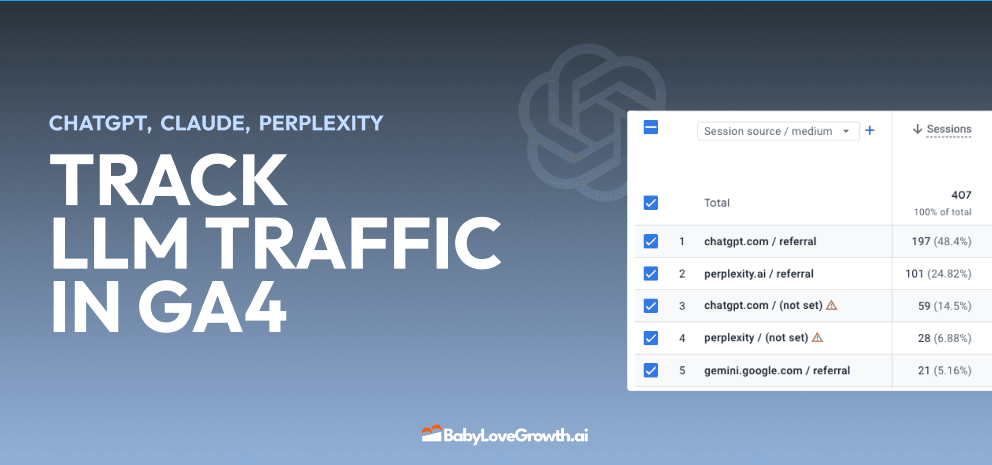
- Optimization targets expanded beyond Google to include AI-driven search engines like ChatGPT, Claude, and Perplexity
- Competition intensified as agencies and brands scramble to adapt their tactics
Why do these trends matter? Because client campaigns built on 2020 SEO logic fail in 2025. Brands that optimize only for traditional ranking factors lose visibility when AI systems pull content for summaries. The agencies that win are those positioning content to appear in AI overviews while building authority across emerging AI search platforms.
Understanding why SEO trends shift helps you predict the next wave and position clients ahead of competitors.
These trends also connect to broader patterns. When ranking factors evolve, the entire optimization playbook changes. Content strategy, technical SEO, link building—everything realigns to match how search actually works today.
For agencies, this means constant learning. The trends that define 2025 success inform which tools you recommend, which strategies you pitch, and how you measure ROI. Clients aren't paying you to maintain yesterday's tactics. They're paying for the competitive edge that comes from understanding tomorrow's search environment.
Pro tip: Map your current client campaigns against AI overview optimization requirements—identify gaps in content visibility early, then create an adaptation roadmap before your competitors do.
Here's a summary of how SEO focus areas have shifted in 2025:
| Focus Area | 2020 Approach | 2025 Approach |
|---|---|---|
| Keyword Strategy | Exact-match targeting | User intent and context |
| Content Visibility | Ranking for blue links | Appearing in AI summaries |
| Optimization Targets | Mainly Google | Multiplatform, including AI engines |
| Authority Signals | Backlink-centric | Third-party and media validation |
| Success Measurement | Traffic and rankings | Conversions and omnichannel ROI |
The Impact of AI and Generative Search Engines
Generative AI search engines like ChatGPT, Claude, and Perplexity aren't just new platforms—they're fundamentally reshaping how organic visibility works. For agencies managing multiple client accounts, this shift demands immediate strategic attention.

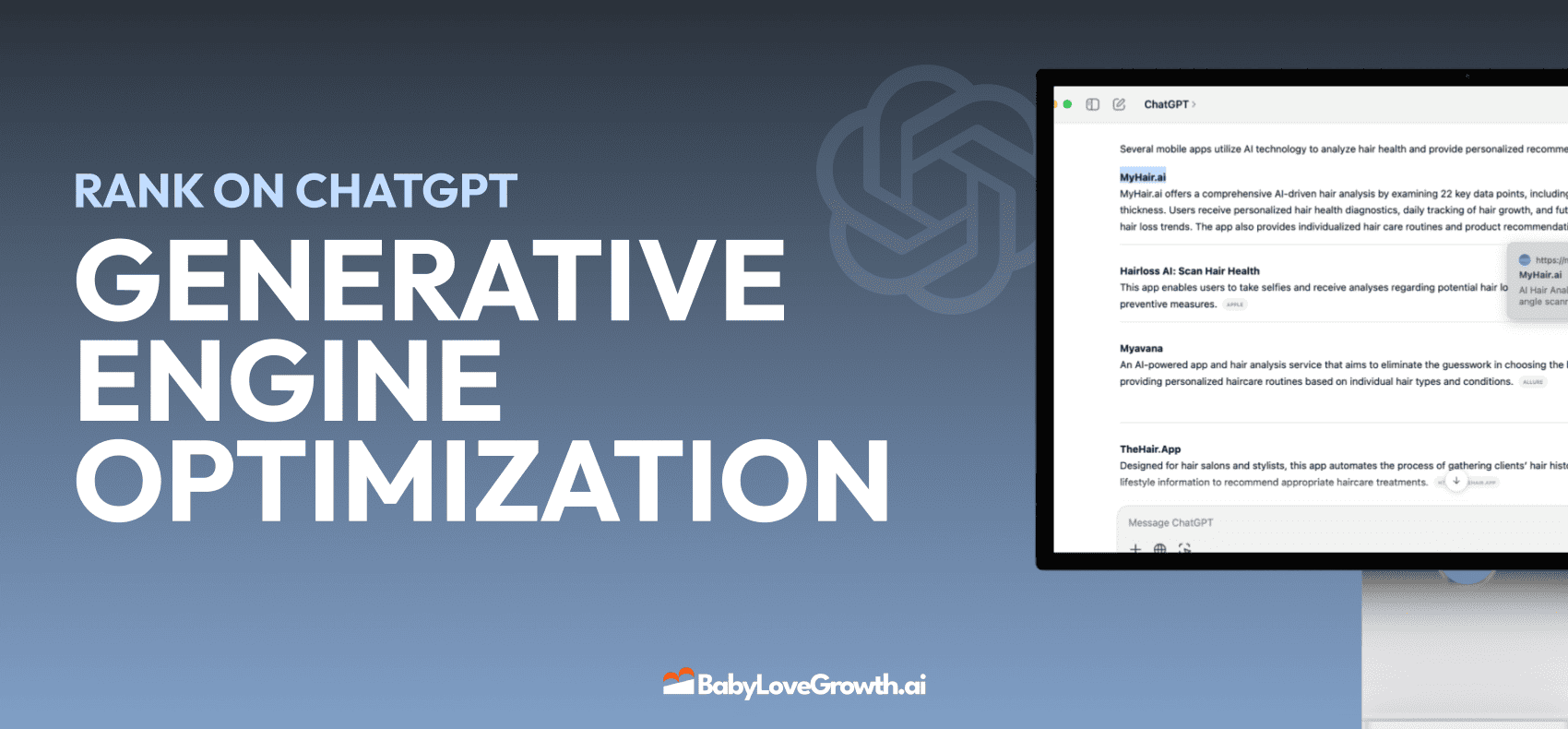
Traditional SEO optimized for Google's ten blue links. Generative AI search engines work differently. They synthesize information from multiple sources, then present a single AI-generated answer to users. This creates a completely new optimization challenge that researchers call Generative Engine Optimization, or GEO.
Here's what changes:
- Content visibility depends on being selected as a source for AI summaries, not ranking position
- Authority signals matter more—AI engines favor established, third-party sources over self-promotional content
- Machine-readable content becomes critical for AI systems to properly extract and attribute information
- User behavior shifts as people interact with conversational AI instead of clicking traditional search results
- Multi-platform optimization now extends beyond Google to include ChatGPT, Claude, Perplexity, and emerging AI search tools
The impact on your client campaigns is substantial. AI's disruptive role in SEO forces agencies to rethink keyword strategies, content formats, and authority-building tactics entirely. Brands optimized only for traditional ranking factors lose visibility when AI systems pull information from competitors instead.
AI search engines reward authoritative, transparent content backed by earned media—not aggressive self-promotion or keyword stuffing.
This transition also creates an opportunity window. Early agencies that adapt client strategies toward AI search visibility gain competitive advantage before the market saturates. Late movers struggle to regain ground.
Your role shifts from "rank this page for this keyword" to "make this content indispensable for AI systems to cite." That requires rethinking everything from content structure to link-building strategy to how you measure success.
Pro tip: Audit your client websites for machine-readable markup and authoritative source signals—these are the factors AI engines prioritize when selecting content to cite in generated answers.
Adapting Content for Intent and Personalization
Keyword matching is dead. Your clients need content that anticipates what users actually want, not just what they type into a search bar. This shift toward user intent separates agencies winning in 2025 from those still stuck in 2015.
Traditional SEO treated every search query as a literal request. "Best running shoes" meant ranking pages about running shoes. But actual user intent is messier. Someone searching "best running shoes" might want recommendations, comparisons, reviews, or sizing guides depending on their stage in the buying journey.
AI integration prioritizes user intent over keyword matching, which means your content strategy must account for this shift. AI systems understand context, motivation, and nuance that traditional algorithms missed.Here's what this means for your client campaigns:
- Query motivation varies—some users want to learn, others want to buy, others want to compare
- Content format must match intent—blog posts answer questions, product pages close sales, guides build authority
- Personalization signals matter—location, device, search history, and behavioral patterns shape results
- Voice search changes intent patterns—conversational queries reveal different needs than text searches
- Zero-click searches demand content that satisfies within the SERP itself
Personalization adds another layer. Search results aren't universal anymore. Two people searching the same query from different locations or devices see different results. Your content must be discoverable across these variations.
Content wins in 2025 when it answers the question behind the question, not just the words in the search box.
This requires deeper audience research. You need to understand your client's customer psychology, not just keywords. What problems are they solving? What hesitations do they have? What information do they need at each stage?
Then structure content accordingly. Blog posts should anticipate objections. Product pages should address specific use cases. Guides should target different skill levels within the same topic.
The technical side matters too. How you structure data, markup intent signals, and organize internal linking all feed AI systems signals about what your content addresses and for whom.
Pro tip: Map your client's content against the full customer journey for each major intent type, then identify content gaps where AI systems currently pull answers from competitors.
Cross-Platform SEO and Multichannel Visibility
Google rankings alone don't cut it anymore. Your clients need visibility everywhere their audience searches—Google, ChatGPT, Reddit, TikTok, Amazon, and beyond. This fragmentation demands a completely different SEO strategy.
Traditional SEO focused on one platform: Google's search results. Today's audience splits across dozens of discovery channels. Someone researching a product might search on Google, ask ChatGPT, scroll TikTok reviews, check Amazon ratings, and read Reddit discussions—all in the same decision journey.
Cross-channel brand visibility requires synchronized content strategies across these fragmented platforms. You can't just publish a blog post and hope it ranks anymore.Here's what multichannel visibility demands:
- Platform-specific optimization for Google, AI chatbots, social media, and review sites
- Consistent entity presence so the same brand appears trustworthy across all channels
- Content repurposing that transforms one piece into multiple platform-native formats
- Structured data markup that helps diverse systems understand and surface your content
- Authority building across platforms, not just backlinks to your domain
Visibility in 2025 means being discoverable everywhere your audience searches, not just hoping they find you on Google.
This requires new workflows. Content teams must collaborate across departments. Marketing coordinates with product, customer service, and social teams. A single customer inquiry might generate content for an AI-optimized answer page, a TikTok video, a Reddit discussion response, and an Amazon product description.
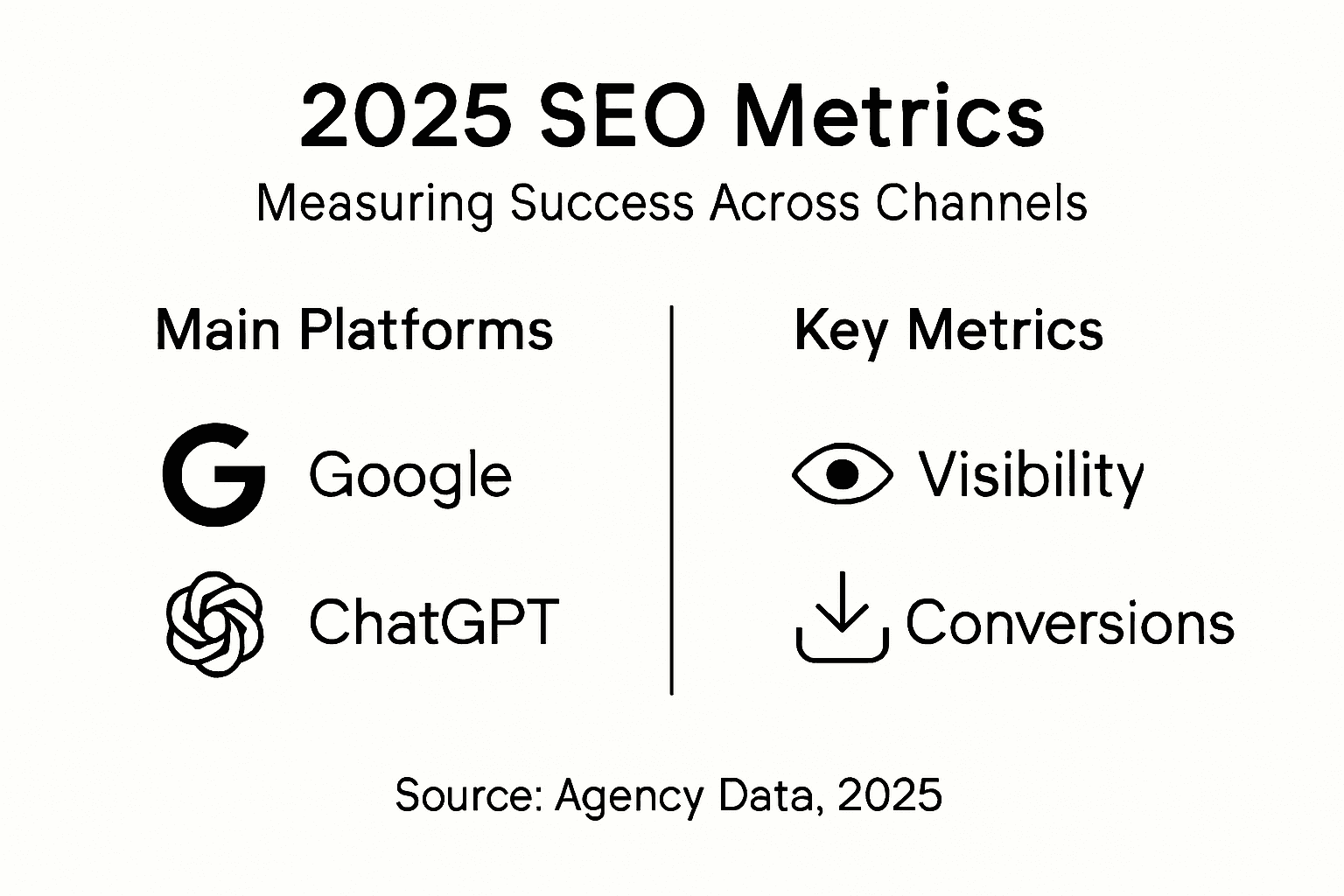
Metrics change too. You can't track success with just Google Analytics. You need dashboards showing visibility across ChatGPT, Google, Reddit, social platforms, and industry-specific channels. Attribution becomes messier but more revealing.
The good news? Most competitors aren't doing this yet. Agencies that implement multichannel strategies now gain significant advantage before the market saturates.
Pro tip: Create a "channel mapping" for each client showing which platforms their audience uses, then audit current visibility on each platform—identify the quick wins where your content can appear today.
Risks, Mistakes, and Winning Strategies for 2025
Plan poorly, and your client campaigns fail in months. The competitive landscape in 2025 punishes outdated tactics and rewards agencies that anticipate change. Understanding common mistakes separates winners from the rest.
The biggest risk? Unclear SEO planning. Agencies that chase trends without strategy lose focus quickly. You need a documented roadmap showing what you're optimizing for, why, and how you'll measure success. Vague objectives lead to wasted budgets.
Misunderstanding target audiences ranks second. You can't optimize for keywords if you don't know what your client's audience actually needs. Too many agencies start with keyword research and skip audience research entirely. That's backward.
Common SEO mistakes in 2025 include ignoring local SEO, failing to adapt to algorithm updates, and neglecting E-E-A-T principles. These aren't new problems—they're persistent blindspots agencies keep making.Here are the mistakes that tank campaigns:
- Skipping content quality for keyword density—Google rewards substance, not keyword manipulation
- Ignoring algorithm updates and hoping old tactics still work—they don't
- Treating SEO as a one-channel game—visibility requires multichannel strategies
- Focusing on vanity metrics instead of conversions—traffic without conversions wastes client money
- Failing to audit regularly—technical debt accumulates silently
Winning strategies flip this. Start with audience research, not keywords. Understand their problems, questions, and decision journey. Then build content around actual user needs, not search volume.
The agencies winning in 2025 obsess over conversion metrics, not traffic rankings.
Second, implement continuous learning into your process. Algorithm changes happen constantly. Set aside time weekly to track updates, test changes, and adapt client strategies accordingly. The agencies that react fastest gain advantage.
Third, embrace regular audits as preventive medicine. Monthly technical audits catch issues before they crater rankings. Content audits reveal gaps where AI systems currently pull answers from competitors.
Fourth, measure what matters. Traffic means nothing without conversions. Build reporting dashboards that show how SEO drives actual business outcomes—leads, sales, revenue. That's what clients care about, and it's how you justify continued investment.
The winning agencies in 2025 aren't the ones with the most clients. They're the ones delivering measurable results through disciplined strategy, continuous adaptation, and multichannel execution.
Pro tip: Create a monthly "SEO health checklist" for each client covering technical audits, content quality reviews, algorithm tracking, and conversion performance—this prevents costly mistakes before they happen.
Use this table to compare common campaign mistakes and winning strategies for 2025:
| Pitfall | Consequence | Proactive Strategy |
|---|---|---|
| Unclear SEO planning | Wasted budget, low results | Set measurable objectives |
| Ignoring updates | Rapid ranking losses | Monitor and adapt weekly |
| One-channel focus | Missed audience touchpoints | Diversify across platforms |
| Content gaps | Competitors own search answers | Regular content and technical audits |
| Traffic-only reporting | Low client retention | Track conversions and true ROI |
Elevate Your SEO Strategy for the AI-Driven Future Today
The shift toward AI-powered search engines like ChatGPT and Perplexity presents a critical challenge for agencies and brands aiming to maintain visibility and drive real conversions. Traditional ranking tactics no longer guarantee success. If you want to future-proof your content and ensure it appears in AI overviews while capturing user intent across multiple platforms you need a solution built for this new landscape. Key pain points such as adapting to generative engine optimization, implementing machine-readable markup, and mastering multichannel visibility demand more than guesswork.
Babylovegrowth.ai delivers the automated tools and insights you need to overcome these challenges with confidence. From AI-powered keyword discovery to automated structured data markup and backlink building, our platform aligns your strategy with the latest trends highlighted in the article SEO Trends in 2025: Shaping AI-Driven Success. Experience scalable automation designed to maximize your brand's presence on Google and emerging AI search engines.
Take control of your SEO future and start transforming your client campaigns now.
Discover how to adapt your SEO strategy with AI-powered SEO tools that put you ahead of competitors. Explore proven ways to enhance your content planning and publishing for intent-driven search and secure your spot in AI-generated answers. Visit Babylovegrowth.ai to unlock the full potential of modern SEO and drive measurable growth today.
Frequently Asked Questions
What are the key SEO trends for 2025?
The key SEO trends for 2025 include optimizing for AI-generated search results, focusing on user intent over keyword matching, embracing multichannel visibility, and ensuring content is authoritative and machine-readable for AI systems.
How does user intent affect SEO strategies in 2025?
User intent affects SEO strategies by requiring content to align with the different motivations behind search queries. Instead of just targeting specific keywords, content must address the diverse needs and questions of users at various stages of their buying journey.
What is Generative Engine Optimization (GEO)?
Generative Engine Optimization (GEO) refers to the practice of optimizing content for generative AI search engines that synthesize information from multiple sources to provide direct answers, shifting focus from traditional ranking strategies to how content is selected for AI summaries.
How can agencies build authority in a multichannel SEO landscape?
Agencies can build authority in a multichannel landscape by ensuring consistent branding across various platforms, repurposing content for different formats, utilizing structured data for better visibility, and focusing on earning media coverage instead of relying solely on backlinks.