Master SEO-Optimized Article Writing for Increased Visibility


Every SEO specialist faces the challenge of matching content with what users genuinely want, not just what they type into a search box. Staying ahead means understanding the AI-powered keyword research techniques that reveal semantic patterns and real intent behind every query. This guide highlights how leveraging intent classification and smart article structure can turn client content into visibility magnets that speak fluently to both human audiences and AI algorithms.
Table of Contents
- Step 1: Define Target Keywords And AI Search Intent
- Step 2: Structure Articles For Optimal SEO And Engagement
- Step 3: Craft Compelling, High-Ranking Content Sections
- Step 4: Integrate Automated Publishing And Backlink Strategies
- Step 5: Verify AI Search Visibility And Improve Rankings
Quick Summary
| Key Insight | Explanation |
|---|---|
| 1. Utilize AI for Keyword Research | Implement AI-driven tools to discover semantic keyword clusters and user intent variations. |
| 2. Focus on Article Structure | Ensure your article has a clear hierarchy and logical flow to enhance readability and SEO. |
| 3. Develop Engaging Content Sections | Craft content that answers user questions thoroughly while maintaining clarity and depth. |
| 4. Automate Publishing Workflows | Streamline content production with automation for efficiency in scheduling and quality control. |
| 5. Monitor AI Search Visibility | Regularly track and optimize content performance to enhance visibility across AI platforms. |
Step 1: Define target keywords and AI search intent
Defining precise target keywords and understanding AI search intent are foundational steps in creating content that ranks and resonates with your audience. This process transforms generic writing into strategic, visibility-driven material that attracts both human readers and AI search algorithms.
To effectively identify target keywords, start by leveraging AI-powered keyword research techniques that go beyond traditional volume metrics. These advanced approaches use natural language processing to uncover semantic relationships and user intent, providing deeper insights into what your audience truly seeks.
Begin your keyword research process with these strategic steps:
- Use AI-driven tools to discover semantic keyword clusters
- Analyze long-tail and question-based keyword variations
- Map keywords to specific user intent categories (informational, navigational, transactional)
- Examine search query patterns across different platforms
Understand that modern keyword research transcends simple volume tracking. User intent classification becomes paramount, requiring you to think like your audience and anticipate their precise information needs.
Effective keyword research reveals not just what people search, but why they search.
Key intent categories include:
- Informational intent: Users seeking knowledge or answers
- Navigational intent: Users looking for specific websites or resources
- Transactional intent: Users ready to purchase or take action
- Commercial investigation: Users comparing options before making decisions
Cross-reference your identified keywords with actual search behavior, looking for alignment between user questions and your content's ability to provide comprehensive answers.
Here's a summary of major AI search intent categories and their primary audience motivations:
| Intent Type | Description | Audience Motivation |
|---|---|---|
| Informational | Seeking knowledge or answers | Learn or solve problems |
| Navigational | Looking for specific resources | Find trusted sites |
| Transactional | Ready to purchase or take action | Complete a purchase |
| Commercial Investigation | Comparing options before deciding | Evaluate alternatives |
Pro tip: Regularly update your keyword strategy by monitoring emerging search trends and evolving user behaviors to maintain content relevance.
Step 2: Structure articles for optimal SEO and engagement
Creating an article with strategic structure is crucial for capturing both search engine algorithms and reader attention. Your goal is to design content that flows seamlessly while signaling clear information hierarchy to search platforms.

Begin by crafting SEO-friendly article architectures that prioritize readability and indexing potential. This means developing a clear hierarchy of headings, using strategic keyword placement, and organizing content to guide readers through a logical narrative flow.
Key structural elements for optimal SEO include:
- Create a compelling title containing primary keywords
- Use hierarchical headings (H1, H2, H3) strategically
- Break content into digestible paragraphs
- Incorporate internal and external links naturally
- Include multimedia elements for enhanced engagement
Your article's structure should follow a predictable yet engaging pattern:
- Craft an attention-grabbing introduction
- Present main content with clear subheadings
- Include supporting evidence and examples
- Conclude with actionable insights
Well-structured content reduces bounce rates and increases reader retention.
When developing your article, focus on creating semantic relationships between sections. This means ensuring that each paragraph and heading logically connects to surrounding content, providing a smooth reading experience that keeps both users and search algorithms engaged.
Important structural considerations:
- Keep paragraphs concise (3-4 sentences maximum)
- Use bullet points to break up dense information
- Ensure each section provides clear value
- Maintain a consistent tone and voice
Pro tip: Review your article's structure from a reader's perspective, ensuring each section flows naturally and provides immediate value without unnecessary complexity.
Step 3: Craft compelling, high-ranking content sections
Transforming your content from generic text to a magnet for search engine visibility requires strategic crafting of each section. Your ultimate goal is creating material that not only answers user questions but also signals expertise to search algorithms.
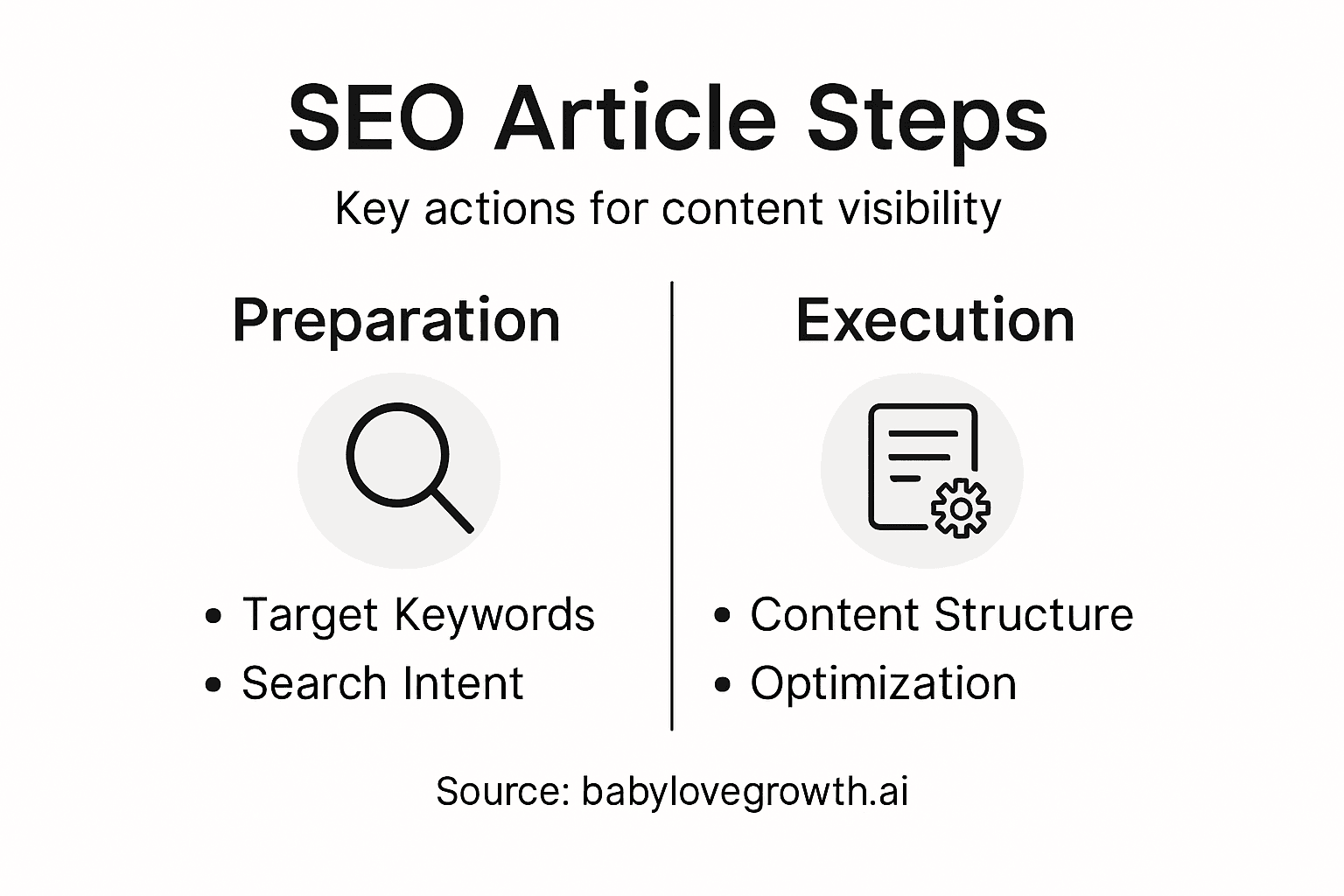
To achieve this, leverage high-ranking content techniques that go beyond surface-level writing. This means developing comprehensive sections that thoroughly address user intent while maintaining a clear, engaging narrative flow.
Key elements of compelling content sections include:
- Answer specific user questions comprehensively
- Use precise, targeted language
- Incorporate relevant keywords naturally
- Provide unique insights or perspectives
- Support claims with credible evidence
Your content section strategy should focus on these critical components:
- Start with a clear, problem-solving introduction
- Break down complex topics into digestible segments
- Use authoritative language and expert tone
- Include real-world examples and practical applications
Exceptional content sections solve problems and anticipate reader needs.
Content depth strategies:
- Research thoroughly before writing
- Understand your audience's knowledge level
- Address potential follow-up questions
- Create content that stands out from competitors
Each section should demonstrate expertise through depth and clarity. This means going beyond surface-level information and providing insights that truly help your readers solve problems or understand complex topics.
Pro tip: Regularly audit your content sections by asking: Would this information genuinely help someone searching for this topic?
Step 4: Integrate automated publishing and backlink strategies
Streamlining your content production and SEO performance requires a sophisticated approach to automated publishing and strategic backlink acquisition. Your objective is creating a seamless workflow that consistently delivers high-quality content while systematically building domain authority.
Implement modern publishing workflow strategies that leverage digital automation tools to enhance content management and distribution. This means developing a system that supports rapid content creation, quality control, and strategic link building.
Key components of an integrated publishing strategy include:
- Automate content scheduling
- Implement SEO optimization checks
- Set up systematic metadata management
- Create consistent publishing workflows
- Track content performance metrics
Your automated publishing workflow should address these critical stages:
- Content ideation and keyword research
- Automated quality and SEO screening
- Scheduled content publishing
- Performance tracking and optimization
Successful automation transforms content production from a manual process to a strategic, scalable system.
Backlink strategy elements:
- Target high-authority websites
- Create linkable, valuable content
- Develop relationship-based outreach
- Use digital PR techniques
- Monitor link quality and relevance
Successful integration means creating a symbiotic system of content creation and promotion that continuously improves your website's search visibility and domain authority.
Compare key benefits of automated publishing versus manual workflows:
| Aspect | Automated Publishing | Manual Workflow |
|---|---|---|
| Efficiency | High, saves time | Low, often repetitive |
| Consistency | Maintains schedule | Prone to delays |
| SEO Optimization | Automated checks | Manual effort needed |
| Scalability | Easily expanded | Difficult to scale |
Pro tip: Design your automation workflows with flexibility, allowing periodic human review to maintain content quality and strategic alignment.
Step 5: Verify AI search visibility and improve rankings
Ensuring your content achieves maximum visibility across AI search platforms requires a strategic, data-driven approach to monitoring and optimizing your digital presence. Your mission is to transform your content from merely existing to actively attracting and engaging potential readers through intelligent search performance tracking.
To achieve comprehensive visibility, track AI search performance systematically by implementing robust monitoring techniques that go beyond traditional search engine metrics. This means developing a nuanced understanding of how AI algorithms interpret and rank your content across different platforms.
Key visibility verification strategies include:
- Monitor AI search result placements
- Analyze AI content comprehension
- Track cross-platform performance
- Measure semantic relevance
- Assess user engagement signals
Your AI visibility optimization process should focus on these critical actions:
- Establish baseline performance metrics
- Conduct periodic content audits
- Refine content based on AI feedback
- Experiment with semantic variations
- Update content dynamically
Strategic visibility requires continuous learning and adaptive content refinement.
Performance tracking techniques:
- Use advanced analytics tools
- Compare AI platform rankings
- Identify content comprehension gaps
- Analyze user interaction patterns
- Benchmark against competitor content
Successful AI search visibility means creating intelligent, adaptive content ecosystems that evolve with algorithmic changes and user expectations.
Pro tip: Develop a flexible content strategy that prioritizes user intent and semantic depth over rigid keyword targeting.
Unlock Your Brand’s True Potential with AI-Optimized SEO Content
Mastering SEO-optimized article writing is essential to increase your digital visibility and outrank competitors in an AI-driven search landscape. Many businesses struggle with identifying precise target keywords, structuring content for both readers and AI, and scaling their publishing efforts efficiently. If you want to overcome these challenges and harness the full power of automated SEO strategies alongside high-quality backlinks and AI visibility tracking, expert support is critical.
At Babylovegrowth.ai, we specialize in transforming your content creation process by integrating advanced SEO techniques aligned with AI search intent. Our platform delivers daily SEO-optimized articles, automated publishing workflows, and real-time AI response tracking so you can dominate search rankings across ChatGPT, Google, and other AI engines. Take the first step toward elevating your brand’s presence by exploring how our automated content solutions and intelligent SEO strategies for AI help you stay ahead in this competitive digital environment today.
Frequently Asked Questions
How can I define target keywords for SEO-optimized article writing?
Identifying target keywords involves using keyword research techniques that reveal user intent and search patterns. Start by employing AI-driven tools to discover relevant semantic keyword clusters and how they align with your audience's needs.
What are the key user intent categories I should consider when writing articles?
The main user intent categories include informational, navigational, transactional, and commercial investigation. Understanding these categories will help you tailor your content to meet your audience's specific motivations effectively.
How do I structure my articles for better SEO and reader engagement?
Structure your articles by using a clear hierarchy of headings, breaking content into digestible sections, and including internal and external links. Aim for a logical flow that makes it easy for readers to follow, keeping paragraphs concise and informative.
What elements should I include in my content sections to ensure they rank well?
To craft high-ranking content sections, focus on answering user questions comprehensively, using relevant keywords naturally, and providing unique insights. Make sure to include credible evidence to support your claims, enhancing the authority of your content.
How can I streamline my content publishing process for SEO?
Automate your content publishing workflow by scheduling posts, implementing SEO optimization checks, and tracking performance metrics. For instance, establish a system that allows you to publish consistently while maintaining quality control, ultimately improving your search visibility over time.
What strategies should I use to monitor AI search visibility and improve my rankings?
Monitor your AI search performance by analyzing search result placements and assessing user engagement signals. Regularly audit your content and refine based on feedback to adapt to changing algorithms and better meet user intent.
Recommended
Smart SEO,
Faster Growth!
Most Read Articles
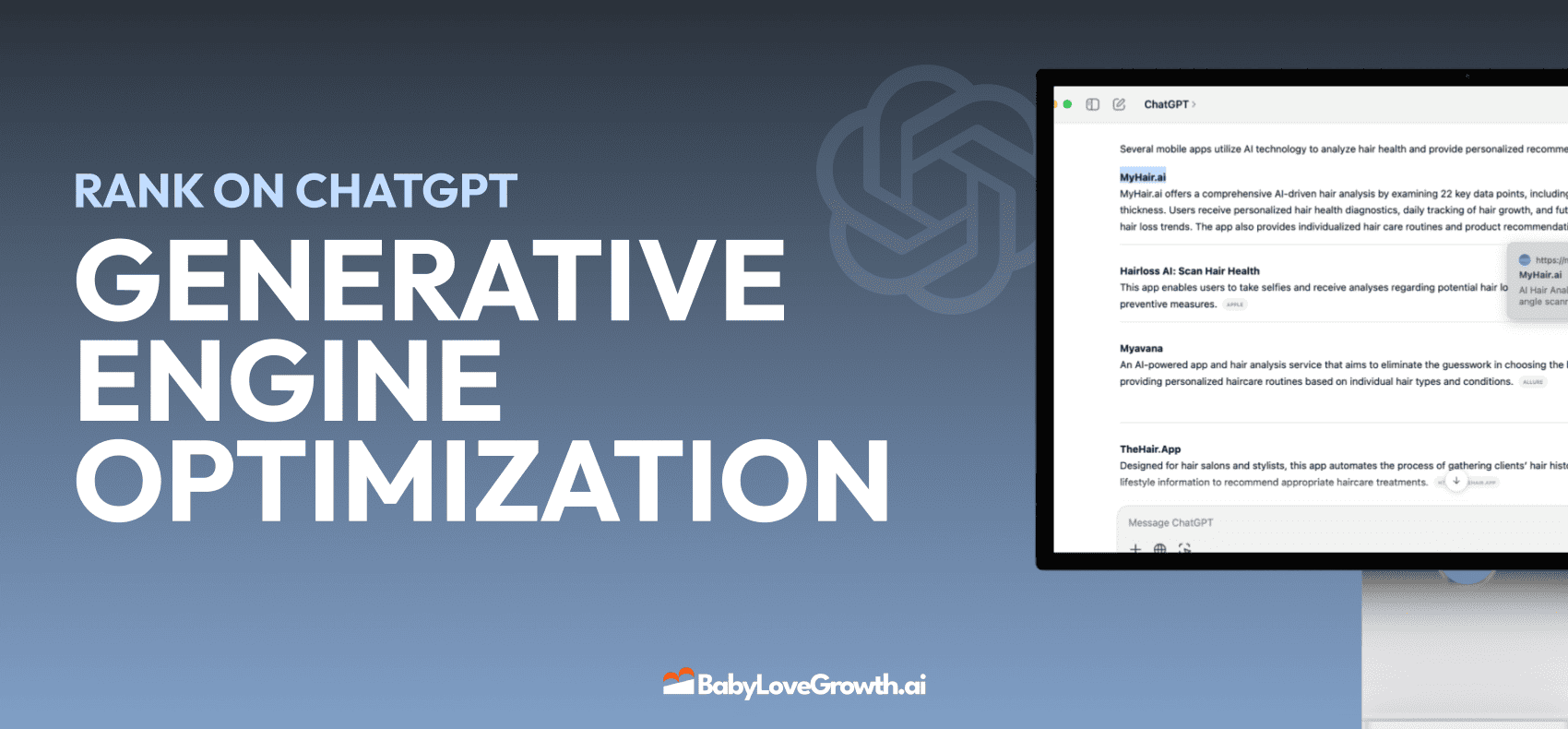
Generative Engine Optimization (GEO)
Learn how Generative Engine Optimization (GEO) helps your content rank in AI search engines like ChatGPT and Google AI. This comprehensive guide explains the differences between SEO and GEO, why it matters for your business, and practical steps to implement GEO strategies for better visibility in AI-generated responses.
DylenJan 18, 2025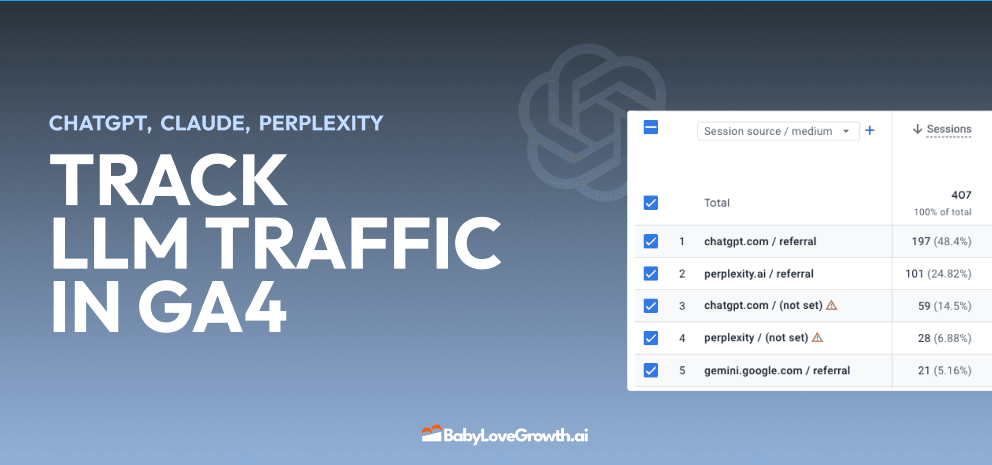
Track LLM Traffic in Google Analytics 4 (GA4)
Learn how to track and analyze traffic from AI sources like ChatGPT, Claude, Perplexity, and Google Gemini in Google Analytics 4. This step-by-step guide shows you how to set up custom filters to monitor AI-driven traffic and make data-driven decisions for your content strategy.
DylenMar 18, 2025
How to Humanize AI Text with Instructions
Learn practical techniques to make AI-generated content sound more natural and human. This guide covers active voice, direct addressing, concise writing, and other proven strategies to transform robotic text into engaging content.
DylenApril 7, 2025
Open AI Revenue and Statistics (2024)
Comprehensive analysis of OpenAI financial performance, user engagement, and market position in 2023. Discover key statistics including $20B valuation, $1B projected revenue, and 100M+ monthly active users.
DylenOctober 03, 2025