What Is SEO in Digital Marketing Today?


Over ninety percent of American businesses now rely on SEO to attract and engage customers online. In the crowded digital marketplace, standing out is no longer an option but a necessity. Effective search strategies can directly impact visibility, credibility, and sales for any organization. This guide breaks down what makes SEO so crucial in American digital marketing today, highlighting the key tactics and trends every business should know to elevate their online presence.
Table of Contents
- Defining SEO In Digital Marketing
- On-Page Vs. Off-Page SEO Explained
- How Search Engine Algorithms Influence SEO
- AI-Driven SEO And Automation Trends
- Common SEO Challenges And What To Avoid
Key Takeaways
| Point | Details |
|---|---|
| Importance of SEO | SEO is crucial for enhancing a website's visibility and driving targeted traffic through optimized content that aligns with search engine algorithms. |
| On-Page vs. Off-Page | Effective SEO strategies require a balance of on-page optimization (content quality, site structure) and off-page efforts (backlinks, social media signals) to build authority. |
| Algorithm Adaptation | Understanding and adapting to the evolving nature of search engine algorithms is essential for maintaining high search rankings and engaging audiences meaningfully. |
| AI-Driven Innovations | Embracing AI tools and automation in SEO can enhance content strategy, making it more responsive to user intent and search trends for better visibility. |
Defining SEO in Digital Marketing
Search Engine Optimization (SEO) represents a strategic approach in digital marketing focused on improving a website's visibility and organic search rankings. At its core, SEO involves deliberately optimizing digital content to rank higher on search engine results pages, ultimately driving more targeted traffic to a business's online platforms. Digital marketing strategies now fundamentally depend on understanding how search algorithms evaluate content.
The two primary optimization dimensions of SEO include on-page and off-page techniques. On-page optimization involves directly improving website elements like content quality, keyword relevance, metadata, and site structure. Off-page optimization focuses on external factors such as backlink quality, social media signals, and domain authority. These interconnected strategies work together to signal a website's credibility and relevance to search engines.
Modern SEO goes beyond simple keyword stuffing or technical manipulation. It demands a holistic approach that prioritizes user experience, content value, and genuine audience engagement. Successful digital marketers recognize that effective SEO marketing strategies require understanding user intent, creating high-quality content, and consistently adapting to evolving search engine algorithms. The goal is not just increased visibility, but meaningful connections with potential customers through strategic, user-centric digital marketing approaches.
On-Page vs. Off-Page SEO Explained
On-page and off-page SEO represent two fundamental strategies that work together to improve a website's search engine rankings. On-page SEO techniques focus on optimizing elements directly within a website's control, including content quality, HTML source code, site structure, and technical performance. These internal factors determine how search engines understand and evaluate a website's relevance and user experience.
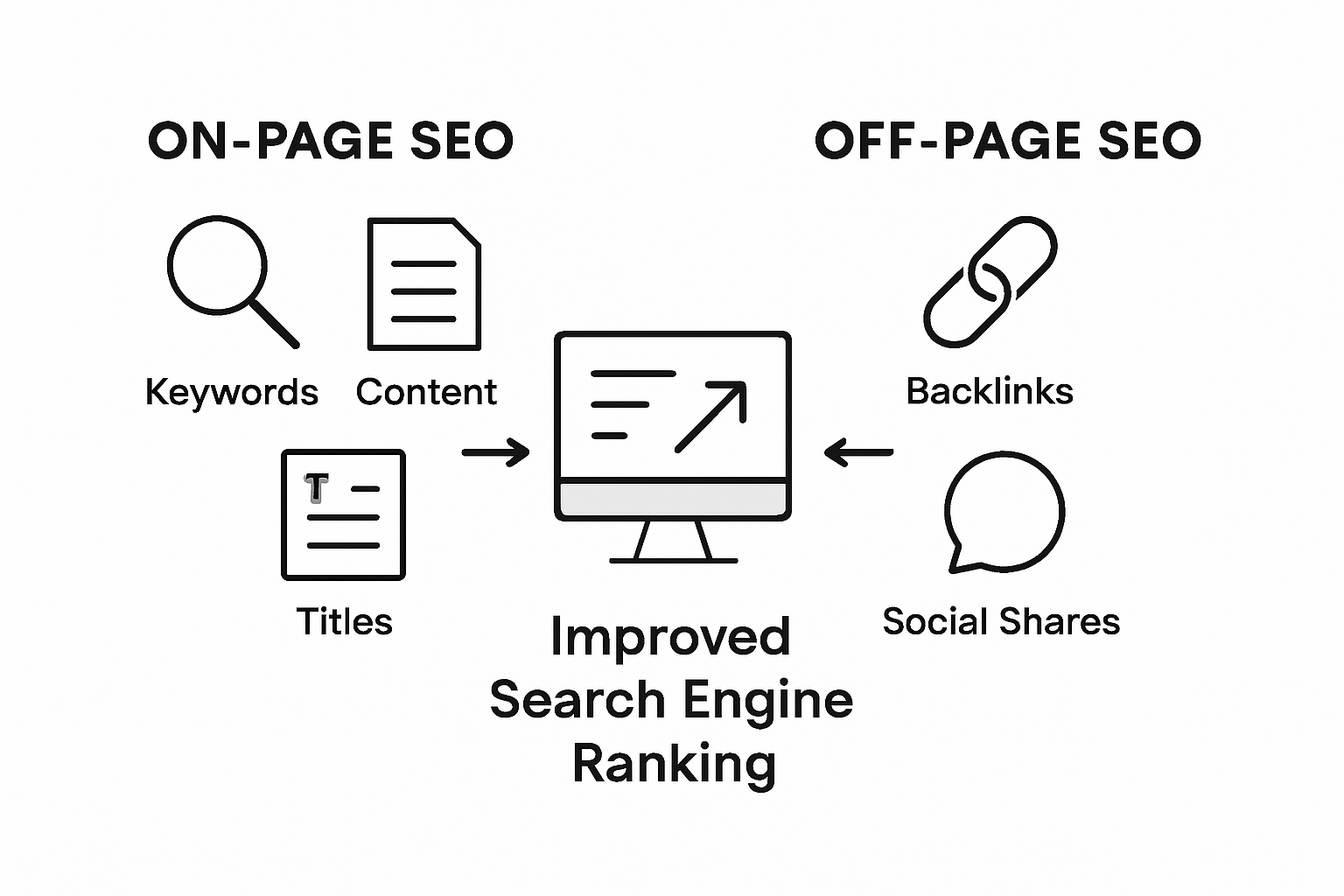
The core components of on-page SEO include strategic keyword placement, creating high-quality and original content, optimizing title tags and meta descriptions, improving page load speeds, and ensuring mobile responsiveness. Conversely, off-page SEO concentrates on external factors that build a website's authority and credibility. Off-page optimization strategies primarily involve building quality backlinks, increasing social media engagement, and establishing domain reputation through external signals that demonstrate the website's trustworthiness and relevance.

Successful digital marketing requires a balanced approach that integrates both on-page and off-page SEO techniques. While on-page optimization ensures search engines can effectively crawl and understand website content, off-page strategies help establish the site's authority and credibility within its industry. This holistic approach means digital marketers must consistently create valuable content, optimize technical elements, and develop a strong network of authoritative backlinks to achieve higher search engine rankings and drive meaningful organic traffic.
How Search Engine Algorithms Influence SEO
Search engine algorithms are complex mathematical systems that continuously evolve, dramatically reshaping the landscape of digital marketing and SEO strategies. Understanding search engine mechanics reveals how these intricate algorithms evaluate and rank web content based on hundreds of dynamic factors. In fact, major search engines like Google make thousands of algorithmic updates annually, with some reports indicating over 3,600 improvements in a single year, creating a constantly shifting environment for digital marketers.
The core objectives of search engine algorithms center on delivering the most relevant, high-quality, and user-friendly content to searchers. These algorithms analyze multiple signals including content quality, website authority, user engagement metrics, loading speed, mobile compatibility, and contextual relevance. Websites must adapt continuously to these complex evaluation criteria, which means developing content that not only meets technical requirements but also provides genuine value to users.
Modern search engine algorithms have become increasingly sophisticated, incorporating machine learning and artificial intelligence to understand user intent and content nuance. Digital marketers must recognize that algorithm updates are not just technical changes, but reflections of broader shifts in how people search, consume, and interact with online information. Success in SEO now demands a holistic approach that balances technical optimization, high-quality content creation, and a deep understanding of evolving user behaviors and search engine priorities.
AI-Driven SEO and Automation Trends
Generative Search Engine Optimization represents a transformative approach to digital marketing, where artificial intelligence fundamentally reshapes content creation and search visibility strategies. AI-powered SEO automation is rapidly evolving, introducing sophisticated multi-agent systems that can analyze, refine, and optimize content with unprecedented precision. The emergence of Generative Search Engine Optimization (GSEO) signals a critical shift from traditional ranked-based search to more intelligent, context-aware content discovery mechanisms.
The core of AI-driven SEO involves developing advanced strategies that go beyond conventional keyword optimization. Modern AI tools can now perform complex tasks such as content refinement through collaborative analyze-revise-evaluate workflows, generating high-quality, contextually relevant content that meets both user intent and search engine algorithms' increasingly sophisticated requirements. This approach demands a nuanced understanding of how large language models retrieve, summarize, and present information in response to user queries.
Businesses and digital marketers must adapt to these technological advancements by embracing AI-driven SEO tools that can automate content optimization, predict search trends, and generate data-driven insights. The future of SEO lies in creating intelligent, adaptive content strategies that leverage machine learning to understand user behavior, anticipate search intent, and dynamically adjust content to maintain maximum visibility in an ever-changing digital landscape.
Common SEO Challenges and What to Avoid
SEO implementation presents multiple intricate challenges that can significantly impact a website's search performance. SEO industry challenges reveal critical interconnections between front-end website design and on-page optimization strategies. Specifically, businesses frequently struggle with balancing technical website structure and content quality, understanding that effective search engine rankings depend on a holistic approach that addresses multiple optimization dimensions simultaneously.
The most prevalent SEO challenges include keyword optimization, link building, and maintaining ethical practices that avoid potential search engine penalties. Web developers and marketers must carefully navigate techniques like directory submissions and link exchanges, recognizing the fine line between strategic optimization and potential web spamming. Improper implementation can result in severe ranking penalties, making it crucial to understand and adhere to search engine guidelines that prioritize authentic, user-focused content over manipulative tactics.
Successful SEO strategies require continuous adaptation and a nuanced understanding of search engine algorithms. Businesses must avoid common pitfalls such as keyword stuffing, purchasing low-quality backlinks, duplicating content, and neglecting mobile optimization. Instead, digital marketers should focus on creating high-quality, original content, developing organic link-building relationships, ensuring technical website performance, and maintaining a user-centric approach that genuinely provides value to site visitors.
Unlock the True Power of SEO with AI-Driven Solutions
The article highlights the complex challenges in mastering SEO today including adapting to evolving search engine algorithms, balancing on-page and off-page strategies, and creating valuable user-focused content. If you feel overwhelmed by technical demands or struggle to consistently produce optimized content that drives organic traffic, you are not alone. Many marketers and business owners face these exact hurdles in building authentic digital presence while avoiding costly mistakes like keyword stuffing or poor backlink practices.
At Babylovegrowth.ai, we simplify these daunting SEO tasks through an intelligent SaaS platform built for your needs. Our AI-powered system automates high-quality content creation tailored for Google and ChatGPT ranking objectives. With a 30-day personalized content plan combined with a backlink exchange ecosystem, we help you stay ahead in the constantly shifting SEO landscape without the stress of manual management. Discover how a step-by-step SEO automation guide integrates smoothly with your digital marketing efforts to enhance organic growth and user engagement.
Take control of your SEO strategy today by visiting Babylovegrowth.ai. Start your free trial and experience firsthand how AI-driven automation and deep business analysis can elevate your search rankings and fuel sustainable digital growth. Don’t wait for the next algorithm update to challenge your online visibility—empower your marketing with intelligent SEO tools designed for the future.
Frequently Asked Questions
What is the primary goal of SEO in digital marketing?
The primary goal of SEO in digital marketing is to enhance a website's visibility and organic search rankings to attract more targeted traffic, ultimately fostering meaningful connections with potential customers.
What are the main components of on-page SEO?
The main components of on-page SEO include content quality, keyword relevance, title tags, meta descriptions, site structure, page load speeds, and mobile responsiveness, all of which help search engines understand a website's relevance and improve user experience.
How do off-page SEO strategies differ from on-page SEO?
Off-page SEO strategies focus on external factors that establish a website's authority and credibility, such as building quality backlinks, enhancing social media engagement, and increasing domain reputation, while on-page SEO involves optimizing content and technical elements within the website.
Why are search engine algorithms essential for SEO success?
Search engine algorithms are essential for SEO success because they determine how content is evaluated and ranked based on various factors. Understanding these algorithms helps digital marketers create content that meets search engines' quality and relevance criteria, ultimately improving search visibility.
Recommended
Smart SEO,
Faster Growth!
Most Read Articles
Generative Engine Optimization (GEO)
Learn how Generative Engine Optimization (GEO) helps your content rank in AI search engines like ChatGPT and Google AI. This comprehensive guide explains the differences between SEO and GEO, why it matters for your business, and practical steps to implement GEO strategies for better visibility in AI-generated responses.
DylenJan 18, 2025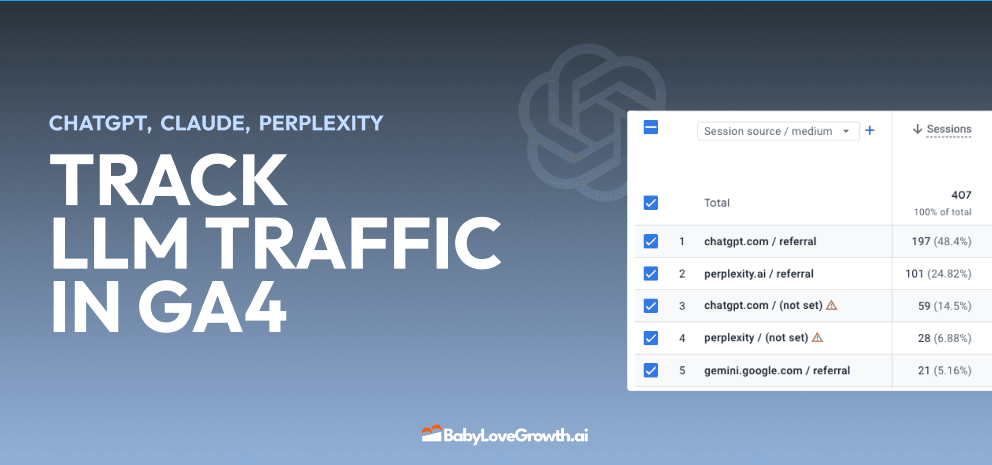
Track LLM Traffic in Google Analytics 4 (GA4)
Learn how to track and analyze traffic from AI sources like ChatGPT, Claude, Perplexity, and Google Gemini in Google Analytics 4. This step-by-step guide shows you how to set up custom filters to monitor AI-driven traffic and make data-driven decisions for your content strategy.
DylenMar 18, 2025
How to Humanize AI Text with Instructions
Learn practical techniques to make AI-generated content sound more natural and human. This guide covers active voice, direct addressing, concise writing, and other proven strategies to transform robotic text into engaging content.
DylenApril 7, 2025
Open AI Revenue and Statistics (2024)
Comprehensive analysis of OpenAI financial performance, user engagement, and market position in 2023. Discover key statistics including $20B valuation, $1B projected revenue, and 100M+ monthly active users.
DylenOctober 03, 2025