SEO Content Planning Process for Scalable Organic Growth


Over 60 percent of American businesses struggle to turn their content into real results. Knowing your audience is not just a marketing buzzword—it is the difference between guesswork and growth. If you want your American content strategy to work smarter, the path begins with understanding exactly who you are talking to and shaping every step around their needs. This guide outlines how to move beyond basics and build an audience-focused, data-driven content engine.
Table of Contents
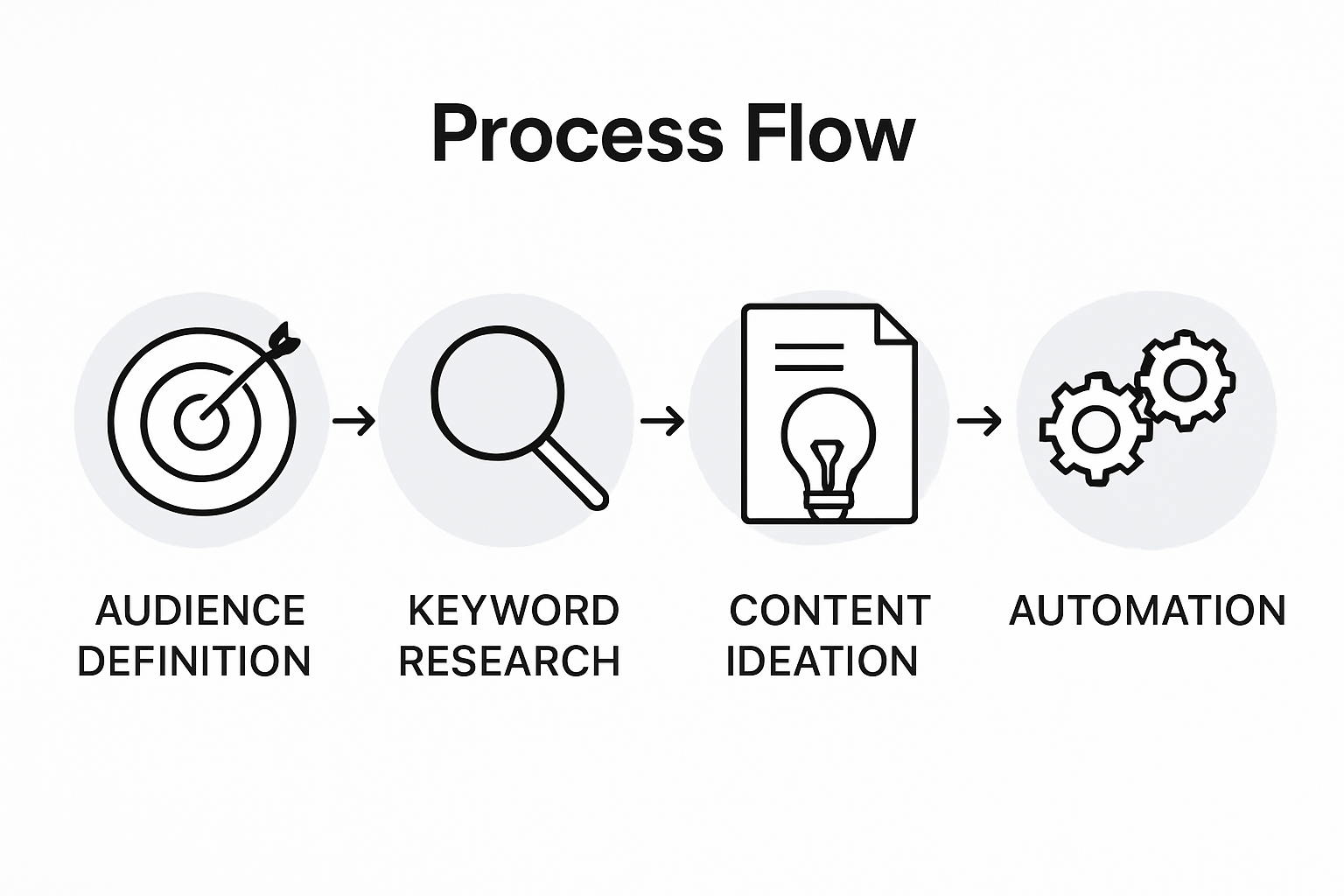
- Step 1: Define Target Audience And Content Goals
- Step 2: Identify And Prioritize High-Value Keywords
- Step 3: Develop AI-Driven Content Topics And Outlines
- Step 4: Automate Content Creation And Publishing Workflows
- Step 5: Monitor Performance And Optimize Content Strategy
Quick Summary
| Key Point | Explanation |
|---|---|
| 1. Define your target audience | Identify the demographic details and challenges of your ideal customers to tailor your messaging effectively. |
| 2. Prioritize high-value keywords | Focus on transactional keywords that signal buying intent to maximize conversion rates from your content. |
| 3. Create AI-driven content topics | Use data insights to develop engaging content topics that resonate with different audience segments' needs. |
| 4. Automate content workflows | Implement tools to streamline content creation and publication, ensuring quality while reducing manual tasks. |
| 5. Monitor and optimize performance | Regularly analyze content metrics to refine your strategy based on audience engagement and emerging trends. |
Step 1: Define target audience and content goals
Understanding who you want to reach is foundational to creating content that converts. Your target audience represents the specific group of people most likely to be interested in your product, service, or information. By developing a precise audience profile, you can craft messaging that speaks directly to their needs, challenges, and aspirations.
Start by mapping out detailed demographic characteristics like age range, income level, professional background, and geographic location. These specifics help you understand not just who your audience is, but how they think and what motivates them. For instance, a tech startup targeting small business owners might focus on professionals aged 35-50 with annual revenues between $250,000 and $1 million who are seeking efficiency and growth solutions.
Next, develop clear content goals that align with your audience's expectations. Are you aiming to educate, inspire, solve a specific problem, or drive a particular action? Your goals should directly connect with your audience's knowledge and cultural context, ensuring your content feels relevant and engaging. Each piece of content should have a measurable objective: generating leads, increasing brand awareness, or nurturing customer relationships.
Pro tip: Create a detailed audience persona document that goes beyond basic demographics. Include psychological profiles like pain points, aspirations, preferred communication channels, and content consumption habits. This living document will become your strategic compass for consistently targeted content creation.
With a clear audience and goals defined, you are now ready to move into content strategy development.
Step 2: Identify and prioritize high-value keywords
Keyword research is the strategic foundation of any successful SEO content plan. Your goal is to discover and prioritize search terms that not only drive traffic but also attract potential customers most likely to convert.

Begin by understanding that not all keywords are created equal. Effective keyword prioritization balances search volume with conversion potential, focusing on transactional keywords that signal high purchasing intent. Look for terms that demonstrate commercial motivation like "buy," "price," "best," or "review" which indicate a user closer to making a purchase decision.
Utilize both quantitative and qualitative research methods to build a comprehensive keyword strategy. Content optimization requires a nuanced approach to selecting search terms that enhance visibility and attract targeted prospects. Leverage tools like Google Keyword Planner, SEMrush, or our keyword gap analysis tool to uncover opportunities your competitors might have missed.
Pro tip: Create a keyword scoring system that considers factors beyond search volume such as relevance, competition difficulty, and potential conversion rate. This helps you objectively rank and prioritize your target keywords.
With your high value keywords identified, you are now prepared to develop a strategic content mapping approach.
Step 3: Develop AI-driven content topics and outlines
Generating compelling content topics requires a strategic approach that blends data driven insights with creative thinking. Your goal is to create a content roadmap that resonates with your target audience while addressing their specific needs and search intents.
Identifying influential themes within your audience's interest networks helps you discover potential content topics that will capture attention. Start by analyzing existing search patterns, customer questions, and industry trends to uncover gaps in current content offerings. This approach allows you to develop topics that not only attract traffic but provide genuine value to your readers. Designing content for diverse audience segments demands a nuanced understanding of how different groups consume and interpret information. Leverage AI tools like our AI-powered content generation platform to rapidly prototype and iterate topic ideas. Create content outlines that break down complex subjects into digestible sections, ensuring your material speaks directly to various audience knowledge levels and learning preferences.Pro tip: Develop a content topic scoring matrix that evaluates potential topics based on search volume, audience relevance, competitive landscape, and potential for driving meaningful engagement. This systematic approach transforms topic selection from guesswork into a strategic decision making process.
With your AI-driven content topics and outlines prepared, you are now ready to move into the content creation phase.
Step 4: Automate content creation and publishing workflows
Streamlining your content production process requires intelligent automation strategies that balance efficiency with quality. Your objective is to create a seamless workflow that reduces manual intervention while maintaining high standards of content relevance and engagement.
Developing a computational framework for content optimization allows you to systematically approach keyword integration and publishing schedules. Implement tools that can automatically map content topics to target keywords, generate initial drafts, and schedule publications across multiple platforms. This approach transforms your content strategy from a labor intensive process to a streamlined, data driven system. Analyzing publication trends and content normalization techniques provides insights into creating more intelligent automation workflows. Integrate AI tools that can assess content performance, automatically adjust publishing strategies, and identify emerging topics in real time. Utilize platforms that offer end to end workflow automation from initial research to final publication, ensuring consistent content quality and timely delivery.Pro tip: Build flexibility into your automation workflow. While AI can handle most content creation tasks, always maintain a human review process to ensure nuanced quality and brand alignment.
With your automated content creation and publishing workflows established, you are now prepared to scale your organic growth strategy.
Step 5: Monitor performance and optimize content strategy
Tracking your content's performance is crucial for continuous improvement and strategic refinement. Your goal is to develop a dynamic monitoring approach that provides actionable insights and enables data driven decision making.
Implementing a multi level computational framework for keyword optimization allows you to systematically analyze content performance across different metrics. Track key indicators like organic traffic, engagement rates, conversion percentages, and keyword rankings to understand how your content resonates with your target audience. Use advanced analytics tools that can provide granular insights into content effectiveness and highlight areas for strategic improvement.
Understanding audience perception and engagement through sophisticated data visualization helps you refine your content strategy with precision. Develop comprehensive dashboards that not only track performance metrics but also provide contextual understanding of how different audience segments interact with your content. Leverage our free GEO audit tool to gain additional geographical insights into your content's reach and impact.
Pro tip: Create a quarterly content performance review process. Compare current performance against previous benchmarks, identify emerging trends, and be prepared to pivot your strategy based on data driven insights.
With a robust performance monitoring system in place, you are now equipped to continuously optimize and evolve your organic growth strategy.
Unlock Scalable Organic Growth with AI-Powered SEO Solutions
Navigating the complexities of SEO content planning requires understanding your audience, targeting high-value keywords, and automating your content strategy effectively. This article highlights the essential steps to overcome challenges like keyword prioritization, content topic development, and workflow automation — all critical for driving measurable organic traffic growth. If you are striving to streamline your content creation and maximize visibility across Google and AI search platforms, then tailored automation and data-driven insights are key.
Experience how Babylovegrowth.ai transforms the SEO Content Planning Process for marketers, agencies, and business owners. With AI-powered keyword research, automated content creation, and seamless publishing integration, you gain the tools to boost rankings and scale organic visibility without manual overload. Don't wait to leverage intelligent workflows and proven strategies that connect you directly with your target audience. Explore our platform today and take the first step toward hassle-free, scalable organic growth by visiting Babylovegrowth.ai and learn more about our AI-driven content generation and keyword gap analysis tools.
Frequently Asked Questions
What is the first step in the SEO content planning process for scalable organic growth?
Start by defining your target audience and content goals. Create a detailed audience profile that includes demographics, pain points, and communication preferences to guide your content strategy.
How do I identify high-value keywords for my content?
Identify high-value keywords by conducting thorough keyword research that balances search volume with conversion potential. Focus on transactional keywords to attract users who are closer to making a purchase decision, and prioritize them based on their relevance and competitiveness.
What are AI-driven content topics, and how can I develop them?
AI-driven content topics are created by leveraging data insights and audience interests to generate relevant themes. Analyze existing search patterns and industry trends to brainstorm topic ideas, then create detailed outlines that cater to different audience segments.
How can I automate my content creation and publishing workflow?
Automate your content creation by implementing intelligent tools that streamline processes from topic mapping to publishing. Reduce manual tasks by using automation to generate drafts and schedule posts, while ensuring a human review process maintains quality.
Why is monitoring performance important in the SEO content planning process?
Monitoring performance is crucial to understand the effectiveness of your content strategy and make informed adjustments. Regularly track metrics like organic traffic and engagement rates, and conduct performance reviews to refine your approach based on real data.
What should I include in my content performance review process?
Include key performance indicators such as organic traffic, engagement rates, and conversion percentages in your review. Compare current data against past benchmarks to identify trends and areas for improvement, allowing for strategic pivots in your content strategy.
Recommended
- Best AI/LLM SEO Agency in New York for SaaS and Tech in 2025
- Best AI/LLM SEO Agency in Columbus for SaaS and Tech in 2025
- Best AI/LLM SEO Agency in Chicago for SaaS and Tech in 2025
- Best AI/LLM SEO Agency in Seattle for SaaS and Tech in 2025
Smart SEO,
Faster Growth!
Most Read Articles
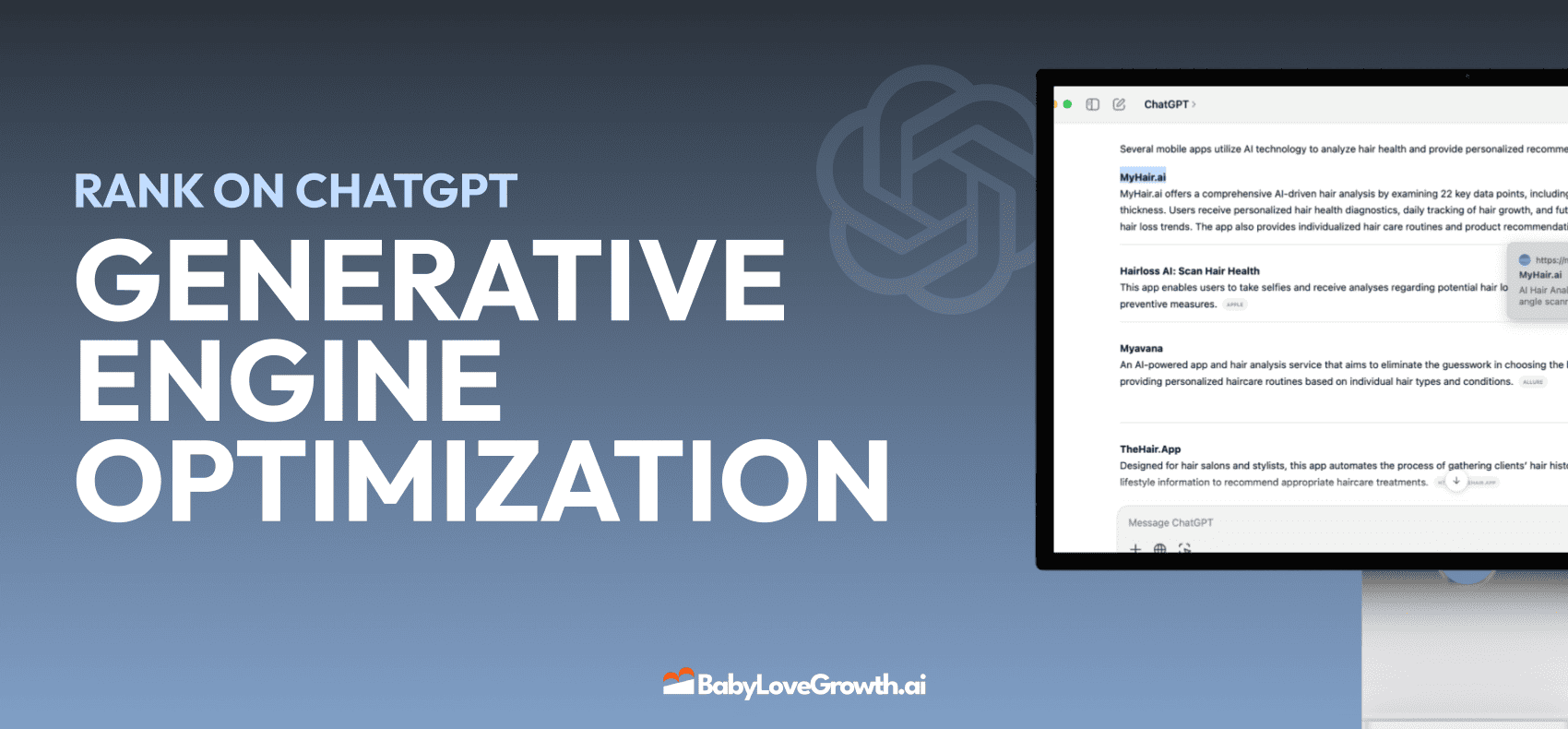
Generative Engine Optimization (GEO)
Learn how Generative Engine Optimization (GEO) helps your content rank in AI search engines like ChatGPT and Google AI. This comprehensive guide explains the differences between SEO and GEO, why it matters for your business, and practical steps to implement GEO strategies for better visibility in AI-generated responses.
DylenJan 18, 2025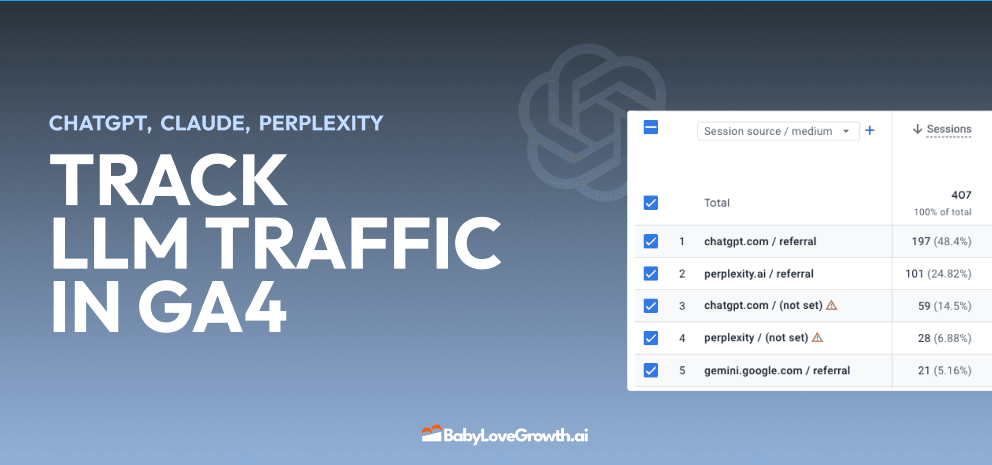
Track LLM Traffic in Google Analytics 4 (GA4)
Learn how to track and analyze traffic from AI sources like ChatGPT, Claude, Perplexity, and Google Gemini in Google Analytics 4. This step-by-step guide shows you how to set up custom filters to monitor AI-driven traffic and make data-driven decisions for your content strategy.
DylenMar 18, 2025
How to Humanize AI Text with Instructions
Learn practical techniques to make AI-generated content sound more natural and human. This guide covers active voice, direct addressing, concise writing, and other proven strategies to transform robotic text into engaging content.
DylenApril 7, 2025
Open AI Revenue and Statistics (2024)
Comprehensive analysis of OpenAI financial performance, user engagement, and market position in 2023. Discover key statistics including $20B valuation, $1B projected revenue, and 100M+ monthly active users.
DylenOctober 03, 2025