7 Steps SEO Best Practices Checklist for Agencies' Growth


Finding reliable ways to grow organic traffic and climb search rankings can feel like a moving target for digital marketing agencies. Search algorithms evolve, client expectations rise, and simple tactics no longer cut it. You need strategies that are precise, proven, and informed by the latest advancements in the field.
This list gives you a direct path to actionable insights you can use right away. You will discover practical solutions such as AI-powered keyword research, strategic on-page SEO, and data markup that actually helps search engines and AI make sense of your content—all backed by research on what works now. Each step is designed to help you attract the right audience, address technical challenges, and drive measurable results. Get ready to uncover the exact strategies that leading agencies are using to get ahead.
Table of Contents
- Conduct Targeted Keyword Research With AI Tools
- Optimize On-Page SEO Elements For Maximum Impact
- Structure Site Content With Automated Data Markup
- Create Internal And External Linking Strategies
- Build Quality Backlinks Using AI-Driven Methods
- Implement Technical SEO Audits And Fixes
- Monitor, Analyze, And Adjust With SEO Reporting Tools
Quick Summary
| Takeaway | Explanation |
|---|---|
| 1. Use AI for Keyword Research | Leverage AI tools for effective keyword analysis to uncover high-potential search terms and audience insights quickly. |
| 2. Optimize On-Page SEO Elements | Focus on critical on-page elements to improve visibility and user experience, ensuring your content ranks well with search engines. |
| 3. Implement Structured Data Markup | Use automated data markup to enhance search engine comprehension and improve content discoverability with rich results. |
| 4. Develop Strong Linking Strategies | Build effective internal and external linking strategies to enhance page authority and improve user navigation on your site. |
| 5. Conduct Regular Technical SEO Audits | Perform technical SEO audits to identify and resolve infrastructure issues that impact your site's performance and search visibility. |
1. Conduct Targeted Keyword Research With AI Tools
Keyword research is the cornerstone of effective SEO strategy for digital marketing agencies seeking sustainable organic growth. By leveraging AI-powered keyword discovery tools, agencies can uncover high-potential search terms that competitors might overlook.
AI technologies are transforming keyword research by automating semantic analysis of massive online content databases. These advanced tools go beyond traditional keyword matching to understand context, user intent, and semantic relationships between search terms.
Key advantages of AI-driven keyword research include:
- Faster identification of niche search opportunities
- Deeper understanding of audience search behaviors
- Comprehensive analysis of long-tail keyword variations
- Real-time insights into emerging search trends
- Precision targeting of specific audience segments
When conducting keyword research with AI tools, focus on metrics like:
- Search volume
- Keyword difficulty
- Click-through potential
- Semantic relevance
- Commercial intent
AI keyword research tools can reduce manual research time by up to 70%, allowing agencies to develop more strategic content approaches.
Successful agencies understand that keyword research is not just about volume but about matching user intent with high-quality, relevant content. AI tools help bridge this critical gap by providing nuanced, data-driven insights.
Pro tip: Combine AI keyword research with manual expert review to validate and refine your keyword strategy, ensuring a balanced approach that leverages both technological efficiency and human expertise.
2. Optimize On-Page SEO Elements for Maximum Impact
Optimizing on-page SEO elements is a critical strategy for digital marketing agencies aiming to improve website visibility and organic search rankings. On-page SEO factors directly influence how search engines understand and rank your content.
Successful on-page optimization requires a comprehensive approach that encompasses multiple website elements. Strategic optimization goes beyond simple keyword placement and involves creating a holistic user experience that search engines reward.
Key on-page SEO elements to focus on include:
- Meta title and description optimization
- Header tag hierarchy (H1, H2, H3)
- Content relevance and quality
- Internal linking structure
- Page load speed
- Mobile responsiveness
- Image alt text and optimization
When implementing on-page SEO strategies, agencies should prioritize:
- Crafting compelling, keyword-rich meta descriptions
- Creating structured, easy-to-read content
- Ensuring technical website performance
- Maintaining consistent content quality
- Implementing semantic HTML markup
On-page SEO is not about tricking search engines but about creating genuinely valuable content that serves user intent.
Agencies must continuously monitor and refine their on-page elements to stay competitive in rapidly evolving search landscapes. Holistic optimization requires ongoing analysis and adaptation.
Pro tip: Use advanced SEO tools to conduct regular content audits and identify opportunities for on-page optimization, ensuring your website remains aligned with the latest search engine algorithms.
3. Structure Site Content With Automated Data Markup
Automated data markup transforms how search engines and AI platforms interpret website content, providing a critical edge in digital visibility. Structured data markup helps search engines understand page content with remarkable precision.
Semantic markup creates a language that machines understand, bridging the communication gap between your website and search algorithms. By implementing structured data, you enable more intelligent content indexing and richer search result presentations.
Key benefits of automated data markup include:
- Enhanced search engine comprehension
- Increased likelihood of rich search results
- Improved content discoverability
- More accurate indexing
- Better user experience through precise information display
Agencies should implement structured data markup through:
- Identifying critical content elements
- Selecting appropriate schema.org vocabularies
- Implementing JSON-LD markup
- Validating markup using official testing tools
- Monitoring search performance changes
Automated structured data markup transforms your content from opaque text to a clear, machine-readable narrative.
Structured data is not just technical optimization but a strategic communication method with search platforms. Agencies that master this approach gain significant competitive advantages.
Pro tip: Regularly audit and update your structured data markup to ensure alignment with the latest schema.org standards and search engine guidelines.
4. Create Internal and External Linking Strategies
Linking strategies are fundamental to building a robust SEO ecosystem that enhances website authority and user navigation. Digital marketing agencies must develop sophisticated approaches to both internal and external linking to maximize search engine visibility.
Strategic linking serves multiple critical purposes beyond simply connecting web pages. It helps distribute page authority, improves user experience, and signals content relevance to search algorithms.
Key components of effective linking strategies include:
- Creating contextually relevant internal links
- Developing high-quality external backlink networks
- Maintaining a balanced link profile
- Ensuring natural link placement
- Avoiding manipulative linking practices
Agencies should implement linking strategies by:
- Conducting comprehensive content audits
- Identifying strategic internal linking opportunities
- Developing targeted external link acquisition plans
- Monitoring link quality and performance
- Continuously refining linking approaches
Intelligent linking is about creating meaningful connections that provide genuine value to users and search engines.
Link diversity and quality matter more than raw link quantity. Agencies must focus on building relationships and creating compelling content that naturally attracts high-quality links.
External backlink tactics represent a critical component of comprehensive SEO strategies that drive organic growth and domain authority.Pro tip: Implement a quarterly link audit to identify and remove toxic backlinks while continuously seeking opportunities to acquire high-quality, relevant links from authoritative websites.
5. Build Quality Backlinks Using AI-Driven Methods
Backlink building has evolved dramatically with the advent of artificial intelligence technologies. Automation in link building now enables digital marketing agencies to develop more strategic and efficient link acquisition strategies.
AI transforms traditional backlink approaches by analyzing complex data patterns and identifying high-quality link opportunities that human researchers might overlook. These advanced technologies can rapidly process millions of web pages and evaluate potential link sources with unprecedented precision.
Key advantages of AI-driven backlink strategies include:
- Faster prospect identification
- Enhanced link quality assessment
- Reduced manual research time
- More accurate domain authority evaluation
- Intelligent outreach optimization
Successful agencies implement AI backlink strategies through:
- Utilizing advanced link prospecting tools
- Conducting comprehensive competitor link analysis
- Automating initial outreach communications
- Tracking link acquisition performance
- Continuously refining targeting algorithms
Quality always trumps quantity in modern backlink acquisition strategies.
Strategic link building requires nuanced intelligence that goes beyond simple numerical metrics. AI enables agencies to develop more sophisticated, contextually relevant link networks that provide genuine value.
Pro tip: Combine AI-generated insights with human expertise by manually reviewing and validating potential backlink opportunities to ensure alignment with your brand's quality standards.
6. Implement Technical SEO Audits and Fixes
Technical SEO audits are the diagnostic backbone of maintaining a high-performing website that search engines can efficiently crawl and index. Technical SEO strategies enhance search visibility by identifying and resolving critical infrastructure issues that impact organic performance.
Comprehensive technical audits reveal hidden performance barriers that can significantly hinder a website's search ranking potential. These systematic evaluations go beyond surface-level metrics to uncover complex technical limitations.
Key technical SEO audit focus areas include:
- Website crawlability and indexing
- Page speed and performance
- Mobile responsiveness
- Secure socket layer (SSL) implementation
- Structured data markup
- Broken link detection
- Redirect chain management
Successful agencies approach technical SEO audits through:
- Comprehensive website scanning
- Identifying critical infrastructure issues
- Prioritizing performance improvements
- Implementing systematic fixes
- Tracking resolution impact
Technical SEO is not about perfection but continuous incremental improvement.
Advanced tools transform technical auditing by providing granular insights that manual reviews cannot match. Agencies must leverage AI and automated technologies to streamline these critical diagnostic processes.
Pro tip: Conduct monthly technical SEO audits and create a prioritized remediation roadmap, focusing on issues that deliver the most significant performance improvements.
7. Monitor, Analyze, and Adjust With SEO Reporting Tools
SEO reporting tools are the strategic compass that guides digital marketing agencies through the complex landscape of organic search performance. Monitoring SEO performance transforms raw data into actionable strategic insights.
Data-driven decision making separates successful agencies from those merely guessing at optimization strategies. Advanced reporting tools provide comprehensive visibility into website performance across multiple dimensions.
Key metrics agencies should track include:
- Organic search rankings
- Keyword performance trends
- Website traffic sources
- Conversion rate analytics
- User engagement metrics
- Competitor performance comparisons
- Search visibility scores
Effective SEO reporting requires systematic approaches:
- Establish baseline performance metrics
- Set clear performance benchmarks
- Implement regular monitoring schedules
- Create actionable reporting frameworks
- Develop adaptive optimization strategies
Intelligent reporting transforms data from a passive record into an active growth strategy.
Continuous analysis enables precision optimization by revealing subtle performance patterns that manual reviews might miss. Modern agencies leverage AI-powered tools to gain deeper, more nuanced insights.
Pro tip: Create monthly executive dashboards that translate complex SEO metrics into clear, actionable business insights for stakeholders.
Below is a comprehensive table summarizing the best practices and strategies discussed for managing SEO effectively based on the article.
| Strategy | Key Actions | Benefits |
|---|---|---|
| Conduct Targeted Keyword Research | Utilize AI-powered tools for semantic keyword analysis.<br>Focus on metrics like search volume, keyword difficulty, and commercial intent. | Discover high-potential keywords.<br>Reduce research time by up to 70%. |
| Optimize On-Page SEO Elements | Enhance meta titles and descriptions.<br>Improve content quality and create user-focused experiences.<br>Ensure technical performance aligns with SEO standards. | Higher search engine rankings.<br>Improved user experience. |
| Implement Automated Data Markup | Use structured data schemas such as JSON-LD.<br>Validate data with testing tools.<br>Monitor changes in search visibility. | Precise content indexing.<br>Increased likelihood of rich search results. |
| Develop Internal and External Linking Strategies | Establish relevant internal links.<br>Build high-quality backlinks.<br>Continuously monitor link profiles for quality assurance. | Enhanced site authority.<br>Improved navigation and user retention. |
| Use AI-Driven Backlink Methods | Automate link prospecting and outreach.<br>Analyze domain authority of link sources.<br>Refine strategies constantly with AI insights. | High-quality backlink acquisition.<br>Increased efficiency in link-building processes. |
| Conduct Technical SEO Audits | Scan for indexing and crawl errors.<br>Address technical infrastructure issues like page speed.<br>Ensure mobile responsiveness and SSL implementation. | Improved search engine crawlability.<br>Enhanced website performance. |
| Monitor SEO Performance With Reporting Tools | Track metrics like traffic sources and user engagement.<br>Set performance benchmarks.<br>Use insights for adaptive strategy optimization. | Data-driven decision-making.<br>Scalability and business alignment. |
Elevate Your Agency’s Growth with AI-Powered SEO Solutions
Implementing the "7 Steps SEO Best Practices Checklist for Agencies' Growth" can feel overwhelming. From conducting targeted keyword research and optimizing on-page elements to sophisticated link building and technical SEO audits, the challenges are clear. The need to reduce manual work while maintaining high-quality, strategic content and backlinks is critical for agencies striving to stay ahead in an ever-changing digital landscape.
Babylovegrowth.ai understands these pain points and offers an all-in-one AI-driven platform that automates essential SEO tasks like keyword discovery, content planning with 30-day content calendars, structured data markup, and intelligent backlink building. With our tools you gain speed, precision, and scalability—all designed to match the nuanced demands of your growing agency’s SEO strategy.

Ready to transform your SEO efforts and outpace competitors? Discover how Babylovegrowth.ai’s platform can streamline your workflow while delivering data-driven results. Harness AI-powered automation combined with expert insights to master your keyword research, backlink acquisition, and technical SEO audits today. Explore our automated backlink strategies and structured data markup tools now and take the vital next step toward sustainable organic growth.
Frequently Asked Questions
What are the essential steps in the SEO best practices checklist for agency growth?
The essential steps include conducting targeted keyword research, optimizing on-page SEO elements, structuring site content with automated data markup, creating internal and external linking strategies, building quality backlinks, implementing technical SEO audits, and monitoring performance with SEO reporting tools. Follow these steps systematically to enhance your agency's search visibility and organic growth.
How can I effectively conduct keyword research for my agency's SEO strategy?
To conduct effective keyword research, utilize AI-powered keyword discovery tools to identify high-potential search terms based on semantic analysis. Focus on metrics like search volume, keyword difficulty, and commercial intent to uncover niche opportunities that align with your audience's search behavior.
What on-page SEO elements should I prioritize to improve my agency's website visibility?
Prioritize elements such as optimized meta titles and descriptions, header tag hierarchy, and quality content relevance. Ensure technical factors like page load speed and mobile responsiveness are also addressed to create a better user experience and boost search rankings.
How can I implement structured data markup on my website?
To implement structured data markup, identify critical content areas for improvement and select the appropriate schema.org vocabularies. Use JSON-LD markup format, validate it with testing tools, and monitor the performance impact on your search visibility.
What strategies should I use for building quality backlinks?
Focus on identifying high-quality link opportunities through competitor analysis and automated prospecting tools. Implement targeted outreach and monitor link acquisition performance to ensure you’re building a well-rounded backlink profile that enhances your site authority.
How often should I conduct SEO audits and performance reviews?
Conduct technical SEO audits on a monthly basis to identify issues and track improvements in your website’s performance. Set a regular schedule for performance reviews every quarter to adapt your SEO strategies based on the latest data and search engine algorithms.
Recommended
Smart SEO,
Faster Growth!
Most Read Articles
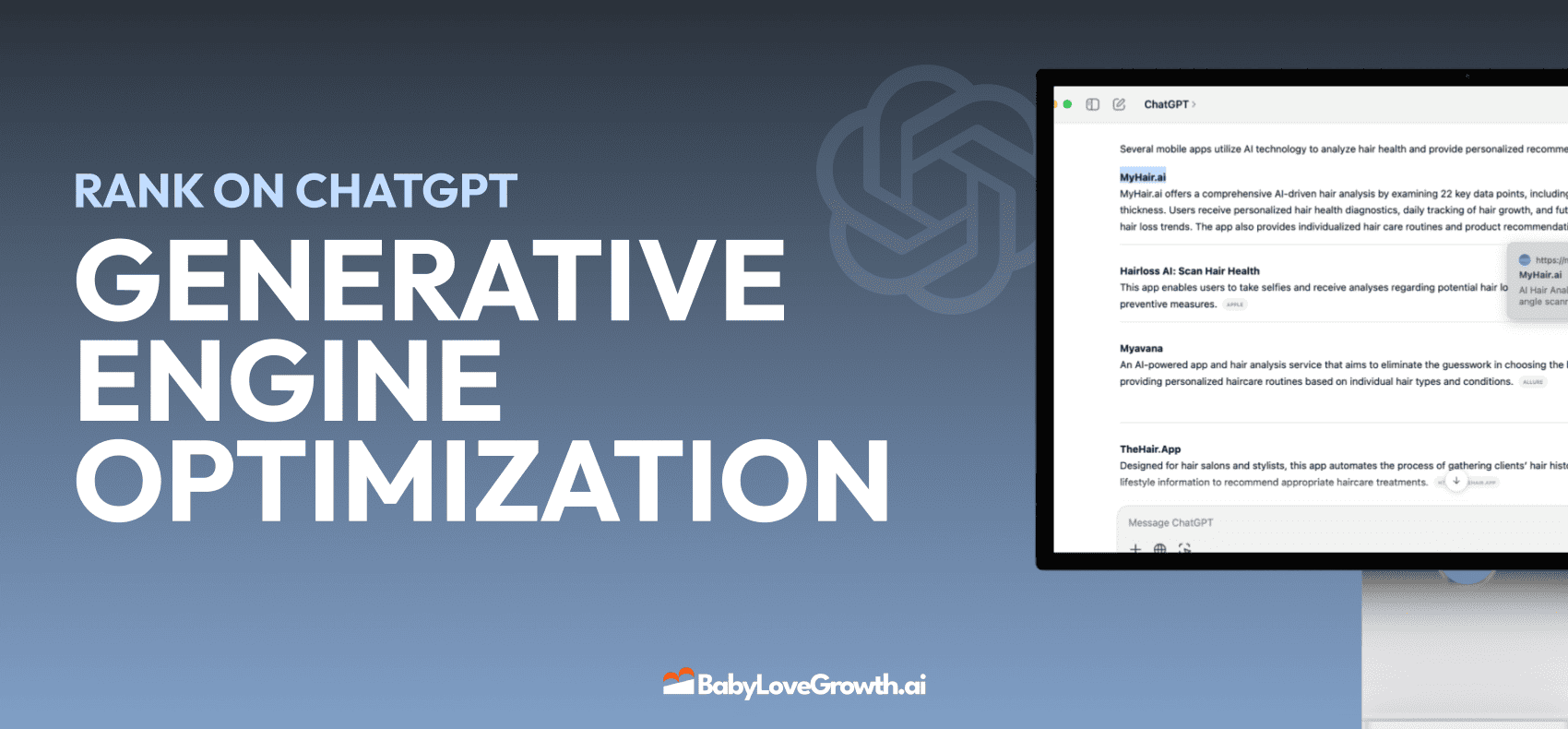
Generative Engine Optimization (GEO)
Learn how Generative Engine Optimization (GEO) helps your content rank in AI search engines like ChatGPT and Google AI. This comprehensive guide explains the differences between SEO and GEO, why it matters for your business, and practical steps to implement GEO strategies for better visibility in AI-generated responses.
DylenJan 18, 2025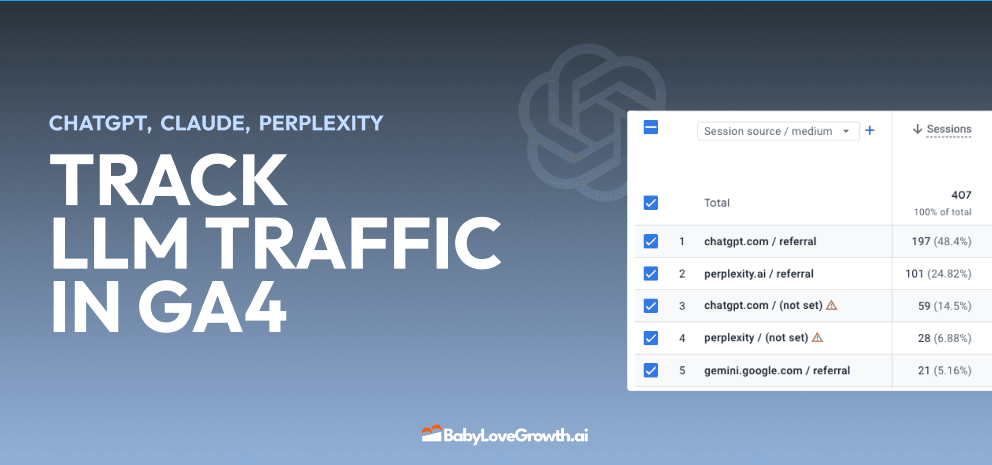
Track LLM Traffic in Google Analytics 4 (GA4)
Learn how to track and analyze traffic from AI sources like ChatGPT, Claude, Perplexity, and Google Gemini in Google Analytics 4. This step-by-step guide shows you how to set up custom filters to monitor AI-driven traffic and make data-driven decisions for your content strategy.
DylenMar 18, 2025
How to Humanize AI Text with Instructions
Learn practical techniques to make AI-generated content sound more natural and human. This guide covers active voice, direct addressing, concise writing, and other proven strategies to transform robotic text into engaging content.
DylenApril 7, 2025
Open AI Revenue and Statistics (2024)
Comprehensive analysis of OpenAI financial performance, user engagement, and market position in 2023. Discover key statistics including $20B valuation, $1B projected revenue, and 100M+ monthly active users.
DylenOctober 03, 2025