Importance of Adaptive Content for Modern SEO


Digital marketers know that static content rarely delivers consistent results for today’s evolving consumer. As devices diversify and user expectations grow, the need for truly flexible content strategies becomes obvious. The rise of adaptive content signals a shift toward creating experiences that intelligently respond to user behavior, device, and context. This article reveals how adaptive content and Generative Engine Optimization are redefining scalable content strategies, guiding e-commerce businesses in harnessing AI for greater organic growth.
Table of Contents
- What Adaptive Content Really Means Today
- Types of Adaptive Content in SEO
- How AI Powers Content Personalization
- Real-World Benefits for Marketers and Brands
- Key Pitfalls and Common Mistakes to Avoid
Key Takeaways
| Point | Details |
|---|---|
| Understanding Adaptive Content | Adaptive content dynamically responds to user preferences, devices, and behaviors, enhancing engagement and maintaining brand integrity. |
| AI in Personalization | Artificial Intelligence enables real-time content customization based on user behavior, improving user satisfaction and retention. |
| Types and SEO Impact | Diverse adaptive content formats, such as text modifications and interactive components, increase search visibility and cater to specific user needs. |
| Avoiding Common Pitfalls | Marketers must align content with genuine user intent and balance personalization with privacy to build trust and improve visibility. |
What Adaptive Content Really Means Today
Adaptive content represents a sophisticated approach to digital content strategy that goes far beyond traditional static webpage design. In the modern digital ecosystem, content must dynamically respond to user characteristics, preferences, and technological contexts. Generative Engine Optimization strategies are fundamentally transforming how we conceptualize content creation and distribution.
At its core, adaptive content is about creating flexible, intelligent content experiences that automatically adjust based on multiple parameters. Unlike rigid, one-size-fits-all approaches, this strategy enables content to morph seamlessly across different devices, user behaviors, and interaction contexts. Dynamic content tailoring means that what a mobile user sees might differ significantly from a desktop user's experience, all while maintaining core messaging and brand integrity.
The technical mechanics of adaptive content involve sophisticated algorithms and data analysis. Content management systems now incorporate machine learning capabilities that track user interactions, device specifications, browsing history, and contextual signals to serve personalized content recommendations. This approach transforms content from a static broadcast medium into an intelligent, responsive communication channel that anticipates and meets individual user needs.
Pro tip: Implement progressive content loading techniques that detect user device capabilities and bandwidth to optimize content delivery and user experience.
Types of Adaptive Content in SEO
Adaptive content in SEO encompasses a diverse range of dynamic content formats designed to enhance user engagement and search visibility. Adaptive content formats represent a sophisticated approach to meeting user needs across multiple digital touchpoints. These formats are not static web pages but intelligent, responsive experiences that transform based on user context, device, and interaction patterns.

The primary types of adaptive content include text modifications, personalized visual elements, and interactive components. Text adaptations might involve dynamically adjusting language complexity, length, or terminology based on user demographics or search intent. Personalized visual content could mean generating graphics, infographics, or images that change appearance depending on user preferences or device characteristics. Content types for SEO can also include interactive elements like quizzes, polls, calculators, and recommendation engines that provide unique experiences for different user segments.
Technically advanced adaptive content leverages machine learning and real-time data analysis to create hyper-personalized experiences. These systems track user behavior, browsing history, geographic location, device specifications, and previous interactions to dynamically serve the most relevant content. For instance, an e-commerce website might show different product recommendations to a first-time visitor versus a returning customer, or adjust content length and complexity based on the user's perceived expertise level.
Here's a summary of the primary types of adaptive content and their unique contributions to SEO:
| Adaptive Content Type | Main Characteristic | SEO Impact |
|---|---|---|
| Text Modifications | Alters language or length | Matches search intent better |
| Personalized Visual Elements | Adjusts graphics/images | Improves user engagement |
| Interactive Components | Enables real-time input | Increases dwell time |
Pro tip: Implement A/B testing frameworks to continuously refine your adaptive content strategy and measure personalization effectiveness across different user segments.
How AI Powers Content Personalization
Artificial Intelligence is revolutionizing content personalization by transforming how digital experiences are crafted and delivered. AI-powered content strategies leverage advanced machine learning algorithms to analyze complex user behavior patterns, creating unprecedented levels of content customization that go far beyond traditional segmentation techniques.
The core mechanism of AI-driven personalization involves sophisticated natural language processing and predictive analytics. These technologies enable real-time content adaptation by continuously analyzing user interactions, preferences, and contextual signals. Generative AI techniques can dynamically modify content complexity, tone, and presentation based on individual user profiles, ensuring that each piece of content feels uniquely tailored to its specific audience. This approach allows businesses to create more engaging, relevant experiences that dramatically improve user satisfaction and retention.
Technical implementation of AI content personalization involves multiple sophisticated components. Machine learning models continuously ingest data points like browsing history, demographic information, engagement metrics, and interaction patterns to build comprehensive user personas. These dynamic profiles enable content recommendation engines to predict user preferences with remarkable accuracy, serving content that feels intuitively matched to individual interests and needs. Advanced systems can even adjust content in real-time, changing visual elements, linguistic complexity, and informational depth to match the user's current context and comprehension level.
Below is a comparison of how AI-powered personalization differs from traditional segmentation in content strategies:
| Approach | Personalization Method | Data Sources |
|---|---|---|
| Traditional Segmentation | Static rule-based groups | Demographics, location |
| AI-Based Personalization | Dynamic content adaptation | Real-time user behaviors |
Pro tip: Implement progressive profiling techniques that gradually collect user data across multiple interactions to build more nuanced and accurate personalization models.
Real-World Benefits for Marketers and Brands
Adaptive content strategies are transforming how businesses connect with their audiences, offering unprecedented opportunities for engagement and growth. Adaptive content marketing enables organizations to dynamically respond to consumer behaviors, creating more personalized and responsive marketing experiences across multiple industries and digital platforms.
The practical advantages for marketers are substantial and measurable. By implementing intelligent content systems, brands can achieve significant improvements in customer engagement, conversion rates, and overall marketing efficiency. Dynamic content strategies allow businesses to create highly targeted messaging that responds in real-time to user interactions, preferences, and contextual signals. This approach means marketing campaigns become living, breathing entities that evolve alongside customer needs, rather than static communication tools.
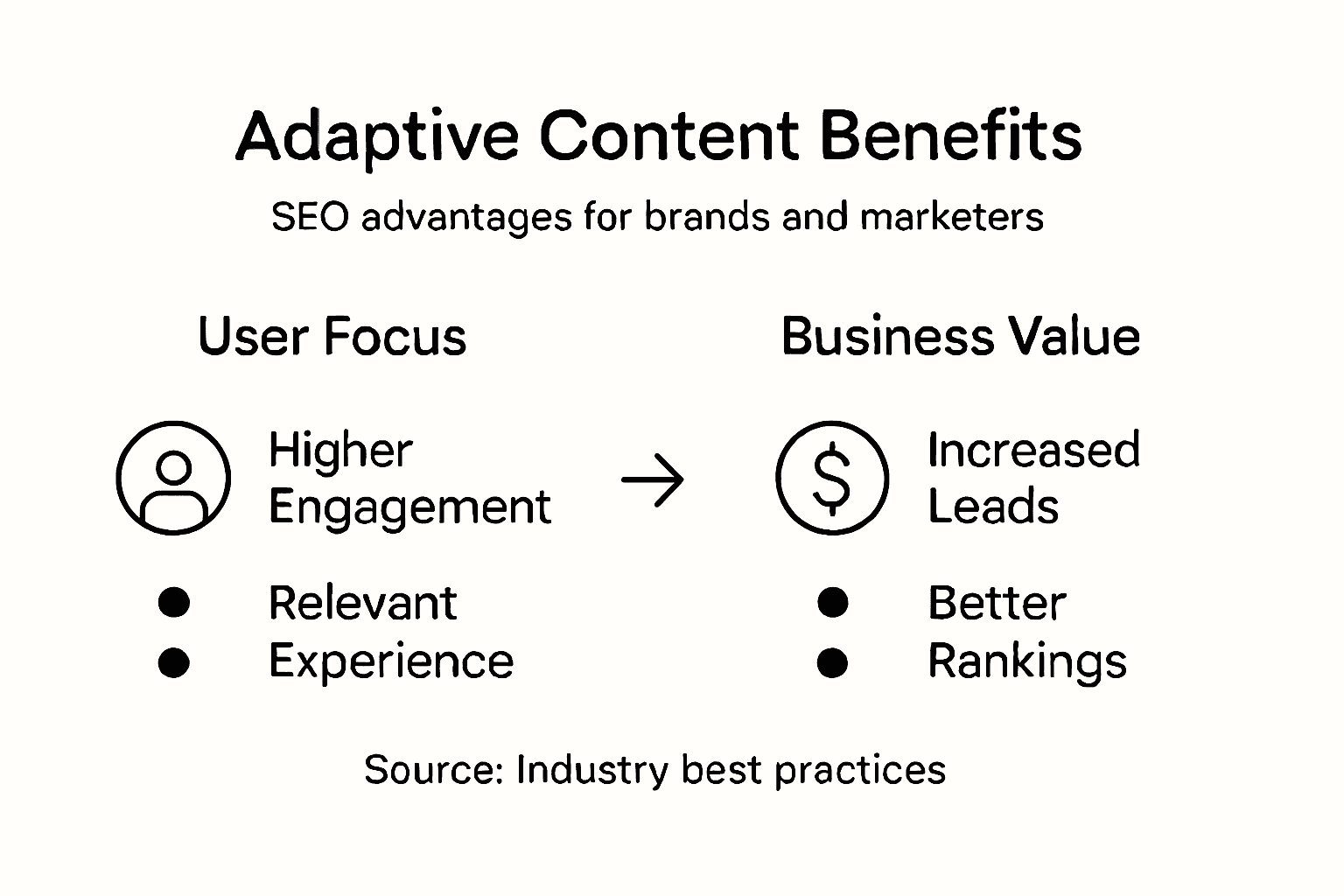
Across sectors like e-commerce, healthcare, and entertainment, adaptive content delivers tangible benefits. Machine learning algorithms analyze user data to generate personalized recommendations, adjust content complexity, and predict consumer preferences with remarkable accuracy. This enables marketers to create more nuanced audience segmentation, develop more compelling narratives, and deliver experiences that feel individually crafted for each user. The result is deeper customer relationships, increased brand loyalty, and more efficient marketing resource allocation.
Pro tip: Develop a comprehensive data collection framework that captures multiple user interaction points to fuel more sophisticated adaptive content strategies.
Key Pitfalls and Common Mistakes to Avoid
Navigating the complex landscape of adaptive content requires understanding potential landmines that can derail even the most sophisticated SEO strategies. Common SEO mistakes often stem from fundamental misunderstandings about how search engines evaluate and rank content, particularly when implementing adaptive content approaches.
One critical error marketers frequently make is misaligning content with genuine user search intent. This means creating content that looks good on paper but fails to address the actual questions and needs of the target audience. Technical SEO optimization demands more than just keyword insertion - it requires a nuanced understanding of how different user segments interact with content across various digital platforms. Mistakes like blocking search engine crawlers, neglecting mobile responsiveness, and failing to optimize core web vitals can dramatically reduce content visibility and user engagement.
Adaptive content strategies are particularly vulnerable to over-personalization and data privacy concerns. Brands must walk a delicate line between delivering personalized experiences and respecting user boundaries. Excessive data collection, intrusive personalization algorithms, and lack of transparency can quickly erode user trust. Successful adaptive content requires a balanced approach that prioritizes user experience, provides clear value, and maintains a sense of user control over their digital interactions.
Pro tip: Regularly audit your adaptive content strategy using independent user feedback and objective performance metrics to identify potential blind spots in personalization approaches.
Unlock Adaptive Content's Full Potential for Your SEO Success
Adaptive content is vital for modern SEO strategies that demand personalization and dynamic user experiences. This article highlights key challenges like aligning content with genuine user intent, avoiding over-personalization pitfalls, and leveraging AI-powered content personalization to boost engagement and rankings. Businesses aiming to simplify SEO while harnessing AI-driven adaptive content can benefit from automated solutions that craft high-quality, personalized articles optimized for Google and ChatGPT.
Babylovegrowth.ai offers a seamless platform designed to tackle these SEO challenges head-on. With an easy-to-follow 30-day personalized content plan, automated AI-generated content, and a collaborative backlinks exchange ecosystem, our platform helps marketers and business owners achieve scalable organic growth without traditional complexity. Discover how you can optimize your SEO on autopilot with AI-Powered Content Strategies and elevate your brand visibility through smart adaptive content techniques.
Ready to transform your SEO with adaptive content that truly resonates with your audience? Visit Babylovegrowth.ai now and start your free trial to experience how personalized, AI-driven content can amplify your search rankings and drive sustained growth.
Frequently Asked Questions
What is adaptive content in SEO?
Adaptive content in SEO refers to a dynamic approach to content strategy that modifies itself based on user characteristics, preferences, and technology contexts, providing a personalized experience across different devices and interactions.
How does adaptive content improve user engagement?
Adaptive content improves user engagement by tailoring the experience to match individual user needs, such as adjusting text complexity and visual elements based on user demographics and interaction patterns, leading to higher satisfaction and retention.
What are some examples of adaptive content formats?
Examples of adaptive content formats include text modifications, personalized visual elements, and interactive components like quizzes and recommendation engines, each designed to enhance user experience and response.
How can AI enhance adaptive content strategies?
AI enhances adaptive content strategies by using machine learning algorithms to analyze user behavior and preferences in real-time, allowing for seamless content personalization that effectively meets individual user needs.
Recommended
Smart SEO,
Faster Growth!
Most Read Articles
Generative Engine Optimization (GEO)
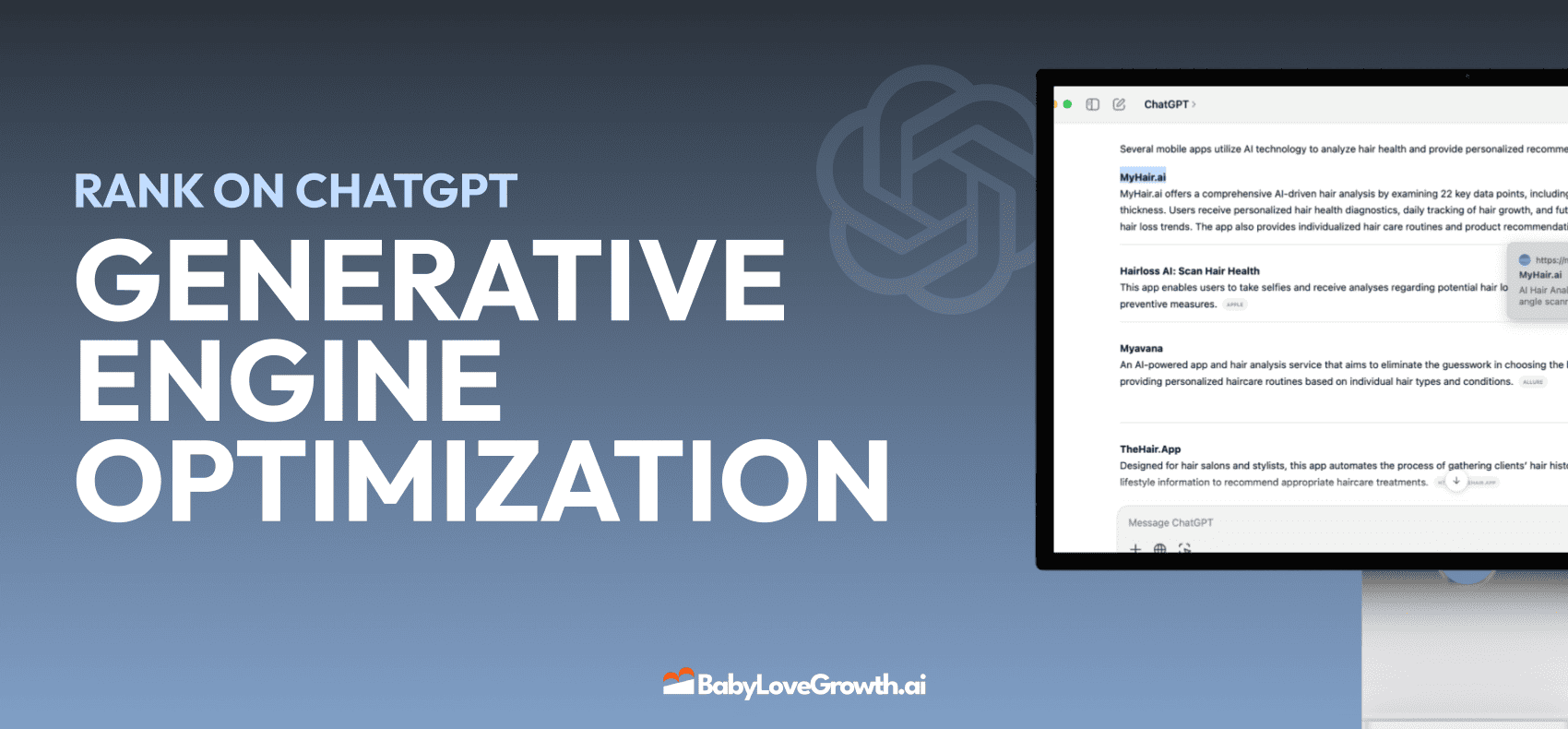
Learn how Generative Engine Optimization (GEO) helps your content rank in AI search engines like ChatGPT and Google AI. This comprehensive guide explains the differences between SEO and GEO, why it matters for your business, and practical steps to implement GEO strategies for better visibility in AI-generated responses.
DylenJan 18, 2025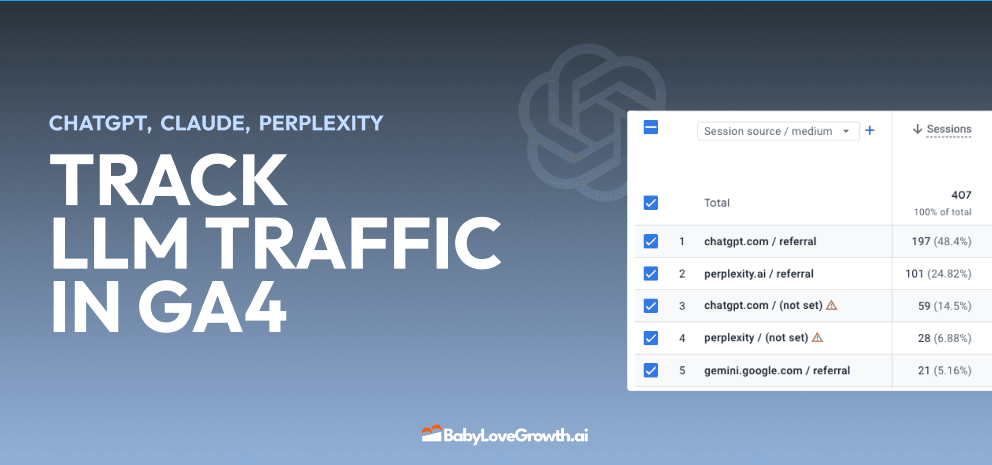
Track LLM Traffic in Google Analytics 4 (GA4)
Learn how to track and analyze traffic from AI sources like ChatGPT, Claude, Perplexity, and Google Gemini in Google Analytics 4. This step-by-step guide shows you how to set up custom filters to monitor AI-driven traffic and make data-driven decisions for your content strategy.
DylenMar 18, 2025
How to Humanize AI Text with Instructions
Learn practical techniques to make AI-generated content sound more natural and human. This guide covers active voice, direct addressing, concise writing, and other proven strategies to transform robotic text into engaging content.
DylenApril 7, 2025
Open AI Revenue and Statistics (2024)
Comprehensive analysis of OpenAI financial performance, user engagement, and market position in 2023. Discover key statistics including $20B valuation, $1B projected revenue, and 100M+ monthly active users.
DylenOctober 03, 2025