How to Plan Website Content for 40% More Organic Traffic


Most digital marketing teams invest heavily in content but struggle to see meaningful organic traffic gains. Research shows that 70% of marketers invest in content marketing, yet many fail without a strategic content plan. This guide delivers a proven, step-by-step framework to plan website content that drives measurable SEO results and sustainable business growth.
Table of Contents
- Introduction To Website Content Planning
- Prerequisites: What You Need Before You Start
- Define Goals And Understand Your Audience
- Keyword Research And Prioritization
- Content Structure, Topical Authority, And Diversification
- Content Workflow And Publishing Schedule
- Performance Measurement And Optimization
- Common Mistakes And Troubleshooting
- Expected Timelines And Realistic Outcomes
- Explore AI-Powered Solutions To Enhance Your Content Planning
Key Takeaways
| Point | Details |
|---|---|
| Structured planning aligns SEO with business goals | Data-driven content strategies connect marketing objectives to measurable traffic outcomes. |
| Research guides relevant content creation | Audience insights and keyword analysis ensure content resonates and ranks. |
| Editorial calendars optimize consistency | Scheduled workflows maintain publishing momentum and prevent content gaps. |
| Performance tracking enables optimization | Regular audits and KPI monitoring identify opportunities for improvement. |
| SEO gains require patience and persistence | Meaningful organic traffic increases typically emerge within 3 to 6 months. |
Introduction to Website Content Planning
Website content planning serves as the foundation for digital marketing success. Without a structured approach, even talented teams produce scattered content that fails to build momentum in search rankings. Effective SEO planning requires aligning content goals with broader business objectives, ensuring every piece contributes to measurable outcomes.
The landscape is shifting rapidly. AI-driven search engines like ChatGPT and Perplexity are changing how users discover information. Traditional SEO tactics must adapt to conversational queries and multi-platform visibility. A robust SEO content strategy guide addresses these evolving needs while maintaining focus on core ranking factors.
Strategic content planning delivers sustainable results through:
- Clear alignment between content topics and business revenue goals
- Systematic keyword research identifying achievable ranking opportunities
- Organized content structures building topical authority
- Consistent publishing schedules maintaining audience engagement
- Data-driven optimization improving performance over time
This guide walks you through each planning phase, from initial preparation through ongoing optimization. You'll learn practical methods to identify content opportunities, structure your editorial calendar, and measure results that matter to your business.
Prerequisites: What You Need Before You Start
Successful content planning requires specific tools and foundational knowledge. Before diving into strategy development, ensure you have access to essential platforms and understand core concepts that guide effective planning decisions.
Start with these critical tools:
- Google Analytics and Search Console for traffic data and search performance insights
- Keyword research platforms like Ahrefs, SEMrush, or Google Keyword Planner
- Project management or editorial calendar software for scheduling
- Content management system with basic SEO capabilities
You also need clarity on business objectives. What specific outcomes do you want content to drive? More qualified leads, increased product awareness, or educational thought leadership? Each goal shapes different content approaches.
Basic SEO literacy matters too. Understand how search engines evaluate content quality, relevance, and authority. Know the difference between informational and transactional search intent. Recognize that user experience signals like page speed and mobile responsiveness impact rankings.
Audience research forms another prerequisite. Gather demographic data, behavioral patterns, and psychographic insights about your target readers. This information prevents generic content that appeals to nobody specifically.
Finally, establish a realistic content creation workflow capacity. How many pieces can your team produce monthly while maintaining quality? Overcommitting leads to rushed content that underperforms. Better to publish fewer excellent pieces than many mediocre ones.
Define Goals and Understand Your Audience
Setting SMART goals transforms vague aspirations into actionable targets. Specific, Measurable, Achievable, Relevant, and Time-bound objectives provide clear direction for content planning decisions. Without them, you're creating content without a destination.
Follow these steps to establish effective content goals:
- Identify specific business outcomes content should support
- Quantify targets with concrete numbers and timeframes
- Verify goals are achievable given your resources and market competition
- Ensure relevance to broader marketing and revenue objectives
- Set clear deadlines creating urgency and accountability
Examples of strong content goals include increasing organic traffic by 30% within six months, generating 50 qualified leads monthly by Q3, or ranking in the top three positions for five high-value keywords by year end. These specifics enable progress tracking and strategy adjustments.

Audience understanding shapes which topics and formats will resonate. Create detailed personas representing your ideal readers. Include demographics like role, company size, and industry. Capture psychographics like motivations, challenges, and information preferences.
Research methods include analyzing existing customer data, conducting surveys, interviewing sales teams, and studying competitor audiences. Look for patterns in the questions prospects ask, problems they struggle solving, and content formats they engage with most.
Pro Tip: Create separate personas for different buying stages. Someone researching solutions needs different content than someone ready to purchase. Mapping personas to buyer journey stages ensures you plan content for every decision point.
Aligning goals with audience insights creates focused content strategies. When you know exactly who you're reaching and what success looks like, every content decision becomes clearer and more strategic.
Keyword Research and Prioritization
Keyword research reveals what your audience actually searches for, not what you assume they want. Effective research balances search volume with ranking difficulty, identifying opportunities where you can realistically compete and win visibility.
Start by analyzing keyword difficulty scores in your research tool. These metrics estimate how hard it will be to rank based on competitor authority and content quality. Target low-hanging fruit where you can achieve quick wins and build momentum.
Prioritize these keyword types:
- Long-tail phrases with lower competition and higher intent specificity
- Conversational queries matching voice search patterns
- Question-based keywords perfect for featured snippet optimization
- Topic variations covering semantic search relationships
Avoid keyword stuffing at all costs. Search engines penalize unnatural keyword repetition. Instead, focus on user intent. What problem is the searcher trying to solve? Create content answering that need comprehensively, incorporating keywords naturally where they fit the context.
Voice search and AI-driven platforms are reshaping keyword strategy. People ask complete questions rather than typing short phrases. Optimize for natural language patterns and conversational sentence structures. Modern keyword prioritization strategies account for how ChatGPT, Claude, and similar platforms surface information.
Pro Tip: Build a keyword matrix organizing terms by topic cluster, search volume, difficulty, and business value. This visualization helps identify content gaps and prevents keyword cannibalization where multiple pages compete for the same terms.
| Strategy | Pros | Cons |
|---|---|---|
| High-competition keywords | Large traffic potential if ranked | Requires significant authority and resources to compete |
| Low-competition keywords | Faster rankings, achievable wins | Lower individual traffic volume per keyword |
| Long-tail phrases | High intent, specific audience, easier ranking | Requires more content pieces to scale traffic |
Prioritization determines which keywords deserve dedicated content versus which fit as secondary topics within broader pieces. Focus resources where you have the strongest chance of ranking and driving qualified traffic.
Content Structure, Topical Authority, and Diversification
Building pillar content and topic clusters establishes your site as an authoritative resource on specific subjects. This structure signals expertise to search engines while providing comprehensive value to users exploring related topics.
Pillar pages serve as comprehensive guides covering broad topics. Cluster content dives deeper into specific subtopics, linking back to the pillar. This internal linking architecture distributes authority and helps search engines understand content relationships.
Create topic clusters following this process:
- Identify core topics central to your business and audience needs
- Research related subtopics and questions within each core area
- Map keywords to pillar pages and cluster content pieces
- Create the comprehensive pillar page first, establishing the hub
- Develop cluster content linking to the pillar and related pieces
- Update the pillar page with links to new cluster content as published
- Monitor performance and expand clusters based on engagement data
Topical authority builds when you thoroughly cover subjects rather than sporadically touching many unrelated areas. Search engines reward depth and comprehensiveness. Sites demonstrating expertise through extensive, interconnected content rank higher for competitive terms.
Diversify content formats to extend reach and engagement. Different users prefer different consumption methods. Video tutorials appeal to visual learners. Infographics simplify complex data. Long-form guides serve detailed researchers. Mobile-first optimization ensures accessibility across devices.
Content clustering benefits extend beyond SEO. Users exploring your cluster content spend more time on site, visit more pages, and develop stronger brand familiarity. This engagement signals quality to search algorithms while moving prospects through your marketing funnel.Format variety also protects against algorithm changes favoring specific content types. A diversified content portfolio maintains visibility even as search preferences evolve.
Content Workflow and Publishing Schedule
Editorial calendars transform content planning from reactive scrambling to proactive strategy execution. Scheduled publishing maintains consistent visibility, prevents duplication, and coordinates team efforts efficiently.
Creating an effective workflow involves several key components:
- Topic ideation sessions generating content ideas aligned with keyword research
- Assignment systems clarifying who creates, edits, and approves each piece
- Production timelines building in adequate time for quality development
- Review processes ensuring accuracy, brand consistency, and SEO optimization
- Publishing schedules balancing frequency with sustainable team capacity
Balance publishing frequency with quality standards. Rushing mediocre content damages rankings and audience trust. Better to publish one excellent piece weekly than three rushed articles. Search engines increasingly prioritize content quality over sheer volume.
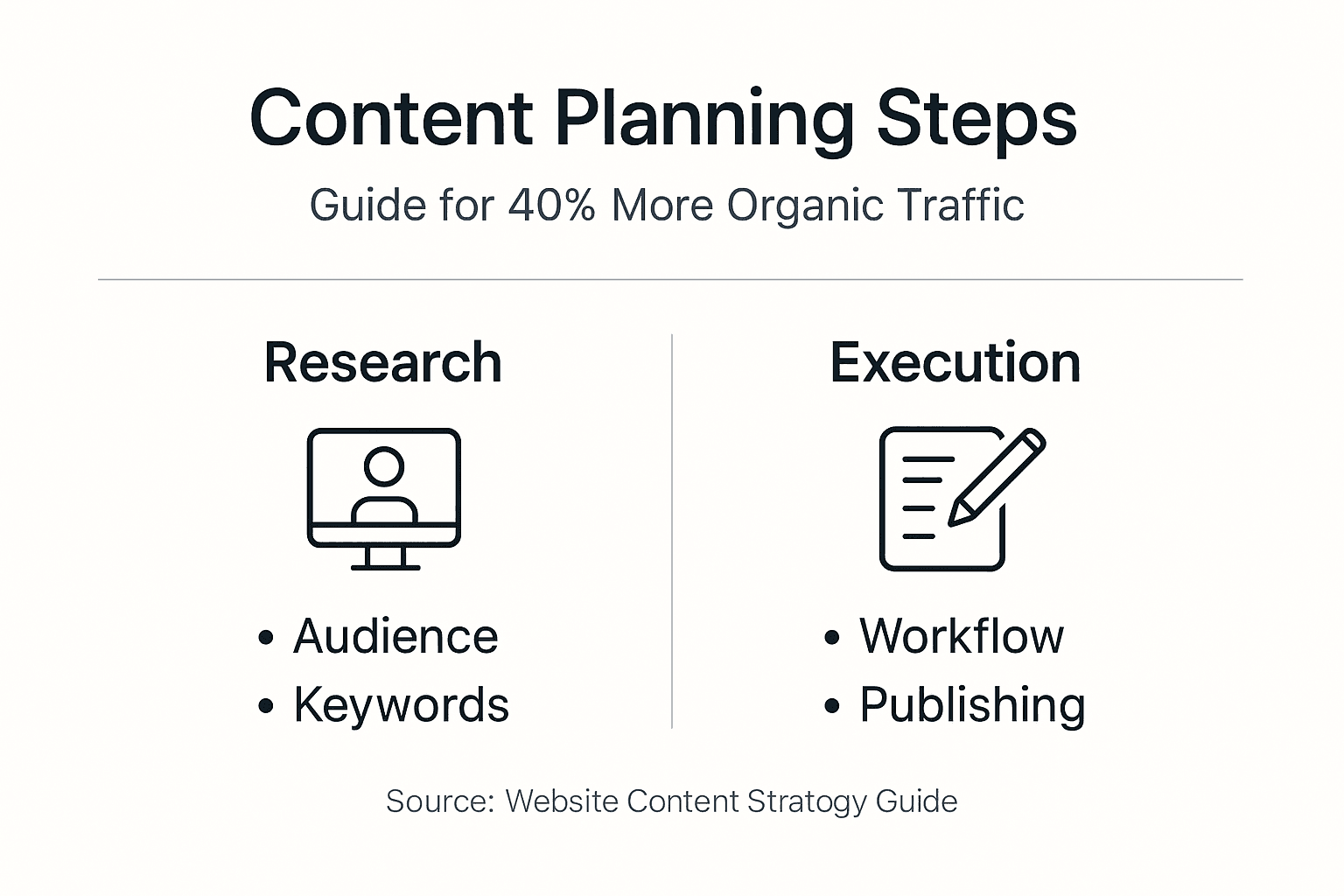
Your content creation workflow should scale as your program matures. Start with manageable commitments and gradually increase output as processes improve and resources grow. Document workflows so new team members can onboard quickly.
Editorial calendars prevent several common problems. They eliminate last-minute scrambling for content ideas. They reveal gaps where important topics lack coverage. They coordinate content with product launches, seasonal trends, and marketing campaigns. They track performance data informing future planning decisions.
Pro Tip: Use content planning software with automated reminders and progress tracking. Tools like Asana, Trello, or dedicated editorial calendar platforms keep teams aligned and deadlines visible. Automation reduces administrative overhead, letting creators focus on quality.
Consistency compounds over time. Regular publishing trains audiences to expect and return for new content. It signals active site maintenance to search engines. It builds content libraries that become increasingly valuable assets driving ongoing organic traffic.
Performance Measurement and Optimization
Regular content audits and performance assessment transform guesswork into data-driven optimization. Tracking the right metrics reveals what's working, what needs improvement, and where to focus resources for maximum impact.Monitor these essential SEO metrics:
- Organic traffic volume and trends over time
- Keyword rankings for target terms
- Page engagement rates including time on page and bounce rate
- Conversion rates from organic visitors to leads or customers
- Backlink acquisition and referring domain growth
Content audits identify underperforming pages needing optimization. Review pages with declining traffic, high bounce rates, or stagnant rankings. Analyze why they're struggling. Is the content outdated? Does it match search intent? Are technical issues hurting user experience?
Use benchmarking tables tracking progress against goals:
| Metric | Baseline | 3-Month Target | 6-Month Target | Current |
|---|---|---|---|---|
| Monthly Organic Traffic | 5,000 | 6,500 | 7,500 | Monitor |
| Top 10 Rankings | 12 | 18 | 25 | Track |
| Average Time on Page | 1:45 | 2:15 | 2:30 | Measure |
| Organic Conversion Rate | 2.1% | 2.8% | 3.5% | Assess |
Iterative optimization improves results over time. Update existing content with fresh information, better formatting, and enhanced internal linking. Refresh outdated statistics. Add new sections addressing emerging questions. Improve page speed and mobile experience.
Performance measurement for SEO extends beyond Google Analytics. Monitor how content performs in AI search platforms. Track social shares and engagement. Measure branded search volume growth indicating rising awareness.Set up monthly reporting reviewing key metrics and insights. Share results with stakeholders demonstrating content's business impact. Use data to justify resource allocation and strategy adjustments. Performance transparency builds support for ongoing content investment.
Common Mistakes and Troubleshooting
Common content planning mistakes undermine even well-intentioned strategies. Recognizing these pitfalls helps you avoid wasted effort and disappointing results.
Ignoring detailed audience research leads to content that misses the mark. You can't create relevant content for people you don't understand. Invest time in persona development and ongoing audience listening. Monitor questions in forums, social media, and customer support interactions.
Selecting keywords without analyzing difficulty wastes resources on unwinnable battles. Your new site won't outrank established authorities for highly competitive terms. Focus on achievable targets building momentum before tackling harder keywords.
Failing to track performance leaves you flying blind. Without data, you can't identify successful tactics to replicate or struggling areas needing attention. Implement tracking from day one, even if initially reviewing simple metrics.
Using outdated SEO tactics actively harms rankings. Keyword stuffing, thin content, and manipulative link schemes trigger penalties. Focus on user value first, technical optimization second.
Pro Tip: Create a quarterly review checklist covering common content mistakes. Are you still aligned with audience needs? Have keyword priorities shifted? Is content quality consistent? Regular check-ins prevent drift from strategic foundations.
Additional pitfalls include:
- Neglecting mobile optimization despite mobile-first indexing
- Ignoring technical SEO issues hurting crawlability and indexing
- Publishing inconsistently, losing momentum and audience attention
- Failing to update successful content, letting it become outdated
- Overlooking internal linking opportunities connecting related content
When facing poor results, troubleshoot systematically. Check technical issues first. Then review content quality and relevance. Analyze competitive landscape changes. Verify tracking accuracy. Most problems trace to one of these areas.
Expected Timelines and Realistic Outcomes
SEO content effects typically take 3 to 6 months to show meaningful organic traffic increases with consistent strategies. This timeline frustrates teams seeking quick wins, but understanding realistic expectations prevents premature strategy abandonment.
Typical progression follows this pattern:
- Months 1 to 2: Content indexed, initial rankings appear for low-competition terms
- Months 3 to 4: Rankings strengthen, traffic begins measurable growth
- Months 5 to 6: Momentum builds, compound effects from multiple ranking pages
- Months 6 plus: Sustained growth as topical authority and backlinks accumulate
Expected traffic growth varies by starting point and competition level. Sites starting from zero might see 30% to 50% monthly increases initially. Established sites with existing traffic see steadier, smaller percentage gains that still represent significant absolute numbers.
Success factors accelerating results include:
- Comprehensive planning covering all strategic elements
- Consistent publishing maintaining content momentum
- High-quality content exceeding competitor offerings
- Technical optimization supporting crawlability and user experience
- Ongoing iteration based on performance data
SEO timeline expectations should account for industry competition and domain authority. Newer sites in competitive spaces need longer to build credibility. Established sites with strong backlink profiles see faster results.
SEO gains are cumulative and compound over time. Each quality piece contributes to overall site authority, making subsequent content rank faster and higher. Patience and persistence separate successful programs from abandoned efforts.
Set milestone goals at 3, 6, and 12 months. Celebrate progress while maintaining focus on long-term objectives. Content marketing rewards sustained commitment, not sporadic efforts.
Explore AI-Powered Solutions to Enhance Your Content Planning
Implementing the strategies covered requires significant time and expertise. AI-powered tools can accelerate your content planning while maintaining strategic quality and SEO effectiveness.

Modern platforms automate time-consuming research tasks like keyword discovery and competitive analysis. They identify content gaps and opportunities faster than manual research. AI-driven content creation tools help teams scale production while maintaining quality standards. Data-driven platforms connect planning with performance tracking, closing the loop between strategy and results. These technologies don't replace strategic thinking but amplify your team's capabilities, letting you execute more ambitious content programs efficiently.
FAQ
How long does it take to see SEO results after implementing a content plan?
SEO effects usually begin appearing within 3 to 6 months of consistent content planning and publishing. Early wins may emerge sooner with low-competition keywords. Sustained growth requires ongoing effort and optimization.
What tools are essential for effective website content planning?
Google Analytics and Search Console provide traffic and performance data. Keyword research platforms help find and prioritize terms. Editorial calendar software manages scheduling and workflow. These tools form the foundation for data-driven planning.
How do I avoid common content planning mistakes?
Consistently align content with audience needs and search intent. Perform regular keyword analysis prioritizing achievable targets. Track content performance using KPIs and adjust strategies based on results. Regular audits catch drift before it damages outcomes.
Why is topical authority important for SEO?
Content clusters and pillar pages build comprehensive coverage demonstrating expertise. Topical authority enhances search engine trust, leading to higher rankings. Thorough topic coverage outperforms scattered content across unrelated subjects.
How often should I publish new content?
Publish as frequently as you can maintain quality standards. Consistency matters more than volume. Weekly publishing works for many teams. Focus on sustainable schedules that support long-term commitment rather than unsustainable sprints.
Recommended
Smart SEO,
Faster Growth!
Most Read Articles
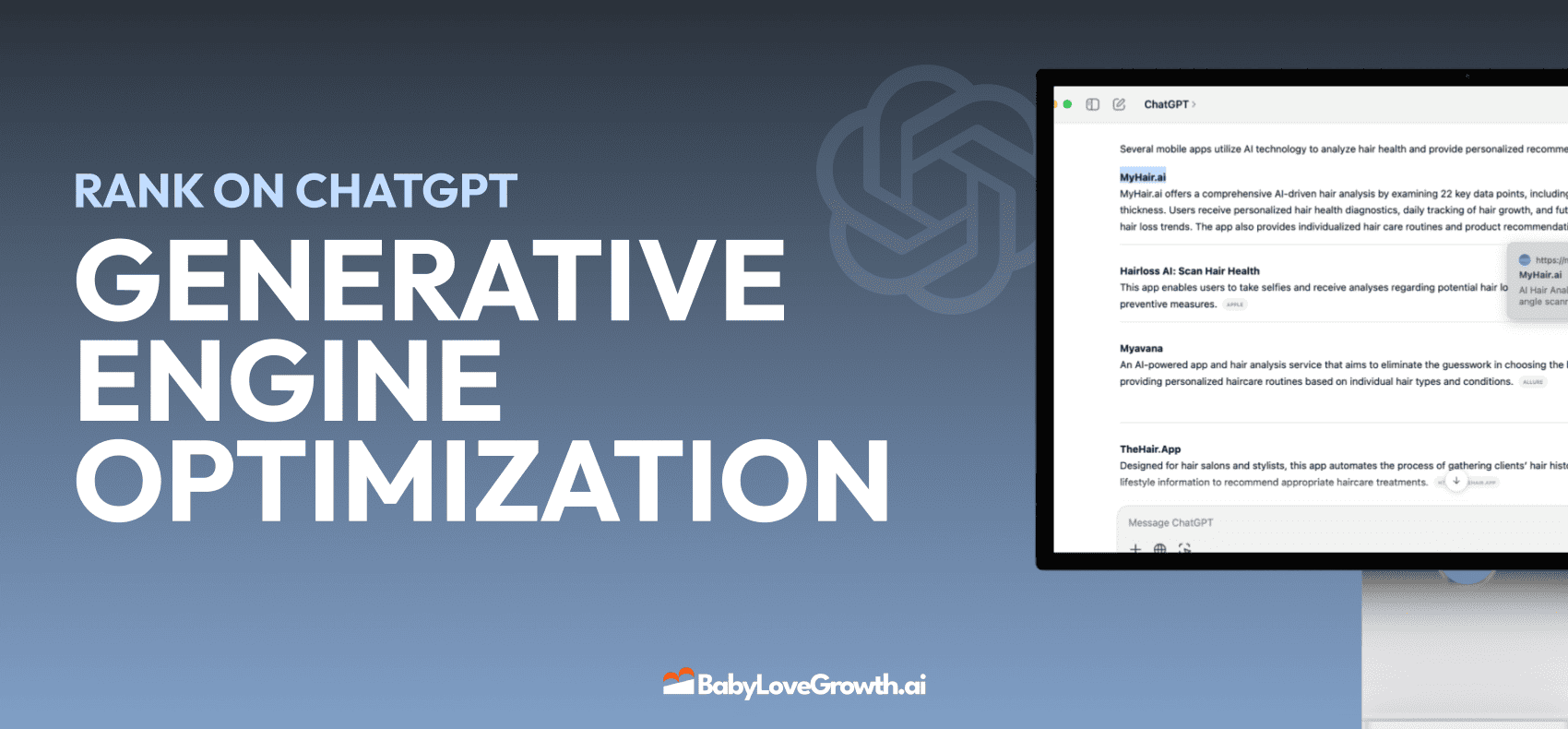
Generative Engine Optimization (GEO)
Learn how Generative Engine Optimization (GEO) helps your content rank in AI search engines like ChatGPT and Google AI. This comprehensive guide explains the differences between SEO and GEO, why it matters for your business, and practical steps to implement GEO strategies for better visibility in AI-generated responses.
DylenJan 18, 2025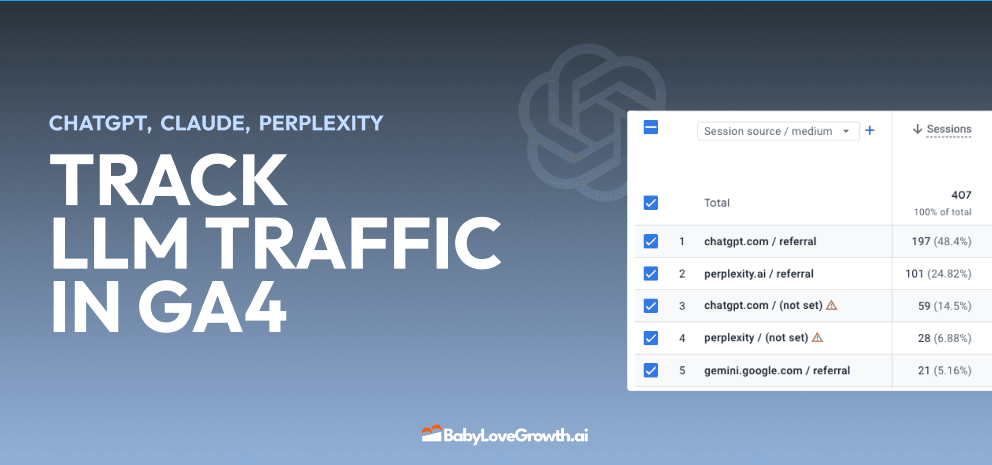
Track LLM Traffic in Google Analytics 4 (GA4)
Learn how to track and analyze traffic from AI sources like ChatGPT, Claude, Perplexity, and Google Gemini in Google Analytics 4. This step-by-step guide shows you how to set up custom filters to monitor AI-driven traffic and make data-driven decisions for your content strategy.
DylenMar 18, 2025
How to Humanize AI Text with Instructions
Learn practical techniques to make AI-generated content sound more natural and human. This guide covers active voice, direct addressing, concise writing, and other proven strategies to transform robotic text into engaging content.
DylenApril 7, 2025
Open AI Revenue and Statistics (2024)
Comprehensive analysis of OpenAI financial performance, user engagement, and market position in 2023. Discover key statistics including $20B valuation, $1B projected revenue, and 100M+ monthly active users.
DylenOctober 03, 2025