Creating an Effective Brand Strategy: 2-3x Faster Growth with AI


Most small businesses pour money into branding but see minimal online growth. The problem isn't effort, it's the lack of AI and SEO integration in their strategy. This guide provides a proven framework combining market research, brand positioning, and AI-driven SEO techniques to deliver measurable visibility improvements. You'll learn actionable steps that transform your brand into an organic traffic engine.
Table of Contents
- Prerequisites: Understanding Your Market And Tools
- Step 1: Conduct Market And Competitor Research
- Step 2: Define Your Brand Positioning And Messaging
- Step 3: Leverage AI For SEO And Content Creation
- Common Mistakes And How To Avoid Them
- Alternative Approaches And Tradeoffs
- Expected Results And Outcomes
- Explore AI-Powered Solutions To Enhance Your Brand Strategy
Key Takeaways
| Point | Details |
|---|---|
| Research drives positioning | Detailed buyer personas and competitor analysis improve targeting precision by 60-70%. |
| AI accelerates growth | AI-powered SEO tools deliver 2-3x faster organic traffic growth versus manual methods. |
| Consistency builds trust | Unified brand messaging across channels increases perceived value by up to 20%. |
| Realistic timelines matter | Expect significant visibility results within 3-6 months with consistent execution and monitoring. |
Prerequisites: Understanding Your Market and Tools
Before crafting your brand strategy, you need solid groundwork. Think of this phase as gathering intelligence before going to battle. Without proper reconnaissance, you're shooting blind.
Start with detailed buyer personas. These aren't fluffy demographic profiles. They're deep dives into your ideal customer's pain points, search behavior, and decision triggers. Conducting buyer persona research before branding significantly improves targeting precision and engagement by 60-70%. That's not marginal, it's transformational.
Next, analyze your competitive landscape. Who ranks for your target keywords? What messaging do they use? Where are the gaps you can exploit? Competitive intelligence informs every positioning decision you'll make.

You'll also need the right tools. AI SEO platforms like Babylovegrowth.ai streamline keyword research, content optimization, and backlink building. These tools eliminate guesswork and replace it with data-driven recommendations. If you're still manually researching keywords and writing meta descriptions, you're burning time you don't have.
Pro tip: Create a simple spreadsheet tracking your top 5 competitors' content themes, posting frequency, and backlink sources. Update it monthly. This living document becomes your strategic compass.
Finally, ensure you grasp digital marketing fundamentals. Understand how search engines crawl and index content. Know the difference between on-page and off-page SEO. If these concepts feel fuzzy, spend a weekend learning them. Your strategy's effectiveness depends on this foundation.
Step 1: Conduct Market and Competitor Research
Now that you've gathered your tools, it's time to deploy them strategically. Market and competitor research isn't about copying what works elsewhere. It's about identifying white space where your brand can dominate.
Here's your research roadmap:
- Identify your top 10 direct competitors by searching your primary keywords
- Audit their website structure, content depth, and user experience
- Analyze their backlink profiles using SEO tools to spot quality link sources
- Review their social media presence and engagement patterns
- Map their content topics to identify overserved and underserved areas
- Document their unique value propositions and messaging angles
This process reveals how competitors position themselves and where they're vulnerable. Neglecting competitor analysis leads to branding misalignment and lost market share in over 40% of SMBs. Don't become a statistic.
Use these insights to differentiate your positioning. If everyone in your space emphasizes speed, maybe you emphasize thoroughness or customization. The goal is owning a distinct position in your prospect's mind.
Common research errors destroy strategy effectiveness. Avoid these:
- Analyzing only the biggest competitors while ignoring nimble smaller players
- Focusing solely on what competitors do well, missing their weaknesses
- Conducting research once then never updating it as markets shift
- Collecting data without synthesizing it into actionable positioning insights
Your research should inform every downstream decision. When you enhance brand visibility with AI SEO, you're building on this intelligence foundation. The best SEO strategies for small businesses start with knowing exactly what the market needs and how competitors fall short.
Step 2: Define Your Brand Positioning and Messaging
Research data is useless until you transform it into clear positioning. This step bridges what you learned with how you'll communicate value to prospects.
Your brand positioning statement should answer three questions in one concise paragraph: Who do you serve? What specific problem do you solve? Why are you uniquely qualified to solve it? This becomes your North Star.
Align positioning with buyer needs uncovered in research. If your personas obsess over ROI speed, your positioning must emphasize fast results with proof points. If they fear complexity, position your solution as refreshingly simple.
Develop a messaging framework that cascades from positioning:
- Core brand message: Your one-sentence positioning distilled to its essence
- Value pillars: 3-4 key benefits that support your positioning claim
- Proof points: Specific data, case studies, or features validating each pillar
- Tonal guidelines: How your brand voice sounds across all communications
Successful brand positioning increases perceived brand value by up to 20%, boosting customer loyalty. That's the difference between prospects choosing you or a cheaper alternative.
Consistency multiplies impact. Your homepage, email campaigns, social posts, and sales collateral must echo the same core themes. Mixed messages confuse prospects and dilute brand recognition.
Pro tip: Create a one-page messaging cheat sheet your entire team can reference. Include approved phrases for describing your product, handling objections, and positioning against competitors. This keeps everyone aligned.
Avoid these positioning pitfalls:
- Using generic language that could describe any competitor
- Claiming benefits you can't prove with data or testimonials
- Positioning based on features rather than outcomes customers care about
- Failing to test messaging with actual prospects before broad rollout
When you foster brand loyalty with AI content, consistent messaging makes every touchpoint reinforce your positioning. Repetition builds recognition, recognition builds trust.
Step 3: Leverage AI for SEO and Content Creation
Positioning means nothing if prospects can't find you. AI-powered SEO and content tools amplify your brand's reach exponentially faster than manual methods.
Start with AI keyword optimization. These tools analyze search intent, competition difficulty, and topic clusters to recommend high-value targets. They eliminate the tedious spreadsheet work that used to consume days.
Use AI for content personalization at scale. Modern platforms generate topic outlines, draft articles, and optimize meta descriptions based on your brand voice and target keywords. The output isn't perfect, but it's 80% there, letting you focus energy on strategic refinement rather than staring at blank pages.
Integrating AI-powered SEO tools expedites organic traffic growth by 2-3x compared to manual methods. That's not hype, it's measurable reality for businesses implementing these systems properly.
Create an AI-driven content plan aligned with your messaging framework:
- Generate 20-30 article topics addressing buyer pain points from your research
- Prioritize based on search volume, competition, and alignment with value pillars
- Schedule content production and publication across 90 days
- Integrate internal linking to guide prospects through your conversion funnel
AI backlink strategies matter equally. Platforms like Babylovegrowth.ai automate outreach and facilitate backlink exchanges with relevant sites. Quality backlinks signal authority to search engines and drive referral traffic.
Don't ignore emerging AI search engines. Optimizing for ChatGPT and similar platforms means structuring content for conversational queries and featured snippet formats. This requires different optimization than traditional Google SEO.
Pro tip: Batch your AI content work. Generate outlines for 10 articles in one session, then edit them in another. Context switching kills productivity.
| Approach | Speed to Results | Cost | Complexity | Best For |
|---|---|---|---|---|
| Manual SEO | 9-12 months | Low upfront, high labor | High | Large in-house teams |
| AI SEO Tools | 3-6 months | Moderate subscription | Low to medium | SMBs with limited resources |
| Agency SEO | 6-9 months | High retainers | Medium | Businesses needing full service |
When you improve SEO with AI strategies, you're choosing speed and efficiency. The SEO marketing strategy for 2025 centers on AI automation because manual methods can't keep pace with content demands.
Common Mistakes and How to Avoid Them
Even solid strategies fail when execution stumbles over predictable errors. Knowing these pitfalls helps you sidestep them.
Skipping competitor research is strategy suicide. 40% of SMBs fail their brand strategy due to skipping or superficial competitor analysis. You can't differentiate without knowing what you're differentiating from. Invest the time upfront or waste months on ineffective positioning.
Ignoring AI optimization leaves visibility on the table. If your competitors use AI tools and you don't, they'll outpace you in content volume and keyword coverage. The gap widens monthly until catching up becomes nearly impossible.
Inconsistent messaging across channels destroys trust. When your website promises one thing, your social posts another, and your sales team a third, prospects tune out. They can't figure out what you actually do or why they should care.
Key mistakes to avoid:
- Setting unrealistic timelines expecting instant results from SEO efforts
- Neglecting backlink strategies, which reduces domain authority growth
- Creating content without keyword research, wasting effort on low-traffic topics
- Failing to monitor analytics, missing early signals of what's working
- Copying competitor tactics without adapting them to your unique positioning
Pro tip: Schedule monthly strategy reviews. Audit one channel each month for messaging consistency and performance. Small course corrections prevent major drift.
The businesses that enhance brand visibility successfully treat strategy as an evolving system, not a one-time project. They measure, learn, and adjust continuously.
Alternative Approaches and Tradeoffs
No single approach fits every business. Understanding tradeoffs helps you choose wisely.
Manual SEO offers complete control and zero subscription costs. You research keywords, write content, and build backlinks yourself. The tradeoff? It's painfully slow. Expect 9-12 months before seeing meaningful traffic. Only viable if you have significant in-house expertise and patience.
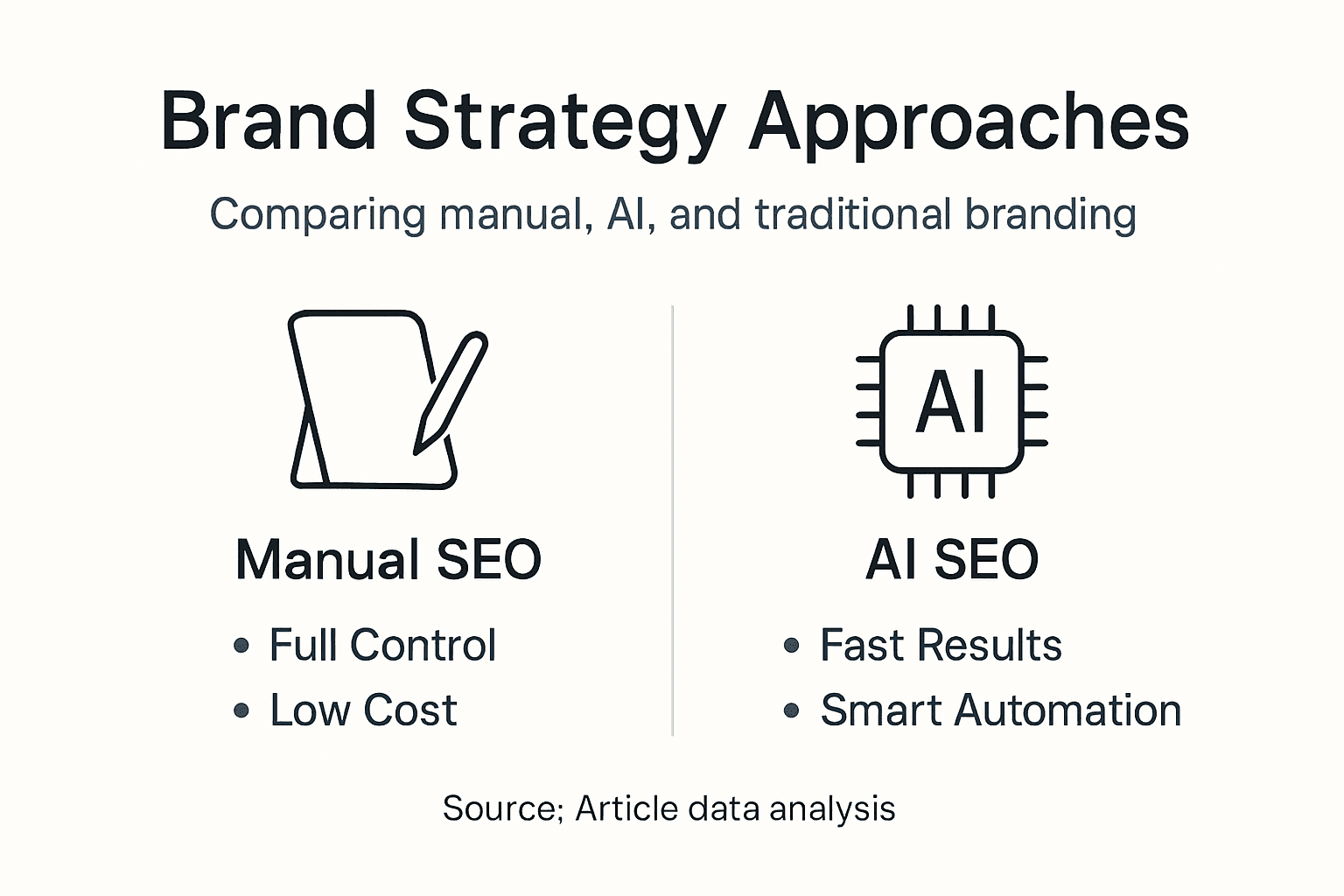
AI-driven SEO sacrifices some control for massive speed gains. Tools make recommendations you might not have considered. Sometimes they're brilliant, sometimes you need to override them. But you'll see results in 3-6 months, and the learning curve is gentle. Best for resource-constrained SMBs needing results this year.
Traditional branding focuses on emotional connection and brand awareness through advertising and PR. Digital AI-integrated branding prioritizes search visibility and organic discovery. Traditional builds broad awareness slowly. Digital captures existing demand efficiently. Most SMBs need digital first, traditional later.
| Factor | Manual SEO | AI SEO | Traditional Branding |
|---|---|---|---|
| Speed | 9-12 months | 3-6 months | 12-18 months |
| Upfront Cost | Low | Moderate | High |
| Ongoing Cost | High (labor) | Moderate | High |
| Scalability | Limited | High | Moderate |
| Technical Skill Required | High | Low | Medium |
Backlink exchange ecosystems present another choice. They accelerate link building but require participating in reciprocal linking. The benefit is faster domain authority growth. The risk is potential quality concerns if exchanges include low-value sites. Vet partners carefully.
Your choice depends on timeline pressure, budget constraints, and team capabilities. Most SMBs find AI-integrated approaches offer the best balance of speed, cost, and results.
Expected Results and Outcomes
Set realistic benchmarks to measure success and maintain momentum.
Timeline expectations matter. Most businesses see initial ranking improvements within 60-90 days of implementing a structured AI-integrated brand strategy. Significant traffic increases typically appear at the 3-6 month mark. By month 9, you should see measurable revenue impact if execution was solid.
Organic traffic growth rates vary by starting point and competition intensity. Businesses using AI SEO tools consistently see 2-3x faster growth versus manual methods. If you're starting from near zero, expect 100-300% traffic increases in the first six months. Established sites might see 30-50% lifts.
Domain authority gains follow a predictable curve. Consistent content publication plus strategic backlink building typically yields 20%+ domain authority improvements within 4-6 months. This compounds over time as higher authority makes ranking for competitive terms easier.
Key success indicators to track:
- Organic search traffic month over month
- Keyword ranking positions for your top 10 target terms
- Conversion rate from organic traffic to leads or sales
- Backlink quantity and quality metrics
- Pages indexed and appearing in search results
Success rates improve dramatically with structured approaches. Businesses following comprehensive frameworks see 70-80% success rates versus 30-40% for ad hoc efforts. The difference is methodology and consistency.
Remember that consistent messaging and measurement drive compounding returns. Each piece of optimized content supports the others. Each quality backlink boosts your entire domain. Small weekly improvements become transformative annual results. If you want to explore AI SEO tool alternatives for comparison, understanding expected outcomes helps you evaluate options effectively.
Explore AI-Powered Solutions to Enhance Your Brand Strategy
You now understand the framework, but implementation speed determines competitive advantage. AI-powered platforms collapse timelines and reduce complexity.
Leverage automated content generation to scale from publishing weekly to publishing daily without hiring writers. Platforms like Babylovegrowth.ai generate SEO-optimized articles aligned with your brand voice and keyword targets, freeing your team to focus on strategy and refinement.
Use AI content strategies to build strong brand loyalty through personalized messaging at scale. These tools analyze audience behavior and adapt content recommendations accordingly.
Consider SEO automation platforms that handle the entire workflow from keyword research through publication and backlink building. What used to require three specialists now runs on autopilot, delivering faster measurable growth.
FAQ
How long does it take to see results from an AI-integrated brand strategy?
Typically 3-6 months for significant online visibility and traffic improvements. Initial ranking changes appear within 60-90 days, but meaningful business impact requires consistent execution through the full timeline.
What are the essential AI SEO tools recommended for small businesses?
Tools that automate keyword research, content creation, and backlinking deliver the highest ROI. Platforms like Babylovegrowth.ai simplify complex SEO tasks into streamlined workflows. Compare options by evaluating the best AI content tools for 2025 based on your specific needs.
How can I ensure my brand messaging is consistent across all channels?
Develop a clear messaging framework aligned to your positioning statement. Use content calendars and cross-team communication tools to coordinate publication. Regularly audit digital channels quarterly for alignment, correcting drift before it damages brand perception.
What are the common mistakes to avoid when creating a brand strategy?
Skipping competitor research, ignoring AI SEO capabilities, allowing inconsistent messaging, and setting unrealistic timelines top the list. Prioritize thorough planning and tool selection upfront. Most failures trace back to rushing the foundation phase.
Is AI SEO suitable for all types of small businesses?
Best suited for SMBs with limited SEO expertise or resources seeking to compete with larger players. AI platforms automate complex optimization tasks that would otherwise require specialists. Evaluate the cost-benefit ratio for your specific business context, considering your timeline and competitive intensity.
Recommended
Smart SEO,
Faster Growth!
Most Read Articles
Check Keyword Rankings Free with Google API (2026)
A practical guide to checking your keyword rankings for free using the Google Search Console API.
DylenApril 28, 2026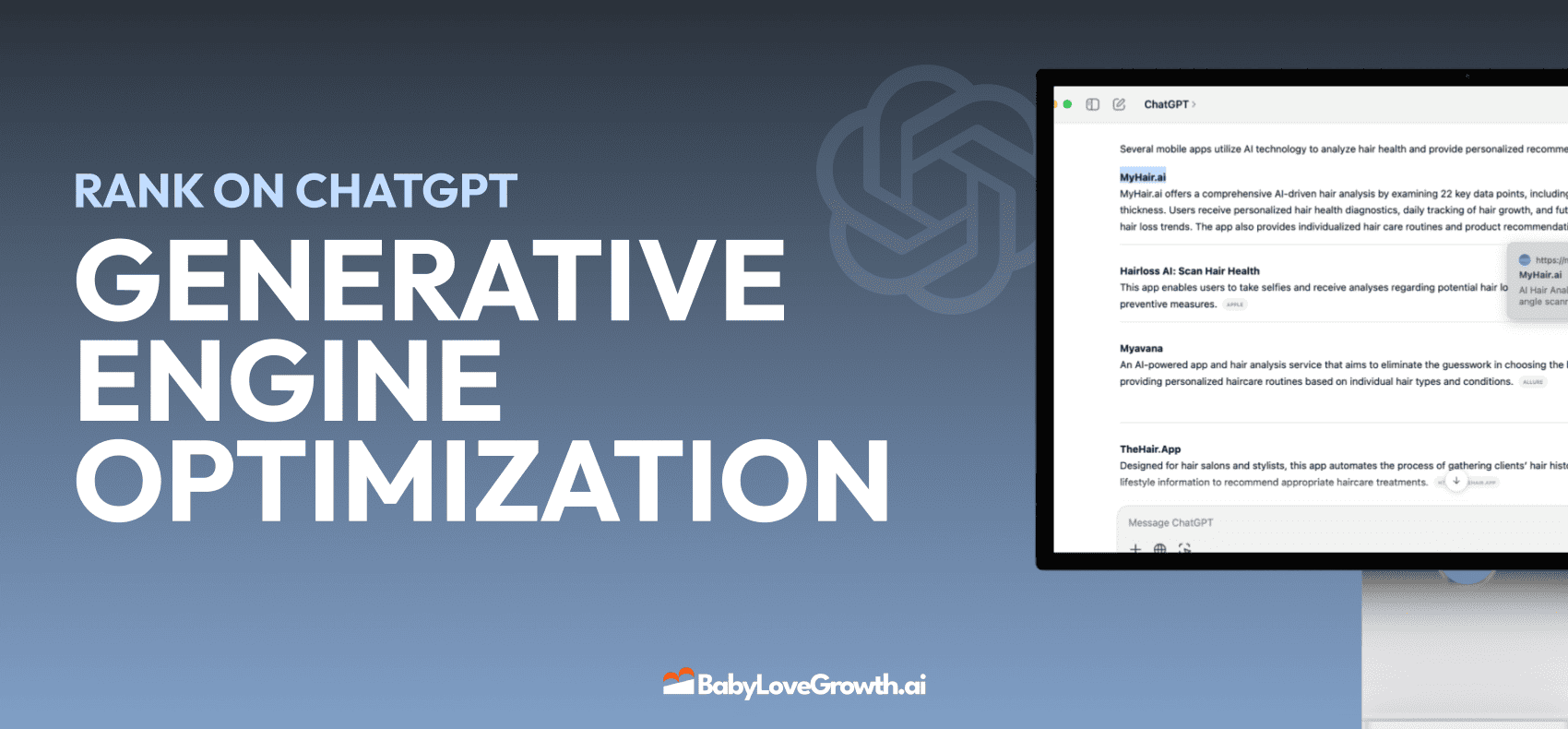
Generative Engine Optimization (GEO)
Learn how Generative Engine Optimization (GEO) helps your content rank in AI search engines like ChatGPT and Google AI. This comprehensive guide explains the differences between SEO and GEO, why it matters for your business, and practical steps to implement GEO strategies for better visibility in AI-generated responses.
DylenJan 18, 2025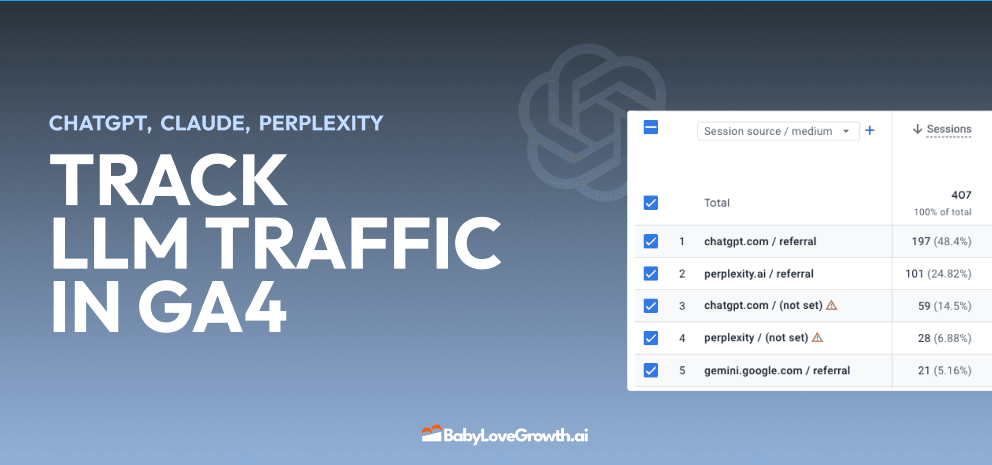
Track LLM Traffic in Google Analytics 4 (GA4)
Learn how to track and analyze traffic from AI sources like ChatGPT, Claude, Perplexity, and Google Gemini in Google Analytics 4. This step-by-step guide shows you how to set up custom filters to monitor AI-driven traffic and make data-driven decisions for your content strategy.
DylenMar 18, 2025
How to Humanize AI Text with Instructions
Learn practical techniques to make AI-generated content sound more natural and human. This guide covers active voice, direct addressing, concise writing, and other proven strategies to transform robotic text into engaging content.
DylenApril 7, 2025
Moz DA vs Ahrefs DR: Which Metric Should You Actually Use?
Moz Domain Authority and Ahrefs Domain Rating look similar but measure very different things. Learn what each score actually tells you, when to use each one, and what to track instead for real SEO results in 2026.
DylenApr 23, 2026
Open AI Revenue and Statistics (2024)
Comprehensive analysis of OpenAI financial performance, user engagement, and market position in 2023. Discover key statistics including $20B valuation, $1B projected revenue, and 100M+ monthly active users.
DylenOctober 03, 2025
"Search Google or Type a URL": What It Means & What to Do
Learn what "Search Google or type a URL" actually means, how your browser decides whether to search or navigate, and what to do if your address bar starts behaving unexpectedly. Includes browser settings guides for Chrome, Firefox, Edge, and Safari.
DylenApr 21, 2026