Content Types for SEO—Boosting Organic Traffic Fast


Most American e-commerce teams now face the challenge of rising competition, and yet over 60% of online shoppers prefer brands with clear, engaging content. This shift matters for SEO professionals who want to stand out and drive sustainable growth using smarter strategies. Exploring how content types influence search visibility reveals new ways AI can simplify your process and attract the right audience without overwhelming your resources.
Table of Contents
- Defining Content Types In Modern SEO
- Major Content Formats And Their Purposes
- How Search Intent Shapes Content Structure
- AI-Driven Content Variations And Use Cases
- Risks Of Format Misalignment And SEO Failure
- Best Practices For Choosing Content Types
Key Takeaways
| Point | Details |
|---|---|
| Diverse Content Formats are Essential | A multifaceted approach incorporating various media enhances audience engagement and search engine visibility. |
| Align Content with Search Intent | Structuring content to match user motivations improves readability and boosts SEO performance. |
| Leverage AI for Content Creation | Utilizing AI tools can streamline content generation while ensuring relevance and personalization. |
| Regular Content Alignment Reviews are Crucial | Conducting audits to match content with current SEO standards and user expectations helps maintain performance. |
Defining Content Types in Modern SEO
Modern Search Engine Optimization (SEO) involves strategically developing diverse content types designed to capture audience attention and improve search rankings. Content types represent specific formats of digital material optimized to meet user search intent and enhance online visibility. While traditional approaches focused solely on text-based articles, contemporary SEO demands a multifaceted approach incorporating various media and interactive experiences.
Search engines now evaluate content through sophisticated semantic optimization techniques that analyze deeper contextual meaning beyond simple keyword matching. These advanced algorithms prioritize high-quality content that demonstrates genuine user value across multiple dimensions including text, visual elements, and interactive experiences.
Content types in modern SEO typically encompass several strategic formats:
- Blog articles and long-form guides
- Infographics and visual explanatory content
- Video tutorials and explainer media
- Podcasts and audio content
- Interactive tools and calculators
- Webinars and live streaming presentations
- Case studies and research reports
Successful SEO content requires understanding audience needs and creating material that simultaneously satisfies human readers and search engine algorithms. Each content type must be meticulously crafted with clear structure, semantic relevance, and genuine informational value.
Pro tip: Diversify your content strategy by creating complementary formats that address different learning styles and search intents, maximizing your potential for organic discovery.
Major Content Formats and Their Purposes
Modern SEO demands a strategic approach to content creation that goes beyond traditional text-based articles. Content formats play a critical role in capturing audience attention and satisfying search engine algorithms. Academic SEO research highlights the importance of diverse content types that can effectively communicate information across multiple channels.
The primary content formats in contemporary digital marketing and SEO include:
- Long-form Blog Posts and Guides: Comprehensive articles providing in-depth insights
- Infographics: Visual representations of complex data and concepts
- Video Content: Engaging multimedia explanations and tutorials
- Podcasts: Audio-based storytelling and information sharing
- Interactive Tools: Calculators, quizzes, and dynamic user experiences
- Case Studies: Detailed narratives demonstrating real-world problem solving
- Webinars: Live or recorded expert presentations and training sessions
Each content format serves a unique purpose in the SEO ecosystem. Blog posts and guides offer comprehensive information and target long-tail keywords, while infographics provide quick visual understanding. Video content captures audience attention through dynamic storytelling, and interactive tools encourage user engagement and longer site visits. The key is to create content that not only ranks well but also provides genuine value to the target audience.

Successful content strategies integrate multiple formats to address different user preferences and search intents. This approach ensures broader reach, increased user interaction, and improved search engine visibility across various digital platforms.
Here's a comparison of modern SEO content formats and their major business benefits:
| Content Format | Primary Goal | SEO Benefit |
|---|---|---|
| Blog Posts & Guides | Comprehensive explanations | Targets long-tail keywords |
| Infographics | Visual data simplification | Attracts backlinks and shares |
| Video Content | Audience engagement | Increases dwell time and visibility |
| Interactive Tools | User interaction and analysis | Enhances engagement and site visits |
| Podcasts | Audio-based learning | Expands reach beyond search traffic |
| Webinars | Real-time education | Establishes authority and trust |
| Case Studies | Trust-building proof | Demonstrates E-E-A-T for algorithms |
Pro tip: Create a content mix that strategically leverages different formats to maximize audience engagement and search engine optimization potential.
How Search Intent Shapes Content Structure
Search intent represents the underlying motivation behind a user's online query, fundamentally determining how content should be structured and presented. Content structure influences SEO by directly impacting readability, user engagement, and search engine comprehension. Understanding the nuanced relationship between search intent and content organization is critical for developing high-performing digital content.
Four primary search intent categories typically guide content development:
- Informational Intent: Users seeking knowledge or answers
- Navigational Intent: Users looking for specific websites or pages
- Transactional Intent: Users prepared to make a purchase or take action
- Commercial Investigation Intent: Users comparing products or services before deciding
Each intent category demands a unique content approach. Informational content requires comprehensive, detailed explanations with clear headings and structured information. Transactional content needs concise, action-oriented language with prominent calls-to-action. Commercial investigation content should provide balanced, comparative insights that help users make informed decisions.
Search engines increasingly use sophisticated algorithms to match content structure with user intent. This means content must not only include relevant keywords but also demonstrate a clear understanding of the user's underlying question or goal. Successful content anticipates user needs, provides direct answers, and presents information in a logical, easily digestible format that matches the specific search intent.
This summary table outlines how aligning content with search intent maximizes both user satisfaction and SEO performance:
| Search Intent Type | Ideal Content Structure | SEO Impact |
|---|---|---|
| Informational | Detailed, organized explanations | Ranks for question keywords |
| Navigational | Clear navigation, concise labeling | Increases direct visit likelihood |
| Transactional | Prominent CTAs, clear offers | Boosts conversion-driven queries |
| Commercial Investigation | Comparison tables, unbiased reviews | Attracts high-intent traffic |
Pro tip: Analyze top-ranking pages for your target keywords to understand how successful content matches specific search intent and structures information.
AI-Driven Content Variations and Use Cases
Artificial Intelligence is revolutionizing content creation and SEO strategies by enabling unprecedented levels of personalization and efficiency. Generative Engine Optimization represents a groundbreaking approach that transforms how digital content is developed and optimized for AI-powered search environments. Modern marketers must understand how AI can generate diverse content variations that meet complex user and algorithmic requirements.
AI-driven content generation encompasses several critical use cases:
- Personalized Marketing Content: Tailoring messages to specific audience segments
- Multilingual Content Creation: Generating translations and localized materials
- Dynamic Product Descriptions: Automatically generating unique, SEO-friendly descriptions
- Interactive Content Generation: Creating quizzes, calculators, and engagement tools
- Semantic Content Structuring: Optimizing content for machine readability
- Automated Research Summaries: Condensing complex information into digestible formats
- Predictive Content Recommendations: Suggesting relevant topics based on user behavior
The sophistication of AI tools allows for unprecedented content variation and optimization. Natural language processing enables content generation that goes beyond simple keyword stuffing, creating contextually relevant materials that understand user intent and search engine requirements. Successful implementation requires a strategic approach that balances AI capabilities with human creativity and domain expertise.
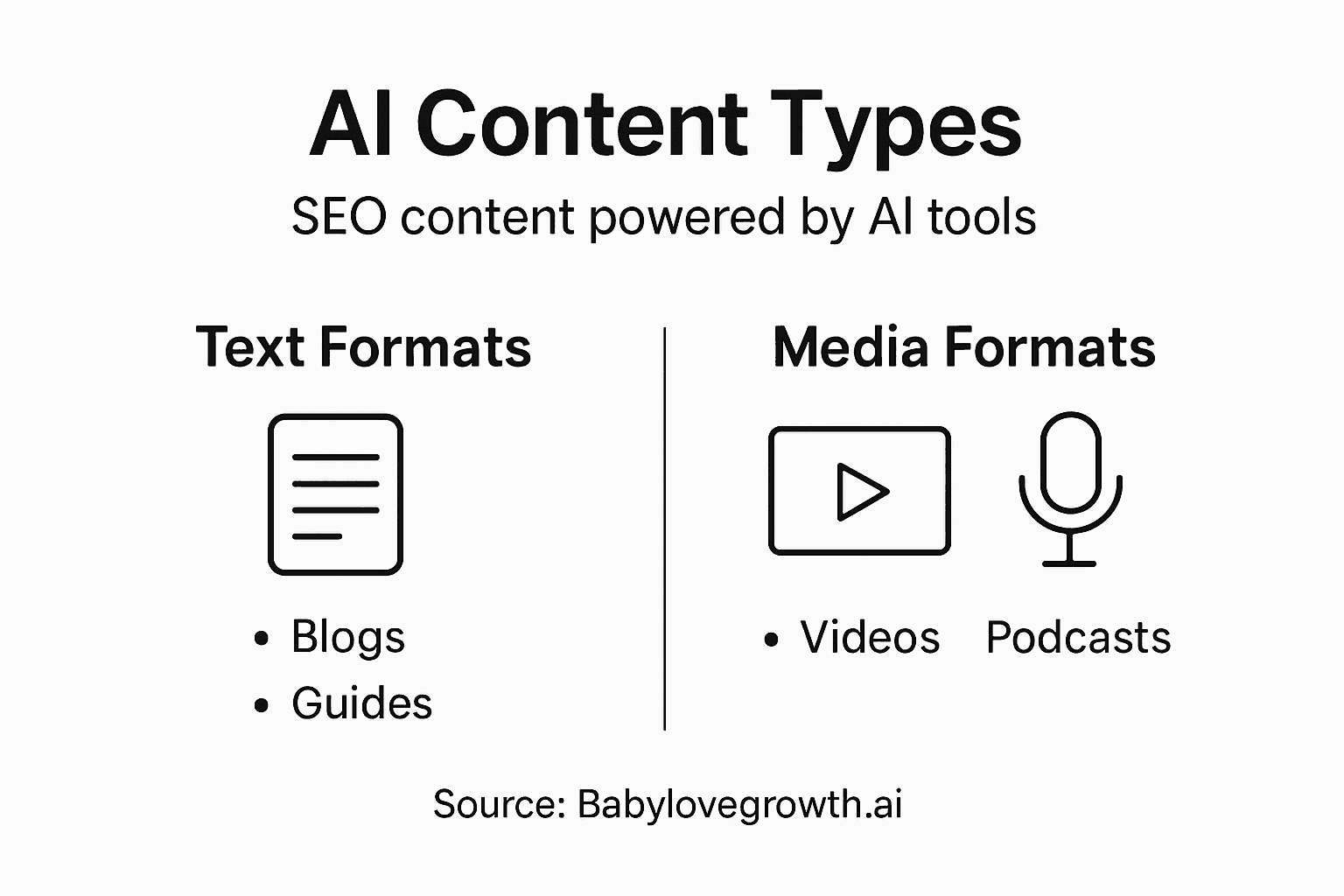
Content creators must remain adaptable, continuously learning how to leverage AI tools effectively while maintaining authenticity and value. The future of SEO lies in understanding how to collaborate with AI systems, using them as powerful augmentation tools rather than complete replacements for human insight and creativity.
Pro tip: Experiment with AI content generation tools systematically, always conducting thorough human review and editing to ensure quality and alignment with your brand voice.
Risks of Format Misalignment and SEO Failure
Content format misalignment represents a critical threat to organic search performance, potentially decimating a website's visibility and user engagement. SEO format penalties can dramatically reduce traffic when content fails to meet search engine expectations and user intent. Understanding these risks is essential for developing strategic, aligned content that resonates with both algorithmic requirements and human readers.
Key risks of content format misalignment include:
- Increased Bounce Rates: Irrelevant or poorly structured content causing immediate user departure
- Ranking Degradation: Search engines penalizing content that doesn't match user search intent
- Reduced Crawl Efficiency: Complex or unstructured content hampering search engine indexing
- Diminished User Experience: Content that fails to provide clear, accessible information
- Algorithmic Discrimination: Advanced search algorithms detecting and downgrading misaligned content
- Credibility Loss: Inconsistent or low-quality content undermining brand perception
Successful content strategies require meticulous attention to format alignment. This means creating content that not only includes relevant keywords but also matches the specific user intent behind search queries. Search engines have become increasingly sophisticated in detecting nuanced content quality, moving beyond simple keyword matching to evaluate semantic relevance, user engagement metrics, and overall content utility.
Navigating these complex requirements demands a proactive approach. Content creators must continuously analyze their material from both user and algorithmic perspectives, ensuring that every piece of content serves a clear purpose and provides genuine value. Regular content audits, user feedback analysis, and performance tracking are crucial for maintaining alignment and preventing potential SEO failures.
Pro tip: Conduct monthly content alignment reviews, comparing your pages against top-ranking competitors to identify and rectify potential format and intent mismatches.
Best Practices for Choosing Content Types
Content selection represents a critical strategic decision for maximizing organic search performance. Content type optimization requires careful analysis of audience needs, search intent, and technical SEO requirements. Understanding the nuanced relationship between content format and search engine algorithms is fundamental to developing high-performing digital assets.
Key considerations for content type selection include:
- Audience Demographics: Understanding target audience learning preferences
- Search Intent Alignment: Matching content format to specific user queries
- Competitive Landscape Analysis: Identifying content gaps and opportunities
- Technical SEO Requirements: Ensuring compatibility with search engine crawling
- Resource Investment: Balancing content creation complexity and potential returns
- Performance Metrics: Tracking engagement, conversion, and ranking potential
- Cross-Platform Accessibility: Creating content adaptable to multiple devices
Successful content strategies demand a holistic approach that transcends traditional keyword optimization. Modern SEO requires creating content that provides genuine value, answers user questions comprehensively, and demonstrates expertise through sophisticated, well-structured formats. This means moving beyond simple text-based articles to develop interactive, multimedia experiences that engage users and satisfy search engine algorithms.
Effective content type selection is not a one-time event but an ongoing process of experimentation, measurement, and refinement. Content creators must remain agile, continuously analyzing performance metrics, user feedback, and emerging technological trends to adapt their content strategies effectively.
Pro tip: Develop a quarterly content audit process that systematically evaluates the performance of different content types and identifies opportunities for format optimization.
Elevate Your SEO Strategy with AI-Optimized Content Types
The challenge outlined in the article highlights how aligning your content types with user search intent is essential to avoid SEO pitfalls like increased bounce rates and ranking drops. Many businesses struggle with creating diverse, high-quality formats that satisfy both human readers and search engine algorithms. Key pain points include struggling to produce engaging videos, interactive tools, or well-structured blog posts that truly capture organic traffic fast. The article emphasizes the importance of semantic relevance, format alignment, and AI-driven content variations to maximize your SEO results.
At Babylovegrowth.ai, we understand these critical needs. Our AI-powered platform automates the creation of optimized content types tailored to your audience’s specific search intent. Whether you need comprehensive blog articles, multimedia assets, or dynamic tools, our system crafts them with precision to boost visibility on Google and ChatGPT. Experience the power of a 30-day personalized content plan combined with an innovative backlinks exchange ecosystem designed to multiply your organic traffic without the usual hassle or guesswork.
Unlock the potential of AI-driven SEO that addresses your pain points and accelerates your growth.
Discover how to simplify complex SEO content strategies and stay ahead in the competitive digital landscape.
Looking to transform your content strategy and dominate search results?
Visit Babylovegrowth.ai now to start your free trial and experience automated, high-quality SEO content that perfectly matches your audience’s intent and maximizes organic growth. Don’t wait let AI-powered solutions take your SEO to the next level today.
Frequently Asked Questions
What are the different content types used in modern SEO?
Content types in modern SEO include blog articles, infographics, video content, podcasts, interactive tools, webinars, and case studies. Each type serves a unique purpose in engaging audiences and improving search rankings.
How does search intent influence content structure for SEO?
Search intent categorizes user motivations into informational, navigational, transactional, and commercial investigation. Each type requires a tailored content structure to maximize user satisfaction and SEO performance.
What are the risks of content format misalignment in SEO?
Content format misalignment can lead to increased bounce rates, ranking degradation, reduced crawl efficiency, diminished user experience, algorithmic discrimination, and loss of credibility, all of which negatively impact organic search performance.
How can I choose the right content types for my SEO strategy?
To select the right content types, consider audience demographics, search intent alignment, performance metrics, competitive landscape analysis, and resource investment. Continuous monitoring and adaptation are essential for successful content strategies.
Recommended
Smart SEO,
Faster Growth!
Most Read Articles
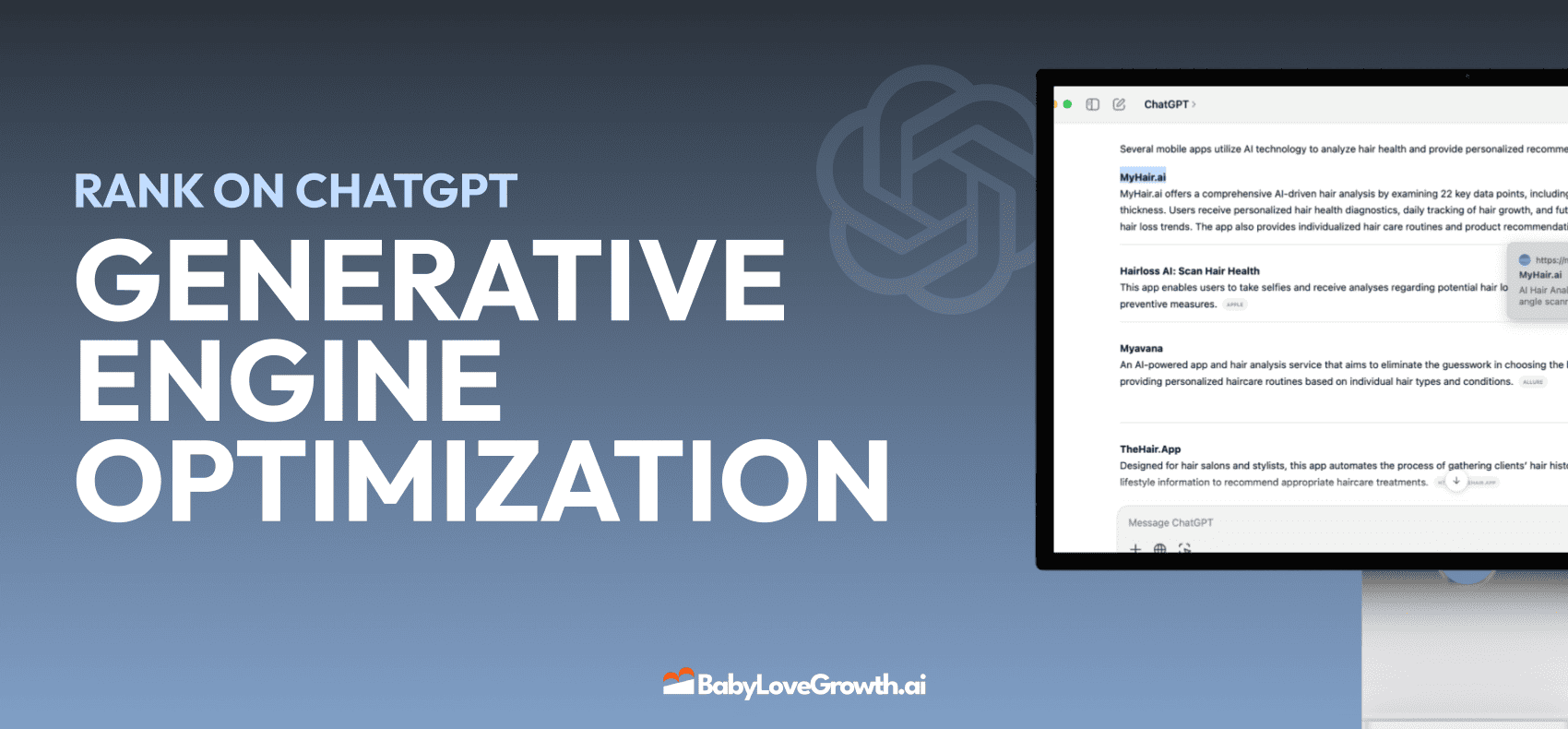
Generative Engine Optimization (GEO)
Learn how Generative Engine Optimization (GEO) helps your content rank in AI search engines like ChatGPT and Google AI. This comprehensive guide explains the differences between SEO and GEO, why it matters for your business, and practical steps to implement GEO strategies for better visibility in AI-generated responses.
DylenJan 18, 2025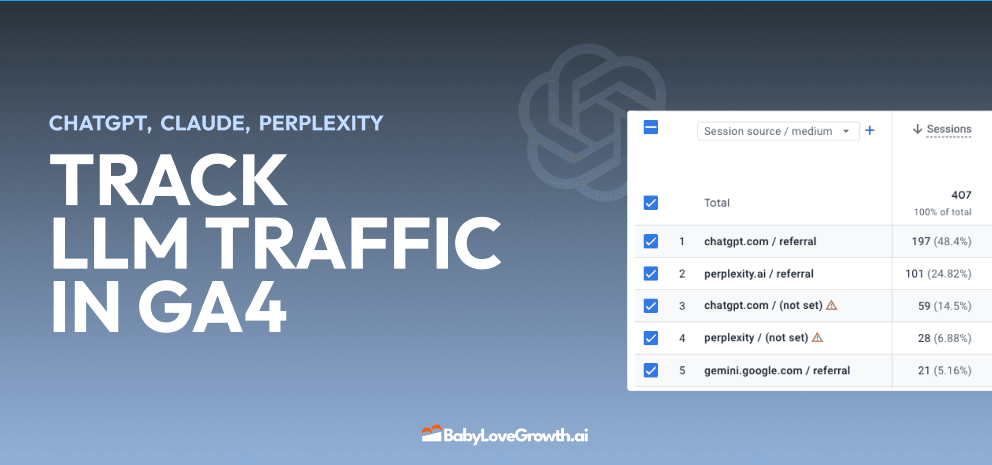
Track LLM Traffic in Google Analytics 4 (GA4)
Learn how to track and analyze traffic from AI sources like ChatGPT, Claude, Perplexity, and Google Gemini in Google Analytics 4. This step-by-step guide shows you how to set up custom filters to monitor AI-driven traffic and make data-driven decisions for your content strategy.
DylenMar 18, 2025
How to Humanize AI Text with Instructions
Learn practical techniques to make AI-generated content sound more natural and human. This guide covers active voice, direct addressing, concise writing, and other proven strategies to transform robotic text into engaging content.
DylenApril 7, 2025
Open AI Revenue and Statistics (2024)
Comprehensive analysis of OpenAI financial performance, user engagement, and market position in 2023. Discover key statistics including $20B valuation, $1B projected revenue, and 100M+ monthly active users.
DylenOctober 03, 2025