Master the Content Creation Process for SEO Success


Choosing the right strategy can feel like a guessing game when client goals and audience behaviors keep shifting. Clear direction depends on truly understanding who you are creating content for and how modern tools can help. By using SEO personas with advanced AI research methods, you set the stage for targeted, high-performing content that moves the needle for organic growth and user experience.
Table of Contents
- Step 1: Define Strategic Goals And Audience Personas
- Step 2: Discover Profitable Keywords Using AI Tools
- Step 3: Develop An Actionable Content Plan For Organic Growth
- Step 4: Create High-Quality SEO-Driven Content Assets
- Step 5: Optimize Structure And Links For Search Relevance
- Step 6: Verify Performance And Refine With Data Insights
Quick Summary
| Key Insight | Explanation |
|---|---|
| 1. Define Your Audience Personas | Develop detailed semi-fictional profiles representing your target market to create effective content. |
| 2. Utilize AI for Keywords | Leverage AI tools to identify valuable keywords and analyze search intent for content optimization. |
| 3. Create a Structured Content Plan | Organize keywords into content clusters, targeting different stages of the customer journey. |
| 4. Prioritize Quality Over Quantity | Focus on high-quality, in-depth content that addresses user needs while incorporating SEO strategies. |
| 5. Measure and Refine Performance | Continuously analyze key metrics to iterate and improve content effectiveness based on data insights. |
Step 1: Define strategic goals and audience personas
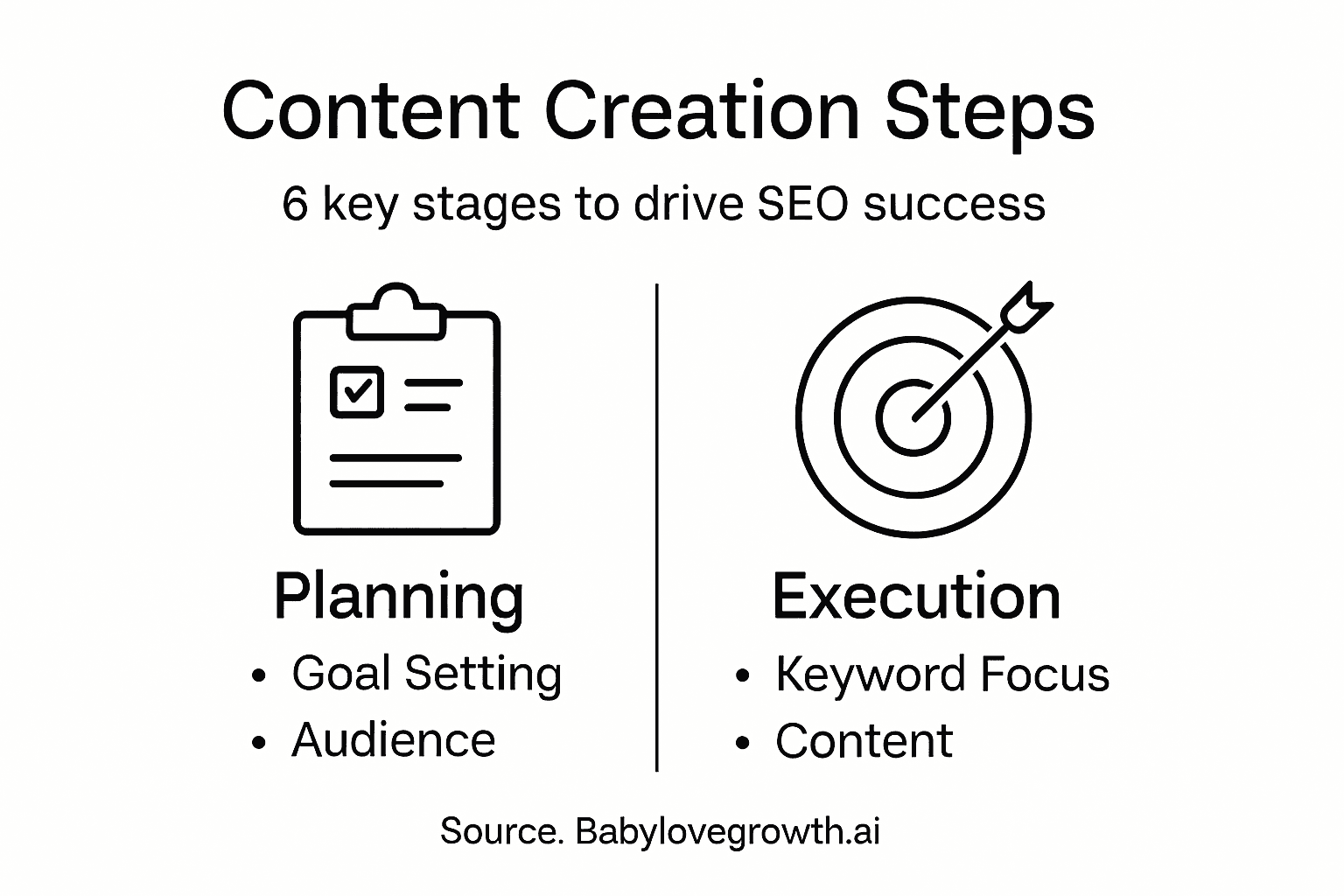
Successful content marketing begins with understanding who you are creating content for and why. Your strategic goals and audience personas form the critical foundation that drives every piece of content you develop.
To craft effective SEO personas, start by analyzing your current customer base and identifying the most valuable segments. Look beyond basic demographic information and dig deep into behavioral patterns. What motivates your ideal customers? What challenges do they face? What questions are they asking online? Developing semi-fictional profiles that represent different audience segments helps you create targeted content that resonates.
Begin mapping out your personas by collecting data through multiple channels: website analytics, customer surveys, social media insights, and direct customer interviews. Create 3-5 detailed personas that capture the diversity of your target market. Each persona should include key details such as job role, professional challenges, information seeking behaviors, and primary search motivations. For instance, a B2B technology persona might include their typical technology stack, decision making authority, and primary pain points in their workflow.
Here is a summary of recommended channels for gathering persona data:
| Channel | Type of Insight Collected | Business Benefit |
|---|---|---|
| Website Analytics | User behavior, visit trends | Locates high-value content areas |
| Customer Surveys | Preferences, pain points | Uncovers unmet customer needs |
| Social Media Insights | Engagement, topical interests | Reveals emerging audience trends |
| Direct Interviews | Motivations, challenges | Deepens understanding of personas |
Pro tip: Regularly update your audience personas every 6-12 months to ensure they remain accurate and reflect current market dynamics.
Step 2: Discover profitable keywords using AI tools
Understanding how to identify valuable keywords is crucial for creating content that attracts and converts your target audience. AI technology has revolutionized keyword research by providing deeper insights and more sophisticated analysis techniques.

Modern keyword discovery involves leveraging advanced AI language models that can understand complex search intent and user behaviors. These intelligent tools analyze massive datasets to uncover high potential keywords that traditional research methods might miss. Start by inputting broad topics related to your business or content strategy. AI tools will then generate comprehensive keyword suggestions, complete with search volume, competition level, and potential user intent.
Prioritize keywords by examining three critical factors: search volume, user intent, and competition difficulty. Look for long tail keywords with specific user queries that demonstrate clear commercial or informational intent. Create a spreadsheet tracking these keywords, noting their potential impact on your content strategy. Pay special attention to keywords that align closely with your audience personas and demonstrate strong conversion potential.
Pro tip: Cross reference AI generated keyword suggestions with your existing content performance data to validate and refine your keyword strategy.
Step 3: Develop an actionable content plan for organic growth
Creating a strategic content plan is the roadmap that transforms your keyword research into a powerful organic growth strategy. Your goal is to develop a comprehensive blueprint that systematically converts audience insights into high performing content.
Start by organizing your keywords into logical content clusters that align with your audience personas and business objectives. Content strategy development requires mapping each keyword cluster to specific content types like blog posts, guides, videos, or interactive resources. Prioritize topics based on search volume, user intent, and potential conversion value. Create a content calendar that balances evergreen topics with trending industry conversations, ensuring a steady stream of relevant and engaging material.
Implement a tiered content approach that addresses different stages of the customer journey. Develop bottom of funnel content targeting high intent keywords, middle of funnel educational pieces that build trust, and top of funnel awareness content that attracts broader audience segments. Track each piece of content's performance using key metrics like organic traffic, engagement rates, and conversion potential. Continuously refine your strategy by analyzing which content types and topics generate the most meaningful results for your business.
Compare the impact of optimizing different stages of the customer journey:
| Journey Stage | Content Focus | Typical Metrics to Monitor |
|---|---|---|
| Top of Funnel | Awareness, broad topics | Organic traffic, social shares |
| Middle of Funnel | Education, building trust | Time on page, engagement rates |
| Bottom of Funnel | Conversion, high intent | Lead generation, conversion rate |
Pro tip: Schedule quarterly content strategy reviews to adapt your plan based on performance data and emerging market trends.
Step 4: Create high-quality SEO-driven content assets
Transforming your strategic keyword research into compelling content requires a methodical approach that balances search engine optimization with genuine user value. Your ultimate goal is to produce content that not only ranks well but truly serves your audience's specific needs.
Successful content creation starts with understanding content optimization strategies that blend technical precision with authentic engagement. Begin by thoroughly analyzing your selected keywords and mapping them to clear user intents. Each content piece should solve a specific problem or answer a distinct user question. Structure your writing with clear headings, concise paragraphs, and logical flow that guides readers through complex information. Incorporate relevant multimedia elements like images, charts, or videos that enhance comprehension and provide additional context for your core message.
Prioritize depth and quality over word count. Research your topics extensively, drawing from authoritative sources and industry expertise. Create comprehensive content that goes beyond surface level information by including unique insights, original research, or expert perspectives that differentiate your work. Implement a rigorous editing process that ensures grammatical precision, factual accuracy, and readability. Use clear language that speaks directly to your target audience while naturally incorporating your target keywords in a way that feels organic and unforced.
Pro tip: Conduct a content audit every six months to identify and update existing assets with fresh information and emerging keyword opportunities.
Step 5: Optimize structure and links for search relevance
Creating search-friendly content requires strategic structural optimization that helps search engines understand and prioritize your content. Your objective is to design a clear, logical content architecture that enhances both user experience and search engine crawlability.
Begin by implementing a robust internal linking strategy that supports SEO performance. Connect related content through meaningful contextual links that guide readers through your website while establishing topic relevance. Use descriptive anchor text that provides clear context about the linked page, helping both users and search algorithms understand the relationship between different content pieces. Organize your content hierarchically with clear headings that follow a logical progression from H1 to H3 tags, ensuring each heading accurately reflects the section's core topic.
Pay special attention to your content's technical structure. Implement schema markup to provide search engines with additional context about your content. Optimize page load speeds by compressing images, minimizing complex scripts, and leveraging browser caching. Ensure your content is mobile responsive and includes clear calls to action that guide users through their information journey. Include comprehensive metadata that succinctly describes your content's value proposition, using target keywords strategically without sacrificing readability.
Pro tip: Use analytics tools to track internal link performance and continuously refine your site's content architecture for maximum search visibility.
Step 6: Verify performance and refine with data insights
Successful content marketing demands continuous measurement and strategic refinement. Your goal is to transform raw performance data into actionable insights that systematically improve your SEO and content strategy.
Begin by establishing a comprehensive analytics tracking system that captures key performance indicators across multiple dimensions. Monitor metrics such as organic traffic, average time on page, bounce rate, conversion rate, and keyword rankings. Create custom dashboards that provide real time visibility into your content's performance, allowing you to quickly identify both high performing assets and areas requiring optimization. Compare your content against benchmarks in your industry to understand relative performance and potential improvement opportunities.
Develop a data driven iterative process for content refinement. Analyze which pieces of content generate the most engagement and conversions, then systematically update and improve lower performing assets. Look for patterns in user behavior such as specific sections where readers lose interest or conversion points that underperform. Use advanced segmentation to understand how different audience personas interact with your content, tailoring your approach based on granular insights. Implement A/B testing for critical elements like headlines, meta descriptions, and calls to action to incrementally improve your content's effectiveness.
Pro tip: Schedule monthly content performance reviews to maintain a continuous improvement mindset and quickly adapt to changing audience needs.
Elevate Your SEO Content Creation with AI-Powered Precision
Mastering the content creation process for SEO success means overcoming challenges like pinpointing the right keywords, crafting targeted audience personas, and continuously optimizing your content structure and strategy. If you are striving to deliver high-quality, SEO-driven content that truly resonates with your audience while improving search engine rankings, then you understand how time-consuming and complex this can be.
Babylovegrowth.ai offers an all-in-one SaaS platform designed to address these exact pain points. With automated keyword discovery powered by advanced AI, a 30-day content planning system tailored to your audience insights, and seamless internal linking solutions that boost your search relevance, our platform helps you transform strategy into measurable organic growth. Experience the power of daily SEO articles, structured data markup automation, and comprehensive backlink building tools all in one place.

Ready to turn your content strategy into a scalable success story? Visit Babylovegrowth.ai today and explore how our AI-driven keyword discovery and content planning solutions can streamline your SEO efforts and deliver real results now.
Frequently Asked Questions
How do I define audience personas for my content creation?
To define audience personas, analyze your existing customer base and identify valuable segments. Collect data from website analytics, customer surveys, and social media insights to create 3-5 detailed profiles that reflect the diverse needs and challenges of your target market.
What are the key steps in discovering profitable keywords for SEO?
The key steps include leveraging AI tools to analyze broad topics related to your business, identifying long-tail keywords with high search volume and specific user intent, and organizing these keywords in a spreadsheet. Focus on keywords that align closely with your audience personas to enhance your content’s conversion potential.
How should I structure my content plan for effective SEO?
Organize your keywords into logical content clusters based on audience personas and business goals. Create a content calendar that includes a mix of evergreen and trending topics, ensuring a steady workflow that addresses different stages of the customer journey.
What are effective methods for creating high-quality SEO content?
Start by understanding content optimization strategies that merge technical SEO with user engagement. Research extensively, include multimedia elements, and ensure your writing directly addresses user needs while incorporating target keywords naturally.
How can I optimize my content's structure for better search relevance?
Implement internal linking that connects related content and establish clear hierarchy using headings. Pay attention to technical aspects such as page load speeds, mobile responsiveness, and schema markup to enhance your content’s visibility to search engines.
What metrics should I track to verify my content performance?
Monitor key performance indicators such as organic traffic, average time on page, and conversion rates to gauge how well your content is performing. Set up custom dashboards to get real-time insights and schedule monthly reviews to adjust your strategy as needed.
Recommended
Smart SEO,
Faster Growth!
Most Read Articles
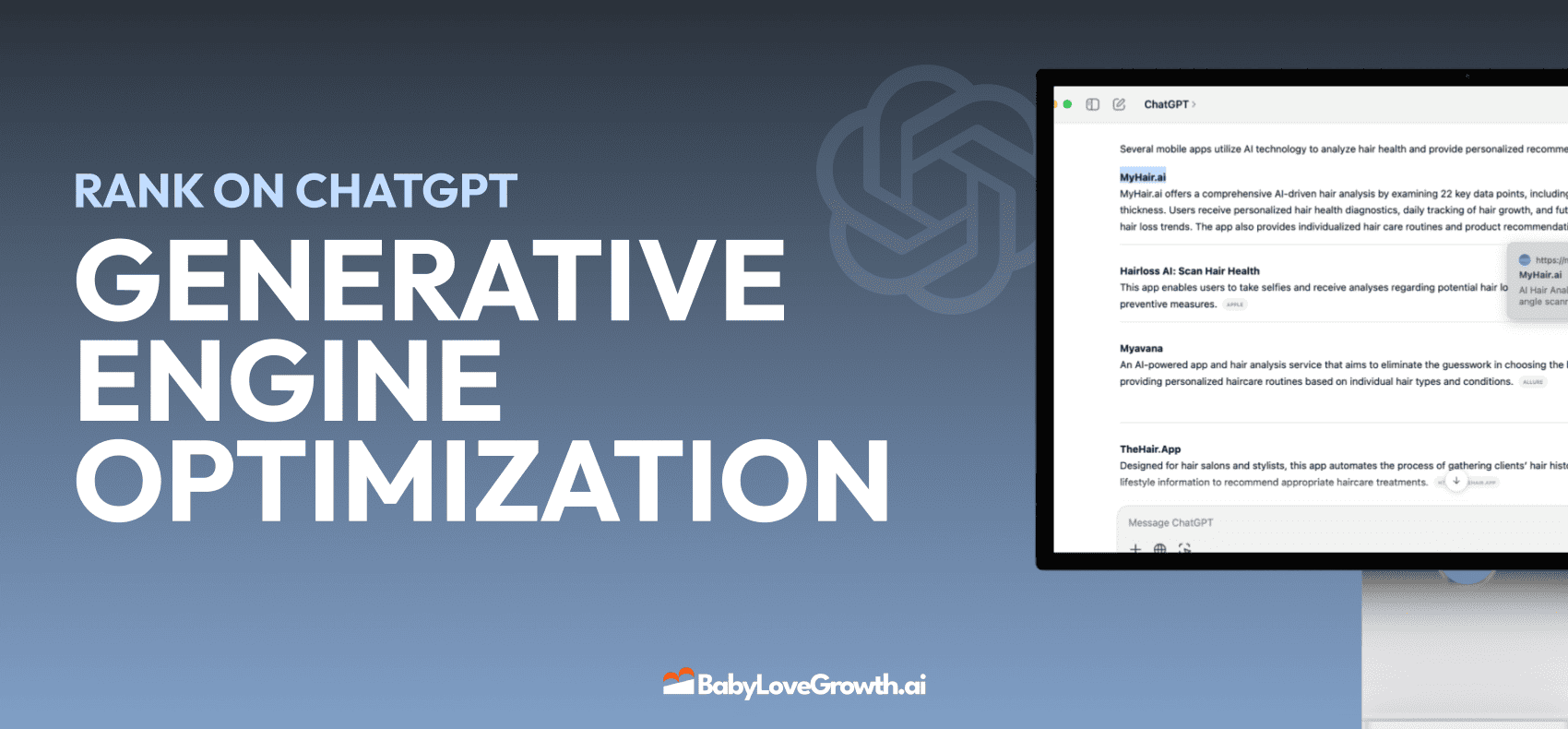
Generative Engine Optimization (GEO)
Learn how Generative Engine Optimization (GEO) helps your content rank in AI search engines like ChatGPT and Google AI. This comprehensive guide explains the differences between SEO and GEO, why it matters for your business, and practical steps to implement GEO strategies for better visibility in AI-generated responses.
DylenJan 18, 2025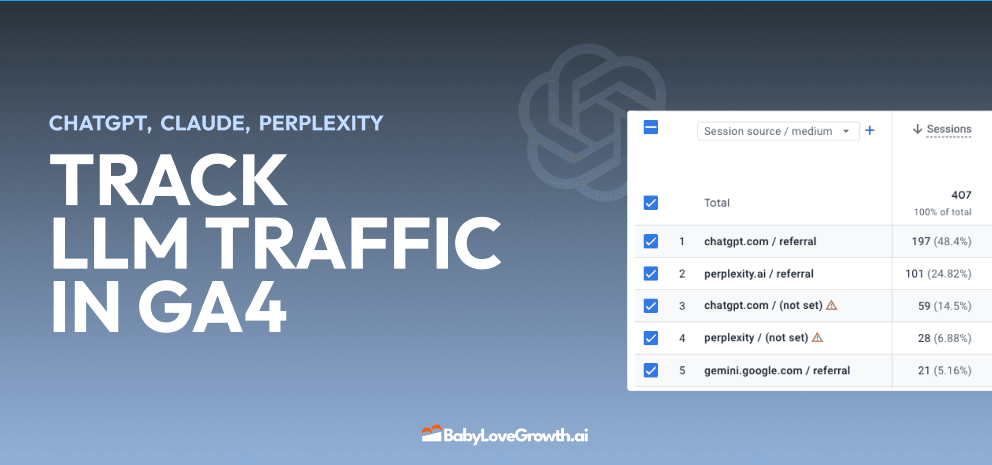
Track LLM Traffic in Google Analytics 4 (GA4)
Learn how to track and analyze traffic from AI sources like ChatGPT, Claude, Perplexity, and Google Gemini in Google Analytics 4. This step-by-step guide shows you how to set up custom filters to monitor AI-driven traffic and make data-driven decisions for your content strategy.
DylenMar 18, 2025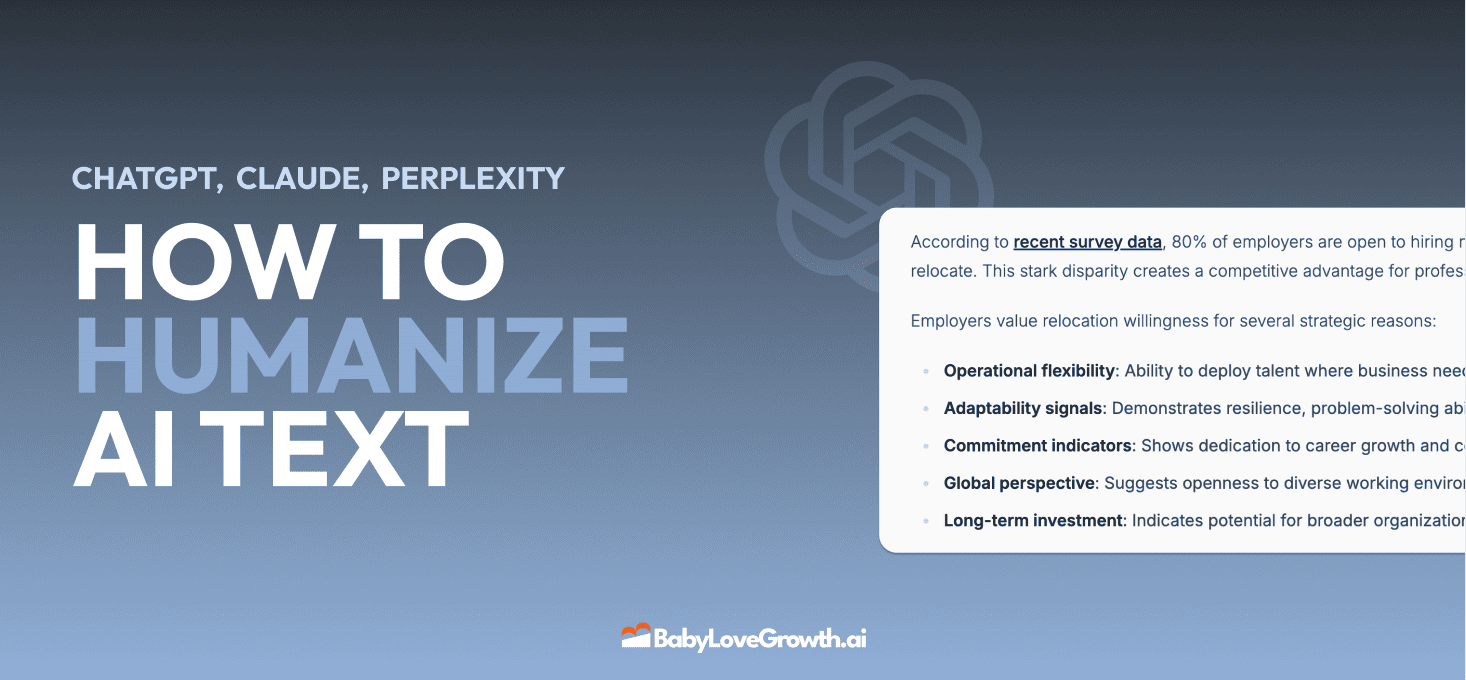
How to Humanize AI Text with Instructions
Learn practical techniques to make AI-generated content sound more natural and human. This guide covers active voice, direct addressing, concise writing, and other proven strategies to transform robotic text into engaging content.
DylenApril 7, 2025
Open AI Revenue and Statistics (2024)
Comprehensive analysis of OpenAI financial performance, user engagement, and market position in 2023. Discover key statistics including $20B valuation, $1B projected revenue, and 100M+ monthly active users.
DylenOctober 03, 2025