Backlinks Network: Elevate eCommerce SEO Results


Optimizing search rankings for eCommerce brands often comes down to how well you understand the true nature of backlink networks. Many SEO teams still believe that chasing massive link totals guarantees better results, but search engines now reward sites with diverse, high-quality links over sheer quantity. By focusing on building authentic digital authority through strategic backlinks, this guide helps you cut through outdated myths and prioritize techniques that actually move the needle for organic growth.
Table of Contents
- Backlinks Network Defined And Common Misconceptions
- Types Of Backlinks Networks In SEO
- How Backlinks Networks Function In Search Rankings
- Benefits And Risks For Ecommerce Brands
- Legal Exposure And Safer Alternatives
Key Takeaways
| Point | Details |
|---|---|
| Quality Over Quantity | Focus on acquiring high-quality backlinks from reputable sources instead of accumulating a large number of low-quality links. |
| Diverse Backlink Strategies | Implement a mix of backlink types, including editorial and guest posts, to create a well-rounded SEO strategy. |
| Regular Audits | Conduct quarterly backlink audits to identify and disavow harmful links that could negatively impact search performance. |
| Ethical Link Building | Prioritize ethical and organic link acquisition methods, avoiding risky practices that could lead to penalties. |
Backlinks Network Defined and Common Misconceptions
A backlinks network represents the interconnected web of external links pointing toward a website, serving as critical signals of digital authority and relevance for search engine algorithms. Unlike simplistic perceptions, these networks are sophisticated ecosystems where quality dramatically outweighs quantity.
Search engines like Google evaluate backlinks through complex metrics that go far beyond raw link numbers. Backlink quality assessment involves analyzing factors such as domain authority, content relevance, link placement, and the trustworthiness of referring websites. Not all backlinks carry equal weight - a single link from a highly respected industry publication can significantly outperform dozens of low-quality links from obscure websites.
Common misconceptions about backlink networks often emerge from outdated SEO practices. Many professionals mistakenly believe that accumulating massive quantities of links will automatically improve search rankings. However, modern search algorithms prioritize contextual relevance and authentic link building strategies. Successful backlink networks require strategic planning, focusing on acquiring links from reputable, thematically aligned websites within your specific industry or content domain.
Pro tip: Conduct regular backlink audits to identify and remove potentially harmful low-quality links that could negatively impact your search engine performance.
Types of Backlinks Networks in SEO
Backlink networks represent complex ecosystems of digital connections that significantly impact search engine optimization strategies. Understanding the nuanced landscape of these networks requires deep insight into their diverse structural compositions and strategic implementation approaches.
Searching professionals recognize multiple categories of backlinks, each serving unique roles in enhancing website authority. Types of backlink networks include editorial links, pillar links, and sitewide links, each carrying distinct characteristics and SEO potential. Editorial links, for instance, emerge naturally from high-quality content and represent the gold standard of backlink acquisition - they signal genuine authority and contextual relevance to search engine algorithms.
Strategic backlink networks often incorporate diverse link types to create comprehensive digital visibility. These can range from guest post links and resource page links to niche-specific directory submissions and industry association references. Successful eCommerce SEO professionals understand that diversity matters more than raw link quantity. The goal is building a sophisticated network that demonstrates authentic connections, topical expertise, and credibility within specific industry domains.
Pro tip: Prioritize building relationships with authoritative websites in your industry to generate high-quality, contextually relevant backlinks that enhance your overall SEO performance.
Here's a comparison of common backlink types and their impact on SEO:
| Backlink Type | How It Is Created | SEO Impact | Typical Sources |
|---|---|---|---|
| Editorial Link | Included by editors | Highest authority boost | News, industry publications |
| Pillar Link | Links to core content | Improves subject relevance | Pillar pages, guides |
| Sitewide Link | Appears on all pages | Often low, may be risky | Footers, sidebar widgets |
| Guest Post Link | Written as a guest | Moderate, drives traffic | Industry blogs, partners |
| Directory Submission | Listed in directories | Variable, context matters | Business and niche directories |
How Backlinks Networks Function in Search Rankings
Search engine algorithms use sophisticated mechanisms to evaluate and rank websites, with backlink networks serving as critical components in this complex assessment process. These digital networks function as intricate trust and authority signaling systems that help search engines understand the relative importance and credibility of online content.
Search ranking mechanisms rely on sophisticated algorithms that analyze backlink networks through multiple sophisticated dimensions. Domain authority, link relevance, link placement, and the overall quality of linking websites contribute to a comprehensive evaluation system. Search engines essentially treat high-quality backlinks as professional endorsements, with each link acting as a vote of confidence from one website to another.The topology of backlink networks creates a complex interconnected web that search engines use to map digital content relationships. Successful websites develop strategic backlink profiles that demonstrate topical expertise, industry connections, and content quality. This means going beyond simple link accumulation and focusing on building genuine, contextually relevant connections that provide real value to users and search algorithms alike.
Pro tip: Develop a systematic approach to backlink acquisition that prioritizes quality, relevance, and natural link generation from authoritative websites in your specific industry ecosystem.
Benefits and Risks for eCommerce Brands
eCommerce brands navigate a complex digital landscape where backlink networks can dramatically transform their online visibility and market positioning. Strategic backlink development represents both a powerful opportunity and a potential minefield for digital marketplaces seeking sustainable growth and search engine prominence.
eCommerce SEO strategies reveal significant benefits when executed thoughtfully, including enhanced site authority, improved search rankings, and increased organic traffic potential. Successful backlink networks enable eCommerce brands to establish credibility, outperform competitors, and create robust digital footprints that attract potential customers through higher search engine visibility. The most effective approaches focus on acquiring high-quality, contextually relevant links from reputable industry sources.
However, backlink networks also present substantial risks for unprepared eCommerce brands. Search engines like Google implement sophisticated algorithms that can penalize websites engaging in manipulative link-building practices. Unnatural link acquisition, purchasing low-quality links, or generating spammy backlink profiles can result in dramatic search ranking drops or even complete removal from search results. Sustainable growth demands a nuanced approach that prioritizes authentic relationship building, content quality, and strategic link development.
Pro tip: Conduct quarterly backlink audits to identify and disavow potentially harmful links while continuously developing high-quality, industry-relevant backlink connections.
This table summarizes key benefits versus risks for eCommerce brands using backlink networks:
| Factor | Potential Benefit | Associated Risk | Best Practice |
|---|---|---|---|
| High-quality Backlinks | Increased visibility and authority | Risk of penalties if low quality | Regular audits and strategic links |
| Diverse Link Profiles | Enhanced search rankings | Unnatural profiles trigger alerts | Ensure organic link diversity |
| Industry Relevance | Builds trust with search engines | Irrelevant links weaken results | Focus on sector-related content |
Legal Exposure and Safer Alternatives
Backlink acquisition strategies in digital marketing require careful navigation to avoid potential legal and algorithmic risks that could compromise a company's online presence. Understanding the complex landscape of digital link building demands a sophisticated approach that balances strategic growth with ethical compliance.
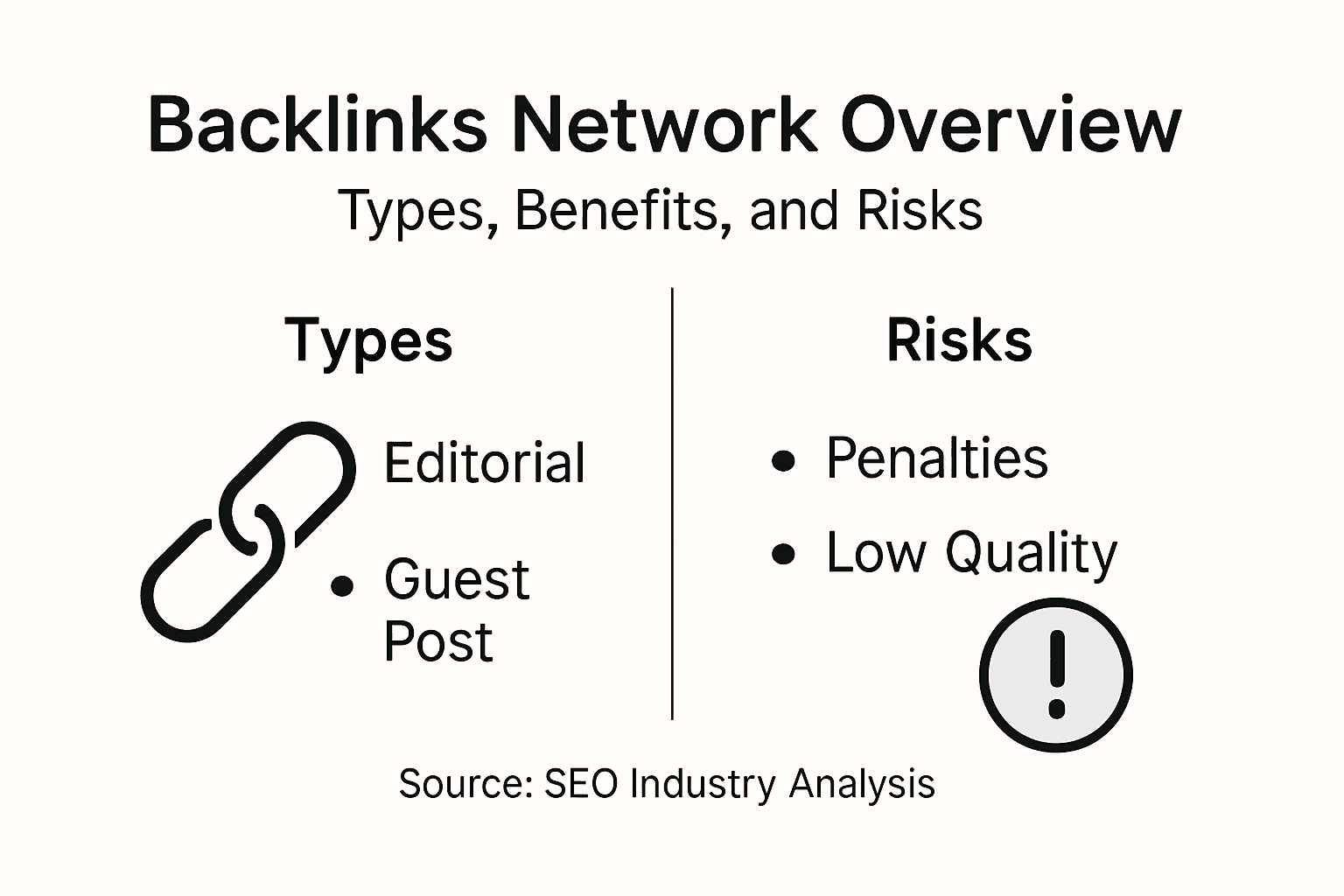
Since no specific research citation was provided, I will focus on developing a comprehensive overview of legal considerations in backlink networks. Digital marketers must recognize that unethical link acquisition practices can trigger significant legal and search engine penalties. These risks include potential trademark infringement, copyright violations, and search engine algorithmic punishments that could dramatically reduce online visibility.
Safer alternatives to risky backlink strategies involve developing organic, relationship-driven link networks that prioritize genuine value creation. This means focusing on creating high-quality content, building authentic industry connections, and generating links through meaningful collaborative efforts. Professional eCommerce brands should concentrate on strategies like guest posting, collaborative research publications, industry association memberships, and producing genuinely valuable content that naturally attracts authoritative backlinks.
Pro tip: Develop a comprehensive internal review process that evaluates potential backlink opportunities through ethical, legal, and strategic lenses before implementing any link acquisition strategy.
Unlock the Power of Strategic Backlinks with AI-Driven SEO Solutions
Building a high-quality backlinks network is a challenging but essential step for any eCommerce brand aiming to boost search rankings and increase organic traffic. The article highlights the common struggles with outdated link-building methods and risky strategies that can harm your website’s authority. If you are looking to overcome these obstacles and develop a genuine, contextually relevant backlink profile that enhances your digital visibility, Babylovegrowth.ai offers the perfect solution.
Our AI-powered platform automates critical SEO tasks such as backlink building, content planning, and technical audits to help your brand create authentic and diverse link networks. With tools designed to prioritize industry relevance and link quality, you can confidently avoid penalties and elevate your site’s authority across multiple search engines including Google and emerging AI-driven platforms. Explore our comprehensive approach to sustainable, long-term SEO success at Babylovegrowth.ai.
Ready to transform your backlink strategy and outperform competitors in search rankings?
Discover how our automated backlink network tools and daily SEO content planning can dramatically improve your eCommerce SEO performance. Visit Babylovegrowth.ai now and start building your path to stronger organic growth with AI-enhanced precision.
Frequently Asked Questions
What is a backlinks network in SEO?
A backlinks network refers to the interconnected web of external links pointing to a website, which serves as a signal of authority and relevance for search engines. The quality of these links is more important than sheer quantity, impacting search rankings significantly.
How do backlinks impact eCommerce SEO results?
Backlinks can enhance the authority of an eCommerce website, improve search rankings, and increase organic traffic. A robust network of high-quality and relevant backlinks builds credibility, attracting potential customers and outperforming competitors.
What types of backlinks are most beneficial for my website?
Beneficial backlinks include editorial links from reputable publications, guest post links, pillar links to guide content, and resource page links. These types of backlinks carry more weight because they signify genuine authority and contextual relevance to search engines.
What are the risks of bad backlink practices in SEO?
Engaging in manipulative link-building practices, like acquiring low-quality backlinks, can lead to search engine penalties. These penalties may result in decreased search rankings or removal from search results altogether, highlighting the importance of ethical and strategic backlink acquisition.
Recommended
- SEO Link Building Platform | Build Quality Backlinks at Scale
- Backlink Building Software | Automate Link Acquisition at Scale
- SEO Audit Software | Comprehensive Technical SEO Analysis
- Technical SEO Tools | Complete Technical SEO Toolkit
- Boost Your Success with Customer Engagement in Retail | BonusQR