AI SEO Explained: Transforming Organic Growth in 2024


Most American businesses are discovering that Artificial Intelligence is not just a trend in digital marketing. With more than 60 percent of marketers now using AI tools to boost their online presence, understanding how AI SEO works has become essential for staying competitive. This article demystifies the core concepts of AI-driven optimization, giving you clear insights into modern tools that are reshaping how American brands rank and reach customers online.
Table of Contents
- Defining AI SEO And How It Works
- Major Types Of AI SEO Solutions
- Key Features Powering AI SEO Success
- Real-World Benefits For Brands And Agencies
- Risks, Limitations, And What To Avoid
Key Takeaways
| Point | Details |
|---|---|
| AI SEO Transforms Digital Marketing | AI SEO utilizes machine learning and sophisticated algorithms to enhance website optimization automatically, moving beyond traditional manual methods. |
| Integration of Advanced Technologies | Key AI SEO features include predictive intelligence, natural language processing, and automated content optimization, enabling dynamic digital strategies. |
| Efficiency and Cost Benefits | Brands leveraging AI SEO experience increased efficiency and reduced costs due to automated processes and enhanced insights into user behavior. |
| Cautions Against Overreliance | Businesses must ensure human oversight in AI SEO to avoid risks like algorithmic bias and content homogenization, maintaining unique brand voice. |
Defining AI SEO and How It Works
Artificial Intelligence Search Engine Optimization (AI SEO) represents a groundbreaking approach to digital marketing that leverages machine learning and advanced algorithms to transform how websites optimize their online presence. Unlike traditional SEO strategies that relied heavily on manual keyword research and content optimization, AI-driven optimization strategies now enable businesses to automatically analyze, predict, and enhance their search engine performance with unprecedented precision.
At its core, AI SEO integrates sophisticated machine learning models that can rapidly process massive amounts of search data, understand complex user intent, and generate highly targeted content strategies. Autonomous AI systems can now conduct comprehensive website audits, identify optimization opportunities, and recommend real-time improvements across technical, content, and strategic dimensions. These intelligent systems continuously learn from search engine algorithm changes, user behavior patterns, and competitive landscapes to provide dynamic, adaptive optimization techniques.

The fundamental workflow of AI SEO involves several critical stages: data collection, pattern recognition, predictive analysis, and automated optimization. Machine learning algorithms analyze historical search trends, competitor performance, and user engagement metrics to develop nuanced content recommendations. For instance, AI technologies can now automatically enhance website optimization by generating semantically rich content, identifying optimal keyword clusters, and predicting potential ranking improvements before manual interventions become necessary. This approach transforms SEO from a reactive, labor-intensive process into a proactive, intelligent system that anticipates and responds to digital marketing challenges with remarkable accuracy.
Major Types of AI SEO Solutions
Artificial Intelligence SEO solutions have rapidly evolved, presenting multiple sophisticated approaches to digital marketing optimization. Generative Engine Optimization (GEO) represents one groundbreaking methodology that focuses specifically on tailoring content for emerging AI-powered search platforms, marking a significant departure from traditional search engine strategies. These solutions fundamentally transform how businesses approach online visibility and content creation.
The primary categories of AI SEO solutions encompass several innovative technologies. Content Generation AI utilizes advanced natural language processing to create semantically rich, contextually relevant content automatically. Predictive Analytics Tools leverage machine learning algorithms to forecast search trends, keyword performance, and potential ranking opportunities. Automated Optimization Platforms continuously analyze website performance, suggesting technical improvements and content modifications in real time. Answer Engine Optimization (AEO) emerges as another critical approach, specifically designed to provide direct, concise answers that AI search engines can easily parse and rank.
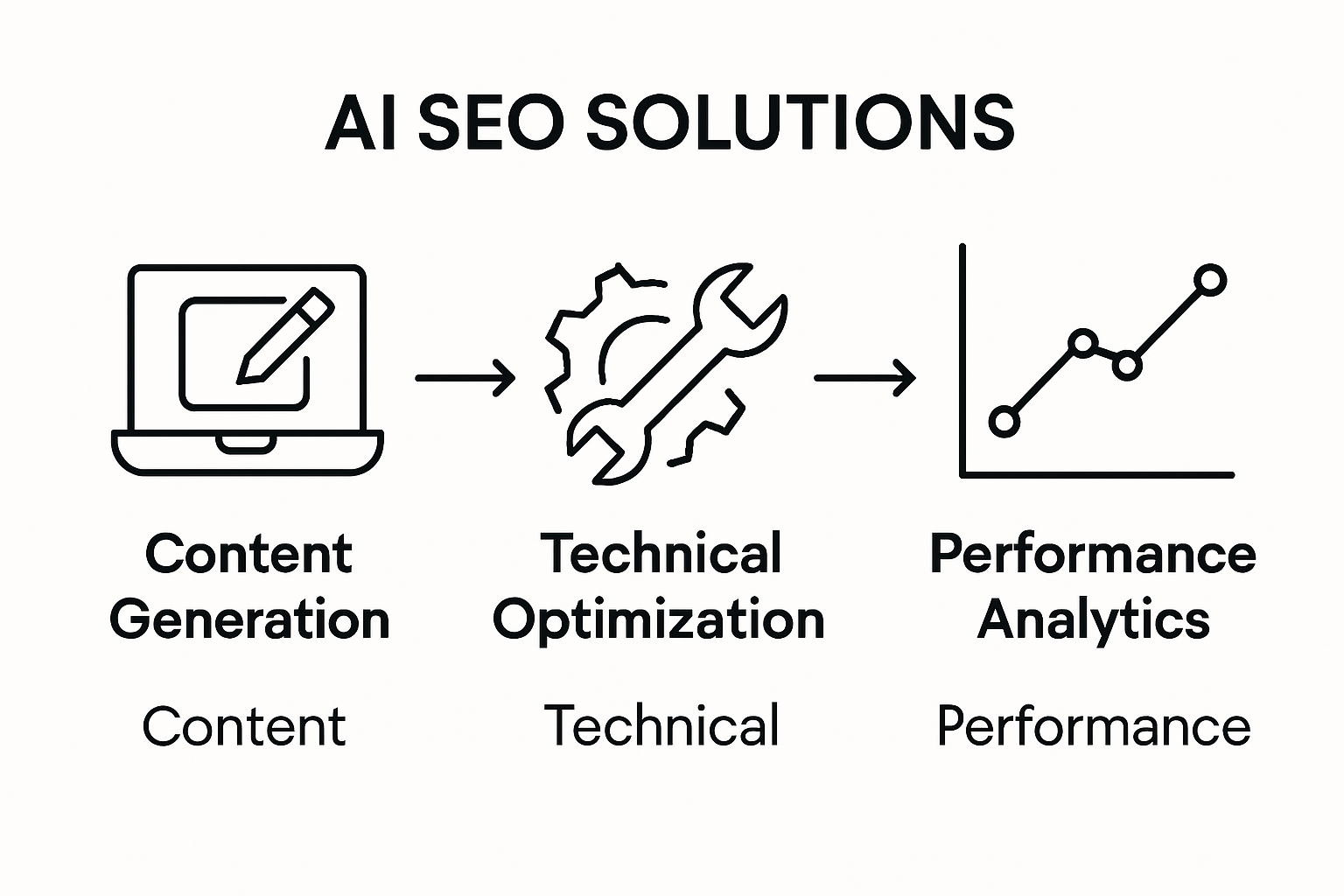
Beyond traditional solutions, modern AI SEO technologies integrate complex capabilities like semantic understanding, user intent prediction, and dynamic content adaptation. These systems go far beyond keyword stuffing or basic optimization techniques. Advanced AI SEO solutions can now conduct comprehensive website audits, generate multilingual content, predict emerging search trends, and provide granular insights into competitive digital landscapes. By combining data analysis, machine learning, and natural language processing, these technologies enable businesses to develop highly sophisticated, adaptive digital marketing strategies that respond dynamically to the ever-changing online ecosystem.
Key Features Powering AI SEO Success
Successful AI SEO strategies are powered by a complex ecosystem of advanced technological capabilities that transform traditional digital marketing approaches. Advanced data analysis techniques now enable businesses to leverage unprecedented insights into search engine behaviors, user engagement patterns, and content performance metrics. These sophisticated technologies go beyond simple keyword tracking, providing deep, multidimensional understanding of digital marketing landscapes.
The core features driving AI SEO success can be categorized into several critical domains. Predictive Intelligence represents the first fundamental pillar, utilizing machine learning algorithms to forecast search trends, user intent, and potential ranking opportunities with remarkable accuracy. Natural Language Processing (NLP) emerges as another crucial feature, allowing AI systems to comprehend semantic nuances, context, and user query intentions far more sophisticatedly than traditional search algorithms. Automated Content Optimization technologies can now generate, modify, and refine content in real time, ensuring maximum relevance and engagement potential.
Moreover, modern AI SEO solutions integrate advanced capabilities like multi-platform performance tracking, competitive intelligence gathering, and dynamic content adaptation. These systems can simultaneously analyze performance across different search engines, social media platforms, and digital channels, providing businesses with a holistic view of their online visibility. By combining complex data analysis, machine learning, and adaptive content strategies, AI SEO technologies create a dynamic, responsive approach to digital marketing that can instantly adjust to changing algorithmic landscapes and user behavior patterns.
Real-World Benefits for Brands and Agencies
Brands and digital agencies are experiencing transformative advantages through AI SEO technologies that fundamentally reshape their online marketing strategies. Generative Engine Optimization (GEO) enables businesses to precisely target emerging AI-powered search platforms, creating unprecedented opportunities for visibility and audience engagement. These advanced technologies provide a competitive edge by allowing organizations to adapt quickly to rapidly changing digital marketing landscapes.
The practical benefits of AI SEO span multiple critical business dimensions. Efficiency Acceleration represents a primary advantage, with AI systems dramatically reducing time-consuming manual optimization processes. Marketing teams can now generate comprehensive content strategies, conduct deep competitive analyses, and optimize website performance in a fraction of the time required by traditional methods. Cost Reduction emerges as another significant benefit, as AI-driven search technologies enable businesses to minimize expensive manual labor while simultaneously improving marketing outcomes through intelligent, data-driven approaches.
Moreover, AI SEO solutions provide granular insights that were previously impossible to obtain. These technologies offer real-time performance tracking, predictive trend analysis, and hyper-personalized content recommendations across multiple digital platforms. By leveraging machine learning algorithms, brands can now understand complex user behaviors, anticipate market shifts, and develop adaptive marketing strategies that respond dynamically to changing consumer preferences. The result is a more intelligent, responsive approach to digital marketing that transforms how businesses connect with their target audiences.
Risks, Limitations, and What to Avoid
Navigating the AI SEO landscape requires a nuanced understanding of potential pitfalls and strategic limitations. AI technology critiques emphasize the critical need for skeptical evaluation and realistic expectations when implementing AI-driven optimization strategies. Blindly trusting AI systems without human oversight can lead to significant strategic missteps that undermine digital marketing effectiveness.
Several key risks demand careful consideration from businesses adopting AI SEO technologies. Algorithmic Bias represents a primary concern, where machine learning models may inadvertently perpetuate skewed or incomplete data interpretations. Content Homogenization emerges as another significant limitation, with AI systems potentially generating repetitive, generic content that lacks genuine creativity and unique brand voice. Google's AI Overviews have already demonstrated potential challenges, including instances of generating misleading or inaccurate information that can damage brand credibility.
To mitigate these risks, businesses must implement robust human oversight and maintain a balanced approach to AI SEO integration. Critical strategies include regularly auditing AI-generated content, maintaining a diverse content team that can provide creative input, and developing stringent quality control mechanisms. Successful AI SEO implementation requires viewing these technologies as collaborative tools rather than complete replacements for human expertise. Organizations must continuously validate AI recommendations, ensure alignment with brand values, and preserve the authentic, nuanced communication that truly resonates with target audiences.
Unlock the Full Potential of AI SEO with Babylovegrowth.ai
The article highlights the challenges businesses face in adapting to rapidly evolving AI SEO strategies. Common pain points include the need for real-time optimization, predictive analytics, and automated content generation without sacrificing quality or brand authenticity. Babylovegrowth.ai understands these struggles and offers an all-in-one SaaS platform designed to meet these exact demands. By leveraging AI to automate keyword discovery, content planning, and technical audits, you can stay ahead of algorithm changes and user intent shifts while focusing on growth and creativity.
Experience the power of AI-driven SEO that goes beyond just basic optimization by integrating cutting-edge features like automatic structured data markup, backlink building networks, and targeted Reddit conversation engagement. These tools help make your SEO more intelligent, efficient, and scalable so your brand’s visibility flourishes across Google and emerging AI search engines like ChatGPT and Claude.
Ready to transform your organic growth strategy with AI-powered tools proven to deliver measurable results? Visit Babylovegrowth.ai to explore automated SEO solutions designed for lasting success. Discover how our platform can accelerate your content creation with daily SEO articles and 30-day content plans. Start optimizing smarter, not harder, today.
Explore Babylovegrowth.ai | Automate Your Content Strategy | Boost Your Search Rankings

Frequently Asked Questions
What is AI SEO and how does it differ from traditional SEO?
AI SEO utilizes machine learning and advanced algorithms to optimize digital marketing strategies, analyzing massive amounts of search data, predicting user intent, and recommending content improvements, whereas traditional SEO relies heavily on manual processes and keyword research.
What are some key features of AI SEO solutions?
Key features of AI SEO include predictive intelligence for forecasting search trends, natural language processing for understanding user intent, and automated content optimization that adjusts in real time for maximum engagement and relevance.
How can AI SEO benefit brands and digital agencies?
AI SEO accelerates efficiency in content strategy development and website optimization while reducing costs associated with manual labor. Additionally, it offers real-time insights and predictive analyses that enable brands to respond quickly to market shifts.
What risks should businesses consider when implementing AI SEO?
Businesses should be wary of algorithmic bias and content homogenization, which may lead to generic output. It's crucial to maintain human oversight to ensure that AI-generated content aligns with brand values and authenticity.
Recommended
Smart SEO,
Faster Growth!
Most Read Articles
Generative Engine Optimization (GEO)
Learn how Generative Engine Optimization (GEO) helps your content rank in AI search engines like ChatGPT and Google AI. This comprehensive guide explains the differences between SEO and GEO, why it matters for your business, and practical steps to implement GEO strategies for better visibility in AI-generated responses.
DylenJan 18, 2025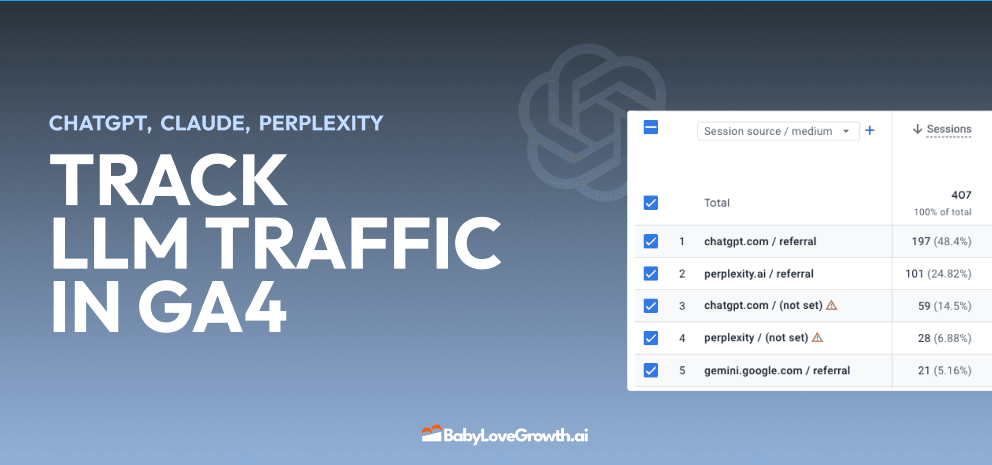
Track LLM Traffic in Google Analytics 4 (GA4)
Learn how to track and analyze traffic from AI sources like ChatGPT, Claude, Perplexity, and Google Gemini in Google Analytics 4. This step-by-step guide shows you how to set up custom filters to monitor AI-driven traffic and make data-driven decisions for your content strategy.
DylenMar 18, 2025
How to Humanize AI Text with Instructions
Learn practical techniques to make AI-generated content sound more natural and human. This guide covers active voice, direct addressing, concise writing, and other proven strategies to transform robotic text into engaging content.
DylenApril 7, 2025
Open AI Revenue and Statistics (2024)
Comprehensive analysis of OpenAI financial performance, user engagement, and market position in 2023. Discover key statistics including $20B valuation, $1B projected revenue, and 100M+ monthly active users.
DylenOctober 03, 2025