AI-Driven Content Creation for Maximum SEO Growth


More than 60 percent of leading American SEO agencies now use AI tools to supercharge their organic growth strategies. With search engines evolving at record speed, digital marketing professionals worldwide are under pressure to blend human expertise with AI precision. This guide breaks down every key step, from setting up advanced AI tools to refining your strategy based on real performance data, so you can keep your clients ahead in the global competition.
Table of Contents
- Step 1: Set Up AI Tools and SEO Parameters
- Step 2: Identify High-Impact Keywords Automatically
- Step 3: Generate AI-Optimized Content Briefs
- Step 4: Automate Content Drafting and Editing
- Step 5: Publish and Distribute with Structured Markup
- Step 6: Measure Results and Refine Content Strategy
Quick Summary
| Key Takeaway | Explanation |
|---|---|
| 1. Choose the Right AI Tools | Select tools that optimize keyword research and content generation for better SEO results. |
| 2. Automate Keyword Discovery | Use AI to efficiently identify high-impact keywords based on relevant metrics and trends. |
| 3. Generate AI Content Briefs | Create structured briefs using AI to align with your marketing objectives and save time. |
| 4. Maintain Human Oversight | Always ensure that AI-generated content is refined by human insights for authenticity. |
| 5. Measure and Adapt Strategy | Track important SEO metrics to continuously refine your content strategy and optimize performance. |
Step 1: Set Up AI Tools and SEO Parameters
Tackling AI-powered SEO requires selecting strategic tools and configuring precise parameters that align with your content goals. Understanding how to optimize AI SEO workflows means thoughtfully integrating advanced technologies that enhance search performance.
Start by identifying AI tools specializing in keyword research, content generation, and semantic analysis. Your toolkit should include platforms capable of natural language processing that can understand search intent and generate targeted content. Look for solutions offering real-time keyword tracking, content optimization suggestions, and automated SEO parameter configuration. Most effective AI SEO platforms will provide features like automatic metadata generation, content scoring algorithms, and intelligent link-building recommendations.
Configuration requires mapping out your specific SEO objectives. Determine target keywords, content complexity levels, and desired search rankings before setting up individual tool parameters. Some AI platforms allow granular control over content tone, technical complexity, and semantic relevance. Experiment with different settings to find the optimal balance between AI-generated efficiency and human creativity.
Expert Tip: Always maintain a human oversight mechanism when implementing AI SEO tools to ensure quality and authenticity of generated content.
Here's a concise comparison of key AI SEO platform features and their business impact:
| Feature | Description | Business Impact |
|---|---|---|
| Keyword Research | Identifies valuable search terms | Increases targeted website traffic |
| Content Generation | Creates optimized written content | Reduces content creation time |
| Semantic Analysis | Evaluates context and relevance | Improves search ranking |
| Automated Metadata | Generates accurate metadata | Boosts visibility on search engines |
| Link-Building Suggestions | Recommends effective linking strategies | Enhances authority and reach |
Step 2: Identify High-Impact Keywords Automatically
Automatic keyword identification represents a game changing strategy for digital marketers seeking to optimize their content discovery. Strategic keyword extraction techniques leverage advanced natural language processing to uncover high potential search terms with precision and efficiency.

To begin your automated keyword discovery, select AI powered research tools that analyze search volume, competition levels, and user intent. These sophisticated platforms use machine learning algorithms to evaluate keyword relevance across multiple dimensions. Look for tools that provide comprehensive metrics like search trend analysis, semantic keyword clustering, and intent matching. The most advanced systems can generate keyword recommendations that go beyond simple volume metrics and understand the nuanced context of your specific content niche.
Your keyword selection process should balance quantitative data with qualitative insights. Prioritize keywords that demonstrate consistent search trends, moderate competition, and clear alignment with your content objectives. Pay special attention to long tail keywords that represent specific user queries and offer opportunities for targeted content development. Regularly refine your keyword strategy by tracking performance metrics and adjusting your approach based on real world search behavior.
Expert Tip: Combine AI generated keyword suggestions with your industry expertise to create a more refined and authentic keyword strategy.
Step 3: Generate AI-Optimized Content Briefs
Creating AI-powered content briefs transforms your SEO strategy by streamlining the content development process with precision and intelligence. Automated content generation techniques leverage advanced language models to produce structured outlines that align perfectly with your marketing objectives.
Begin by inputting your primary keywords, target audience details, and content goals into your chosen AI content brief generator. These sophisticated tools analyze your inputs and create comprehensive frameworks that include potential section headings, recommended word counts, semantic keyword variations, and strategic content angles. Look for platforms that offer granular customization options allowing you to specify tone, complexity level, and specific SEO requirements. The most advanced AI systems can generate briefs that not only optimize for search engines but also maintain a natural and engaging narrative flow.
Refine your AI generated brief by cross referencing it with your industry expertise and target audience insights. While AI provides a powerful starting point, human oversight ensures the content remains authentic and truly resonates with your readers. Iterate on the initial brief by adding unique perspectives, addressing potential knowledge gaps, and incorporating your brand specific nuances that automated systems might miss.
Expert Tip: Always treat AI generated content briefs as collaborative tools rather than final documents, using them as intelligent starting points for your creative process.
Step 4: Automate Content Drafting and Editing
Automate your content creation workflow by leveraging advanced AI technologies that transform writing and editing processes. AI editing tools revolutionize academic writing by providing sophisticated support for grammar, structure, and contextual refinement.
Select an AI powered writing platform that offers comprehensive drafting and editing capabilities. These intelligent systems analyze your content brief, generate initial drafts, and provide real time suggestions for improvement. Focus on tools that integrate natural language processing with SEO optimization features, enabling you to create content that is both search engine friendly and engaging for human readers. Look for platforms that offer features like contextual keyword integration, readability scoring, and semantic analysis to ensure your content meets both technical and creative standards.
Maintain a collaborative approach when using AI drafting tools. While these systems can generate impressive initial content, human oversight remains critical. Review and refine AI generated drafts by adding unique insights, checking factual accuracy, and ensuring the content aligns with your brand voice. Use AI suggestions as a starting point, not a final product, and be prepared to make substantial edits that inject personality and nuanced understanding into the text.
Expert Tip: Always run AI generated content through multiple editing passes, combining automated suggestions with your professional expertise to create truly exceptional writing.
Step 5: Publish and Distribute with Structured Markup
Optimize your content for maximum digital visibility by implementing precise structured markup techniques. Structured markup languages enhance content discoverability across search engines and digital platforms, providing critical metadata that improves indexing and search performance.
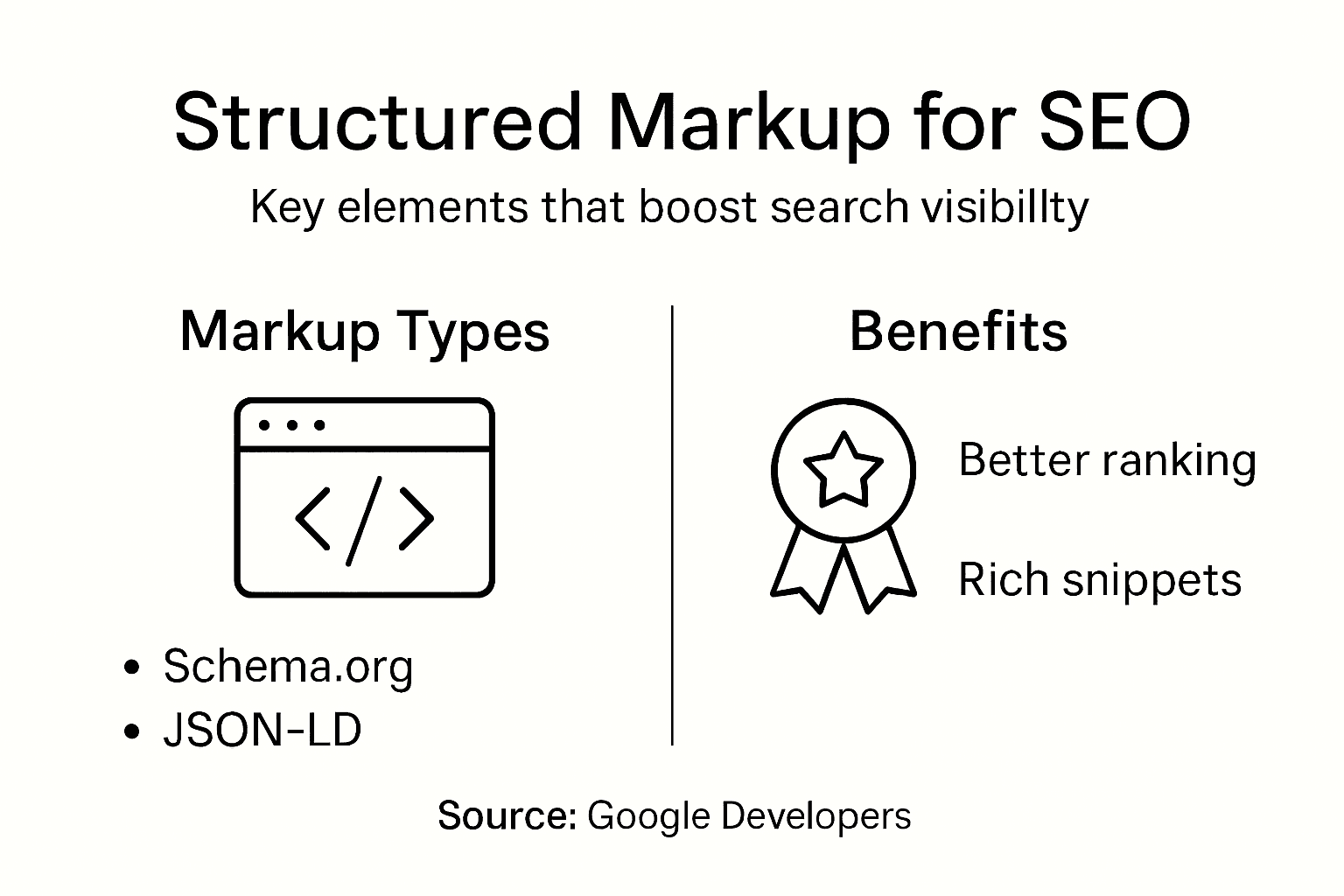
Begin by selecting a structured markup standard that aligns with your content type and SEO objectives. Focus on implementing JSON-LD or Schema.org markup to provide search engines with comprehensive context about your content. Include essential metadata elements such as article type, author information, publication date, and key content topics. Advanced markup strategies involve creating rich snippets that display additional information directly in search results, increasing click through rates and improving overall content visibility.
Ensure your structured markup is technically precise and semantically accurate. Validate your markup using official tools like Google's Structured Data Testing Tool to confirm correct implementation. Pay special attention to maintaining consistency between your visible content and embedded metadata, as search engines prioritize accurate and trustworthy information. Regularly update your markup to reflect content changes and emerging SEO best practices, keeping your digital presence dynamic and responsive.
Expert Tip: Treat structured markup as a strategic communication tool with search algorithms, not just a technical requirement.
Step 6: Measure Results and Refine Content Strategy
Track and analyze your content performance through comprehensive metrics that reveal actionable insights into your SEO strategy. Effective content strategies require systematic measurement of key performance indicators that illuminate the true impact of your digital marketing efforts.
Implement a robust analytics framework that goes beyond surface level metrics. Focus on tracking critical indicators such as organic search traffic, user engagement rates, conversion percentages, and content interaction time. Use advanced regression models and machine learning techniques to identify patterns and correlations that can guide strategic content refinement. The most sophisticated analytical approaches will help you understand not just how your content performs, but why certain pieces resonate more strongly with your target audience.
Develop an iterative optimization process that continuously adapts your content strategy based on empirical data. Create a feedback loop where performance metrics directly inform content creation, keyword targeting, and structural improvements. Pay special attention to identifying high performing content attributes and replicating those successful elements across your digital portfolio. Remember that content optimization is an ongoing journey of incremental improvements rather than a one time adjustment.
Expert Tip: Treat your analytics dashboard as a strategic compass that guides content decisions, not just a reporting tool.
Below is a summary of essential SEO performance metrics and what they reveal:
| Metric | What It Measures | Strategic Insight |
|---|---|---|
| Organic Search Traffic | Visitors from search engines | Effectiveness of SEO efforts |
| Engagement Rate | User interaction level | Content relevance and appeal |
| Conversion Percentage | Lead or sale generation | Content impact on business goals |
| Interaction Time | Time spent on content | Depth of audience engagement |
| Keyword Rankings | Position in search results | Success of target keyword strategy |
Unlock Seamless AI-Driven SEO Growth with Babylovegrowth.ai
The article highlights the challenge of integrating complex AI tools and automating content strategies while maintaining authentic and engaging material. You may be struggling to balance keyword discovery, structured content planning, and precise technical SEO like structured markup all at once to boost search rankings effectively. Babylovegrowth.ai directly addresses these pain points with a comprehensive SaaS platform designed for your needs.
Our platform simplifies the entire process by offering automated keyword identification, AI-optimized content briefs, and automatic structured data markup that aligns perfectly with your SEO goals. Imagine cutting your content creation time while increasing organic traffic across Google and AI-powered search engines like ChatGPT and Claude—all supported by features such as backlink building and Reddit conversation targeting.
Elevate your digital marketing with tools built to scale your brand’s visibility while ensuring the authenticity and quality your audience craves. Take control of your growth journey with smarter automation and expert SEO tactics crafted into one solution.
Boost your SEO strategy now with Babylovegrowth.ai and discover powerful AI tools that generate daily SEO articles, build backlinks, and track your rankings effortlessly.
Start your transformation today.
Explore how our automated keyword discovery and content planning features can revolutionize your SEO efforts.

Ready to unlock maximum SEO growth through AI-driven content creation Reach out to Babylovegrowth.ai now and experience the future of content marketing at https://babylovegrowth.ai
Frequently Asked Questions
How can AI-driven content creation improve my SEO growth?
AI-driven content creation optimizes keyword usage and enhances content relevance, which can significantly boost your search engine rankings. Start by identifying high-impact keywords and using them effectively within your AI-generated content to target specific searches.
What steps should I take to set up AI tools for SEO?
To set up AI tools for SEO, begin by selecting platforms specializing in keyword research and content generation. Configure these tools to align with your specific content objectives, such as target keywords and desired search rankings, to maximize their effectiveness.
How can I use AI to automate keyword identification?
You can automate keyword identification by using AI-powered research tools that analyze search volume and competition. Look for platforms that provide in-depth metrics so you can refine your keyword strategy and focus on terms that align with your content goals.
What features should I look for in AI content generation tools?
When selecting AI content generation tools, prioritize features like automated metadata creation and semantic analysis capabilities. These features will help ensure your content is optimized for search engines and engaging for readers, enhancing both visibility and user experience.
How do I measure the success of my AI-driven content?
Measure the success of your AI-driven content by tracking key performance indicators like organic search traffic and user engagement rates. Use analytical tools to gather data and regularly refine your content strategy based on these insights for continuous improvement.
Recommended
Smart SEO,
Faster Growth!
Most Read Articles
Generative Engine Optimization (GEO)
Learn how Generative Engine Optimization (GEO) helps your content rank in AI search engines like ChatGPT and Google AI. This comprehensive guide explains the differences between SEO and GEO, why it matters for your business, and practical steps to implement GEO strategies for better visibility in AI-generated responses.
DylenJan 18, 2025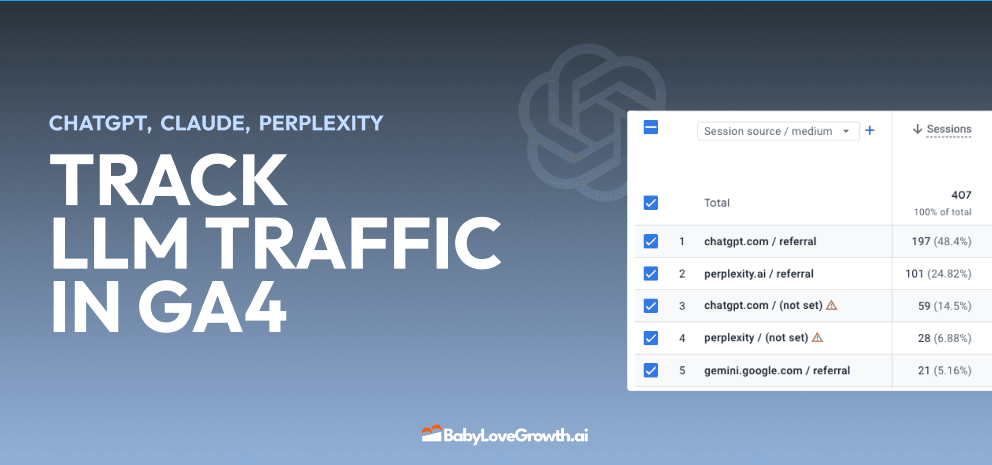
Track LLM Traffic in Google Analytics 4 (GA4)
Learn how to track and analyze traffic from AI sources like ChatGPT, Claude, Perplexity, and Google Gemini in Google Analytics 4. This step-by-step guide shows you how to set up custom filters to monitor AI-driven traffic and make data-driven decisions for your content strategy.
DylenMar 18, 2025
How to Humanize AI Text with Instructions
Learn practical techniques to make AI-generated content sound more natural and human. This guide covers active voice, direct addressing, concise writing, and other proven strategies to transform robotic text into engaging content.
DylenApril 7, 2025
Open AI Revenue and Statistics (2024)
Comprehensive analysis of OpenAI financial performance, user engagement, and market position in 2023. Discover key statistics including $20B valuation, $1B projected revenue, and 100M+ monthly active users.
DylenOctober 03, 2025