Why use content plans to boost organic growth in 2026


Many marketing professionals believe organic growth happens by posting content whenever inspiration strikes. This approach often leads to inconsistent results and wasted resources. Strategic content planning transforms random publishing into a systematic process that aligns with audience needs and search engine algorithms. Content plans provide clear roadmaps for creating, scheduling, and optimizing content that drives measurable organic traffic. This guide explores how structured planning enhances marketing efficiency, improves SEO performance, and delivers sustainable growth for digital agencies seeking competitive advantages in crowded markets.
Table of Contents
- Key takeaways
- What are content plans and why they matter for organic growth
- Comparing spontaneous content creation versus structured content plans
- How to create and implement effective content plans for your agency
- Measuring success and optimizing your content plan for maximum growth
- How BabyLoveGrowth can streamline your content planning
- Frequently asked questions
Key Takeaways
| Point | Details |
|---|---|
| Structured planning | A documented plan guides topics, publishing schedules, and optimization to transform guesswork into a data driven content program. |
| Aligns with audience and SEO | Content plans ensure topics address audience needs while matching search intent and optimization requirements. |
| Improves organic traffic | Structured planning focuses resources on high value content that drives measurable increases in organic traffic. |
| Enhances team coordination | Knowing upcoming topics and deadlines improves collaboration among writers, designers, and managers. |
What are content plans and why they matter for organic growth
Content plans are strategic documents that outline topics, keywords, publishing schedules, and measurable goals for your content marketing efforts. They serve as blueprints that guide teams in creating cohesive content aligned with target audiences and search engine optimization requirements. Effective content planning improves organic traffic by ensuring every piece serves a specific purpose in your overall marketing strategy.
These plans typically include several essential components that work together to drive results:
- Comprehensive keyword research identifying search terms your audience uses
- Content types and formats that match different stages of the buyer journey
- Publishing calendars that maintain consistent visibility
- Performance metrics that measure success and guide adjustments
- Resource allocation ensuring teams have what they need
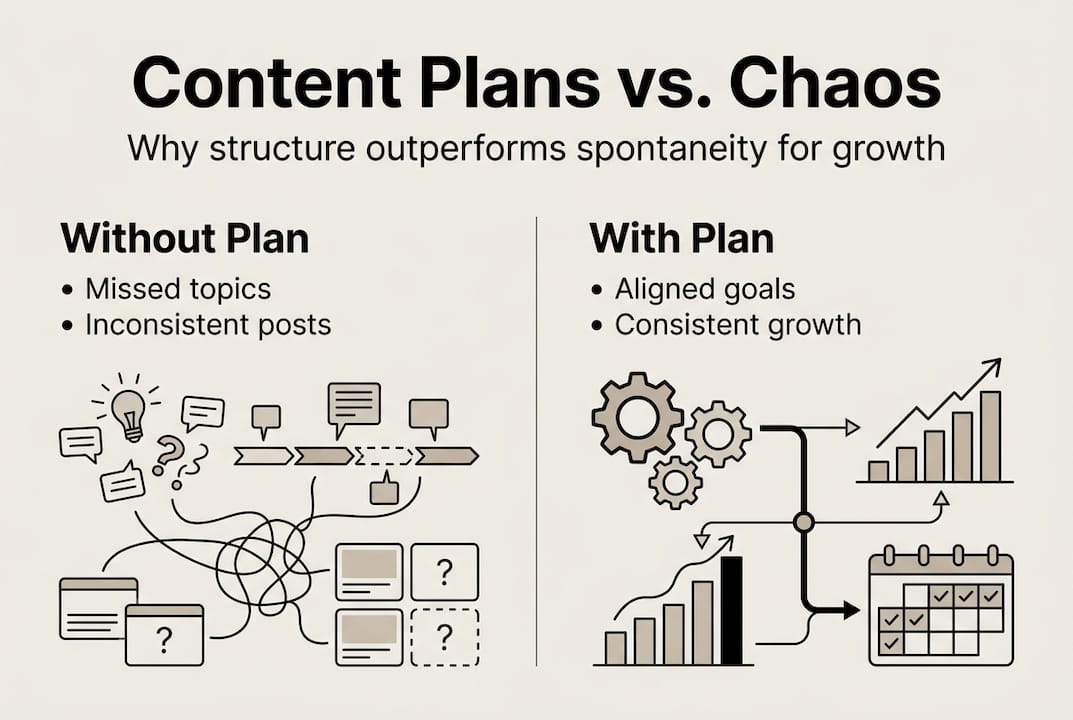
The real power of what is content planning lies in its ability to transform scattered efforts into focused campaigns. Instead of creating content based on gut feelings or last-minute ideas, teams follow data-driven strategies that address actual search demand. This systematic approach eliminates guesswork and focuses resources on content that genuinely attracts and engages your target audience.
Content plans also create accountability within marketing teams. When everyone understands upcoming topics, deadlines, and success criteria, collaboration improves dramatically. Writers know what to research, designers understand visual requirements, and managers can track progress against clear benchmarks. This organizational clarity prevents duplicated efforts and ensures content quality remains high even as production scales.
For agencies managing multiple clients, content plans become even more valuable. They provide frameworks that can be customized for different industries while maintaining proven processes. This scalability allows agencies to deliver consistent results across diverse portfolios without reinventing their approach for each project.
Comparing spontaneous content creation versus structured content plans
Spontaneous content creation involves publishing articles, videos, or posts whenever ideas emerge or time permits. This reactive approach often results in inconsistent messaging, missed opportunities, and content that fails to address strategic business goals. While spontaneity can occasionally produce viral hits, it rarely builds sustainable organic growth.
Structured content planning leads to better coordination by establishing clear processes that align content with business objectives. The differences between these approaches become obvious when you examine their practical outcomes:
| Aspect | Spontaneous content | Content plans |
|---|---|---|
| Planning horizon | Day to day or week to week | Monthly, quarterly, or annual |
| Keyword targeting | Random or intuitive guesses | Data-driven research and analysis |
| Content consistency | Irregular publishing schedule | Predictable, reliable output |
| SEO alignment | Minimal optimization effort | Strategic keyword integration |
| Resource efficiency | Frequent last-minute scrambles | Organized workflows and timelines |
| Performance tracking | Inconsistent or absent metrics | Regular monitoring and optimization |
The role of content planning extends beyond simple organization. Structured plans enable teams to identify content gaps, avoid topic overlap, and build comprehensive resource libraries that establish authority. When you map content to specific keywords and user intent, search engines recognize your site as a valuable destination for relevant queries.
Key advantages of structured content plans include:
- Proactive topic selection based on search volume and competition analysis
- Coordinated campaigns that build on previous content and create internal linking opportunities
- Better resource allocation with advance notice for writers, designers, and developers
- Improved content quality through adequate research and review time
- Strategic timing that capitalizes on seasonal trends and industry events
Agencies that adopt structured planning typically see dramatic improvements in client results. Instead of hoping for random success, they engineer predictable growth through systematic content development. This reliability makes it easier to forecast outcomes, justify budgets, and demonstrate value to stakeholders.
Pro Tip: Track the time your team spends on content creation with and without plans. Most agencies discover that planning reduces production time by 30 to 40 percent while improving content quality and search performance.
How to create and implement effective content plans for your agency
Building content plans that drive organic growth requires systematic processes that balance creativity with data analysis. Follow these steps to develop plans that deliver measurable results:
- Assess your target audience by analyzing demographics, pain points, search behavior, and content preferences
- Conduct thorough keyword research identifying high-value terms with realistic ranking potential
- Set specific, measurable goals tied to traffic, engagement, conversions, or other business metrics
- Define content types and formats that match different stages of the customer journey
- Create detailed publishing schedules with realistic deadlines and resource requirements
- Establish review processes ensuring quality standards before publication
- Implement tracking systems to monitor performance and identify optimization opportunities
- Schedule regular plan reviews to adjust strategies based on results and market changes
Modern content strategy platforms streamline these processes by automating keyword discovery, organizing topics into clusters, and suggesting content opportunities based on competitive analysis. These tools transform what used to take weeks into tasks completed in hours, allowing agencies to focus on creative execution rather than manual research.
When learning how to plan website content for maximum organic traffic, prioritize topics that balance search volume with your ability to rank. Targeting extremely competitive keywords without sufficient domain authority wastes resources. Instead, identify opportunities where you can realistically reach page one within your timeline and budget constraints.
Your content calendar should include diverse formats addressing different user needs. Some visitors want quick answers, others seek comprehensive guides, and many respond to visual content like infographics or videos. Mixing formats keeps your site fresh and appeals to broader audience segments.
Using structured planning tools supports scalable, data-driven approaches that grow with your agency. As you add clients or expand service offerings, established processes make onboarding faster and maintain quality standards. Templates and workflows become organizational assets that new team members can quickly adopt.

Pro Tip: Build flexibility into your content plans by reserving 20 percent of your calendar for timely topics or unexpected opportunities. This buffer lets you capitalize on trending subjects without disrupting your core strategy.
Measuring success and optimizing your content plan for maximum growth
Tracking performance metrics transforms content plans from static documents into dynamic strategies that improve over time. Focus on key performance indicators that directly connect to business objectives rather than vanity metrics that look impressive but lack actionable insights.
Essential metrics for evaluating content plan effectiveness include:
| Metric | Tracking tools | Optimization tactics |
|---|---|---|
| Organic traffic volume | Google Analytics, Search Console | Identify top performers and create similar content |
| Keyword rankings | Rank tracking software, SEO platforms | Update underperforming pages with fresh content |
| Engagement rates | Analytics platforms, heatmaps | Improve readability and add interactive elements |
| Conversion rates | CRM systems, analytics tools | Optimize calls to action and user flows |
| Backlink acquisition | Link monitoring tools | Create linkable assets and outreach campaigns |
| Page load speed | Performance testing tools | Compress images and optimize code |
Regular content audits reveal which pieces drive results and which need improvement. Analyze your top-performing content to identify patterns in topics, formats, lengths, or styles that resonate with your audience. Then apply these insights to future content creation and update existing pieces that underperform.
Optimization methods that enhance content plan effectiveness:
- Refresh outdated content with current statistics, examples, and best practices
- Expand thin content that ranks but lacks depth to satisfy user intent
- Consolidate similar pages that compete for the same keywords
- Add internal links connecting related content and distributing page authority | Improve technical SEO elements like meta descriptions, headers, and structured data
- Update keyword targeting based on search trend changes and new opportunities
Ongoing audits and optimizations boost content effectiveness by identifying technical issues, content gaps, and opportunities search engines reward. Modern AI-powered tools can scan your entire site, compare it against top competitors, and generate prioritized recommendations that maximize ROI on optimization efforts.
Successful agencies treat content plans as living documents that evolve based on performance data. Monthly reviews should examine what worked, what failed, and why. This continuous learning process helps teams refine their approach and avoid repeating mistakes. Over time, you develop institutional knowledge about which strategies work best for specific industries, audiences, or business goals.
Pro Tip: Create a simple scorecard rating each published piece on traffic, engagement, and conversions. This quick visual reference helps identify your most valuable content and informs future planning decisions.
How BabyLoveGrowth can streamline your content planning
BabyLoveGrowth transforms content planning from manual research into automated intelligence that scales with your agency's growth. The platform's AI-powered keyword discovery tools analyze millions of search queries to identify opportunities your competitors miss, giving you first-mover advantages in emerging topics.

Our keyword research tool goes beyond basic volume metrics to evaluate ranking difficulty, search intent, and content gaps. This intelligence helps you prioritize topics that offer the best return on your content investment. The platform automatically organizes keywords into logical clusters that map to comprehensive content strategies addressing every stage of the customer journey.
The content strategy platform integrates planning, production, and optimization into unified workflows. Generate 30-day content calendars in minutes, complete with topic suggestions, keyword targets, and publishing schedules. Automated technical audits identify issues blocking your organic growth, while AI-powered recommendations guide optimization efforts for maximum impact. Explore how BabyLoveGrowth can transform your agency's content marketing results.
Frequently asked questions
How often should you update a content plan?
Update your content plan quarterly to incorporate performance data, market changes, and new keyword opportunities. Major algorithm updates or significant shifts in your business goals may require more frequent revisions. Most successful agencies review metrics monthly but make substantial plan changes every three months, balancing stability with adaptability.
What are common mistakes to avoid when using content plans?
Ignoring analytics data leads to repeating ineffective strategies and missing optimization opportunities. Overly rigid plans that resist adjustment waste resources on underperforming approaches. Failing to update content with changing trends causes your site to lose relevance and search visibility. Avoid these content optimization pitfalls by building regular reviews into your planning process.
What tools can help automate content planning and SEO optimization?
AI-powered platforms streamline keyword discovery, competitor analysis, and content gap identification. Content marketing automation tools handle scheduling, publishing, and performance tracking across multiple channels. Integration capabilities let agencies connect planning tools with CMS platforms, analytics systems, and collaboration software for seamless workflows.
How can content plans improve team collaboration in digital agencies?
Content plans establish clear schedules, assign specific roles, and set shared expectations that reduce confusion and overlap. Team members understand upcoming deadlines, required resources, and success criteria before projects begin. This transparency improves coordination between writers, designers, developers, and account managers. Learn more about content planning for team collaboration and how structured approaches enhance agency efficiency.
Recommended
Smart SEO,
Faster Growth!
Most Read Articles
Generative Engine Optimization (GEO)
Learn how Generative Engine Optimization (GEO) helps your content rank in AI search engines like ChatGPT and Google AI. This comprehensive guide explains the differences between SEO and GEO, why it matters for your business, and practical steps to implement GEO strategies for better visibility in AI-generated responses.
DylenJan 18, 2025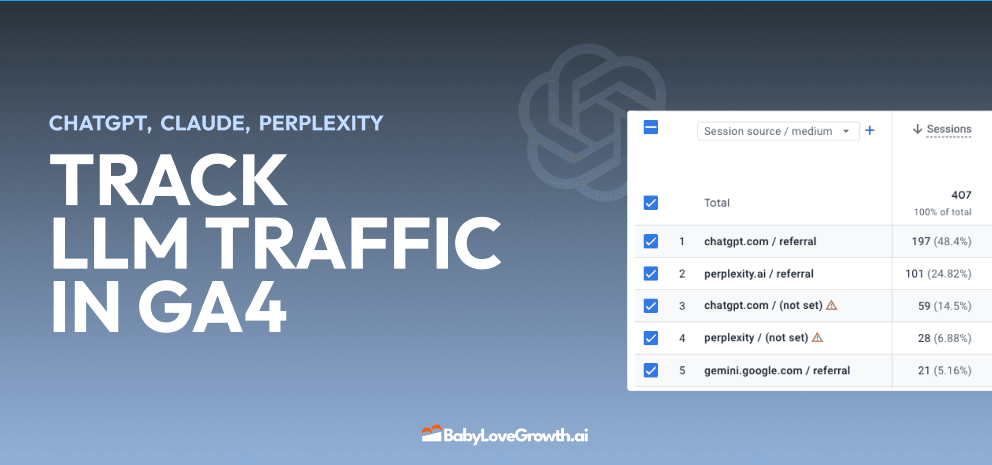
Track LLM Traffic in Google Analytics 4 (GA4)
Learn how to track and analyze traffic from AI sources like ChatGPT, Claude, Perplexity, and Google Gemini in Google Analytics 4. This step-by-step guide shows you how to set up custom filters to monitor AI-driven traffic and make data-driven decisions for your content strategy.
DylenMar 18, 2025
How to Humanize AI Text with Instructions
Learn practical techniques to make AI-generated content sound more natural and human. This guide covers active voice, direct addressing, concise writing, and other proven strategies to transform robotic text into engaging content.
DylenApril 7, 2025
Open AI Revenue and Statistics (2024)
Comprehensive analysis of OpenAI financial performance, user engagement, and market position in 2023. Discover key statistics including $20B valuation, $1B projected revenue, and 100M+ monthly active users.
DylenOctober 03, 2025