Why SEO for Ecommerce Drives Sustainable Growth


Most online stores miss out on over 40 percent of potential buyers simply because their pages do not appear in top search results. For american e-commerce managers and digital marketers, understanding AI-driven SEO means more efficient organic growth in a crowded marketplace. This guide gives you practical strategies that cut through confusion and help your store attract the right buyers with less manual work and greater confidence in your site’s performance.
Table of Contents
- SEO For Ecommerce Explained Clearly
- Types Of Ecommerce SEO Tactics
- Key Features Of AI-Driven SEO
- How Automated SEO Impacts Stores
- Risks And Common Mistakes To Avoid
Key Takeaways
| Point | Details |
|---|---|
| Ecommerce SEO Optimization | Focus on optimizing product pages and website structure to improve search rankings and attract targeted traffic. |
| Four SEO Pillars | Implement Technical, On-Page, Content, and Off-Page SEO to enhance visibility and performance. |
| AI and Automation | Utilize AI-driven tools for real-time analysis and automated adjustments to maintain effective SEO strategies. |
| Avoid SEO Pitfalls | Regularly audit for common mistakes such as technical errors and low-quality content to protect search performance. |
SEO for Ecommerce Explained Clearly
Ecommerce SEO represents a strategic approach to improving online store visibility and organic performance. At its core, SEO transforms how potential customers discover and engage with online retail platforms. Driving targeted search traffic requires understanding complex search engine algorithms and consumer search behaviors.
The fundamental goal of ecommerce SEO involves optimizing product pages, category descriptions, and website structures to rank higher in search results. This means carefully selecting keywords that match customer search intent, creating rich product descriptions, and ensuring technical website elements like loading speed and mobile responsiveness meet search engine standards. Successful implementation means attracting high-quality traffic without relying on expensive paid advertising channels.
Search engines prioritize websites offering exceptional user experiences and relevant content. For online stores, this translates into detailed product information, customer reviews, comprehensive sizing charts, multiple product images, and clear purchasing pathways. Websites that effectively communicate product value through strategic content optimization can significantly improve their organic search rankings and attract more potential buyers.
Pro tip: Conduct monthly SEO audits to identify optimization opportunities and track your online store's search performance against key competitors.
Types of Ecommerce SEO Tactics
Ecommerce SEO comprises four critical strategic pillars designed to enhance online store visibility and performance. Technical SEO strategies focus on optimizing website infrastructure, ensuring search engines can efficiently crawl, index, and understand site content. This involves improving site speed, mobile responsiveness, structured data markup, and creating a clear website architecture that allows smooth navigation for both users and search engine algorithms.
On-page SEO tactics target individual product and category pages, emphasizing keyword optimization, compelling meta descriptions, and creating unique, informative content that addresses customer search intent. This includes developing rich product descriptions, using relevant keywords naturally, optimizing image alt texts, and creating clear, descriptive URLs that communicate page content effectively. Strategic on-page optimization helps search engines understand page context and matches user queries more precisely.
Content SEO and off-page strategies extend beyond website mechanics, focusing on building authority and trust. This involves creating valuable blog posts, buying guides, and informational content that attracts backlinks, answers customer questions, and demonstrates industry expertise. Off-page tactics include building high-quality backlinks from reputable websites, leveraging customer reviews, and establishing a robust social media presence that signals credibility to search engines.
Pro tip: Implement a quarterly content audit to identify underperforming pages and refresh them with updated keywords, more comprehensive information, and improved user engagement signals.
Here's a summary of the four main ecommerce SEO tactics and their business benefits:
| SEO Pillar | Main Focus | Typical Actions | Business Benefit |
|---|---|---|---|
| Technical SEO | Site performance | Speed, mobile, structure | Efficient search indexing |
| On-Page SEO | Content relevance | Keyword use, meta data, URLs | Higher rankings for key pages |
| Content SEO | Authority signals | Blog posts, guides, resources | Increased brand expertise |
| Off-Page SEO | Trust building | Backlinks, social presence | Enhanced online credibility |
Key Features of AI-Driven SEO
Generative Engine Optimization represents a transformative approach to search engine visibility, moving beyond traditional ranking strategies to optimize content for AI-powered search platforms. This emerging technique focuses on structuring digital content to be accurately retrieved and cited by advanced language models, requiring a more nuanced understanding of semantic search and contextual relevance.
AI-driven SEO tools leverage sophisticated natural language processing to analyze content quality, user intent, and semantic meaning with unprecedented precision. These advanced algorithms assess content against complex criteria like Experience, Expertise, Authoritativeness, and Trustworthiness (EEAT), providing marketers with sophisticated insights into content performance. Machine learning models can now identify subtle linguistic patterns, content gaps, and optimization opportunities that human analysts might overlook, enabling more strategic and data-driven content development.
The core of AI-powered SEO involves intelligent content assessment and recommendation systems that help marketers create more targeted, contextually relevant digital experiences. These tools can predict user search intent, suggest keyword variations, and provide real-time optimization recommendations that align with emerging search engine algorithms. By integrating machine learning capabilities, businesses can develop more adaptive and responsive content strategies that anticipate user needs and search behavior more effectively than traditional manual optimization techniques.
Pro tip: Invest in AI SEO tools that offer comprehensive content analysis and provide actionable recommendations for improving semantic relevance and search visibility.
How Automated SEO Impacts Stores
Automated SEO tools revolutionize how online stores optimize their digital presence, transforming traditional search engine optimization into a dynamic, intelligent process. These sophisticated systems continuously analyze and adjust website elements to maximize organic visibility, reducing the manual labor traditionally required for comprehensive SEO management. By integrating advanced algorithms, automated tools can instantly identify and resolve technical issues that might compromise search engine performance.The impact of automation extends far beyond basic website maintenance. Intelligent SEO systems provide real-time keyword research, competitive analysis, and content optimization recommendations that adapt to constantly changing search engine algorithms. These tools can perform comprehensive site audits, identify potential ranking opportunities, and suggest precise modifications to improve search visibility. For e-commerce stores, this means maintaining an optimized online presence without dedicating extensive internal resources to manual SEO monitoring and adjustments.
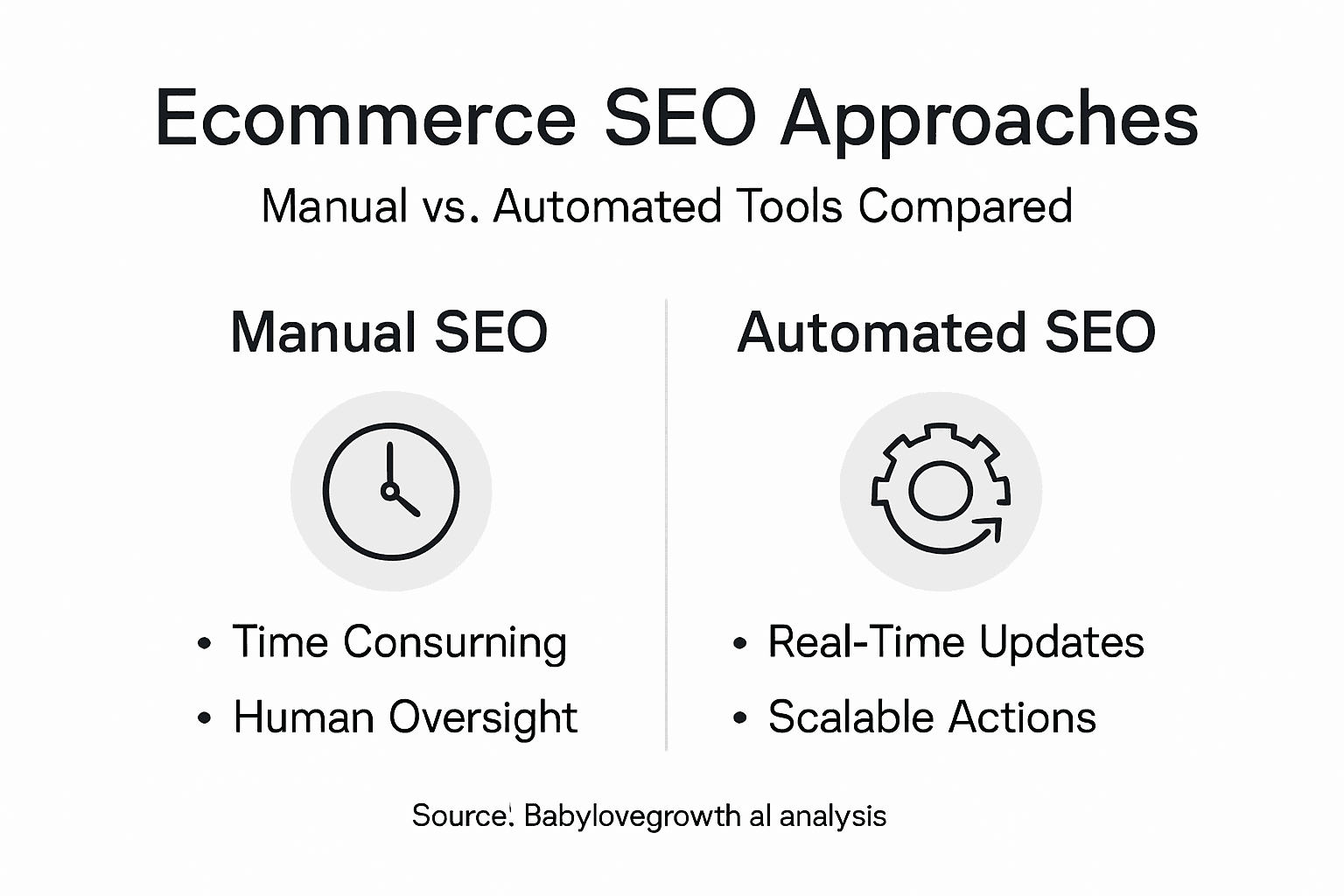
Technical optimization represents another critical dimension of automated SEO. These tools systematically improve site speed, enhance crawlability, and ensure proper indexing across search platforms. By automatically detecting and fixing issues like broken links, duplicate content, and metadata inconsistencies, automated systems help online stores maintain a technically robust digital infrastructure. The result is a more seamless user experience that simultaneously satisfies both search engine requirements and customer expectations, ultimately driving higher organic traffic and potential sales conversions.
Pro tip: Select automated SEO tools that offer comprehensive reporting and provide actionable insights, not just generic recommendations.
This table compares manual vs. automated SEO management for ecommerce stores:
| Aspect | Manual SEO | Automated SEO |
|---|---|---|
| Time Commitment | High, ongoing | Low, real-time adjustments |
| Error Detection | Prone to human oversight | Automated issue identification |
| Adaptability | Slower algorithm response | Fast updates as algorithms change |
| Resource Allocation | Requires expert staff | Frees up resources for other work |
Risks and Common Mistakes to Avoid
Search engine optimization mistakes can dramatically undermine an e-commerce store's online visibility and credibility. Businesses frequently encounter critical errors that range from technical oversights to content strategy missteps, each potentially resulting in significant search ranking penalties. Understanding these risks is crucial for maintaining a robust digital presence and preventing unintentional damage to organic search performance.Technical SEO pitfalls represent a significant area of potential vulnerability for online stores. Common mistakes include neglecting mobile optimization, creating complex site structures that confuse search engine crawlers, and failing to implement proper schema markup. Duplicate content, slow page loading speeds, and inconsistent URL structures can signal low-quality websites to search algorithms, causing immediate and potentially long-lasting ranking degradations. E-commerce platforms must prioritize technical excellence to maintain search engine trust and user engagement.
Content-related risks pose another substantial threat to search performance. Keyword stuffing, generating low-quality or AI-generated content without human oversight, and misaligning content with genuine user intent can trigger search engine penalties. Successful e-commerce SEO demands authenticity, relevance, and a deep understanding of target audience needs. Businesses must focus on creating meaningful, user-centric content that provides genuine value, rather than attempting manipulative tactics designed to game search algorithms.
Pro tip: Conduct quarterly comprehensive SEO audits to proactively identify and address potential optimization risks before they impact your search rankings.
Unlock Sustainable Growth with AI-Powered Ecommerce SEO
The article highlights the challenge of maintaining high organic search rankings while navigating complex technical SEO, content relevance, and evolving AI-driven algorithms. You know that achieving long-term growth means overcoming common pitfalls like slow site speed, keyword misalignment, and inefficient manual SEO management. These pain points can drain your resources and limit your store's visibility.
Babylovegrowth.ai understands these hurdles and offers an all-in-one SaaS platform that automates critical aspects of ecommerce SEO including keyword discovery, content planning, technical audits, and backlink building. Our AI-driven tools help you stay ahead of search engine updates and optimize your product pages and content with precision. Experience scalable, high-quality SEO tailored to your brand’s needs so you can focus on growing your business without the overwhelm.
Ready to transform your ecommerce store’s SEO and drive sustained organic traffic to your site?

Explore how our AI-powered platform can elevate your search rankings and maximize your online growth today by visiting Babylovegrowth.ai. Get started now on the journey toward smarter, automated SEO that delivers measurable results.
Frequently Asked Questions
What is ecommerce SEO and why is it important?
Ecommerce SEO is the process of optimizing an online store to improve its visibility in search engine results. It is crucial because higher visibility leads to increased organic traffic, which can drive sustainable growth without relying solely on paid advertising.
What are the key components of a successful ecommerce SEO strategy?
A successful ecommerce SEO strategy includes technical SEO, on-page SEO, content SEO, and off-page SEO. These components work together to enhance site performance, ensure relevant content, build authority, and establish trust, all of which are essential for improving search rankings.
How can automated SEO tools help improve my ecommerce store?
Automated SEO tools can help your ecommerce store by continuously analyzing website performance, providing real-time keyword insights, and optimizing content to adapt to changing search engine algorithms. This reduces the manual effort required for SEO management and improves efficiency.
What common mistakes should I avoid in ecommerce SEO?
Common mistakes to avoid in ecommerce SEO include neglecting mobile optimization, keyword stuffing, generating low-quality content, and having a complex site structure. These errors can harm your rankings and user experience, ultimately affecting your store's visibility and sales.
Recommended
Smart SEO,
Faster Growth!
Most Read Articles
Generative Engine Optimization (GEO)
Learn how Generative Engine Optimization (GEO) helps your content rank in AI search engines like ChatGPT and Google AI. This comprehensive guide explains the differences between SEO and GEO, why it matters for your business, and practical steps to implement GEO strategies for better visibility in AI-generated responses.
DylenJan 18, 2025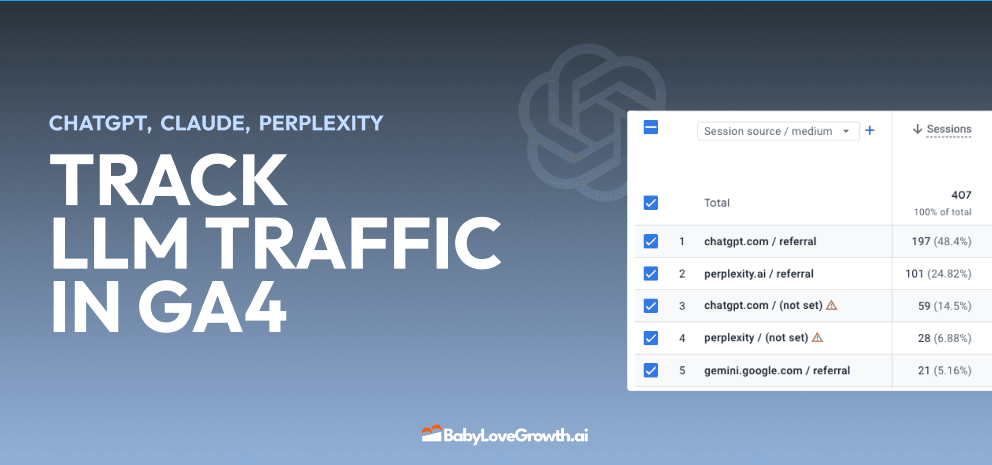
Track LLM Traffic in Google Analytics 4 (GA4)
Learn how to track and analyze traffic from AI sources like ChatGPT, Claude, Perplexity, and Google Gemini in Google Analytics 4. This step-by-step guide shows you how to set up custom filters to monitor AI-driven traffic and make data-driven decisions for your content strategy.
DylenMar 18, 2025
How to Humanize AI Text with Instructions
Learn practical techniques to make AI-generated content sound more natural and human. This guide covers active voice, direct addressing, concise writing, and other proven strategies to transform robotic text into engaging content.
DylenApril 7, 2025
Open AI Revenue and Statistics (2024)
Comprehensive analysis of OpenAI financial performance, user engagement, and market position in 2023. Discover key statistics including $20B valuation, $1B projected revenue, and 100M+ monthly active users.
DylenOctober 03, 2025