Why focus on organic reach: boost lasting brand growth


TL;DR:
- Organic reach builds long-term trust, authority, and ongoing traffic without ongoing costs.
- AI accelerates keyword research, content creation, and technical audits for faster growth.
- Most SMEs underinvest in organic, missing a durable competitive advantage over paid campaigns.
Most digital marketing managers at SMEs are burning budget on paid ads while their competitors quietly build an organic engine that runs for free. Paid campaigns can spike traffic overnight, but the moment you cut spend, results vanish. Organic reach, by contrast, compounds. It builds authority, earns trust, and keeps delivering visitors months after the content goes live. This guide walks you through what organic reach actually is, why it outperforms paid strategies over a 12 to 24 month horizon, how AI is reshaping the game in 2026, and the exact steps you can take to scale it for your brand.
Table of Contents
- What is organic reach and why does it matter?
- The long-term benefits of organic reach
- AI-driven SEO: Supercharging organic reach
- Strategies to maximize your organic reach in 2026
- Why most SMEs underestimate organic reach — and how to build a competitive edge
- Take your organic reach further with AI-powered tools
- Frequently asked questions
Key Takeaways
| Point | Details |
|---|---|
| Trust drives growth | Organic reach builds credibility and audience engagement that paid tactics often cannot match. |
| Long-term returns | Investing in organic reach compounds value, delivering traffic and leads without ongoing ad spend. |
| AI is a force multiplier | Leveraging AI tools speeds up and scales organic strategies for measurable, sustainable growth. |
| Strategic planning matters | A clear, AI-powered content and SEO plan unlocks greater visibility and authority in 2026. |
What is organic reach and why does it matter?
Organic reach is the number of people who find your brand naturally, without you paying for placement. On search engines, it means ranking in Google or Bing without running ads. On social platforms, it means followers and non-followers who see your posts through algorithmic distribution. On AI-driven engines like ChatGPT or Perplexity, it means your content being surfaced as a trusted answer.
Search engines and social algorithms decide who sees what based on relevance, authority, and engagement signals. When your content earns backlinks, gets shared, and keeps visitors on the page, algorithms reward you with more visibility. This is fundamentally different from paid reach, where visibility is rented and disappears the moment the invoice stops.
If you want a solid foundation for understanding how search engines evaluate content, the beginner SEO guide from Moz is still one of the clearest starting points available.
"Organic traffic delivers higher trust and engagement than paid channels" — and that trust gap is widening as audiences grow more skeptical of sponsored content.
Here is what strong organic reach actually gives your brand:
- Trust: Audiences trust organic results more than ads, especially in B2B and considered purchases.
- Longevity: A well-optimized article can drive traffic for years, not days.
- Cost efficiency: After the initial investment, organic traffic has near-zero marginal cost.
- Compounding returns: Each new piece of content strengthens your overall domain authority.
- Scalability: More content means more entry points, without proportionally more spend.
The biggest misconception is that organic reach is slow and unpredictable. It is slower to start than paid, yes. But it is far more predictable over a 12-month horizon, especially when you follow a structured approach to organic SEO for business growth. The brands that treat organic as a long-term asset rather than a short-term lever are the ones that dominate their categories. Understanding modern organic SEO means accepting that the payoff curve is back-loaded, and that is actually a competitive advantage for patient teams.
The long-term benefits of organic reach
Organic reach does not just grow linearly. It compounds. Every piece of optimized content you publish adds to your domain authority. Every backlink earned boosts the ranking potential of every other page on your site. Over time, this creates a flywheel that paid campaigns simply cannot replicate.

Sustained organic efforts bring ongoing value long after paid campaigns end. That is the core economic argument for organic investment.
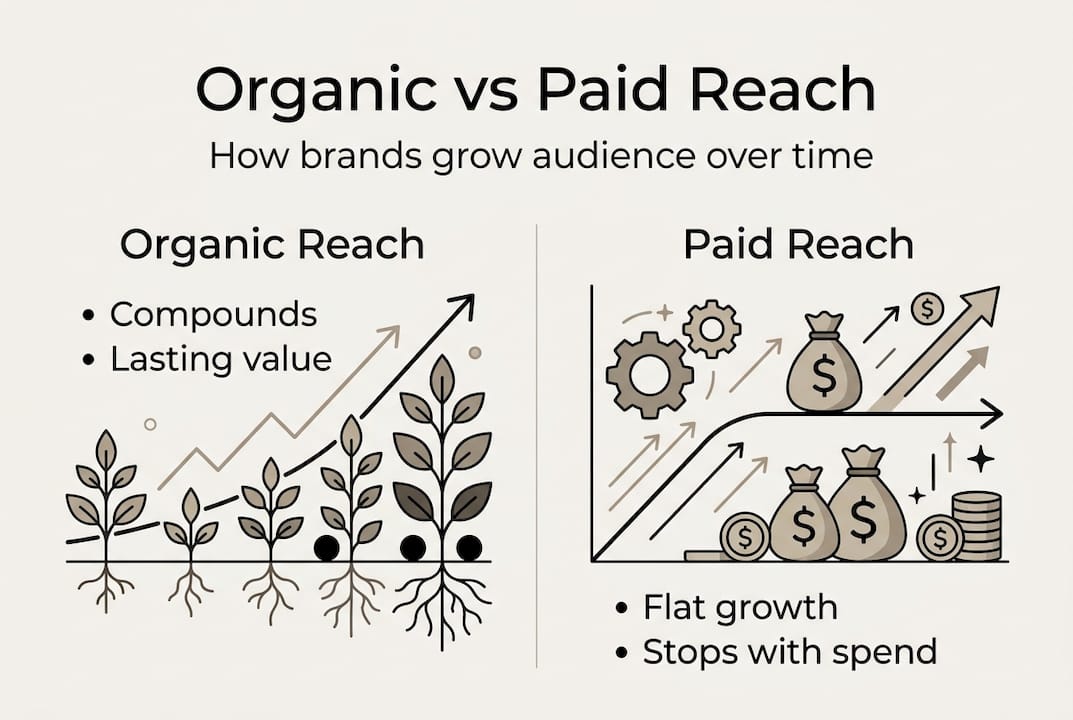
Here is how organic and paid reach compare over a typical 12 to 24 month window:
| Metric | Organic reach | Paid reach |
|---|---|---|
| Visibility over time | Grows and compounds | Flat or declines without budget |
| Cost per visitor (month 12) | Near zero | Same as month 1 |
| Audience trust | High | Moderate to low |
| ROI trajectory | Improves over time | Stays constant or worsens |
| Longevity after campaign ends | Permanent | Zero |
Organic growth also builds credibility in ways paid never can. When your brand ranks on page one for a competitive keyword, it signals expertise and authority to both users and search engines. This is why long-term SEO growth is worth prioritizing even when results feel slow in the early months.
Here are the four stages most brands move through on the path to organic search authority:
- Initial traction: Publishing foundational content, fixing technical issues, and earning first rankings for low-competition keywords.
- Scaling: Expanding content clusters, building internal links, and targeting mid-competition terms as domain authority rises.
- Authority: Ranking for competitive head terms, earning natural backlinks, and becoming a reference point in your niche.
- Leadership: Your brand is cited by others, referenced in AI-generated answers, and generates organic traffic across hundreds of keywords.
For a deeper look at organic traffic strategies that support each of these stages, Backlinko's resource hub is worth bookmarking.
Pro Tip: Track small wins like a new page entering the top 20, or a 5% lift in click-through rate. These are early signals that your organic flywheel is starting to spin. Celebrate them with your team because they predict the bigger wins ahead.
AI-driven SEO: Supercharging organic reach
Manual SEO is still effective, but it is slow. Keyword research that used to take a week can now be done in hours. Content audits that required a specialist can be automated. AI does not replace strategy, but it removes the bottlenecks that keep most SME marketing teams stuck.
AI dramatically accelerates keyword discovery and content optimization for organic growth. The practical impact is significant: you can identify topic clusters your competitors have missed, spot content gaps before they become opportunities for rivals, and publish optimized content at a pace that was previously impossible for small teams.Here is how the time savings break down across common SEO tasks:
| SEO task | Manual time | AI-assisted time | Time saved |
|---|---|---|---|
| Keyword research | 8 to 12 hours | 1 to 2 hours | Up to 85% |
| Content clustering | 4 to 6 hours | 30 to 60 minutes | Up to 87% |
| Technical site audit | 6 to 10 hours | 1 hour | Up to 90% |
| Content brief creation | 2 to 3 hours | 20 minutes | Up to 85% |
Beyond speed, AI-powered SEO enables personalization at scale. You can tailor content to specific audience segments, optimize for featured snippets, and structure pages for answer engine optimization (AEO), which matters as more searches happen inside tools like ChatGPT and Perplexity.
The benefits of AI in your organic strategy include:
- Speed: Compress months of research into days.
- Efficiency: Automate repetitive tasks and free your team for creative work.
- Personalization: Match content to search intent more precisely.
- Scalability: Publish more high-quality content for growth without proportionally growing headcount.
- Consistency: Maintain publishing cadence with content plans for organic growth that run on autopilot.
Pro Tip: Run an AI-powered crawlability audit before launching any new content campaign. Broken links, slow pages, and missing structured data silently kill organic rankings. Fix the foundation first, then build on it.
Strategies to maximize your organic reach in 2026
Knowing why organic reach matters is one thing. Knowing exactly what to do on Monday morning is another. Here are the strategies that move the needle most in 2026, given where algorithms and AI-driven search are heading.
Strategic content planning is vital for scaling organic growth. Without a plan, most teams publish reactively, chasing trends and leaving evergreen opportunities on the table. That is the single biggest mistake we see from SME marketing teams.Actionable tactics to prioritize right now:
- Content quality over quantity: One deeply researched article beats ten thin posts every time.
- Internal linking: Connect related content to distribute authority and reduce bounce rates.
- Answer engine optimization: Structure content to appear in AI-generated answers, not just Google snippets.
- Link building: Earn backlinks through original research, expert quotes, and resource pages.
- Technical audits: Fix crawl errors, improve Core Web Vitals, and add structured data markup.
- Keyword clustering: Group related terms into topic hubs instead of targeting isolated keywords.
Here is a sequential rollout for an AI-forward organic strategy:
- Run a full technical audit to identify and fix site health issues.
- Use AI to map your keyword universe and identify high-opportunity clusters.
- Build a 30-day content plan targeting those clusters with clear search intent.
- Publish consistently, optimizing each piece for both Google and AI-driven engines.
- Build internal and external links to your top-performing pages.
- Measure, iterate, and expand into adjacent topic clusters as authority grows.
One metric worth keeping front of mind: brands that boost organic traffic naturally and focus on search intent see organic click-through rates that are consistently higher than paid search for informational and navigational queries. These are the users who convert at higher rates because they arrived with genuine intent.
The biggest pitfall to avoid is chasing trending topics at the expense of evergreen content. Trends spike and fade. Evergreen content, built around stable search demand, keeps earning traffic for years. Use organic traffic tips to balance both, but always anchor your strategy in long-term value. For a broader look at proven tactics, organic SEO strategies from Search Engine Journal covers the fundamentals well.
Why most SMEs underestimate organic reach — and how to build a competitive edge
Here is the uncomfortable truth: most SMEs treat organic reach as a backup plan. They run paid campaigns because the results are visible and fast, and they dabble in SEO when budget allows. This is backwards.
Paid traffic is a treadmill. You run fast, you stay in place, and the moment you stop, you fall off. Organic reach is a hill you climb. The ascent is harder, but once you reach the top, the view does not disappear when your credit card expires.
What makes this even more interesting is that many of your competitors are making the same mistake. They are over-investing in paid and neglecting organic, which means the search landscape in most SME niches is less competitive than it looks. There is a real window right now for brands willing to commit to organic consistently.
We have seen brands with modest budgets outrank well-funded competitors simply by publishing better content more consistently and understanding organic reach's value as a long-term asset. The mindset shift is simple: stop treating organic as a cost center and start treating it as your most durable growth channel. Let it become the flywheel, not the afterthought.
Take your organic reach further with AI-powered tools
Putting these strategies into practice is where most teams hit a wall. Research, planning, publishing, auditing, and link building are each full-time jobs on their own. That is where Babylovegrowth.ai steps in.

Our platform combines AI keyword discovery, automated content planning, and a backlink building software network into one system built specifically for SME marketing teams. You can run a full AI SEO audit to find your biggest ranking opportunities in minutes, then launch a structured content plan that publishes daily SEO articles optimized for both Google and AI-driven engines. If you are ready to stop renting traffic and start owning it, this is where to start.
Frequently asked questions
What is the main goal of organic reach?
The main goal is to attract and engage audiences naturally, building sustained brand awareness and authority without paid promotion. Organic traffic is essential for long-term brand engagement that compounds over time.
Why does organic reach work better than paid traffic long-term?
Organic reach costs less over time and creates lasting value, while paid traffic ends when your budget runs out. Sustained organic visibility delivers ongoing business impact that paid campaigns simply cannot replicate.
How does AI help improve my organic reach?
AI accelerates keyword research, content creation, and site audits to scale organic growth far more efficiently. AI tools dramatically enhance the speed and scalability of organic SEO for teams of any size.
What are the first steps to boost organic reach?
Start with quality content, technical audits, and keyword research using AI-powered tools. Content quality and audits are the foundation of every successful organic improvement strategy.
Recommended
Smart SEO,
Faster Growth!
Most Read Articles
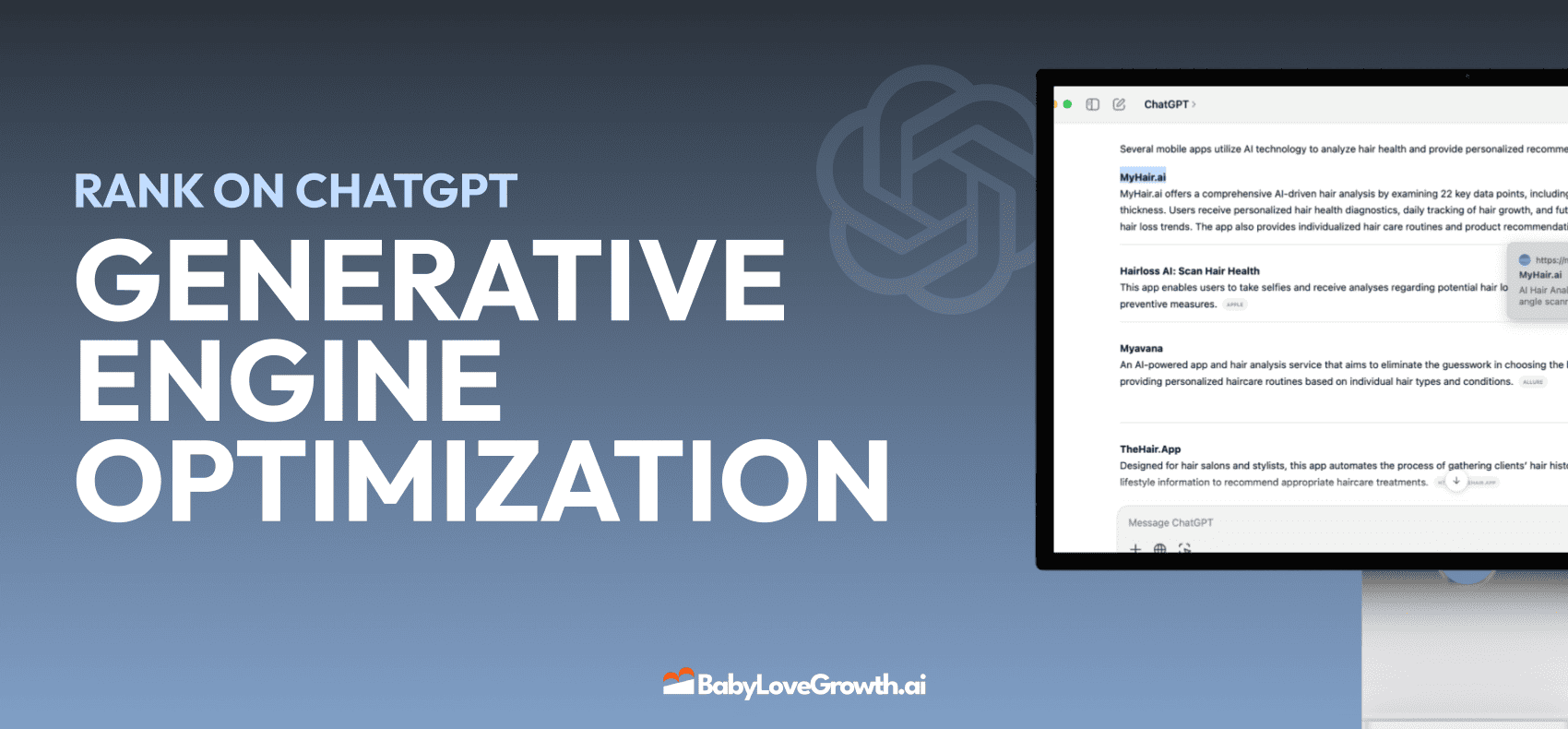
Generative Engine Optimization (GEO)
Learn how Generative Engine Optimization (GEO) helps your content rank in AI search engines like ChatGPT and Google AI. This comprehensive guide explains the differences between SEO and GEO, why it matters for your business, and practical steps to implement GEO strategies for better visibility in AI-generated responses.
DylenJan 18, 2025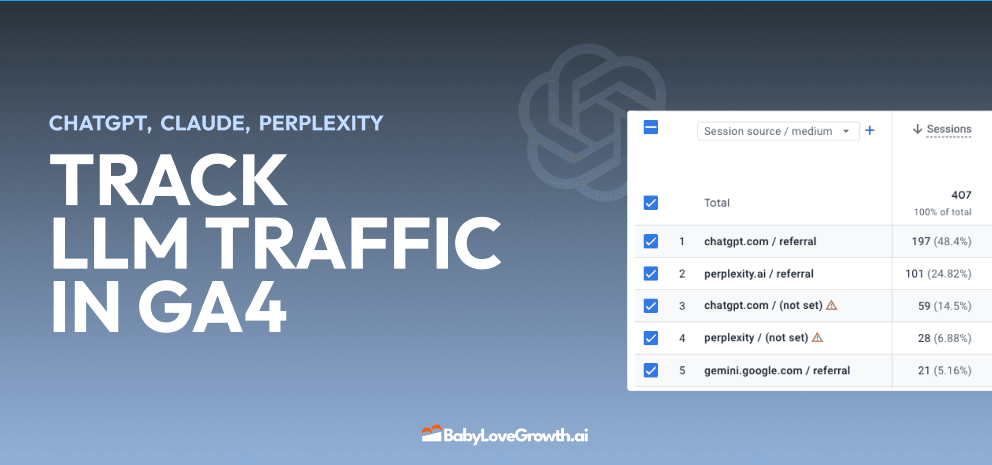
Track LLM Traffic in Google Analytics 4 (GA4)
Learn how to track and analyze traffic from AI sources like ChatGPT, Claude, Perplexity, and Google Gemini in Google Analytics 4. This step-by-step guide shows you how to set up custom filters to monitor AI-driven traffic and make data-driven decisions for your content strategy.
DylenMar 18, 2025
How to Humanize AI Text with Instructions
Learn practical techniques to make AI-generated content sound more natural and human. This guide covers active voice, direct addressing, concise writing, and other proven strategies to transform robotic text into engaging content.
DylenApril 7, 2025
Open AI Revenue and Statistics (2024)
Comprehensive analysis of OpenAI financial performance, user engagement, and market position in 2023. Discover key statistics including $20B valuation, $1B projected revenue, and 100M+ monthly active users.
DylenOctober 03, 2025