What is external link building: a 2026 guide for SEO success


High-quality backlinks remain the currency of SEO success in 2026. Sites that master external link building enjoy higher organic traffic and rankings compared to competitors relying solely on on-page optimization. Yet many marketers still chase quantity over quality, risking penalties and wasted effort. This guide cuts through the confusion, showing you how to build backlinks that actually move the needle: strategies that work, tactics to avoid, and how to measure real impact. You'll walk away with a clear roadmap for sustainable link building that drives results.
Table of Contents
- Introduction To External Link Building
- How External Link Building Influences SEO Rankings
- Common Misconceptions About External Link Building
- Ethical Vs. Risky Link Building Strategies
- Effective Strategies For High-Quality Backlink Acquisition
- Measuring And Sustaining Link Building Success
- Integrating External Link Building Into Your SEO Workflow
- Boost Your External Link Building With Babylovegrowth.ai
- Frequently Asked Questions About External Link Building
Key takeaways
| Point | Details |
|---|---|
| Quality trumps quantity | Search engines prioritize relevant, trustworthy backlinks over sheer link volume for ranking decisions. |
| White hat builds trust | Ethical, content-driven link building reduces penalty risk and supports long-term organic growth. |
| Personalization wins links | Customized outreach increases response rates and acquisition success compared to generic templates. |
| Measurement drives improvement | Regular monitoring of domain authority, traffic, and link health ensures sustained SEO benefits. |
| Automation scales impact | AI-powered tools identify opportunities and personalize outreach at scale for efficiency. |
Introduction to external link building
External link building means acquiring backlinks from other websites to your own. These backlinks function as votes of confidence in search engine algorithms. Google's PageRank concept evaluates both the quality and quantity of links pointing to your site, weighing them against competitor profiles. This makes external link building essential to the role of link building SEO strategies for organic visibility.
Search engines treat backlinks as foundational ranking signals when determining website authority and relevance. The algorithm assesses link sources, context, and anchor text to evaluate trustworthiness. Sites with robust backlink profiles from authoritative domains typically outrank competitors with weaker link portfolios. This relationship between external links and rankings makes link building critical beyond on-page optimization factors like content quality and technical SEO.
Key benefits of effective external link building include:
- Improved domain authority scores that boost overall site rankings
- Increased referral traffic from visitors clicking linked content
- Enhanced brand credibility through association with trusted sources
- Faster indexing of new pages as search engines discover links
- Competitive advantage in crowded markets and high-value keywords
While on-page factors matter, Google search ranking signals consistently emphasize the importance of quality backlinks. Sites ignoring external link building handicap their organic growth potential, regardless of content excellence. The challenge lies in acquiring the right links through ethical methods that deliver sustainable results.
How external link building influences SEO rankings
Search engines evaluate backlinks based on quality rather than volume alone. A single link from a highly authoritative domain often carries more ranking weight than dozens from low-quality sites. This quality assessment considers domain authority, topical relevance, and the linking page's own backlink profile. Sites that accumulate relevant, authoritative links see stronger ranking improvements compared to those pursuing indiscriminate link acquisition.
Link relevance matters as much as authority. A backlink from a website in your industry or niche signals topical alignment to search engines. Google's algorithm evaluates contextual factors like surrounding content, anchor text, and the linking page's subject matter. Irrelevant links from unrelated sites provide minimal ranking benefit and may even trigger quality concerns. This emphasis on relevance makes targeted backlink analysis SEO strategy essential for competitive positioning.
The difference between trustworthy and spammy backlinks affects your site's standing:
- Trustworthy links come from established sites with clean backlink profiles
- Spammy links originate from link farms, private blog networks, or low-quality directories
- Natural links appear in contextually relevant content with organic anchor text
- Manipulative links use exact-match anchor text or appear in unrelated contexts
Trust flow and citation flow metrics help quantify link quality. Trust flow measures the reliability of linking domains based on their own link profiles. Citation flow gauges raw link quantity without quality weighting. Sites with high trust flow relative to citation flow typically perform better in rankings. These metrics reveal whether your backlink profile emphasizes quality or merely accumulates volume.
Link placement and context significantly impact ranking value. Editorial links within main content carry more weight than sidebar or footer links. The linking page's position in site architecture matters too. Links from homepage or high-authority pages transfer more ranking power than those buried deep in site structure. Understanding these nuances helps you prioritize Google link quality and relevance when evaluating potential link opportunities.

Common misconceptions about external link building
Many marketers mistakenly believe all backlinks deliver equal SEO value. In reality, link quality varies dramatically based on source authority, relevance, and placement. A link from an industry-leading publication drives significantly more ranking impact than one from an obscure directory. This quality variation means focusing energy on high-value opportunities rather than accumulating maximum link count.
The myth that rapid link building improves rankings quickly often backfires. Unnatural link velocity raises red flags in search algorithms designed to detect manipulation. Sites that suddenly acquire dozens of backlinks within days or weeks risk triggering quality reviews. Sustainable link building follows organic growth patterns that mirror natural editorial linking behavior. Patience and consistency outperform aggressive short-term tactics.
Paid links and reciprocal link exchanges seem tempting but carry substantial risks:
- Purchased links violate search engine guidelines and risk manual penalties
- Link exchanges often appear unnatural and provide minimal ranking benefit
- Private blog networks eventually get deindexed, destroying link value
- Guest posting solely for links without quality content triggers spam filters
"Black hat tactics might show quick wins, but the long-term damage from penalties far outweighs any temporary ranking gains. One penalty can erase months of legitimate SEO work."
External link building differs fundamentally from internal linking strategies. Internal links connect pages within your own domain to improve crawlability and distribute link equity. External links come from other domains and signal third-party endorsement. Confusing these concepts leads to misallocated resources and missed opportunities. Each type serves distinct purposes in comprehensive SEO strategies.
Black hat tactics cause devastating consequences when detected. Google penalties result in traffic drops exceeding 50% due to ranking devaluations and visibility loss. Recovery requires disavowing bad links, submitting reconsideration requests, and rebuilding reputation over months. These setbacks make ethical link building strategies for SEO the only viable long-term approach.
Ethical vs. risky link building strategies
White hat link building emphasizes quality content, genuine relationships, and editorial merit. This approach focuses on creating resources valuable enough that other sites naturally want to link to them. Outreach targets relevant publishers and offers mutual value rather than transactional exchanges. The result is sustainable link profiles that withstand algorithm updates and manual reviews. Sites practicing white hat methods build trust with both search engines and human audiences.
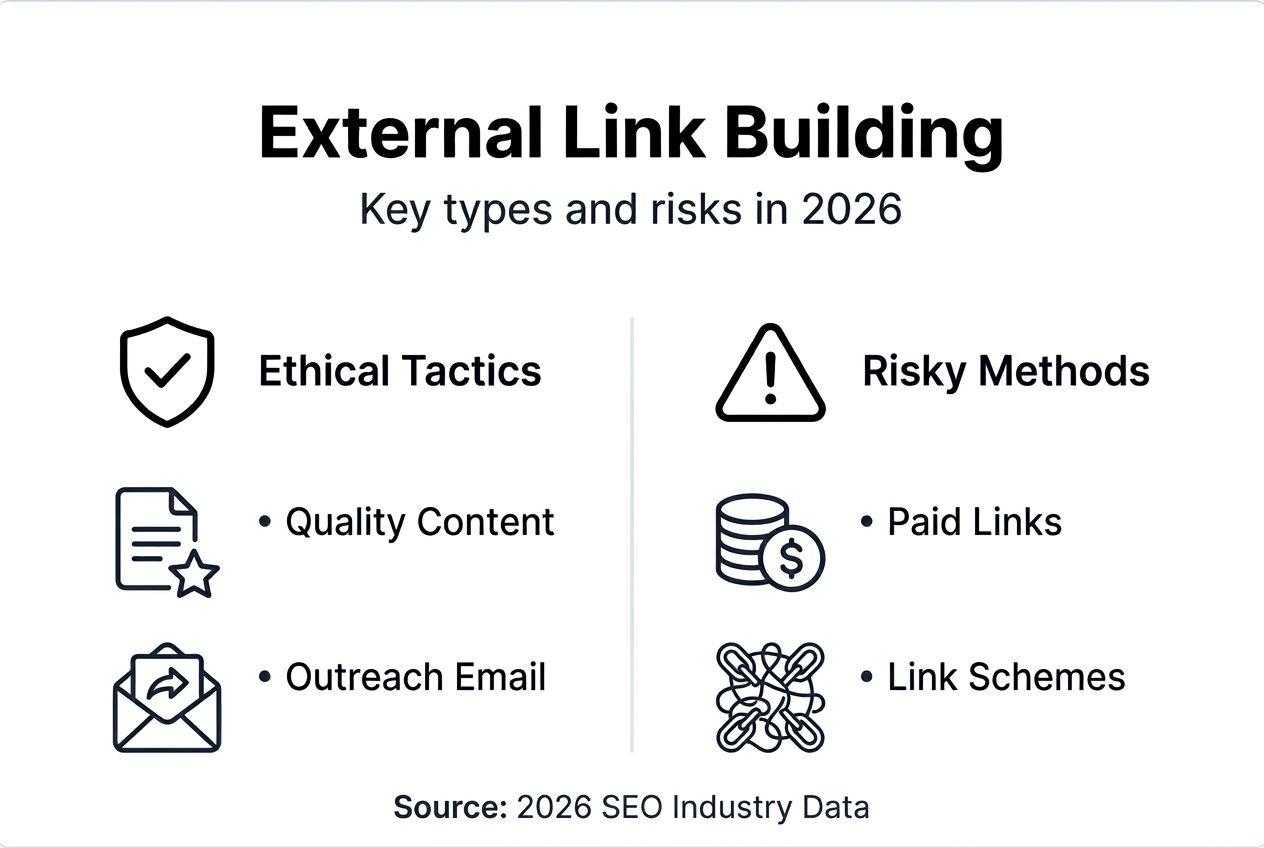
Black hat link building relies on shortcuts that violate search engine guidelines. Common tactics include purchasing links, participating in link schemes, and using automated software to generate spammy backlinks. These methods promise quick results but expose sites to severe penalties. Detected link schemes cause traffic losses over 50% when algorithms devalue manipulative link profiles or apply manual actions.
| Strategy Type | Methods | Risk Level | Long-term Value |
|---|---|---|---|
| White Hat | Guest posts, content marketing, digital PR, resource pages | Low | High, sustainable |
| Gray Hat | Reciprocal links, paid guest posts, aggressive outreach | Medium | Uncertain, volatile |
| Black Hat | Link farms, PBNs, automated spam, paid links | High | Negative, penalty risk |
Ethical link building delivers advantages beyond penalty avoidance. Sites with natural backlink profiles enjoy algorithm compliance as search engines refine ranking factors. Trust builds with industry peers, opening doors for collaboration and additional link opportunities. Longevity means investments compound over time rather than requiring constant firefighting. These benefits make white hat approaches more cost-effective despite slower initial progress.
Pro Tip: Focus on building genuine relationships with webmasters and content creators in your niche. Personalized outreach that offers real value gets better response rates than generic link requests. People link to sites they know and trust, so invest time in community participation before asking for links.
The contrast between ethical and risky tactics comes down to sustainability. Black hat methods might produce temporary ranking spikes, but penalties erase gains and damage brand reputation. White hat strategies require more effort upfront but create compounding returns as your backlink profile strengthens. Understanding Google guidelines on link schemes helps you stay on the right side of the line. Smart marketers choose sustainable backlink building over risky shortcuts every time.
Effective strategies for high-quality backlink acquisition
Successful link building starts with creating content that naturally attracts backlinks. This means developing resources your target audience finds genuinely useful, whether comprehensive guides, original research, or interactive tools. Content tailored to specific audience needs performs better than generic material. When you solve real problems or provide unique insights, other sites naturally reference your work as authoritative sources.
Personalized email outreach dramatically improves link acquisition success rates. Generic templates get ignored, while customized messages that demonstrate familiarity with the recipient's content earn responses. Reference specific articles, explain why your content adds value to their audience, and make the ask clear but not pushy. This personalization shows respect for the recipient's time and increases willingness to consider your link request.
- Research and identify authoritative sites in your niche with strong domain profiles
- Create linkable assets like original data, comprehensive guides, or unique tools
- Craft personalized outreach messages referencing the recipient's specific content
- Follow up strategically without being pushy, typically after one week
- Track responses and refine your approach based on what works
- Build ongoing relationships rather than treating outreach as one-time transactions
AI tools accelerate the identification of quality link opportunities at scale. These platforms analyze competitor backlink profiles to reveal sites actively linking to similar content. They also help personalize outreach by suggesting relevant talking points based on recipient content analysis. This combination of efficiency and customization lets you streamline link building workflow without sacrificing quality.
Focusing on niche and authoritative sites matching your industry delivers better results than broad outreach. Links from topically relevant domains carry more ranking weight and drive qualified referral traffic. Target sites with strong domain authority but also consider emerging platforms building authority in your specific niche. This balanced approach builds a diverse, natural-looking backlink profile.
Pro Tip: Leverage automation in link building to handle repetitive tasks like prospect research and follow-up sequencing. This frees your time for the high-value work of crafting compelling pitches and building relationships that automation cannot replicate.
Tracking and adjusting campaigns based on performance data ensures continuous improvement. Monitor response rates, link acquisition costs, and resulting traffic and ranking changes. Double down on tactics producing results while refining or abandoning underperforming approaches. This data-driven methodology maximizes ROI and prevents wasted effort on ineffective strategies.
Measuring and sustaining link building success
Effective measurement starts with tracking the right metrics. Domain authority scores indicate overall site strength and correlate with ranking potential. Referral traffic reveals how many visitors actually click through backlinks to reach your site. Link quantity and quality together paint a complete picture, as sheer volume means little without authoritative sources. These metrics help you assess whether your link building efforts translate into tangible SEO improvements.
Backlink analysis tools detect new links as they appear and alert you to lost links requiring investigation. Regular monitoring catches negative SEO attacks where competitors build spammy links to your site. It also identifies high-value links worth nurturing through continued relationship building. Set up automated alerts so you stay informed without manual checking consuming excessive time.
Evaluating link impact on organic traffic and rankings requires patience and proper attribution:
- Track ranking changes for target keywords after acquiring relevant backlinks
- Monitor organic traffic trends in analytics, segmenting by landing page
- Measure time to ranking improvements after link acquisition campaigns
- Compare performance against competitors with similar content but different link profiles
Maintaining link relevance means regularly updating outreach targets and content strategies. Industries evolve, new authoritative sites emerge, and older platforms lose influence. Your backlink profile monitoring should identify opportunities to earn links from rising platforms while preserving relationships with established authorities. This dynamic approach keeps your backlink profile fresh and aligned with current industry landscape.
| Metric | What It Measures | Target Range | Action Threshold |
|---|---|---|---|
| Domain Authority | Overall site strength | 40+ for SMBs | Below 30 needs urgent link building |
| Referring Domains | Unique sites linking | 50+ quality domains | Stagnation for 3+ months needs new campaign |
| Link Quality Score | Authoritative vs. spammy | 80%+ quality links | Below 70% requires disavow action |
| Referral Traffic | Visitors from backlinks | 10%+ of total traffic | Below 5% suggests relevance issues |
Avoiding penalties requires proactive disavowal of toxic or spammy links. Use backlink audit tools to identify problematic links from known spam sources, irrelevant sites, or suspicious patterns. Submit disavow files to search engines declaring these links invalid for ranking purposes. This preventive action protects your site from algorithmic devaluations even when you did not create the problematic links yourself.
Integrating external link building into your SEO workflow
Systematic integration starts with automating backlink opportunity identification. AI-powered platforms scan competitor profiles, industry publications, and relevant directories to surface potential link sources. Automated outreach sequencing handles follow-ups and tracks responses without manual intervention. This streamlined link building workflow lets small teams achieve results previously requiring dedicated link building specialists.
Personalizing communication at scale requires smart use of AI tools. These platforms analyze recipient content to suggest relevant talking points and customize message templates. The result feels personal without requiring individual message crafting for hundreds of prospects. Balance automation with human oversight to maintain authenticity and catch errors that pure automation might miss.
Aligning link building with content creation and technical SEO maximizes efficiency:
- Plan linkable assets during content calendar development
- Coordinate outreach timing with new content publication
- Ensure technical site health supports crawlability of new backlinks
- Update internal linking to distribute link equity from new backlinks
- Monitor page speed and user experience for referral traffic
Scheduling regular audits and adjustments optimizes ongoing results. Monthly reviews catch emerging issues before they escalate into major problems. Quarterly strategy sessions evaluate what is working and pivot away from underperforming tactics. Annual comprehensive audits assess overall backlink profile health and set strategic direction. This cadence balances responsiveness with sustainable resource allocation.
Integrating performance tracking with broader SEO analytics reveals the full impact of link building efforts. Connect backlink acquisition data with keyword rankings, organic traffic, and conversion metrics. This holistic view shows how sustainable backlink building contributes to business objectives rather than existing as isolated activity. It also helps justify continued investment to stakeholders focused on ROI.
The most successful teams treat link building as integral to SEO rather than a separate discipline. They embed automation in link building processes while maintaining strategic human oversight. This integration ensures consistent effort without overwhelming limited resources, making sophisticated link building accessible even to small marketing teams.
Boost your external link building with Babylovegrowth.ai
You understand the strategies, but executing them at scale remains challenging for most SMB marketing teams. Babylovegrowth.ai solves this problem with AI-powered backlink building software that automates opportunity discovery and personalizes outreach without sacrificing quality. The platform identifies high-value link prospects based on your industry and content, then crafts customized outreach that actually gets responses.

Integration with keyword discovery platform capabilities ensures your link building aligns with broader content strategy. You can coordinate linkable asset creation with keyword opportunities and track how backlinks improve target keyword rankings. This unified approach delivered through a comprehensive SEO link building platform eliminates the fragmentation that typically hampers SMB SEO efforts. Try Babylovegrowth.ai to transform your link building from sporadic outreach into systematic growth driver.
Frequently asked questions about external link building
What is the difference between external and internal linking?
External links connect your site to other domains, signaling endorsement and relevance to search engines. Internal links connect pages within your own domain, improving navigation and distributing link equity. Both matter for SEO but serve distinct purposes in your overall strategy.
How long does it take to see SEO results from link building?
Typical timelines range from three to six months for noticeable ranking improvements after acquiring quality backlinks. Search engines need time to crawl new links, evaluate their quality, and adjust rankings accordingly. Patience and consistent effort deliver better results than expecting immediate jumps.
Are paid backlinks ever safe or recommended?
Paying directly for links violates search engine guidelines and risks severe penalties. However, paying for content creation or PR services that may result in editorial links is acceptable. The distinction lies in whether you are buying the link itself or legitimate promotional services.
What tools help monitor backlink profiles?
Popular options include Ahrefs, SEMrush, Moz, and Google Search Console for tracking new and lost links. These platforms provide domain authority metrics, identify toxic links, and reveal competitor backlink strategies. Regular monitoring with these tools prevents surprises and informs strategic adjustments.
How often should I update my link building strategy?
Review tactics monthly to catch emerging issues and quarterly for strategic pivots based on performance data. Annual comprehensive audits assess overall backlink profile health and competitive positioning. This cadence balances responsiveness with sustainable resource allocation for most SMB marketing teams.
Can I recover from a Google link penalty?
Recovery is possible but requires removing or disavowing problematic links and submitting a reconsideration request. The process takes several months and demands thorough cleanup of your backlink profile. Prevention through ethical practices remains far easier than penalty recovery.
Recommended
Smart SEO,
Faster Growth!
Most Read Articles
Generative Engine Optimization (GEO)
Learn how Generative Engine Optimization (GEO) helps your content rank in AI search engines like ChatGPT and Google AI. This comprehensive guide explains the differences between SEO and GEO, why it matters for your business, and practical steps to implement GEO strategies for better visibility in AI-generated responses.
DylenJan 18, 2025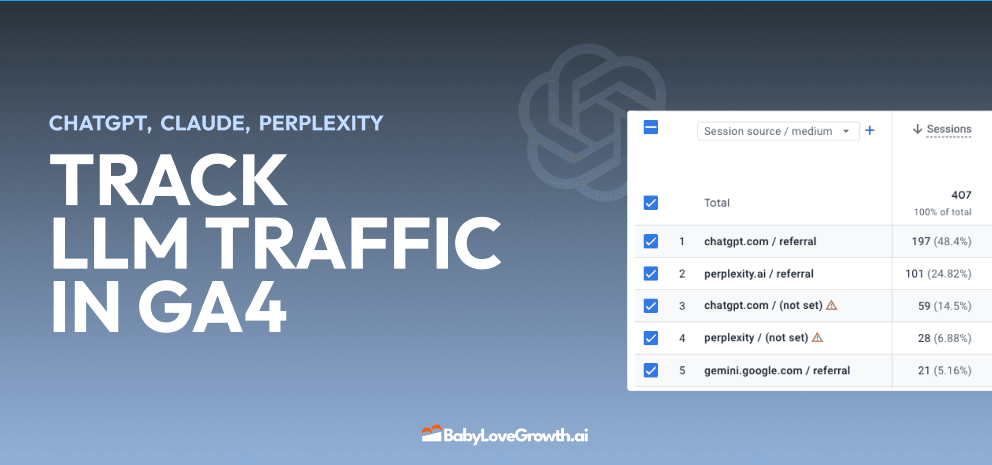
Track LLM Traffic in Google Analytics 4 (GA4)
Learn how to track and analyze traffic from AI sources like ChatGPT, Claude, Perplexity, and Google Gemini in Google Analytics 4. This step-by-step guide shows you how to set up custom filters to monitor AI-driven traffic and make data-driven decisions for your content strategy.
DylenMar 18, 2025
How to Humanize AI Text with Instructions
Learn practical techniques to make AI-generated content sound more natural and human. This guide covers active voice, direct addressing, concise writing, and other proven strategies to transform robotic text into engaging content.
DylenApril 7, 2025
Open AI Revenue and Statistics (2024)
Comprehensive analysis of OpenAI financial performance, user engagement, and market position in 2023. Discover key statistics including $20B valuation, $1B projected revenue, and 100M+ monthly active users.
DylenOctober 03, 2025
"Search Google or Type a URL": What It Means & What to Do
Learn what "Search Google or type a URL" actually means, how your browser decides whether to search or navigate, and what to do if your address bar starts behaving unexpectedly. Includes browser settings guides for Chrome, Firefox, Edge, and Safari.
DylenApr 21, 2026