What is content brief generation: a strategic guide


Over half of marketing professionals worldwide already use generative AI to create written content, fundamentally transforming how content strategists approach SEO planning. But what exactly is content brief generation, and why has it become essential for organic growth? This guide cuts through the hype to show you precisely how to generate effective content briefs that align with user intent, outrank competitors, and drive measurable traffic. You'll learn the step-by-step process, discover how AI streamlines the workflow, and gain actionable insights to implement immediately in your SEO strategy.
Table of Contents
- What Is Content Brief Generation And Why It Matters
- Step-By-Step Process To Create An Effective SEO Content Brief
- Using Content Briefs To Improve SEO Rankings And User Engagement
- Modern Tools And AI-Assisted Content Brief Generation
- Enhance Your Content Brief Generation With BabyLoveGrowth Tools
- Frequently Asked Questions
Key takeaways
| Point | Details |
|---|---|
| Content briefs boost rankings | Well-structured SEO content briefs improve search rankings and click-through rates by aligning content with user intent. |
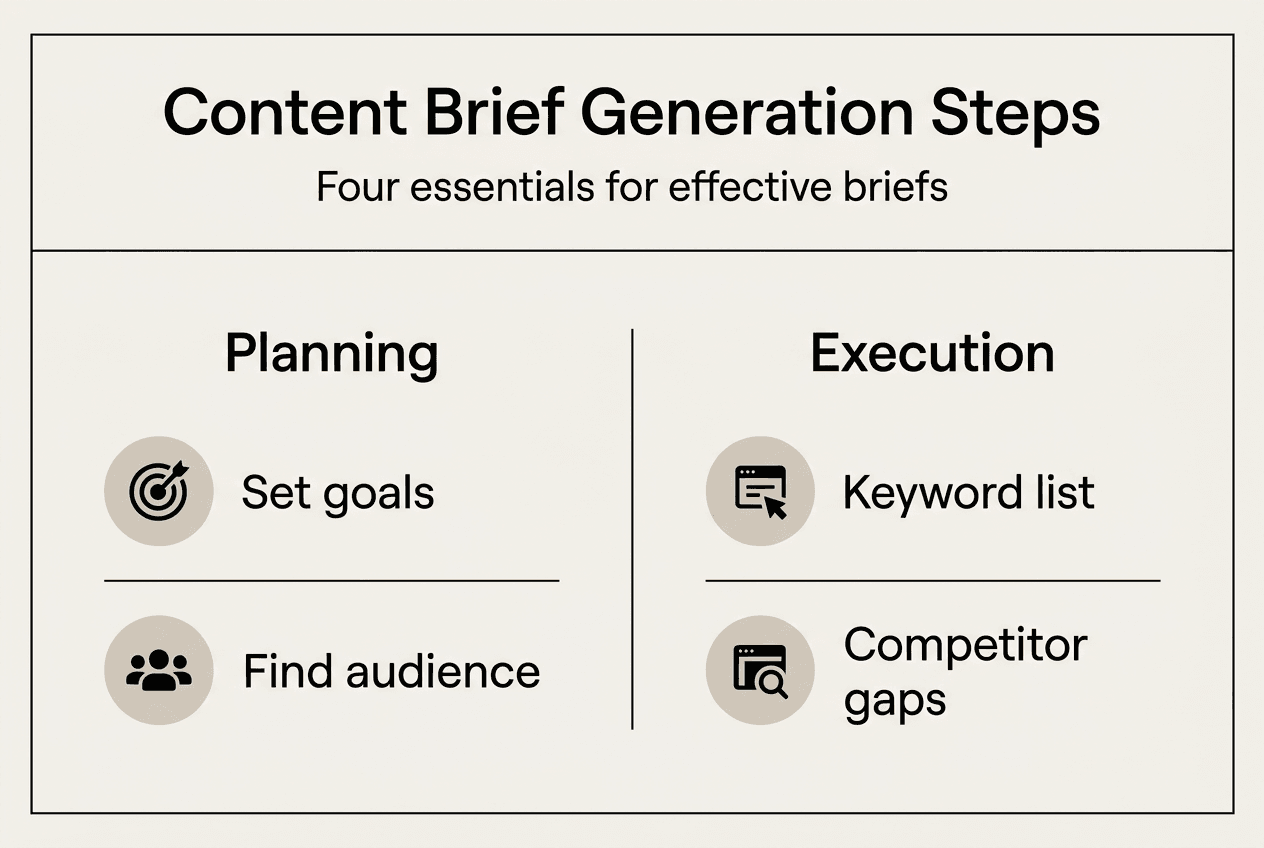
| Process includes four key steps | Define goals, identify target audience, conduct keyword research, and analyze competitor content gaps. |
| AI accelerates generation | Over 55% of marketers use AI tools to streamline content brief creation and enhance research accuracy. |
| Alignment drives engagement | Mapping briefs to customer journey stages maximizes user engagement and conversion potential. |
What is content brief generation and why it matters
Content brief generation is the systematic process of creating detailed planning documents that guide writers in producing SEO-optimized content. These briefs serve as blueprints, specifying target keywords, search intent, content structure, competitor insights, and formatting requirements. They bridge the gap between SEO strategy and content execution, ensuring every piece published serves a clear purpose in your organic growth plan.
The role of AI in content strategy has transformed how teams approach this process. Traditional brief creation required hours of manual research, competitor analysis, and keyword mapping. Modern AI-powered tools now automate much of this groundwork, allowing strategists to focus on higher-level decisions about content positioning and differentiation.
Why does this matter for SEO professionals? Content briefs directly impact three critical outcomes:
- Search rankings: Briefs ensure content targets the right keywords with appropriate depth and structure, matching what search engines reward.
- Consistency: Teams producing multiple pieces monthly maintain quality and strategic alignment when working from detailed briefs.
- Efficiency: Writers spend less time researching and more time crafting compelling narratives when briefs provide clear direction.
- Competitive advantage: Thorough competitor analysis in briefs reveals content gaps your team can exploit to capture untapped search traffic.
The data supports this shift toward structured planning. Marketing professionals worldwide use generative AI at unprecedented rates, with 55% already incorporating it into content creation workflows. This adoption reflects a fundamental recognition that systematic brief generation, enhanced by AI capabilities, produces better results than ad hoc content planning.
Content brief generation isn't just about filling templates. It's about making strategic decisions that compound over time. Each brief represents an opportunity to capture search visibility, address user needs more precisely than competitors, and build topical authority in your niche. When executed consistently, this approach transforms content marketing from a cost center into a predictable growth channel.
Step-by-step process to create an effective SEO content brief
Creating a comprehensive content brief requires methodical execution across four essential phases. Each step builds on the previous one, ensuring your final brief provides writers with everything needed to produce high-performing content.
Step 1: Define clear content goals
Start by establishing what success looks like for this specific piece. Are you targeting top-of-funnel awareness, mid-funnel consideration, or bottom-funnel conversion? Define the primary objective, whether that's ranking for a high-volume keyword, answering a specific user question, or supporting a product launch. Document the desired outcome in measurable terms, such as target ranking position, expected monthly traffic, or conversion actions.
Step 2: Identify target audience and user intent
Map the specific audience segment this content serves. Go beyond demographics to understand their pain points, knowledge level, and stage in the customer journey. Analyze the search intent behind your target keyword. Is it informational, navigational, commercial, or transactional? This distinction shapes everything from content depth to call-to-action placement. Content creation workflows for SEO depend on accurate intent classification.

Step 3: Conduct thorough keyword research
Identify your primary keyword, then build out a comprehensive list of secondary keywords, related terms, and semantic variations. Analyze search volume, difficulty, and current ranking content for each term. Look for question-based queries that signal specific user needs. Document keyword placement recommendations, including title, headings, and natural integration points throughout the body content.
Step 4: Analyze competitor content and gaps
Examine the top 10 ranking pages for your target keyword. Note their word counts, content structures, topics covered, and unique angles. More importantly, identify what they're missing. These gaps represent your opportunity to create something genuinely better. Document specific ways your content will provide superior value, whether through deeper analysis, original research, better examples, or clearer explanations.
The process of creating SEO content briefs systematically addresses these four areas, ensuring nothing critical gets overlooked. Each element informs the others. Your audience research shapes keyword selection. Competitor analysis reveals which topics deserve expanded coverage. Goals determine how aggressively to target competitive keywords versus easier wins.
Pro Tip: Map each content brief to a specific customer journey stage. Top-of-funnel content requires broader topic coverage and educational focus. Bottom-of-funnel briefs should emphasize product specifics, comparisons, and conversion-oriented elements. This alignment ensures your content portfolio guides prospects naturally toward purchase decisions.
The time invested in thorough brief creation pays dividends throughout the content lifecycle. Writers produce better first drafts. Editors spend less time on structural revisions. Published content performs better because it's strategically designed rather than intuitively assembled. This systematic approach transforms content production from an art into a repeatable process that consistently delivers SEO results.
Using content briefs to improve SEO rankings and user engagement
Well-crafted content briefs directly influence two critical metrics: search engine rankings and user engagement. Understanding this connection helps you design briefs that maximize both outcomes simultaneously.
Aligning content with search intent
Search engines reward content that satisfies user intent precisely. Your brief must specify the exact intent type and how the content will address it. For informational queries, structure content to answer questions comprehensively. For commercial intent, include product comparisons and feature breakdowns. Transactional content needs clear paths to conversion. This alignment ensures search engines recognize your content as the best answer to the query.
Impact on rankings and click-through rates
Research confirms that SEO content briefs improve rankings and CTR when they incorporate strategic elements like compelling title formulas, meta description frameworks, and heading structures optimized for featured snippets. Briefs should specify these elements explicitly, not leave them to writer interpretation. Include title templates that incorporate target keywords naturally while maintaining curiosity. Outline meta descriptions that preview unique value propositions.
Best practices to boost engagement
Engagement starts with meeting expectations set by your title and meta description, then exceeding them with superior content. Your brief should mandate these engagement drivers:
- Immediate value delivery: Specify that introductions must hook readers with relevant insights, not generic context.
- Scannable structure: Require short paragraphs, descriptive subheadings, and strategic use of lists and tables.
- Practical examples: Include requirements for real-world applications, case studies, or data points that make concepts tangible.
- Clear next steps: Define how content should guide readers toward additional resources or actions that serve their needs.
Pro Tip: Include a "content differentiation" section in every brief that explicitly states how this piece will be better than current top-ranking content. This forces strategic thinking before writing begins and ensures you're not just creating more of the same.
"The most effective content briefs don't just describe what to write, they explain why it matters to the reader and how it fits into the broader SEO strategy. This context helps writers make better decisions when faced with choices the brief doesn't explicitly address."
Common pitfalls to avoid
Briefs fail when they prioritize search engines over users. Keyword stuffing requirements, arbitrary word count targets without strategic justification, and neglecting readability in favor of SEO elements all backfire. Modern search algorithms detect and penalize content optimized for robots rather than humans.
Another critical mistake is creating briefs in isolation from your content calendar and topical authority strategy. Each piece should build on previous content, link to related articles, and contribute to comprehensive topic coverage. Optimizing content for AI search requires this interconnected approach.
Measuring brief effectiveness
Track these metrics to evaluate whether your briefs drive results:
| Metric | Target | Measurement Method |
|---|---|---|
| Time to first draft | Under 5 hours for 2000-word piece | Writer tracking |
| Revision rounds | Maximum 2 substantive edits | Editorial workflow data |
| Ranking achievement | Top 10 within 90 days | Search console monitoring |
| Engagement rate | Above 60 seconds average time on page | Analytics platform |
This data reveals whether your briefs provide sufficient guidance and strategic direction. Low engagement despite good rankings suggests briefs need stronger user value requirements. Excessive revision rounds indicate briefs lack clarity or miss critical elements writers need.
Modern tools and AI-assisted content brief generation
AI has fundamentally changed the economics of content brief generation. Tasks that once consumed hours now complete in minutes, allowing teams to scale content production while maintaining strategic rigor. Understanding which tools excel at specific brief components helps you build an efficient workflow.
Overview of AI content brief generators
Modern platforms automate the research-heavy aspects of brief creation. They analyze top-ranking content, extract common topics and structures, identify keyword opportunities, and generate outline recommendations. The best tools go beyond simple analysis to provide strategic insights about content gaps and differentiation opportunities.
The widespread adoption of AI in marketing, with 55% of professionals using it for content creation, reflects proven value. These tools don't replace strategic thinking, they amplify it by handling data collection and pattern recognition at scale.
Comparison of features and benefits
| Tool Category | Primary Strength | Best Use Case | Limitation |
|---|---|---|---|
| AI content analyzers | Competitor content breakdown | Understanding what currently ranks | May miss emerging trends |
| Keyword research platforms | Search volume and intent data | Identifying optimization targets | Requires manual strategic interpretation |
| Outline generators | Structure recommendations | Accelerating brief creation | Generic suggestions need customization |
| All-in-one SEO suites | Integrated workflow | Teams needing centralized tools | Higher cost, steeper learning curve |
Each category serves different needs in the brief generation process. AI content tools for growth work best when combined strategically rather than relying on a single platform for everything.
How AI cuts research time and enhances insights
Traditional brief creation required manually reviewing competitor content, extracting topics, analyzing keyword distributions, and identifying patterns. AI tools process this analysis in seconds, revealing insights human researchers might miss. They identify semantic keyword clusters, detect content gaps across multiple ranking pages simultaneously, and suggest related topics that strengthen topical authority.
The time savings compound across your content calendar. A team producing 20 briefs monthly might save 40-60 hours of research time, redirecting that capacity toward content quality improvement or strategic planning.
Key capabilities to prioritize when selecting AI brief tools:
- Real-time SERP analysis: Tools should analyze current top-ranking content, not cached data from weeks ago.
- Intent classification: Automatic categorization of search intent saves manual analysis time.
- Content gap identification: The best tools highlight what competitors miss, not just what they cover.
- Customizable templates: Your briefs should reflect your brand standards and strategic priorities.
- Integration capabilities: Seamless connection with your content management and project tracking systems.
Pro Tip: Use AI tools to generate initial brief drafts, then add strategic layers that reflect your unique positioning and competitive advantages. The role of AI in SEO content strategy is to enhance human decision-making, not replace it. AI excels at pattern recognition and data processing. Humans excel at creative differentiation and strategic positioning. Combine both for optimal results.
Integration best practices
Successful AI integration requires clear workflows. Define which brief elements AI handles autonomously, which need human review, and which require pure strategic input. For example, AI might generate keyword lists and competitor analysis automatically, while humans define content goals, differentiation strategies, and brand voice requirements.
Document your AI-assisted workflow so team members understand where automation ends and strategic thinking begins. This clarity prevents over-reliance on tool outputs and ensures briefs maintain the strategic depth that drives superior content performance.
Enhance your content brief generation with BabyLoveGrowth tools
Generating effective content briefs requires robust keyword research, strategic clustering, and deep understanding of search intent. BabyLoveGrowth's AI-powered platform streamlines this entire process, helping you create data-driven briefs that guide writers toward high-performing content.
Our keyword discovery platform reveals untapped opportunities your competitors haven't targeted yet. Instead of manually brainstorming keyword variations, the tool analyzes search patterns to surface relevant terms with strong traffic potential and manageable competition.

The keyword research tool provides the search volume, difficulty scores, and intent classification data you need to make informed decisions about which keywords deserve dedicated content. Combined with the keyword clustering tool, you can organize related terms into logical content groups, ensuring each brief targets a cohesive topic cluster rather than isolated keywords. This approach builds topical authority faster and creates natural internal linking opportunities across your content portfolio. Transform your brief generation process from guesswork into a systematic, data-backed workflow that consistently produces content your audience needs and search engines reward.
Frequently asked questions
What exactly is content brief generation?
Content brief generation is the systematic process of creating detailed planning documents that guide content creation for SEO purposes. These briefs specify target keywords, search intent, content structure, competitor insights, required topics, and formatting guidelines. They ensure writers have everything needed to produce strategically aligned content that ranks well and serves user needs. The role of AI in content strategy has made this process faster and more data-driven.
How does content brief generation improve SEO performance?
Content briefs improve SEO by ensuring every piece targets specific keywords with appropriate depth and structure. They align content with user search intent, incorporate competitor analysis to identify gaps, and specify technical elements like heading hierarchy and internal linking. This systematic approach produces content designed to rank rather than hoping it performs well after publication. Briefs also maintain consistency across large content portfolios, building topical authority that search engines reward.
What role does AI play in creating content briefs?
AI automates the research-intensive aspects of brief creation, including competitor content analysis, keyword clustering, and search intent classification. Tools can analyze top-ranking pages in seconds, extract common topics and structures, and identify content gaps. This automation saves hours per brief while providing data-backed insights human researchers might miss. However, strategic elements like content differentiation, brand positioning, and audience-specific customization still require human expertise.
How do I start implementing content briefs in my workflow?
Begin by creating a brief template that includes sections for content goals, target audience, primary and secondary keywords, competitor analysis, required topics, and structural requirements. Start with one or two briefs for upcoming content pieces, refining your template based on writer feedback. Gradually expand to brief all content before production begins. Track metrics like time to first draft, revision rounds needed, and content performance to measure whether briefs improve efficiency and results. Adjust your template as you learn what information writers find most valuable.
What should every effective content brief include?
Every brief needs clear content goals, target audience definition, primary keyword with search intent classification, secondary keyword list, competitor content analysis highlighting gaps, required topics and subtopics, recommended content structure, word count range, internal linking opportunities, and specific differentiation points explaining how this content will exceed current top-ranking pages. Additional elements like tone guidelines, example formats, and technical requirements help but aren't essential for every brief.
How long should it take to create a comprehensive content brief?
With AI tools, you can generate initial brief drafts in 15 to 30 minutes. Adding strategic layers, customizing for brand voice, and refining based on specific campaign goals typically requires another 15 to 20 minutes. Total time per brief should range from 30 to 50 minutes for most standard content pieces. Complex topics requiring deeper research or briefs for cornerstone content might take 60 to 90 minutes. Time investment in thorough briefs pays off through faster writing, fewer revisions, and better content performance.
Recommended
Smart SEO,
Faster Growth!
Most Read Articles
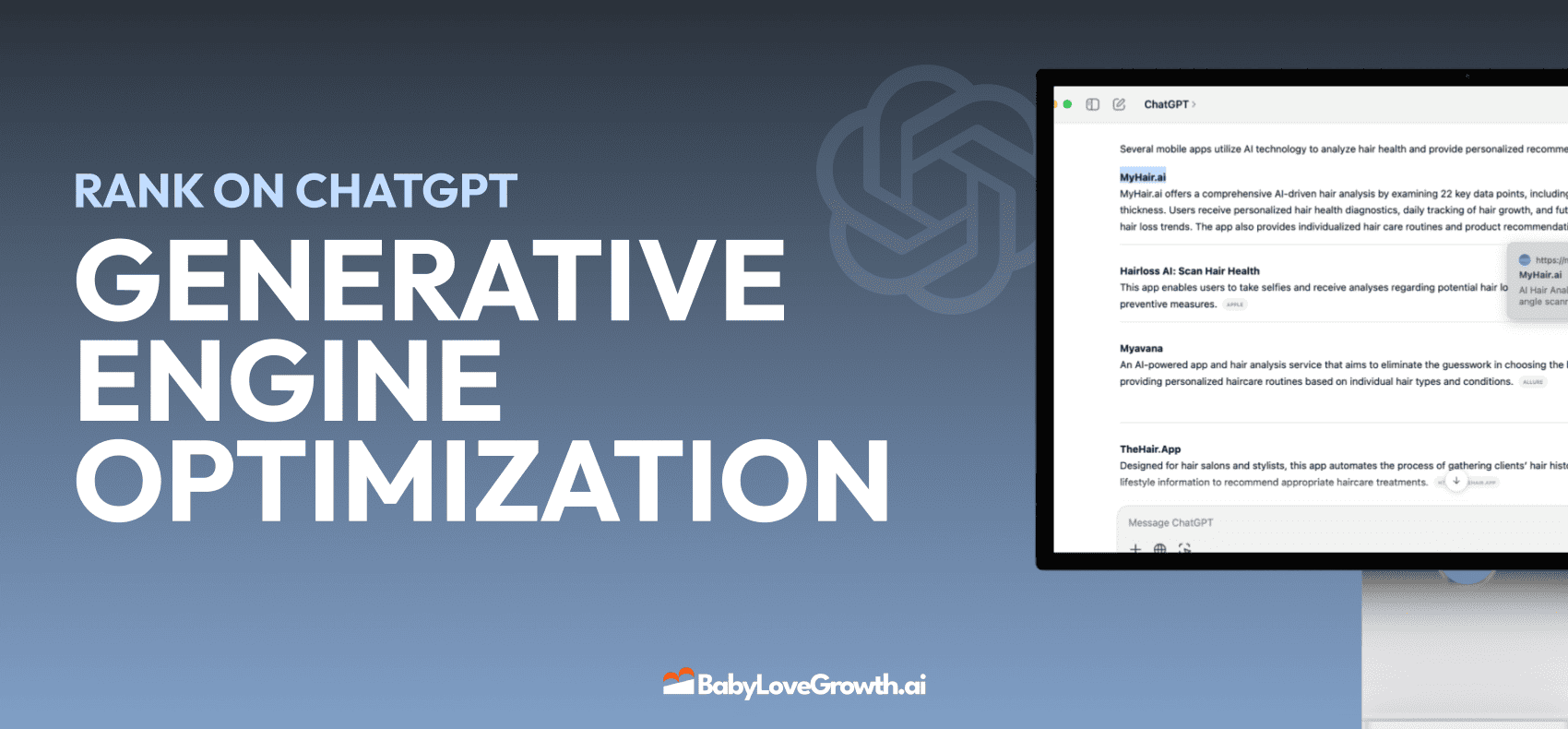
Generative Engine Optimization (GEO)
Learn how Generative Engine Optimization (GEO) helps your content rank in AI search engines like ChatGPT and Google AI. This comprehensive guide explains the differences between SEO and GEO, why it matters for your business, and practical steps to implement GEO strategies for better visibility in AI-generated responses.
DylenJan 18, 2025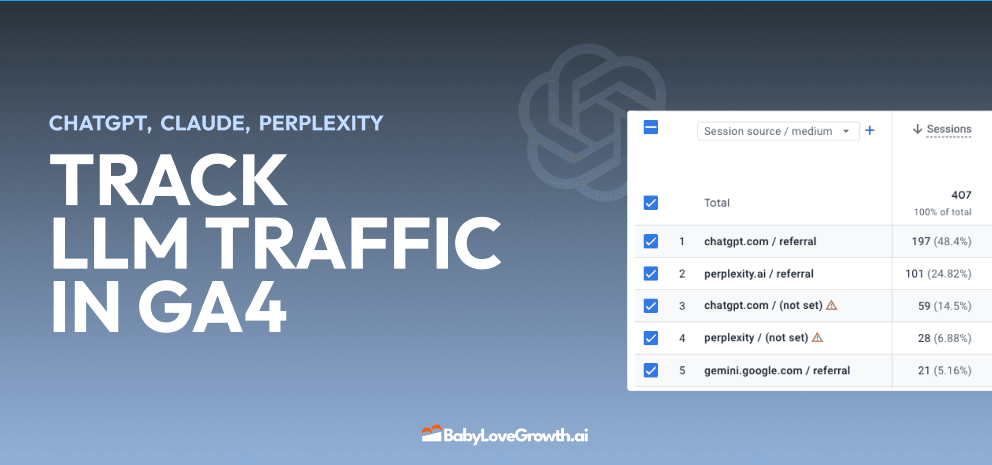
Track LLM Traffic in Google Analytics 4 (GA4)
Learn how to track and analyze traffic from AI sources like ChatGPT, Claude, Perplexity, and Google Gemini in Google Analytics 4. This step-by-step guide shows you how to set up custom filters to monitor AI-driven traffic and make data-driven decisions for your content strategy.
DylenMar 18, 2025
How to Humanize AI Text with Instructions
Learn practical techniques to make AI-generated content sound more natural and human. This guide covers active voice, direct addressing, concise writing, and other proven strategies to transform robotic text into engaging content.
DylenApril 7, 2025
Open AI Revenue and Statistics (2024)
Comprehensive analysis of OpenAI financial performance, user engagement, and market position in 2023. Discover key statistics including $20B valuation, $1B projected revenue, and 100M+ monthly active users.
DylenOctober 03, 2025