Website Speed: Why It Matters for SEO, UX & Conversions


Every American shopper expects pages to load almost instantly, yet over 50% will leave a website that lags for more than three seconds. Website speed matters because slow performance can destroy user trust, bury your business in search rankings, and cut into revenue before a single product is sold. Understanding how speed affects everything from SEO to conversion rates helps you see why optimizing website performance is crucial for real growth.
Table of Contents
- What Is Website Speed Impact
- How Speed Impacts User Behavior
- Speed's Role In SEO Performance
- Revenue Effects Of Slow Pages
- Strategies To Improve Site Speed
Key Takeaways
| Point | Details |
|---|---|
| Website Speed Affects SEO | Faster websites rank higher in search results, leading to improved visibility and organic traffic. |
| User Behavior is Impacted by Speed | Users are likely to abandon sites that load slower than three seconds, leading to lost engagement and conversions. |
| Revenue Loss from Slow Pages | A single second of delay can reduce conversion rates by up to 7%, significantly impacting potential revenue. |
| Optimization Strategies are Crucial | Techniques such as image compression and browser caching can improve loading times and enhance user experience. |
What Is Website Speed Impact
Website speed refers to how quickly a website loads and displays content for users, directly influencing critical digital performance metrics like search engine rankings, user engagement, and conversion rates. When users arrive at a site that loads slowly, they experience frustration and are likely to abandon their journey before completing desired actions.
The impact of website speed extends far beyond mere user convenience. Search engines like Google use page load time as a significant ranking factor, meaning slower websites get pushed down in search results. Studies have consistently shown that websites loading within 2-3 seconds retain significantly higher visitor retention rates compared to those taking 4-5 seconds or longer. Website performance optimization strategies can help businesses dramatically improve their digital presence and user experience.
Specifically, website speed impacts three critical areas:
- Search Engine Optimization (SEO): Faster sites rank higher in search results
- User Experience (UX): Quick load times reduce bounce rates and increase engagement
- Conversion Rates: Faster websites convert visitors into customers more effectively
Pro Tip: Performance Optimization: Regularly audit your website's speed using free tools like Google PageSpeed Insights and implement recommended optimizations to maintain peak performance and keep users engaged.
How Speed Impacts User Behavior
User behavior is dramatically shaped by website loading speed, creating a direct correlation between performance and digital engagement. When websites take longer than three seconds to load, users become increasingly likely to abandon the site, triggering what experts call digital impatience. This psychological response is rooted in modern consumers' expectation of instant digital experiences, where every millisecond counts in maintaining user interest.
The neurological impact of slow websites goes beyond simple frustration. Research on visual interface intensity suggests that excessive loading times can trigger cognitive dissonance, causing users to perceive a website as unreliable or unprofessional. Visitors subconsciously interpret slow loading as a sign of poor technical competence, which immediately undermines trust and potential conversion potential. Specifically, websites that load in under two seconds retain approximately 60% more user engagement compared to slower counterparts.
User behavior shifts predictably with website speed performance:
- Immediate Exit: Users will abandon sites taking more than 3 seconds to load
- Trust Erosion: Slow websites are perceived as less credible
- Reduced Conversion: Each additional second of loading time can decrease conversion rates by up to 7%
- Mobile Sensitivity: Mobile users are even more speed-demanding, with 53% abandoning sites that take longer than 3 seconds
Psychological Triggers: Speed represents more than technical performance—it communicates professionalism, reliability, and respect for user time. Website bounce rates dramatically increase when loading experiences fail to meet modern digital expectations.
Pro Tip: User Experience Optimization: Conduct monthly speed audits using performance tools and continuously optimize your website's loading times to maintain user trust and engagement.
Speed's Role In SEO Performance
Search Engine Optimization (SEO) is intrinsically linked to website speed, with loading performance serving as a critical ranking factor for search engines like Google. Research on website performance metrics demonstrates that sites with faster load times receive preferential treatment in search result rankings, directly impacting digital visibility and organic traffic potential.

Modern search algorithms consider multiple speed-related factors when determining a website's search ranking. These include page load time, time to first byte, and overall site responsiveness. Websites that load quickly signal to search engines that they provide superior user experience, which translates into higher potential ranking positions. How to track SEO performance becomes significantly more complex when speed is not optimized, as slower sites inherently struggle to maintain competitive search positions.
Key speed-related SEO performance indicators include:
- Crawl Efficiency: Faster sites allow search engine bots to crawl more pages quickly
- Bounce Rate Reduction: Quick-loading pages decrease user exit rates
- Mobile Search Ranking: Speed is especially critical for mobile search results
- Core Web Vitals Compliance: Meeting Google's performance benchmarks
Search engines have sophisticated mechanisms to evaluate website performance, with speed serving as a fundamental metric for determining content quality and user experience. Websites that consistently deliver fast, responsive experiences are rewarded with better search rankings and increased organic visibility.
Pro Tip: Technical Optimization: Regularly audit your website's speed using Google PageSpeed Insights and implement recommended performance improvements to maintain and enhance your SEO potential.
Revenue Effects Of Slow Pages
Website performance directly translates into financial impact, with slow-loading pages creating substantial revenue barriers for businesses. Mobile web performance research reveals that even minimal loading delays can trigger dramatic drops in user engagement and potential sales conversions, effectively creating invisible economic losses that many companies fail to recognize.
The financial consequences of slow pages manifest through multiple revenue-reduction channels. Potential customers encountering sluggish websites experience immediate frustration, leading to abandoned shopping carts, reduced time on site, and ultimately decreased conversion rates. Studies demonstrate that a single second of additional loading time can reduce conversion potential by up to 7%, which for high-traffic websites can represent thousands or even millions of dollars in lost revenue annually. Search engine results page (SERP) features further compound this challenge by potentially reducing click-through rates for slower websites.
Key revenue impact areas include:
- Conversion Rate Reduction: Slower sites experience exponentially higher abandonment rates
- Customer Trust Erosion: Performance issues signal unprofessionalism
- Increased Customer Acquisition Costs: More money spent recovering lost potential customers
- Reduced Repeat Business: Frustrated users rarely return
E-commerce and service-based businesses suffer most acutely from performance issues, with mobile platforms being particularly vulnerable to speed-related revenue losses. Large enterprises can lose up to 25% of potential revenue from a mere 1-2 second delay, underscoring the critical nature of website performance optimization.
See how load speed affects user behavior and revenue potential:
| Load Time (Seconds) | User Abandonment Rate | Estimated Revenue Loss |
|---|---|---|
| Under 2 | Very Low | Minimal |
| 2-3 | Moderate | Noticeable |
| 3-5 | High | Substantial |
| Over 5 | Very High | Severe |
Pro Tip: Revenue Protection: Invest in professional website speed optimization services and continuously monitor performance metrics to prevent potential financial losses from slow page loading times.
Strategies To Improve Site Speed
Website speed optimization requires a multifaceted approach that addresses technical performance across multiple dimensions. Client-side loading solutions demonstrate that strategic technical interventions can dramatically enhance website responsiveness without complex infrastructure changes, offering businesses practical pathways to improved digital performance.

Technical optimization strategies encompass several critical areas of website performance. Image compression, code minification, and intelligent caching mechanisms form the foundational pillars of speed enhancement. Website optimization techniques can reduce loading times by eliminating unnecessary data transfer, streamlining server responses, and prioritizing critical content rendering.
Key strategies for improving site speed include:
- Image Optimization: Compress and appropriately size visual content
- Code Minimization: Remove unnecessary JavaScript and CSS
- Browser Caching: Store static resources locally for faster retrieval
- Content Delivery Networks (CDNs): Distribute website content across global servers
- Server Response Optimization: Upgrade hosting and reduce database query complexity
Advanced performance techniques like lazy loading, asynchronous script loading, and predictive preloading can further accelerate website responsiveness. Mobile platforms require particularly nuanced optimization approaches, with performance improvements directly correlating to enhanced user engagement and conversion potential.
Here's how various website speed improvement strategies align with business goals:
| Optimization Strategy | Primary Benefit | Business Impact |
|---|---|---|
| Image Compression | Faster page load | Increases user retention |
| Code Minification | Reduced file size | Lowers bandwidth costs |
| Browser Caching | Quick repeat visits | Boosts repeat engagement |
| CDN Implementation | Global content delivery | Reaches international customers |
| Server Optimization | Efficient data processing | Handles higher traffic surges |
Pro Tip: Technical Performance: Conduct monthly speed audits using tools like Google PageSpeed Insights and implement incremental optimization strategies to continuously improve website loading times.
Unlock Faster Growth with AI-Powered SEO Solutions
Website speed is more than just a technical detail. It shapes user trust, boosts conversions, and powers your SEO performance. If you have felt the frustration of losing visitors to slow load times or watched your rankings slip because of sluggish pages, it's time to take control of your site's performance. At Babylovegrowth.ai, we understand that improving site speed is a critical step to winning more traffic and revenue without the headache of traditional SEO methods.
Transform your website into a fast-loading, trustworthy experience that search engines and visitors love. With our AI-driven content creation and backlink strategies, you get optimized articles designed to rank high on Google and ChatGPT, all backed by a personalized 30-day content plan that keeps your SEO on autopilot. Join other business owners and marketers who have streamlined their organic growth by leveraging automation and precision analytics. Visit Babylovegrowth.ai to start your free trial now and experience how faster website speed and smarter content work hand in hand for sustainable digital success.
Frequently Asked Questions
What is website speed and why is it important?
Website speed refers to how quickly a website loads and displays content for users. It's important because it affects SEO rankings, user experience, and conversion rates. A fast website retains users and encourages them to complete desired actions, while a slow site can lead to high bounce rates and lost opportunities.
How does website speed impact SEO performance?
Website speed is a critical ranking factor for search engines like Google. Faster sites are favored in search results, which enhances visibility and organic traffic. Slow-loading pages can negatively affect bounce rates and crawl efficiency, further hurting SEO performance.
What user behaviors are influenced by website loading speed?
Website loading speed significantly influences user behaviors. If a site takes longer than three seconds to load, users are likely to abandon it. Slow websites are perceived as less credible, leading to trust erosion and reduced conversion rates, particularly on mobile devices.
What strategies can I use to improve my website's speed?
To improve website speed, consider strategies such as image optimization, code minification, leveraging browser caching, using content delivery networks (CDNs), and optimizing server response times. These techniques can help reduce loading times and enhance overall user experience.
Recommended
Smart SEO,
Faster Growth!
Most Read Articles
Generative Engine Optimization (GEO)
Learn how Generative Engine Optimization (GEO) helps your content rank in AI search engines like ChatGPT and Google AI. This comprehensive guide explains the differences between SEO and GEO, why it matters for your business, and practical steps to implement GEO strategies for better visibility in AI-generated responses.
DylenJan 18, 2025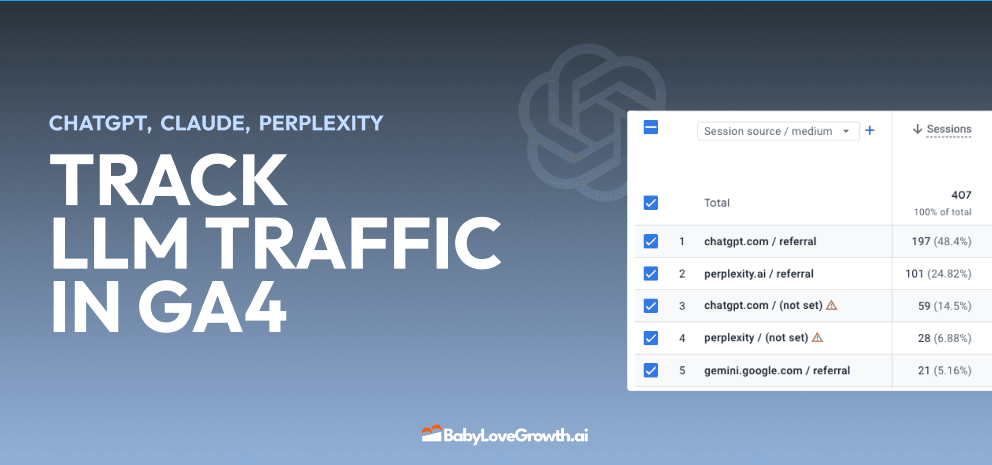
Track LLM Traffic in Google Analytics 4 (GA4)
Learn how to track and analyze traffic from AI sources like ChatGPT, Claude, Perplexity, and Google Gemini in Google Analytics 4. This step-by-step guide shows you how to set up custom filters to monitor AI-driven traffic and make data-driven decisions for your content strategy.
DylenMar 18, 2025
How to Humanize AI Text with Instructions
Learn practical techniques to make AI-generated content sound more natural and human. This guide covers active voice, direct addressing, concise writing, and other proven strategies to transform robotic text into engaging content.
DylenApril 7, 2025
Open AI Revenue and Statistics (2024)
Comprehensive analysis of OpenAI financial performance, user engagement, and market position in 2023. Discover key statistics including $20B valuation, $1B projected revenue, and 100M+ monthly active users.
DylenOctober 03, 2025