Types of search engines: boost SEO success in 2026


Digital marketers today face a complex landscape of search platforms, each demanding unique optimization strategies. Understanding the types of search engines available is no longer optional for professionals seeking competitive advantage. From traditional general engines to specialized vertical platforms and emerging AI-driven discovery tools, each type offers distinct opportunities for organic growth. This article provides a practical framework to evaluate search engine types, identify which platforms align with your marketing goals, and implement targeted SEO strategies that maximize visibility across the entire search ecosystem.
Table of Contents
- Key takeaways
- Criteria for evaluating types of search engines
- General search engines: the broadest reach
- Specialized search engines: targeting niche audiences
- AI-driven search engines: the future of discovery
- Comparing search engine types: features and marketing impact
- Enhance your SEO across search engine types with BabyLoveGrowth
- Frequently asked questions about types of search engines
Key Takeaways
| Point | Details |
|---|---|
| Audience fit | Start by confirming that the platform's user base matches your target demographic and intent. |
| Algorithm complexity | Different engines use distinct ranking signals and user intents, requiring tailored SEO strategies. |
| Keyword opportunity | Evaluate reach versus practicality to identify engines with high impact and feasible rankings. |
| Content format fit | Align platforms' preferred formats to maximize feasibility and results. |
| Evaluation framework | Create a scoring matrix to compare audience fit, competition, and resource requirements across engine types. |
Criteria for evaluating types of search engines
Before committing resources to any platform, you need a systematic approach to assess which search engines drive brand growth for your specific situation. The right evaluation framework saves time and budget while maximizing organic returns.
Start by examining audience alignment. Does the platform's user base match your target demographic? A B2B software company gains little from optimizing for visual discovery engines, while an e-commerce fashion brand might thrive there. Consider these essential criteria:
- Audience demographics and search behavior patterns
- Algorithm update frequency and transparency
- Competition level for your core keywords
- Content format preferences (text, video, images, voice)
- User intent characteristics (informational, transactional, navigational)
- Platform growth trajectory and adoption rates
Algorithm complexity matters significantly. Different search engines have varying algorithms and user intents affecting SEO strategies. Google's sophisticated ranking system requires different optimization than a specialized academic database. Understanding these nuances prevents wasted effort on tactics that don't translate across platforms.
Keyword opportunity analysis reveals where you can actually compete. High-volume general engines offer massive reach but intense competition. Specialized platforms might deliver smaller audiences with dramatically better conversion rates and achievable rankings. Calculate the effort-to-reward ratio for each platform before investing.
Pro Tip: Create a scoring matrix rating each search engine type on audience fit, competition level, and resource requirements. This quantitative approach removes guesswork from platform selection.
Content format compatibility determines feasibility. If your strength lies in long-form written content, prioritize text-based search engines. Video-first platforms demand different production capabilities. Assess your team's skills and content assets against each platform's preferred formats.
Now that you understand evaluation criteria, we'll explore the main types of search engines through that lens.
General search engines: the broadest reach
General search engines attempt to index and organize the entire accessible web, serving every possible search intent from a single interface. Google dominates as the most widely used general search engine with the most advanced algorithms, but Bing, Yahoo, and privacy-focused alternatives like DuckDuckGo also compete in this space.
These platforms offer unmatched scale. Billions of daily searches create massive keyword pools spanning every conceivable topic and intent. For brands seeking maximum visibility, general engines remain essential despite their challenges. They support diverse content types including text, images, videos, maps, and rich snippets, allowing creative optimization approaches.
The competition intensity on general engines cannot be overstated. Established domains with years of authority and massive backlink profiles dominate competitive keywords. Breaking into top positions requires significant investment in content quality, technical optimization, and link building. Expect longer timelines for ranking improvements compared to specialized platforms.
General search engines reward comprehensive authority and user experience excellence. Winning requires sustained commitment to quality across all ranking factors, not quick fixes or shortcuts.
Key characteristics of general search engines include:
- Personalized results based on user history and location
- Constant algorithm updates requiring ongoing adaptation
- Emphasis on E-E-A-T (Experience, Expertise, Authoritativeness, Trustworthiness)
- Integration of AI and machine learning for query understanding
- Rich result features like featured snippets and knowledge panels
General engines excel for building broad brand awareness and capturing diverse search intents. They work best when you have resources for comprehensive SEO programs addressing technical, content, and authority factors simultaneously. The investment pays off through sustained organic traffic across multiple keyword themes.
Having covered general search engines, let's examine specialized options that cater to niche interests.
Specialized search engines: targeting niche audiences
Specialized search engines focus on specific content types, industries, or user needs rather than attempting universal coverage. These platforms include academic databases like Google Scholar, shopping engines like Amazon's search, job boards like Indeed, real estate platforms like Zillow, and vertical-specific tools serving particular industries.

The primary advantage lies in audience precision. Users on specialized platforms have clear intent, often closer to conversion than general search users. Someone searching on a job board wants employment opportunities, not general career advice. This intent clarity typically delivers higher conversion rates from smaller traffic volumes.
Competition levels drop dramatically on specialized engines. Instead of competing against millions of pages, you face only direct competitors within your niche. Keyword difficulty scores plummet, making first-page rankings achievable for newer sites with focused optimization. The smaller audience size becomes an advantage when quality matters more than quantity.
Optimizing for specialized engines requires platform-specific tactics:
- Identify which specialized engines your target audience actually uses
- Research platform-specific ranking factors and content requirements
- Tailor content format and structure to match platform expectations
- Optimize metadata and categorization using platform taxonomies
- Build authority within the niche through relevant backlinks and engagement
Content requirements vary significantly across specialized platforms. Academic search engines prioritize citation networks and peer review. Shopping engines emphasize product specifications, reviews, and pricing data. Job platforms focus on structured data about positions, qualifications, and locations. Understanding these nuances determines success.
Pro Tip: Many specialized engines have less sophisticated spam detection than general engines. This creates opportunity but also responsibility. Focus on genuine value rather than exploiting algorithmic gaps that won't last.
Specialized engines particularly benefit businesses with clearly defined niche audiences. A medical device manufacturer gains more from optimizing for healthcare professional databases than general search. An online retailer might prioritize shopping comparison engines over traditional SEO. Match your platform investment to where your buyers actually search.
Beyond specialized engines, emerging AI-driven search engines are reshaping organic discovery.
AI-driven search engines: the future of discovery
AI-powered search represents the fastest-growing segment of the search ecosystem. These platforms use natural language processing and machine learning to understand query intent and context far beyond traditional keyword matching. AI search engines use NLP and machine learning to offer more contextually relevant results, impacting SEO techniques.
ChatGPT, Claude, Perplexity, and other conversational AI tools increasingly serve search functions. Users ask complex questions in natural language and receive synthesized answers rather than link lists. This shift fundamentally changes how content gets discovered and consumed. Traditional ranking positions matter less when AI summarizes information from multiple sources.
Key differences between traditional and AI-driven search:
| Factor | Traditional Search | AI-Driven Search |
|---|---|---|
| Query style | Keywords and phrases | Natural language questions |
| Result format | Ranked list of links | Synthesized answers with citations |
| Content evaluation | Keywords and backlinks | Semantic relevance and authority |
| User interaction | Click and browse | Conversational refinement |
| Optimization focus | On-page and off-page SEO | Content depth and context |
Optimizing for AI search requires semantic SEO that prioritizes comprehensive topic coverage over keyword density. AI models evaluate whether your content thoroughly answers user questions with appropriate depth and accuracy. Superficial keyword-stuffed pages fail against substantive resources that demonstrate genuine expertise.
Structured content helps AI systems parse and understand your information. Use clear hierarchies, descriptive headings, and logical organization. Answer specific questions directly and completely. Provide context and supporting evidence. Think like you're teaching the topic to an intelligent student rather than gaming an algorithm.
Practical AI search optimization tactics include:
- Creating comprehensive topic clusters that cover subjects from multiple angles
- Writing in natural, conversational language that mirrors how people ask questions
- Including direct answers to common questions within your content
- Building topical authority through consistent, high-quality coverage of your niche
- Earning citations and references from other authoritative sources
AI search engines increasingly influence traditional platforms too. Google's AI Overviews and Bing's Copilot integration show how AI capabilities merge into general search. Optimizing for AI-driven discovery prepares you for the future while improving performance on current platforms.
To summarize, let's compare the key features of these search engine types side-by-side.
Comparing search engine types: features and marketing impact
Understanding trade-offs between search engine types helps you allocate resources strategically. Comparative analysis highlights trade-offs between reach, competition, and targeting across search engine types. This comparison framework supports data-driven decisions about where to invest your SEO efforts.
| Feature | General Engines | Specialized Engines | AI-Driven Engines |
|---|---|---|---|
| Audience size | Massive (billions) | Moderate (millions) | Growing (millions) |
| Competition level | Very high | Low to moderate | Emerging |
| Content format | All types | Platform-specific | Text-focused |
| User intent clarity | Mixed | High | Very high |
| Ranking timeline | 6-12 months | 3-6 months | Uncertain |
| SEO complexity | Very high | Moderate | Evolving |
| Conversion potential | Variable | High | Very high |
When to prioritize each search engine type:
- Focus on general engines when building broad brand awareness, targeting diverse keywords, or competing in established markets with resources for comprehensive SEO
- Prioritize specialized engines when serving niche audiences, offering vertical-specific products or services, or seeking faster ranking wins with limited competition
- Invest in AI-driven optimization when targeting information-seeking users, building thought leadership, or preparing for future search behavior shifts
Budget considerations differ dramatically. General engine optimization requires sustained investment across content creation, technical improvements, and link building. Specialized engines often deliver results with focused effort on platform-specific factors. AI optimization currently offers high return on investment as competition remains limited.
Your content type influences platform fit. Visual brands naturally align with image and video search engines. Service businesses benefit from local and review platforms. Information publishers should prioritize general and AI-driven engines where comprehensive content performs best.
Most successful SEO strategies combine multiple search engine types rather than choosing just one. Start with platforms offering the best effort-to-reward ratio for your situation, then expand as resources allow. Track performance metrics separately for each platform to identify where your optimization efforts generate the strongest returns.
With this comparison in mind, let's explore practical recommendations for integrating these insights into your SEO strategy.
Enhance your SEO across search engine types with BabyLoveGrowth
Navigating multiple search engine types requires sophisticated tools that adapt to each platform's unique requirements. BabyLoveGrowth provides AI-powered solutions designed specifically for modern multi-platform SEO success.
Our keyword discovery platform uncovers opportunities across general, specialized, and AI-driven search engines simultaneously. Instead of researching each platform separately, you get unified insights showing where your content can rank most effectively. The AI analyzes competition levels, search volumes, and ranking difficulty to prioritize your highest-value targets.

The keyword research tool goes deeper, revealing semantic relationships and topic clusters that perform well in AI-driven search while maintaining traditional SEO value. You'll discover question-based queries, conversational phrases, and long-tail variations that capture emerging search behaviors.
Our AI SEO audit evaluates your website against ranking factors for multiple search engine types. Get specific recommendations for improving performance on traditional algorithms while optimizing for AI-powered discovery. The audit identifies technical issues, content gaps, and authority-building opportunities tailored to your target platforms.
Frequently asked questions about types of search engines
What's the main difference between general and specialized search engines?
General search engines attempt to index the entire web and serve all search intents, while specialized engines focus on specific content types, industries, or user needs. General engines offer massive reach with high competition, whereas specialized platforms provide targeted access to niche audiences with less competitive landscapes.
How do AI search engines differ from traditional keyword-based search?
AI search engines understand natural language queries and context rather than just matching keywords. They synthesize information from multiple sources to provide direct answers instead of link lists. This requires content optimization focused on semantic relevance, topic comprehensiveness, and genuine expertise rather than keyword density.
Which search engine type should I prioritize for my business?
Prioritize based on your audience, resources, and goals. Choose general engines for broad awareness with substantial SEO budgets. Select specialized engines when targeting niche markets or seeking faster wins. Invest in AI optimization when building thought leadership or preparing for future search trends. Most successful strategies combine multiple types.
Can I use the same SEO tactics across all search engine types?
Core principles like quality content and user experience apply universally, but specific tactics vary significantly. General engines emphasize backlinks and technical optimization. Specialized platforms require format-specific adjustments and platform taxonomies. AI-driven search prioritizes semantic depth and conversational content. Tailor your approach to each platform's ranking factors.
How are AI search engines changing traditional SEO practices?
AI search shifts focus from keyword optimization to comprehensive topic coverage and semantic relevance. Content must answer questions thoroughly rather than targeting specific phrases. Structured information, natural language, and demonstrated expertise become more important than traditional ranking signals. These changes influence general search engines too as they integrate AI capabilities.
What metrics should I track for different search engine types?
Track platform-specific metrics aligned with each engine's characteristics. Monitor rankings, traffic, and conversions from general engines. Measure conversion rates and qualified leads from specialized platforms. For AI search, track citation frequency, answer inclusion, and conversational query performance. Separate analytics by platform reveal where optimization efforts deliver the strongest returns.
Recommended
Smart SEO,
Faster Growth!
Most Read Articles
Generative Engine Optimization (GEO)
Learn how Generative Engine Optimization (GEO) helps your content rank in AI search engines like ChatGPT and Google AI. This comprehensive guide explains the differences between SEO and GEO, why it matters for your business, and practical steps to implement GEO strategies for better visibility in AI-generated responses.
DylenJan 18, 2025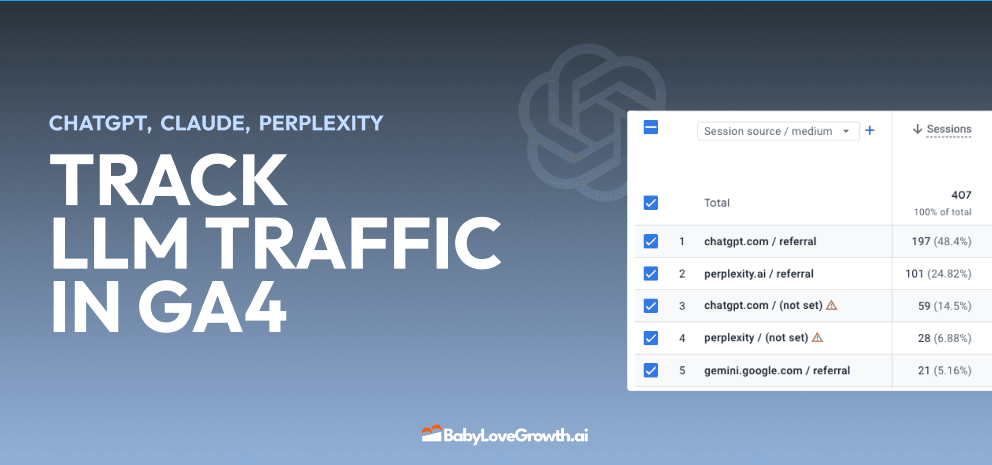
Track LLM Traffic in Google Analytics 4 (GA4)
Learn how to track and analyze traffic from AI sources like ChatGPT, Claude, Perplexity, and Google Gemini in Google Analytics 4. This step-by-step guide shows you how to set up custom filters to monitor AI-driven traffic and make data-driven decisions for your content strategy.
DylenMar 18, 2025
How to Humanize AI Text with Instructions
Learn practical techniques to make AI-generated content sound more natural and human. This guide covers active voice, direct addressing, concise writing, and other proven strategies to transform robotic text into engaging content.
DylenApril 7, 2025
Open AI Revenue and Statistics (2024)
Comprehensive analysis of OpenAI financial performance, user engagement, and market position in 2023. Discover key statistics including $20B valuation, $1B projected revenue, and 100M+ monthly active users.
DylenOctober 03, 2025