Structured data SEO: 30+ rich results you can win


Structured data is one of the most misunderstood tools in an SEO professional's kit. Many practitioners assume adding schema markup will push their pages up the rankings overnight, and when that doesn't happen, they dismiss it entirely. That's a costly mistake. Structured data doesn't work like a ranking lever you pull. It works like a translator, helping search engines and AI systems read your content with precision, unlocking features that drive real, measurable visibility gains across both traditional and AI-powered search environments.
Table of Contents
- Why structured data matters in SEO today
- Understanding schema types: Matching content to opportunity
- How structured data shapes search visibility: Rich results and beyond
- Implementation best practices: Technical setup, auditing, and troubleshooting
- Structured data in the era of AI-driven search
- Supercharge your SEO with the right tools
- Frequently asked questions
Key Takeaways
| Point | Details |
|---|---|
| Structured data boosts visibility | Proper implementation unlocks rich results and improves click-through rates. |
| Choose accurate schema types | Aligning schema to your content prevents search penalties and maximizes SERP features. |
| Adopt JSON-LD format | Google and other engines recommend JSON-LD for the fastest, cleanest setup. |
| Audit structured data regularly | Monthly checks catch errors and keep your site eligible for future enhancements. |
| Prepare for AI-driven search | Structured data future-proofs your SEO as AI and voice search continue to grow. |
Why structured data matters in SEO today
Search engines are sophisticated, but they still benefit from explicit signals about what your content means. Structured data gives them exactly that. When you mark up a product page with the right schema, Google doesn't just see text. It sees a product name, a price, a review rating, and availability. That clarity is what powers rich results.
Here's where many SEO professionals get tripped up: structured data does not directly boost your position in the organic ranking list. What it does is make your content eligible for enhanced search features that dramatically increase your visibility. Structured data helps Google understand page content and supports 30+ rich result types, from product carousels to FAQ dropdowns.
Think of it as part of your broader on-page SEO strategies, not a standalone ranking hack. It fits within the full spectrum of types of SEO strategies that compound over time.
Key moments where structured data impacts your visibility:
- SERP features: Star ratings, price ranges, and availability shown directly in search results
- Featured snippets: Structured Q&A content surfaces in position-zero boxes
- Voice search: Assistants pull structured answers for spoken queries
- AI summaries: Generative search engines use schema to build accurate content summaries
- Knowledge panels: Entity markup supports brand and product knowledge cards
"Structured data is a way of providing explicit clues about the meaning of a page to Google." This is the foundation of Google's documentation on structured data, and it's the lens every SEO professional should use when evaluating schema strategy.
Understanding schema types: Matching content to opportunity
Not all schema types are created equal, and using the wrong one is worse than using none at all. The goal is to match your primary content type to the schema that unlocks the richest SERP features for that content.

Prioritize schema types matching primary content for maximum results. Accuracy is essential to avoid search penalties. Here's a practical breakdown:
| Schema type | Best for | SERP feature unlocked |
|---|---|---|
| Product | E-commerce pages | Price, rating, availability in results |
| Article | Blog posts, news | Top stories carousel, article rich result |
| FAQ | Q&A content | Expandable FAQ dropdowns in SERP |
| Breadcrumb | All site pages | Clean URL path shown in results |
| Recipe | Food content | Cook time, ratings, calorie info |
| Event | Listings, schedules | Date, location, ticket info in results |
| Review | Review pages | Star ratings, reviewer info |
Misaligned schema is a real risk. If you apply FAQ schema to a page that doesn't contain genuine question-and-answer content, Google may ignore it or, worse, flag it as manipulative. The same applies to Product schema on pages that don't actually sell anything.
You can use our JSON-LD schema generator to build accurate markup quickly, or try the get JSON-LD schema tool to generate schema tailored to your specific page content.
Pro Tip: Run a schema audit every time you update major page content. A product page that changes its pricing structure or removes reviews needs updated markup immediately. Stale or inaccurate schema can trigger search demotions from Google's schema gallery eligibility checks.
How structured data shapes search visibility: Rich results and beyond
Once you've matched the right schema to your content, the payoff becomes visible in your analytics. Structured data doesn't just make your listing look better. It fundamentally changes how users interact with your result before they even click.
JSON-LD is Google's recommended format for structured data, and implementing it correctly unlocks a wide range of rich result types that competitors without schema simply can't access.
| Schema type | Visible SERP enhancement | User benefit |
|---|---|---|
| Article | Top stories placement, byline | Trust and authority signals |
| FAQ | Expandable Q&A in results | Answers without clicking |
| Product | Price, stock, rating stars | Purchase decision support |
| Event | Date, venue, ticket link | Immediate action opportunity |
| Recipe | Image, cook time, calories | Quick relevance check |
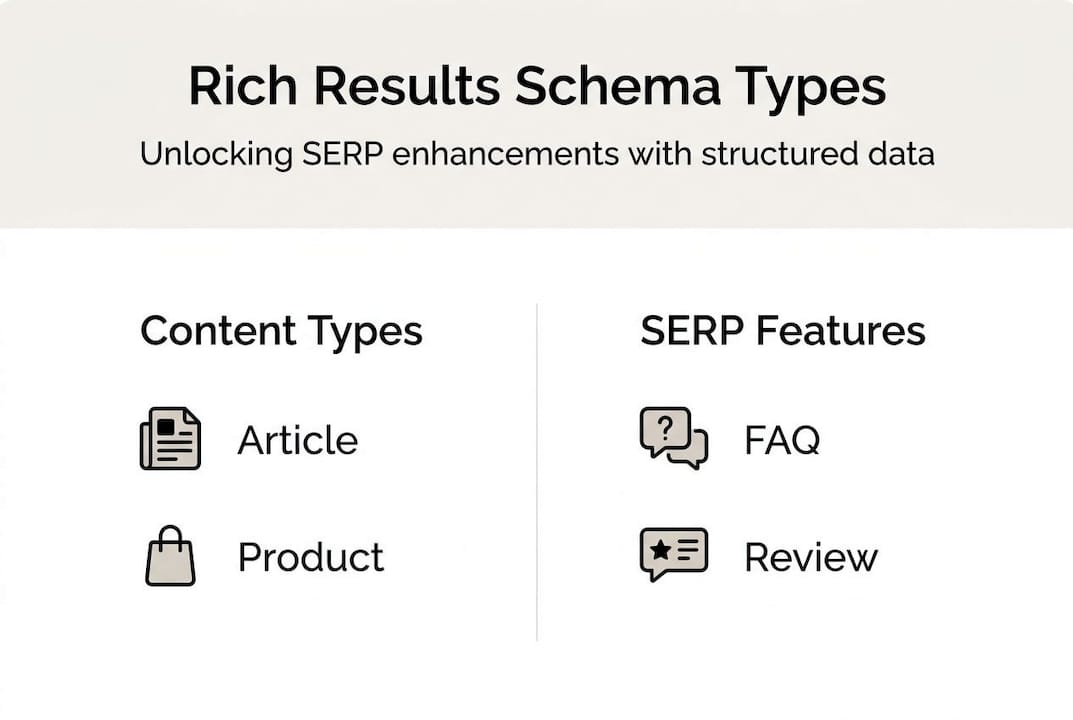
The importance of technical SEO becomes clear when you see how structured data feeds into every layer of search presentation. And as SEO trends for AI continue to shift, schema is becoming a core signal for AI-generated answers, not just traditional results.
Measurable improvements you can track after implementing structured data:
- Higher click-through rates from visually enhanced listings
- Increased time on page from better-qualified traffic
- Improved mobile usability scores tied to structured content
- Greater inclusion in AI-generated search summaries
- More frequent appearance in voice search responses
For teams focused on optimizing for AI search, structured data is no longer optional. It's the signal layer that AI systems rely on to surface your content accurately.
Implementation best practices: Technical setup, auditing, and troubleshooting
Knowing why structured data matters is only half the battle. Getting it right technically is where most teams stumble. Here's a clear process for implementing JSON-LD structured data correctly.
JSON-LD is Google's recommended implementation format, and following official implementation tips from the start saves significant cleanup time later.
- Identify your primary content type on each page before selecting a schema type. One page, one primary schema.
- Generate your JSON-LD markup using a reliable tool. Our using a schema generator makes this fast and accurate.
- Place the script tag in the "<head>` section of your HTML or inject it via Google Tag Manager for CMS-based sites.
- Validate your markup using Google's Rich Results Test before publishing. This catches syntax errors and missing required properties immediately.
- Monitor in Google Search Console under the Enhancements tab. This shows which pages have valid schema and flags errors or warnings.
- Fix errors within 48 hours of detection. Unresolved errors can cause Google to stop showing your rich results entirely.
Pro Tip: Perform monthly audits of your structured data, especially after site migrations, CMS updates, or content refreshes. A single broken JSON-LD block can silently remove rich results from dozens of pages.
Common troubleshooting checklist:
- Wrong schema type applied to content that doesn't match
- Syntax errors from missing commas or unclosed brackets in JSON
- Missing required properties (Product schema without
nameorofferswill fail) - Duplicate schema blocks conflicting on the same page
- Schema describing content not visible on the page itself
Pairing structured data with strong content creation for SEO and a clear AI in content strategy ensures your markup always reflects what's actually on the page.
Structured data in the era of AI-driven search
The rise of generative AI in search has changed what structured data is worth. It was already valuable for traditional SERP features. Now it's becoming a core input for how AI systems decide what to surface, summarize, and recommend.
Structured data enhances content discoverability in both traditional and AI-driven search. Large language models and generative AI engines use structured signals to build accurate, trustworthy summaries of your content. Without schema, your page is just text. With it, your page is a structured data source that AI can confidently cite.
How structured data powers the AI search layer:
- Voice search: Assistants like Google Assistant and Siri pull structured answers for spoken queries, favoring pages with clear schema
- Chatbot responses: AI tools like ChatGPT and Perplexity use structured content signals to identify authoritative sources
- Zero-click answers: FAQ and How-To schema feed directly into answer boxes that appear before any organic result
- AI overviews: Google's AI-generated summaries at the top of results draw heavily from well-structured content
Google has stated that structured data helps its systems better understand content at scale, which is increasingly important as AI-generated search experiences expand. Monitoring the future of structured data developments is essential for staying ahead.
What to watch as search continues to evolve: SERP volatility tied to AI overview rollouts, new schema types for AI-specific content formats, and the growing weight of entity-based markup in knowledge graph inclusion. Use analytics for AI SEO to track how your structured data performance shifts as these features roll out, and revisit your AI search optimization strategy quarterly.
Supercharge your SEO with the right tools
Structured data is powerful on its own, but it performs best when it's part of a fully integrated SEO system. Pairing accurate schema markup with strong keyword targeting, quality backlinks, and regular technical audits is what separates sites that occasionally appear in rich results from those that dominate them consistently.

At Babylovegrowth.ai, we automate the heavy lifting. Our platform handles automatic structured data markup, so your pages are always schema-ready without manual intervention. You can also run AI-powered keyword discovery to find the exact terms your schema-enhanced pages should target, build authority with automated backlink building, and identify technical gaps with our AI SEO audit. Everything works together to push your organic visibility higher across Google and AI-driven search engines.
Frequently asked questions
Does structured data directly affect search rankings?
Structured data helps Google understand content but doesn't guarantee ranking increases. It enables rich results, which attract significantly more clicks and improve overall organic performance.
What structured data format does Google recommend?
JSON-LD is Google's recommended structured data format. It's easier to implement and maintain than Microdata or RDFa, and it doesn't require changes to your visible HTML.
Can structured data help with AI search and voice assistants?
Structured data enhances content for AI-generated summaries and voice search by giving AI systems clear, machine-readable signals about your content's meaning and context.
How often should I audit my site's structured data?
Regular auditing prevents penalties and maintains eligibility for rich results. Audit at least monthly, and always after major site updates or content changes.
Recommended
Smart SEO,
Faster Growth!
Most Read Articles
Generative Engine Optimization (GEO)
Learn how Generative Engine Optimization (GEO) helps your content rank in AI search engines like ChatGPT and Google AI. This comprehensive guide explains the differences between SEO and GEO, why it matters for your business, and practical steps to implement GEO strategies for better visibility in AI-generated responses.
DylenJan 18, 2025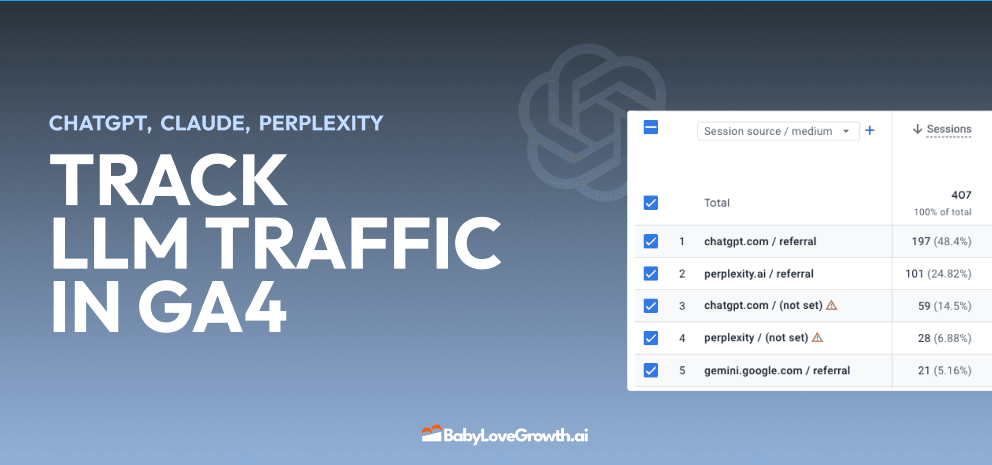
Track LLM Traffic in Google Analytics 4 (GA4)
Learn how to track and analyze traffic from AI sources like ChatGPT, Claude, Perplexity, and Google Gemini in Google Analytics 4. This step-by-step guide shows you how to set up custom filters to monitor AI-driven traffic and make data-driven decisions for your content strategy.
DylenMar 18, 2025
How to Humanize AI Text with Instructions
Learn practical techniques to make AI-generated content sound more natural and human. This guide covers active voice, direct addressing, concise writing, and other proven strategies to transform robotic text into engaging content.
DylenApril 7, 2025
Open AI Revenue and Statistics (2024)
Comprehensive analysis of OpenAI financial performance, user engagement, and market position in 2023. Discover key statistics including $20B valuation, $1B projected revenue, and 100M+ monthly active users.
DylenOctober 03, 2025