SEO Content Strategy Guide for Maximizing Organic Growth


Most american SEO campaigns fall short because they miss deep analysis and clear growth goals. In today’s global market, where competition intensifies across every region, understanding precise data is the foundation for success. Over 60 percent of digital agencies now rely on AI-driven insights to power smarter, more targeted strategies. This guide breaks down exactly how to leverage analytics, advanced tools, and actionable planning so your agency can deliver real, measurable organic growth for clients.
Table of Contents
- Step 1: Analyze Current SEO Performance And Set Growth Goals
- Step 2: Research Keywords Using AI-Powered Tools
- Step 3: Develop A 30-Day SEO Content Plan Tailored To Your Niche
- Step 4: Create And Publish High-Quality Optimized Articles
- Step 5: Build Internal And External Links With Automated Solutions
- Step 6: Verify Content Performance And Refine Ongoing Strategy
Quick Summary
| Key Point | Explanation |
|---|---|
| 1. Audit SEO Performance Regularly | Use tools like Google Analytics 4 to evaluate organic traffic and user behavior metrics for continuous improvement. |
| 2. Set Specific Growth Goals | Establish measurable targets, such as increasing organic traffic by 25% in six months, to guide your SEO strategy effectively. |
| 3. Leverage AI for Keyword Research | Utilize AI-powered keyword tools to generate a comprehensive list of relevant keywords that align with user intent and search patterns. |
| 4. Create a 30-Day Content Strategy | Develop a structured content calendar that incorporates various formats to address user needs within your niche, optimizing for SEO. |
| 5. Monitor Content Performance Continuously | Regularly review content effectiveness and implement updates based on performance data and changing search trends to maintain visibility. |
Step 1: Analyze current SEO performance and set growth goals
Understanding your website's current SEO performance provides the foundation for strategic organic growth. Successful SEO requires a comprehensive analysis that goes beyond surface-level metrics and digs deep into actionable insights. By systematically tracking key performance indicators, you can establish a clear roadmap for improvement and measurable objectives.
Begin by auditing your existing organic traffic using Google Analytics 4 and Google Search Console. Focus on critical metrics like organic search volume, keyword rankings, click-through rates, and conversion rates. Pay special attention to pages with high potential that are currently underperforming. Identify top-ranking keywords, analyze your website's search visibility, and examine user behavior metrics such as bounce rate and average time on page. These insights will help you pinpoint areas requiring optimization and develop targeted strategies for improvement.
Here is a summary of essential metrics for analyzing SEO performance:
| Metric | What It Measures | Why It Matters |
|---|---|---|
| Organic Traffic | Visitors from search engines | Indicates website visibility growth |
| Keyword Rankings | Position of target keywords | Reflects competitiveness in search |
| Click-Through Rate | Percent clicking search result | Shows effectiveness of meta content |
| Bounce Rate | Visitors leaving quickly | Highlights possible relevance issues |
| Conversion Rate | Visits turning into actions | Tracks SEO impact on business goals |
As you compile your performance data, create specific and measurable growth goals. Instead of vague objectives, set precise targets like increasing organic traffic by 25% within six months or improving average keyword rankings by moving from page 2 to page 1 for your top 10 target keywords. Break these goals down into actionable quarterly milestones that can be systematically tracked and adjusted.
Pro tip: Always maintain a flexible SEO strategy by reviewing your performance metrics monthly and being prepared to pivot your approach based on emerging data and search engine algorithm changes.
Step 2: Research keywords using AI-powered tools
Keyword research has transformed dramatically with the emergence of advanced AI technologies that streamline and enhance the discovery process. Sophisticated AI tools now enable researchers to conduct semantic keyword searches with unprecedented precision, moving far beyond traditional manual search techniques.
Start by selecting AI-powered keyword research platforms that offer deep semantic analysis and contextual understanding. Tools like Elicit and SciSpace can help you generate comprehensive keyword lists by analyzing search intent, relevance, and potential impact. Input your primary topic or content theme, and let the AI generate a nuanced list of related keywords. Look for variations that capture different user search intentions, long-tail keywords with specific user queries, and terms that demonstrate high potential for organic traffic generation. Pay attention to search volume, competition levels, and potential click-through rates when evaluating each keyword suggestion.
To maximize your keyword research effectiveness, integrate multiple AI tools and cross-reference their recommendations. Some platforms specialize in academic research, while others focus on commercial search optimization. By combining insights from different AI-driven keyword tools, you can develop a more robust and comprehensive keyword strategy that captures a wider range of potential search opportunities and user intentions.
Pro tip: Always validate AI-generated keyword suggestions by manually reviewing their real-world search context and potential user intent to ensure genuine relevance and optimization potential.
Step 3: Develop a 30-day SEO content plan tailored to your niche
Creating a targeted 30-day content strategy is crucial for driving sustainable organic growth and establishing your brand's authority in specific market segments. Developing niche-specific content helps you create more focused and impactful SEO strategies that resonate directly with your target audience.
Begin by mapping out your content calendar with a strategic approach that balances different content types and formats. Allocate your 30-day plan across various content formats like long-form blog posts, quick how-to guides, in-depth tutorials, and multimedia content such as videos or infographics. Prioritize topics that address specific user questions, pain points, and search intents within your niche. Use your keyword research from the previous step to inform content topics, ensuring each piece targets specific search queries with high potential for organic visibility.
This table compares common types of SEO content to help plan a balanced content strategy:
| Content Type | Goal | Typical Length |
|---|---|---|
| Blog Post | Attract traffic, educate | 1,000–2,500 words |
| How-To Guide | Solve specific problems | 800–1,500 words |
| Case Study | Build trust, share results | 1,500–2,500 words |
| Video/Infographic | Boost engagement, share data | 1–5 minutes |
Break down your content creation process into weekly milestones. Dedicate the first week to content ideation and keyword mapping, the second week to drafting and initial research, the third week to content creation and optimization, and the final week to final edits, technical SEO refinement, and preparation for publication. Build in flexibility to adjust your plan based on performance metrics and emerging trends, allowing your content strategy to remain dynamic and responsive to audience needs.
Pro tip: Create a content matrix that tracks each piece of content against target keywords, search intent, and expected user value to maintain strategic alignment throughout your 30-day planning cycle.
Step 4: Create and publish high-quality optimized articles
Crafting compelling SEO articles requires a strategic approach that balances engaging content with technical optimization. Understanding the core principles of effective article writing helps ensure your content meets rigorous publishing standards while maximizing organic search potential.

Begin by transforming your keyword research and content plan into a comprehensive article outline. Structure your content with a clear hierarchy that includes an attention-grabbing introduction, logically organized sections with subheadings, and a conclusion that reinforces your primary message. Focus on creating in-depth content that thoroughly addresses user search intent, incorporating your target keywords naturally throughout the text. Aim for comprehensive coverage that provides genuine value, typically ranging between 1500 to 2500 words for most comprehensive topics. Integrate relevant internal and external links, use descriptive headers, and ensure your content answers specific user questions more comprehensively than competing articles.
Prepare your article for technical optimization by fine-tuning metadata, crafting a compelling meta description, and ensuring proper HTML structure. Implement schema markup to help search engines better understand your content, optimize image alt texts, and create a clean URL structure that includes your primary keyword. Before publishing, conduct a final review to ensure readability, remove any grammatical errors, and verify that your content provides a seamless user experience across different devices and screen sizes.
Pro tip: Always run your completed article through multiple optimization checks including readability scores, SEO analysis tools, and plagiarism detection to ensure maximum quality and originality.
Step 5: Build internal and external links with automated solutions
Link building represents a critical strategy for enhancing your website's search engine authority and organic visibility. Strategic link acquisition through automated solutions can dramatically accelerate your SEO performance by creating a robust network of high quality connections across your digital ecosystem.
Implement a comprehensive link building approach that balances internal and external linking strategies. For internal linking, create a structured content map that strategically connects related articles and pages within your website. Use contextual anchor text that naturally guides readers between relevant content pieces, ensuring each internal link provides genuine value and improves overall site navigation. When pursuing external links, focus on acquiring backlinks from reputable websites within your industry by creating exceptional content that naturally attracts editorial references. Leverage automated tools that help identify linking opportunities, analyze domain authorities, and track your link acquisition progress in real time.
Prioritize quality over quantity when building your link network. Develop a systematic approach that includes researching potential link partners, creating link-worthy content, and using relationship building techniques to secure meaningful backlink opportunities. Implement automated tracking mechanisms to monitor your link profile, identify potential toxic backlinks, and continuously refine your link building strategy based on performance metrics and search engine guidelines.
Pro tip: Regularly audit your link profile using automated tools to ensure your backlink strategy remains clean, relevant, and aligned with current search engine optimization best practices.
Step 6: Verify content performance and refine ongoing strategy
Monitoring and evaluating your SEO content performance is crucial for maintaining and improving your organic search visibility. Implementing a systematic approach to tracking content effectiveness helps optimize your ongoing search engine optimization efforts by identifying areas of improvement and capitalizing on successful strategies.
Utilize comprehensive analytics platforms to track key performance indicators such as organic traffic, keyword rankings, click-through rates, and user engagement metrics. Set up custom dashboards that provide real-time insights into your content performance, allowing you to quickly identify top performing articles and those requiring optimization. Analyze user behavior metrics like time on page, bounce rate, and conversion rates to understand how your audience interacts with different content pieces. Pay special attention to articles that show potential but are not yet achieving their full performance potential. For these pieces, consider updating keywords, improving internal linking, refreshing outdated information, and enhancing overall content quality to boost their search engine rankings.
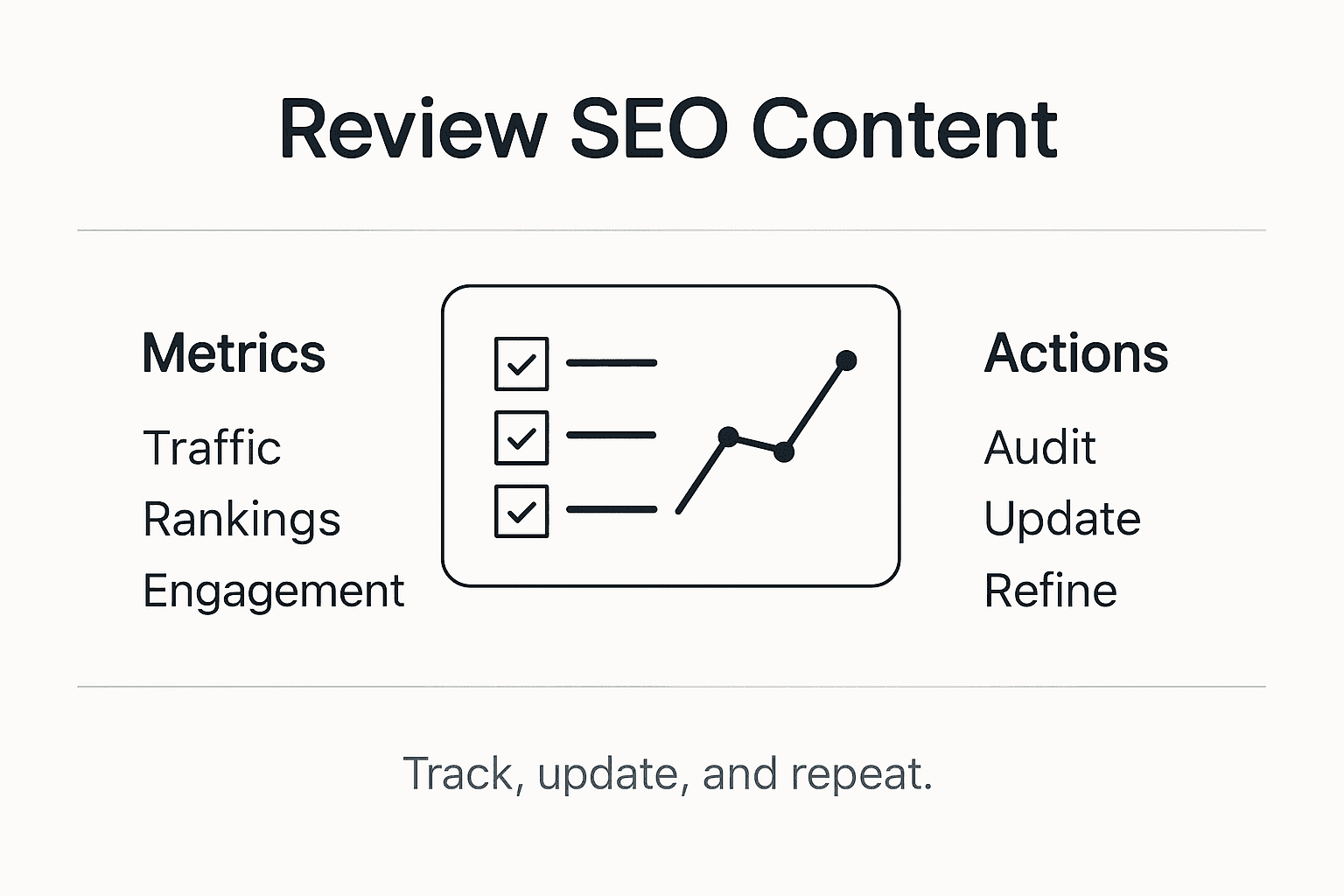
Develop a continuous improvement cycle that involves quarterly content audits and strategic refinements. Create a systematic process for reviewing and updating your existing content based on performance data, emerging search trends, and changes in user search behavior. Implement A/B testing for different content elements, experiment with new keyword variations, and remain agile in your approach to SEO content strategy. Maintain a flexible mindset that allows you to quickly adapt your content approach based on empirical performance data and emerging search engine algorithms.
Pro tip: Establish a quarterly content performance review ritual where you systematically evaluate and optimize your existing content to maintain and improve your organic search visibility.
Unlock Your SEO Potential with AI-Powered Solutions
The article highlights the challenge of developing a strategic, data-driven SEO content plan that drives real organic growth while managing keyword research, publishing, and link building. Many brands struggle to analyze performance metrics deeply, create targeted 30-day content calendars, and build authoritative backlinks efficiently. The key goals include boosting keyword rankings, improving click-through rates, and maintaining flexible SEO strategies to adapt to evolving search engine algorithms.
Babylovegrowth.ai addresses these exact pain points through its comprehensive SaaS platform designed to put all critical SEO tasks under one roof. With AI-powered tools for automated keyword discovery, advanced content planning, daily SEO articles, and automated internal and external link building, you gain a scalable way to execute the best practices outlined in the article. The platform’s automated structured data markup and backlink network effortlessly enhance your search visibility across Google and emerging AI-driven engines like ChatGPT and Claude, helping you stay ahead in organic rankings.
Elevate your SEO strategy today with the proven capabilities of Babylovegrowth.ai and experience continuous measurable growth.
Discover how our AI-driven keyword research and 30-day content planning tools can transform your approach. See why successful brands trust Babylovegrowth.ai to optimize content performance and build authoritative backlinks that matter.
Ready to maximize your organic traffic growth without the guesswork? Take action now with Babylovegrowth.ai.

Frequently Asked Questions
What are the essential metrics to track for analyzing SEO performance?
To effectively analyze SEO performance, focus on metrics like organic traffic, keyword rankings, click-through rates, bounce rates, and conversion rates. Start by auditing your data using analytics tools to identify trends and areas for improvement in your website's visibility.
How can I develop a keyword strategy using AI tools?
Use AI-powered keyword research platforms to generate a comprehensive list of keywords by analyzing search intent and relevance. Start by inputting your primary topic and explore long-tail variations to enhance your content strategy for targeting specific user queries effectively.
What steps should I include in my 30-day SEO content plan?
Structuring your 30-day SEO content plan should include stages like content ideation, drafting, creation, and technical optimization. Break your plan into weekly milestones, ensuring that each piece aligns with targeted keywords and addresses user questions within your niche.
How do I create and optimize high-quality articles for SEO?
Begin by drafting a detailed outline that incorporates your keyword research, then write comprehensive articles while naturally integrating target keywords. Ensure to optimize your metadata and article structure to improve search visibility and make the content easily digestible for readers.
What strategies can I use for effective internal and external link building?
To enhance SEO authority, implement a balanced strategy that includes creating a clear internal linking structure and acquiring high-quality backlinks from relevant external sites. Prioritize creating valuable content that naturally attracts backlinks, while regularly auditing your link profile to ensure its quality and relevance.
How can I verify content performance and refine my SEO strategy?
Regularly monitor your content performance by analyzing key indicators such as traffic, keyword rankings, and user engagement. Set up custom dashboards to track results and conduct quarterly audits to refine existing content based on real-world data and emerging SEO trends.
Recommended
Smart SEO,
Faster Growth!
Most Read Articles
Generative Engine Optimization (GEO)
Learn how Generative Engine Optimization (GEO) helps your content rank in AI search engines like ChatGPT and Google AI. This comprehensive guide explains the differences between SEO and GEO, why it matters for your business, and practical steps to implement GEO strategies for better visibility in AI-generated responses.
DylenJan 18, 2025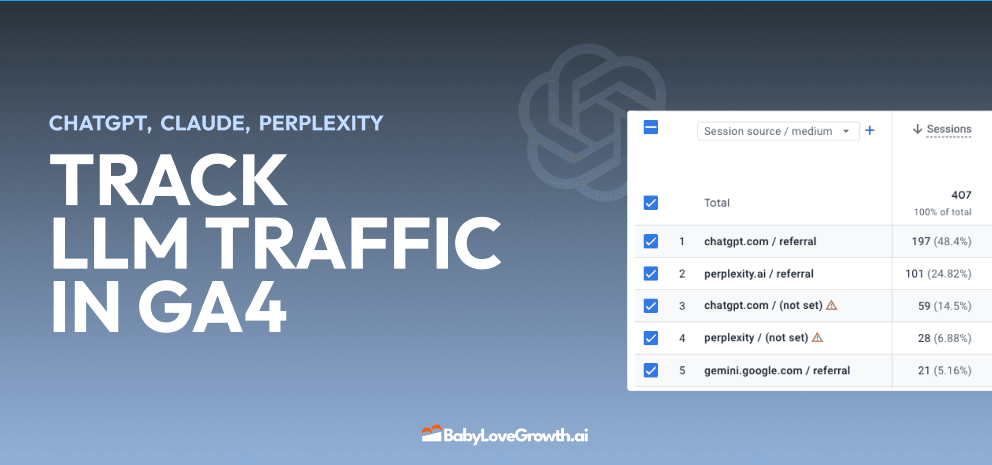
Track LLM Traffic in Google Analytics 4 (GA4)
Learn how to track and analyze traffic from AI sources like ChatGPT, Claude, Perplexity, and Google Gemini in Google Analytics 4. This step-by-step guide shows you how to set up custom filters to monitor AI-driven traffic and make data-driven decisions for your content strategy.
DylenMar 18, 2025
How to Humanize AI Text with Instructions
Learn practical techniques to make AI-generated content sound more natural and human. This guide covers active voice, direct addressing, concise writing, and other proven strategies to transform robotic text into engaging content.
DylenApril 7, 2025
Open AI Revenue and Statistics (2024)
Comprehensive analysis of OpenAI financial performance, user engagement, and market position in 2023. Discover key statistics including $20B valuation, $1B projected revenue, and 100M+ monthly active users.
DylenOctober 03, 2025