Scalable SEO Automation: Boosting Growth With AI


Most American businesses now rely on digital tools that promise faster SEO results, yet only a small fraction realize the full potential of true automation. With artificial intelligence driving nearly every major marketing shift today, understanding scalable SEO automation is more important than ever. This article reveals what really sets effective strategies apart, exposing common myths and highlighting how cutting-edge technology is reshaping American online competition.
Table of Contents
- Scalable SEO Automation Defined and Debunked
- Types of SEO Automation and Key Differences
- How Scalable SEO Automation Works in Practice
- Benefits and Challenges for Modern Brands
- Common Pitfalls and Proven Best Practices
Key Takeaways
| Point | Details |
|---|---|
| Scalable SEO Automation Enhances Efficiency | By leveraging AI technologies, businesses can streamline SEO processes and improve operational efficiency, enabling quicker adaptation to market changes. |
| Continuous Learning Improves Results | Modern SEO tools analyze real-time data and adjust strategies based on algorithm updates and user behavior to maintain competitiveness. |
| Integrating Human Oversight is Crucial | A balanced approach that combines automation with human creativity ensures quality and relevance in SEO efforts. |
| Comprehensive Strategies Yield Better Outcomes | Employing a holistic approach that addresses on-page, technical, and off-page SEO optimizations leads to more effective digital marketing results. |
Scalable SEO Automation Defined and Debunked
Scalable SEO automation represents a strategic approach that leverages advanced technologies to streamline and optimize digital marketing processes without compromising quality or precision. At its core, the concept transforms traditional search engine optimization from a manual, labor-intensive task into an intelligent, adaptive system powered by artificial intelligence.
Modern SEO automation tools now enable businesses to conduct comprehensive website analyses, generate targeted content, and monitor performance metrics with unprecedented efficiency. Advanced AI technologies are changing how local SEO practices operate, allowing marketers to move beyond traditional keyword strategies and implement more nuanced, data-driven approaches. These systems can rapidly process massive datasets, identify optimization opportunities, and generate actionable insights faster than human analysts.
The key differentiator in scalable SEO automation lies in its ability to adapt and learn. Unlike static optimization tools, modern AI-powered platforms continuously analyze search engine algorithm updates, user behavior patterns, and competitive landscapes. They dynamically adjust strategies, ensuring websites remain competitive and visible across evolving digital environments. Scalability in SEO strategies now depends on leveraging cloud-based solutions and automated audit technologies, which can handle increasing complexity without sacrificing performance.
Pro Tip: Implement incremental automation by first identifying repetitive SEO tasks in your workflow, then gradually introduce AI tools that can handle those specific processes while maintaining human oversight and strategic direction.
Key Characteristics of Scalable SEO Automation:
- Real-time performance monitoring
- Adaptive content optimization
- Predictive competitive analysis
- Automated technical website auditing
- Machine learning-powered strategy refinement
Types of SEO Automation and Key Differences
SEO automation encompasses multiple specialized approaches designed to optimize digital marketing strategies across different domains. Comprehensive SEO strategies include distinct types with unique optimization techniques, ranging from technical infrastructure improvements to content-focused enhancements that drive organic search performance.
The primary categories of SEO automation include on-page optimization, technical SEO, and off-page strategies. On-page optimization focuses on content refinement, keyword integration, and metadata enhancement through AI-powered tools that analyze content structure, readability, and semantic relevance. Technical SEO automation addresses website infrastructure, targeting site speed, mobile responsiveness, structured data implementation, and crawlability improvements. Academic research highlights the importance of distinguishing between different SEO automation types, as each category requires specialized approaches and technological interventions.

Off-page SEO automation introduces advanced link-building strategies, social media integration, and reputation management techniques that extend beyond traditional website boundaries. Modern AI-driven platforms can now automatically identify potential backlink opportunities, analyze domain authority, and generate strategic outreach campaigns with unprecedented precision. These systems leverage machine learning algorithms to understand complex relationship networks and digital ecosystem dynamics, enabling more intelligent and adaptive optimization strategies.
Key Differences Between SEO Automation Types:
Here's a comparison of the main SEO automation types and their primary business outcomes:
| Automation Type | Main Focus | Key Technologies Used | Business Impact |
|---|---|---|---|
| On-Page | Optimizing content and metadata | Natural language processing | Improved search relevance and content ranking |
| Technical | Enhancing infrastructure and performance | Site crawlers, audit software | Faster sites and better indexing by search engines |
| Off-Page | Building reputation and backlinks | Link analysis algorithms | Greater domain authority and trust signals |
- On-page: Content-level optimization
- Technical: Infrastructure and performance improvements
- Off-page: External reputation and link-building strategies
Pro Tip: Implement a holistic SEO automation approach by selecting tools that provide comprehensive coverage across all three automation categories, ensuring balanced and integrated optimization strategies.
How Scalable SEO Automation Works in Practice
Scalable SEO automation transforms complex digital marketing processes through intelligent technological interventions that streamline optimization workflows. Practical applications of automated SEO tools demonstrate significant improvements in website performance and search engine rankings, enabling businesses to adapt quickly to rapidly changing digital landscapes.
The implementation of scalable SEO automation typically involves multiple interconnected technological approaches. Intelligent systems analyze website performance, content quality, and structural elements through machine learning algorithms that continuously monitor and adjust optimization strategies. These platforms can automatically generate content recommendations, identify technical infrastructure issues, predict potential ranking opportunities, and execute precise optimization interventions across multiple digital channels.
Automated internal linking represents a critical component of advanced SEO automation strategies, enabling websites to create more robust information architectures that enhance user experience and search engine comprehension. Advanced AI-driven platforms can now strategically map content relationships, recommend contextually relevant internal links, and dynamically improve website navigation structures without manual intervention.Key Practical Implementation Steps:
- Conduct comprehensive website audits
- Implement machine learning-powered optimization algorithms
- Develop automated content and linking strategies
- Continuously monitor and adapt optimization approaches
Pro Tip: Start small by automating one specific SEO process, measure its performance meticulously, and gradually expand automation across additional marketing functions to ensure consistent, high-quality results.
Benefits and Challenges for Modern Brands
Digital marketing transformation requires brands to carefully navigate the complex landscape of SEO automation, balancing technological capabilities with strategic human oversight. Modern AI technologies are fundamentally changing how local SEO strategies operate, presenting both unprecedented opportunities and significant challenges for businesses seeking competitive advantages.
The primary benefits of SEO automation include dramatically improved operational efficiency, enhanced data processing capabilities, and the ability to generate real-time, actionable insights across multiple digital channels. Intelligent systems can now analyze complex search patterns, predict user intent, and automatically optimize content strategies with a level of precision impossible through manual processes. Advanced AI integration in digital marketing reveals nuanced challenges around maintaining authentic user experiences, requiring brands to carefully balance technological capabilities with human creativity and strategic thinking.
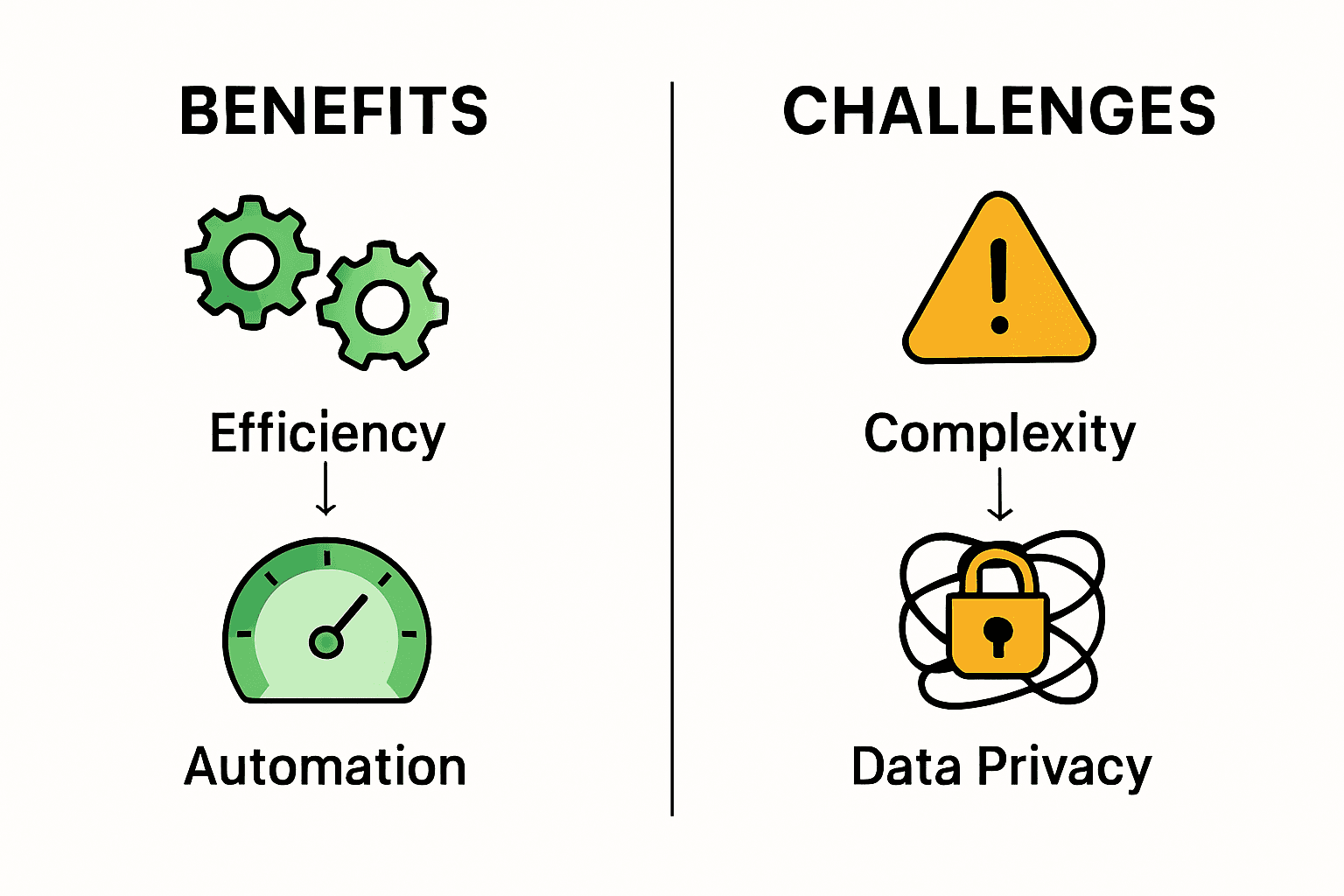
Challenges in implementing scalable SEO automation primarily revolve around data privacy concerns, technological complexity, and the need for continuous adaptation. Brands must invest in robust technological infrastructure, develop sophisticated machine learning algorithms, and create comprehensive training protocols to effectively leverage automation tools. The most successful organizations will be those that view AI and automation as collaborative tools that augment human expertise rather than complete replacements for strategic decision making.
Key Considerations for Brands:
The following table summarizes typical challenges and how brands can address them with strategic actions:
| Challenge | Strategic Solution | Result for Brands |
|---|---|---|
| Data privacy risks | Implement strong governance policies | Enhanced user trust and compliance |
| Complex AI implementation | Invest in expert training and support | Smoother adoption, fewer errors |
| Quality assurance | Maintain hybrid human-AI oversight | Consistent and authentic branding |
- Maintain a balance between technological automation and human creativity
- Invest in continuous learning and skill development
- Prioritize data privacy and ethical AI usage
- Develop flexible, adaptive technological strategies
Pro Tip: Conduct periodic strategic audits of your SEO automation tools, measuring both performance metrics and alignment with broader business objectives to ensure ongoing effectiveness and relevance.
Common Pitfalls and Proven Best Practices
SEO automation demands a strategic approach that balances technological capabilities with nuanced understanding of search engine dynamics. Comprehensive SEO strategies require careful navigation of potential technical and content-related pitfalls, ensuring that automated processes do not compromise the fundamental quality and authenticity of digital content.
Fundamental Pitfalls in SEO automation frequently emerge from oversimplified implementation strategies. These include excessive keyword stuffing, neglecting technical website infrastructure, generating low-quality automated content, and failing to adapt to continuously evolving search engine algorithms. Academic research highlights the critical importance of understanding local SEO nuances and developing robust link-building strategies, which cannot be fully replaced by automated systems without strategic human oversight.
Successful brands mitigate automation risks by implementing comprehensive quality control mechanisms, maintaining a balance between machine-driven efficiency and human creativity. This approach involves continuous monitoring of automated processes, regular performance audits, and adaptive strategy development. Advanced organizations develop hybrid models where AI tools generate initial content and optimization recommendations, while human experts provide strategic refinement, ensuring authenticity and contextual relevance.
Key Best Practices for SEO Automation:
- Maintain human oversight and strategic direction
- Implement rigorous quality control processes
- Develop adaptive, flexible automation strategies
- Continuously update technological capabilities
- Balance machine efficiency with human creativity
Pro Tip: Develop a systematic review process that evaluates your SEO automation tools monthly, measuring their performance against both quantitative metrics and qualitative strategic objectives to ensure ongoing effectiveness and alignment with business goals.
Unlock the Power of Scalable SEO Automation with Babylovegrowth.ai
The article highlights the challenge many brands face in balancing complex SEO automation with maintaining strategic human oversight and quality control. If you are aiming to overcome obstacles like repetitive tasks, evolving search engine algorithms, and efficient backlink building, you need a solution designed specifically for scalable, AI-driven SEO. Babylovegrowth.ai addresses key pain points such as real-time performance monitoring, adaptive content optimization, and automated technical auditing — all crucial concepts discussed in the article.
Experience the future of SEO automation with features like daily SEO articles, 30-day content plans, automatic structured data markup, and a powerful backlinks network. These tools help you implement a holistic SEO strategy covering on-page, technical, and off-page optimization seamlessly. Elevate your brand’s visibility across Google and AI-driven search engines like ChatGPT and Claude by trusting a platform built for sustainable growth.
Ready to transform your SEO approach and drive long-term organic traffic? Discover how Babylovegrowth.ai can simplify your digital marketing efforts while maximizing results.

Take the first step today by exploring the all-in-one AI SEO solution that empowers your brand to adapt, automate, and achieve outstanding search engine rankings. Act now to stay ahead in the rapidly changing SEO landscape with scalable automation crafted for your success.
Frequently Asked Questions
What is scalable SEO automation?
Scalable SEO automation is a strategic approach that utilizes advanced technologies, such as artificial intelligence, to streamline and optimize search engine optimization processes, making them more efficient and effective without sacrificing quality.
How does AI improve SEO automation?
AI enhances SEO automation by continuously analyzing data, adapting strategies based on changing search engine algorithms, and generating insights for content optimization, technical adjustments, and competitive analysis at a speed beyond that of human analysts.
What are the main types of SEO automation?
The main types of SEO automation include on-page optimization, which focuses on content and metadata; technical SEO, which enhances website structure and performance; and off-page strategies aimed at building backlinks and reputation through social media and outreach efforts.
What are the benefits of implementing scalable SEO automation for businesses?
The benefits include improved operational efficiency, enhanced data processing capabilities, real-time insights for better decision-making, and the ability to quickly adapt to changing digital landscapes, ultimately boosting website performance and search engine rankings.
Recommended
- SEO Automation Platform | Automate Your Entire SEO Workflow
- AI Content Marketing Platform | Scale Marketing with Artificial Intelligence
- Content Marketing Automation | Scale Content Production with AI
- SEO Article Generator | Create Ranking-Optimized Content with AI
- Future of Diesel Engines in 2025: What Technicians Need to Know – My WordPress
Smart SEO,
Faster Growth!
Most Read Articles
Generative Engine Optimization (GEO)
Learn how Generative Engine Optimization (GEO) helps your content rank in AI search engines like ChatGPT and Google AI. This comprehensive guide explains the differences between SEO and GEO, why it matters for your business, and practical steps to implement GEO strategies for better visibility in AI-generated responses.
DylenJan 18, 2025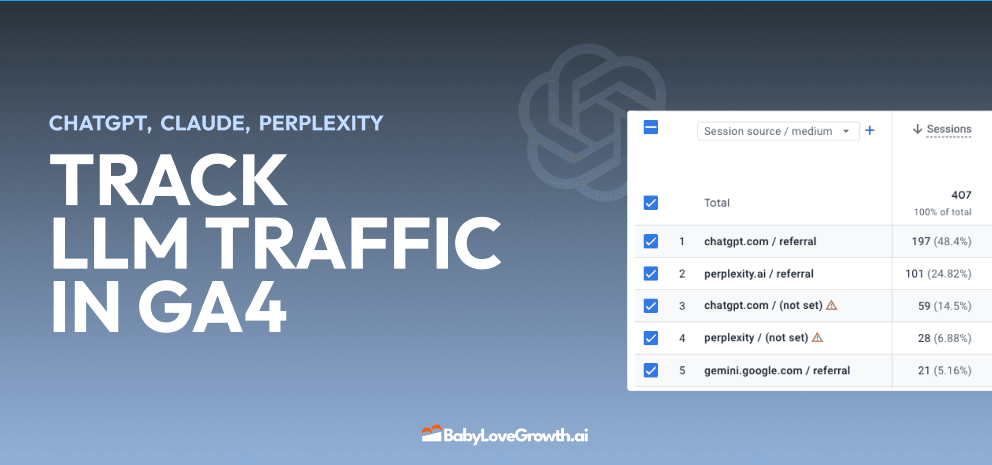
Track LLM Traffic in Google Analytics 4 (GA4)
Learn how to track and analyze traffic from AI sources like ChatGPT, Claude, Perplexity, and Google Gemini in Google Analytics 4. This step-by-step guide shows you how to set up custom filters to monitor AI-driven traffic and make data-driven decisions for your content strategy.
DylenMar 18, 2025
How to Humanize AI Text with Instructions
Learn practical techniques to make AI-generated content sound more natural and human. This guide covers active voice, direct addressing, concise writing, and other proven strategies to transform robotic text into engaging content.
DylenApril 7, 2025
Open AI Revenue and Statistics (2024)
Comprehensive analysis of OpenAI financial performance, user engagement, and market position in 2023. Discover key statistics including $20B valuation, $1B projected revenue, and 100M+ monthly active users.
DylenOctober 03, 2025