The Role of Chatbots in Business Success Today


More than 60 percent of American businesses now rely on chatbots to improve customer service and efficiency. As digital interactions become standard, companies across the United States are rethinking how they connect with customers. Understanding how modern chatbots work and where they deliver real business impact can help organizations choose smarter communication tools and stay competitive in a fast-changing market.
Table of Contents
- Defining Chatbots And Their Business Impact
- Types Of Chatbots Used In Modern Companies
- Core Functions And Features Explained
- Real-World Business Applications Of Chatbots
- Risks, Challenges, And Legal Considerations
- Best Practices For Successful Chatbot Integration
Key Takeaways
| Point | Details |
|---|---|
| Chatbots Enhance Business Communication | Chatbots leverage AI technologies to revolutionize customer interaction by providing immediate responses and improving operational efficiency. |
| Types of Chatbots for Diverse Needs | Businesses utilize various chatbot types, including retrieval, generative, and transactional, to meet specific communication and operational objectives. |
| Risks and Challenges in Implementation | Organizations face ethical and technical challenges, such as loss of personal connection and data security concerns, that must be addressed for successful integration. |
| Best Practices for Integration | Successful chatbot deployment requires strategic planning, user experience testing, and continuous refinement to ensure effective communication and maintain user trust. |
Defining Chatbots and Their Business Impact
Chatbots are advanced software programs designed to simulate human-like conversations, revolutionizing business communication strategies. These intelligent systems leverage deep learning and natural language processing technologies to interact seamlessly with customers, providing immediate and contextually relevant responses. Emerging research indicates that chatbots have transformed human-computer interactions by offering sophisticated communication capabilities across multiple business sectors.
Businesses are increasingly adopting chatbots to enhance customer service and operational efficiency. These digital assistants can simultaneously manage large inquiry volumes, dramatically reducing response times and operational costs. Studies demonstrate that chatbots provide 24/7 customer support, addressing critical service gaps in traditional communication models. Their ability to handle multiple interactions instantaneously makes them invaluable for organizations seeking scalable, cost-effective customer engagement solutions.
The core functionalities of modern chatbots extend far beyond simple scripted responses. Advanced AI-powered chatbots can:
- Understand complex language nuances
- Provide personalized recommendations
- Resolve customer issues autonomously
- Collect and analyze customer interaction data
- Integrate with existing business communication platforms
By implementing intelligent chatbot technologies, businesses can streamline customer interactions, improve response accuracy, and create more engaging digital experiences. The continuous evolution of natural language processing ensures that these digital assistants become increasingly sophisticated, offering more human-like and contextually accurate communication strategies.
Types of Chatbots Used in Modern Companies
Chatbot technologies have evolved dramatically, offering businesses diverse solutions for digital communication. Modern research reveals that companies now leverage three primary chatbot categories: retrieval, generative, and transactional chatbots. Each type serves unique organizational needs, enabling sophisticated customer interaction strategies that go beyond traditional communication methods.
Retrieval chatbots operate by accessing predefined knowledge bases, making them ideal for handling frequently asked questions and standard customer inquiries. Generative chatbots represent a more advanced approach, utilizing machine learning to create dynamic, context-aware responses that mimic human conversation. Transactional chatbots focus on facilitating specific actions like appointment scheduling, payment processing, and product recommendations.
Advanced communication research highlights additional chatbot variations that extend digital interaction capabilities:- Voice Bots: Utilize natural language understanding for voice-based interactions
- Hybrid Chatbots: Combine artificial intelligence with live human support
- Social Messaging Chatbots: Deploy AI across social media platforms
The strategic selection of chatbot type depends on specific business objectives, customer engagement requirements, and technological infrastructure. By understanding these nuanced chatbot classifications, organizations can design more intelligent, responsive digital communication systems that enhance customer experience and operational efficiency.
Core Functions and Features Explained
Chatbot technologies provide businesses with powerful tools for digital communication and customer engagement. Modern research highlights several core functions that make chatbots invaluable for organizational success, including 24/7 availability, task automation, cost reduction, and generating actionable data-driven insights. These sophisticated digital assistants transform traditional customer service approaches by offering instant, intelligent responses across multiple interaction channels.

Key features of modern chatbot technologies include:
- Automated customer support
- Intelligent conversation routing
- Real-time data collection and analysis
- Multi-language communication capabilities
- Seamless integration with existing business systems
By strategically implementing these intelligent communication tools, organizations can significantly enhance customer engagement, reduce operational costs, and create more responsive, adaptive digital interaction frameworks. The continuous evolution of artificial intelligence ensures that chatbot technologies will become increasingly sophisticated and integral to business communication strategies.
Real-World Business Applications of Chatbots
Chatbot technologies are transforming business operations across diverse industries, providing intelligent solutions for complex communication challenges. Innovative research demonstrates how generative AI chatbots are revolutionizing administrative services, particularly in educational institutions by creating adaptive, context-aware communication systems that streamline interactions between organizations and their stakeholders.
Industry studies highlight specific sectors where chatbots deliver remarkable operational benefits. The tourism industry, for instance, has embraced these technologies to simplify user interactions, enhance customer engagement, and improve overall service efficiency through integrated website and mobile application solutions.Key business applications of chatbot technologies include:
- Customer service and support
- Sales and lead generation
- Technical product assistance
- Appointment scheduling
- Personalized marketing interactions
- Employee training and onboarding
- Payment and transaction processing
Beyond traditional customer-facing roles, chatbots are becoming critical tools for internal organizational communication, helping businesses reduce response times, minimize human error, and create more scalable, intelligent interaction frameworks. As artificial intelligence continues to advance, chatbot technologies will likely become even more sophisticated, offering increasingly nuanced and personalized communication experiences across multiple business domains.
Risks, Challenges, and Legal Considerations
Chatbot implementation presents complex ethical and operational challenges for organizations seeking to leverage advanced communication technologies. Research reveals critical ethical considerations surrounding the deployment of artificial intelligence systems, particularly the critical need for transparency about the non-human nature of interactions to maintain customer trust and cooperation.
Technological assessments highlight significant challenges that businesses must navigate when integrating chatbot technologies. These systems often struggle with nuanced communication, lacking the emotional intelligence and contextual understanding inherent in human interactions. Complex or ambiguous queries can overwhelm chatbot algorithms, potentially reducing overall customer satisfaction and undermining the intended communication efficiency.Key risks and challenges in chatbot implementation include:
- Potential loss of personal customer connection
- Limited ability to handle complex emotional interactions
- Privacy and data security concerns
- Potential algorithmic bias
- Compliance with evolving data protection regulations
- Technical limitations in understanding context
- Customer frustration with automated responses
Successful chatbot strategies require a balanced approach that acknowledges technological limitations while continuously improving AI capabilities. Organizations must prioritize ethical considerations, maintain transparency, and design systems that complement human communication rather than attempting to completely replace personal interactions.
Best Practices for Successful Chatbot Integration
Chatbot implementation requires a strategic and thoughtful approach that goes beyond simple technological deployment. Research highlights critical considerations for organizations seeking to develop ethical, inclusive, and transparent chatbot experiences that maintain user trust and maximize technological potential. Successful integration demands a nuanced understanding of both technological capabilities and user interaction dynamics.
Strategic planning research emphasizes the importance of aligning chatbot technologies with broader organizational goals. This means designing systems that not only address immediate communication needs but also support long-term innovation and service delivery strategies. Effective chatbot integration is less about replacing human interaction and more about creating intelligent, supportive communication frameworks.
Key best practices for successful chatbot integration include:
- Conduct comprehensive user experience testing
- Develop clear communication guidelines
- Implement robust data privacy protections
- Create seamless handoff protocols to human representatives
- Continuously train and refine AI models
- Establish clear performance metrics
- Design for accessibility and inclusive communication
Ultimately, successful chatbot integration requires a balanced approach that recognizes both technological potential and human communication complexity. Organizations must remain flexible, continuously learning and adapting their chatbot strategies to meet evolving user expectations and technological capabilities.
Unlock Smarter Business Growth with AI-Driven Content and Chatbot Insights
The article highlights critical challenges businesses face when integrating chatbots, such as maintaining personalized customer connections, ensuring 24/7 availability, and automating intelligent responses with seamless efficiency. If your goal is to harness cutting-edge AI technologies to improve digital communication and boost operational success, then mastering scalable, automated growth solutions is key. By leveraging chatbot innovations alongside powerful SEO strategies, businesses can create truly integrated customer engagement frameworks that drive measurable results.
At Babylovegrowth.ai, we specialize in simplifying organic growth by combining AI-generated content and backlink strategies that rank high on both Google and ChatGPT. Our platform provides a personalized 30-day content plan alongside automated SEO tools designed to empower business owners and marketers to scale growth with less manual effort. Imagine pairing chatbot technology insights with an all-in-one SEO approach that ensures your digital presence is as intelligent and responsive as your customer interactions.
Ready to transform your business communication and online visibility? Explore how Babylovegrowth.ai integrates AI innovation to deliver automated, high-quality content designed to work seamlessly with advanced chatbot strategies. Start your free trial today and experience a smarter, faster path to sustainable business success.
Frequently Asked Questions
What are chatbots and how do they impact businesses?
Chatbots are advanced software programs designed to simulate human-like conversations, improving business communication strategies. They utilize deep learning and natural language processing to provide immediate and contextually relevant responses, enhancing customer service and operational efficiency.
What types of chatbots are available for business use?
There are three primary types of chatbots used in modern businesses: retrieval chatbots, which handle FAQs; generative chatbots, which create dynamic responses; and transactional chatbots, which facilitate specific actions like scheduling and payments. Additionally, voice bots and hybrid chatbots also contribute to diverse communication needs.
How can chatbots enhance customer service?
Chatbots enhance customer service by providing 24/7 support, handling multiple inquiries simultaneously, and delivering personalized interactions. They automate tasks and reduce response times, allowing organizations to improve customer engagement and operational efficiency.
What are the key risks and challenges associated with implementing chatbots?
Key challenges include the potential loss of personal connection, limitations in handling complex emotional interactions, privacy and data security concerns, and the risk of algorithmic bias. Organizations need to address these challenges to maintain customer trust and satisfaction.
Recommended
Smart SEO,
Faster Growth!
Most Read Articles
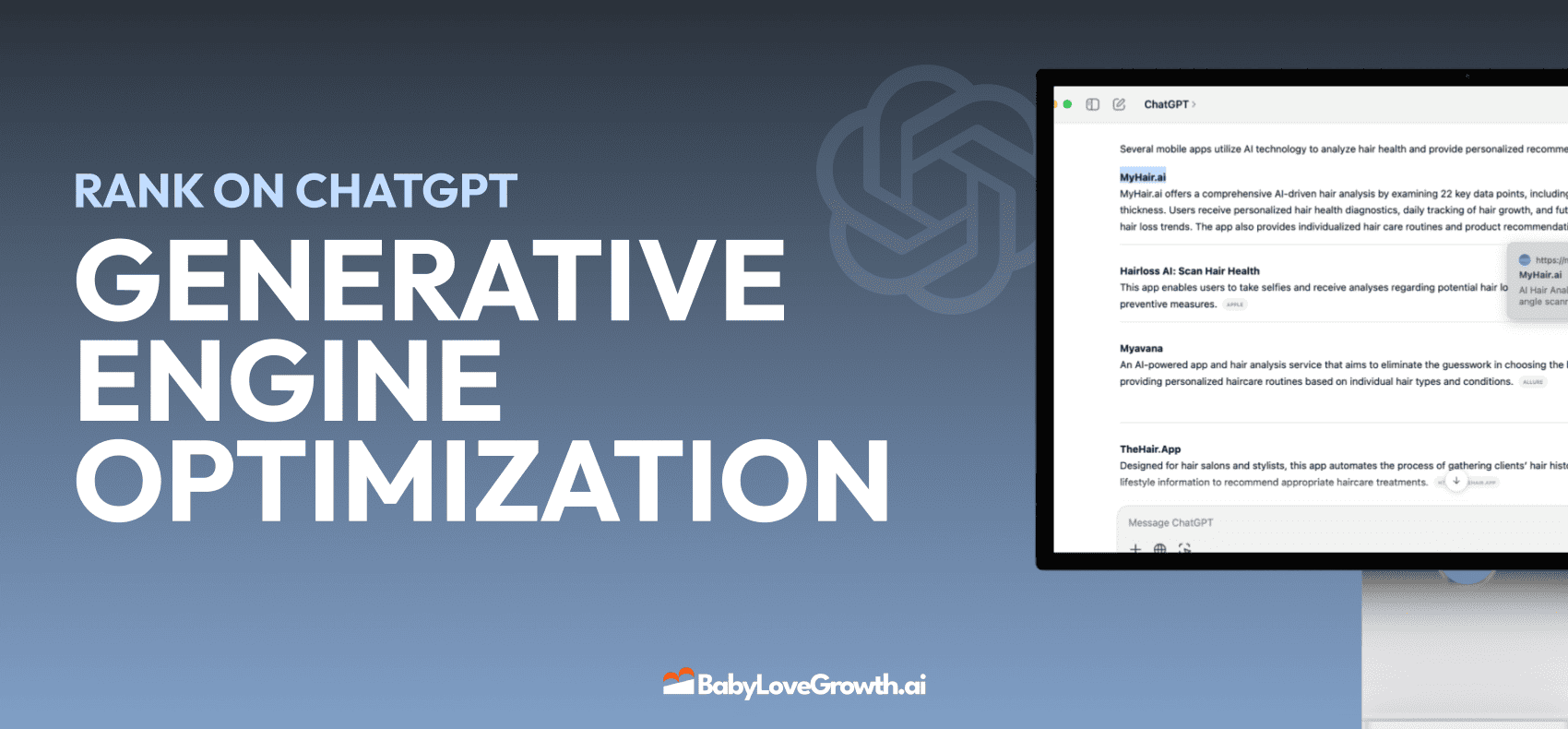
Generative Engine Optimization (GEO)
Learn how Generative Engine Optimization (GEO) helps your content rank in AI search engines like ChatGPT and Google AI. This comprehensive guide explains the differences between SEO and GEO, why it matters for your business, and practical steps to implement GEO strategies for better visibility in AI-generated responses.
DylenJan 18, 2025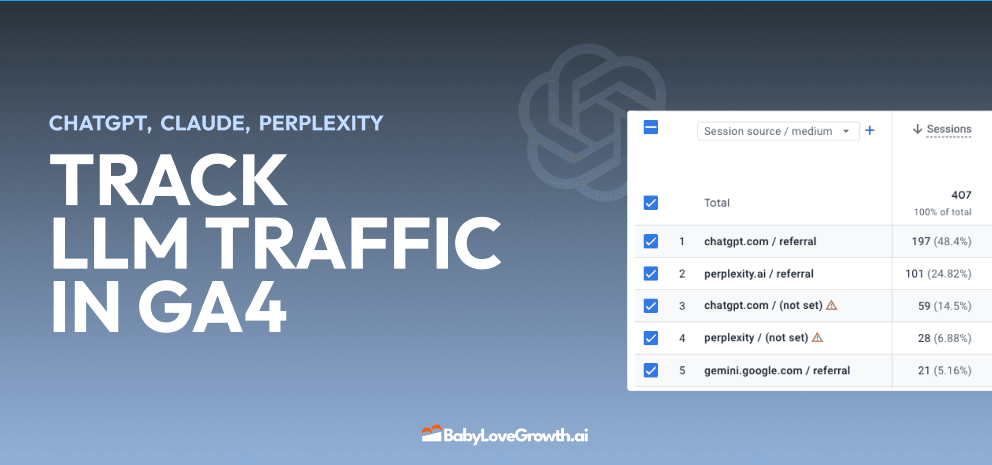
Track LLM Traffic in Google Analytics 4 (GA4)
Learn how to track and analyze traffic from AI sources like ChatGPT, Claude, Perplexity, and Google Gemini in Google Analytics 4. This step-by-step guide shows you how to set up custom filters to monitor AI-driven traffic and make data-driven decisions for your content strategy.
DylenMar 18, 2025
How to Humanize AI Text with Instructions
Learn practical techniques to make AI-generated content sound more natural and human. This guide covers active voice, direct addressing, concise writing, and other proven strategies to transform robotic text into engaging content.
DylenApril 7, 2025
Open AI Revenue and Statistics (2024)
Comprehensive analysis of OpenAI financial performance, user engagement, and market position in 2023. Discover key statistics including $20B valuation, $1B projected revenue, and 100M+ monthly active users.
DylenOctober 03, 2025