Role of AI in Search Rankings: Powering Organic Growth


Most american SEO professionals already know that artificial intelligence is turning search rankings on their head, but few understand the full extent of its impact. As Google and other major platforms move far beyond simple keyword analysis, the rules every Canadian, German, or Australian agency follows are evolving fast. This article unpacks how AI-powered algorithms are reshaping organic growth, spotlighting powerful approaches to stay ahead in a field where over 60 percent of clicks go to the top three search results.
Table of Contents
- Defining AI's Influence In Search Rankings
- AI Algorithms And Evolving Ranking Factors
- AI Integration Across Major Search Platforms
- Automating SEO: Tools And Practical Applications
- Common SEO Mistakes With AI-Driven Search
Key Takeaways
| Point | Details |
|---|---|
| AI Revolutionizes Search Rankings | AI enhances search algorithms by understanding context, user intent, and semantics, moving beyond traditional keyword matching. |
| Focus on Quality Over Keywords | Content must demonstrate deep topical expertise and meaningful information instead of simply targeting keywords to improve search visibility. |
| Adapt to Evolving Strategies | SEO tactics must evolve in line with AI advancements, emphasizing comprehensive and contextually rich content that aligns with user intent. |
| Avoid Common SEO Pitfalls | Neglecting content quality and authority can lead to lower rankings, necessitating a focus on genuine expertise and comprehensive answers. |
Defining AI's Influence in Search Rankings
Artificial Intelligence is fundamentally reshaping how search engines understand, rank, and deliver content to users. Unlike traditional algorithmic approaches, AI introduces dynamic, intelligent processing that goes far beyond keyword matching. Modern search algorithms now leverage machine learning models that comprehend context, user intent, and semantic relationships between information.
Search ranking systems powered by AI analyze multiple complex signals simultaneously. These include user engagement metrics, content relevance, webpage authority, and real-time behavioral patterns. AI-driven search strategies are transforming how websites optimize their digital presence, moving beyond traditional SEO techniques toward more intelligent, adaptive content development.
The core mechanism driving AI's search ranking influence involves neural networks that can interpret content nuances with unprecedented depth. These systems recognize patterns, understand linguistic subtleties, and predict user preferences with remarkable accuracy. By processing massive datasets, AI algorithms can now distinguish high-quality, authoritative content from generic or manipulative webpages, rewarding genuinely valuable information with superior search visibility.
Pro Tip for SEO Professionals: Develop content that demonstrates deep topical expertise and answers user questions comprehensively, as AI search algorithms increasingly prioritize substantive, contextually rich information over superficial keyword-stuffed materials.
Here's a comparison of traditional and AI-powered search ranking factors:
| Criteria | Traditional Algorithms | AI-Powered Algorithms |
|---|---|---|
| Keyword Usage | Focus on exact matches | Understands context and intent |
| Ranking Signal Volume | Limited number considered | Analyzes hundreds simultaneously |
| User Intent Processing | Basic query matching | Deep intent and semantic analysis |
| Adaptability | Slow to update | Adapts in real-time |
| Content Evaluation | Surface-level analysis | Recognizes nuance and expertise |
AI Algorithms and Evolving Ranking Factors
The landscape of search ranking algorithms is undergoing a profound transformation driven by advanced artificial intelligence technologies. Modern search engines are moving beyond traditional keyword-matching approaches toward more sophisticated, context-aware ranking systems that can understand nuanced user intent and content relevance. AI-driven search strategies are enabling more dynamic and intelligent content evaluation methods.
Researchers are developing increasingly complex ranking algorithms that optimize search results across multiple dimensions. For instance, novel ranking algorithms like FARA propose future-aware approaches that don't just optimize for immediate search results, but plan ahead by jointly analyzing multiple ranking lists to improve long-term search performance. Similarly, uncertainty-aware algorithms such as EBRank are emerging, which use sophisticated prior models to estimate content relevance and apply intelligent exploration strategies.
The core innovation in these AI-powered ranking systems lies in their ability to process multiple signals simultaneously. Unlike traditional algorithms that relied primarily on keyword density and backlink volume, modern AI systems analyze intricate factors like user engagement metrics, content depth, semantic relationships, and real-time behavioral patterns. These advanced algorithms can distinguish high-quality, authoritative content from superficial or manipulative webpages with unprecedented accuracy.

Pro Tip for Search Optimization: Continuously adapt your content strategy to align with AI's evolving understanding of relevance, focusing on comprehensive, contextually rich information that demonstrates genuine expertise rather than relying on outdated SEO tactics.
AI Integration Across Major Search Platforms
Major search platforms are rapidly transforming their core ranking infrastructures through intelligent AI technologies. Historical machine learning innovations like RankBrain represent critical milestones in this evolution, with Google confirming its machine learning algorithm as the third most important ranking factor since 2015. These advanced systems enable search engines to understand complex user queries with unprecedented contextual comprehension.
The integration of artificial intelligence across search platforms involves multiple sophisticated approaches. Modern search algorithms now leverage neural networks and deep learning models that can analyze hundreds of ranking signals simultaneously. These systems go beyond traditional keyword matching, instead interpreting semantic relationships, user intent, and content quality through advanced machine learning techniques. Emerging AI technologies in search optimization are creating more intelligent, adaptive search experiences that dynamically adjust to user behavior and preferences.
Critical success factors for AI implementation in search platforms extend far beyond pure technological capabilities. Research indicates that while technological infrastructure remains paramount, ethical considerations play an equally crucial role in developing responsible AI search systems. This means developing algorithms that not only provide accurate results but also maintain user privacy, prevent algorithmic bias, and ensure transparent information retrieval processes.
Pro Tip for Search Platform Strategy: Continuously monitor and adapt your content strategy to align with AI-driven search technologies, focusing on creating comprehensive, semantically rich content that demonstrates genuine expertise and addresses user needs comprehensively.
Automating SEO: Tools and Practical Applications
Artificial intelligence is revolutionizing search engine optimization through powerful automation tools that transform traditional SEO workflows. Advanced AI tools for SEO optimization can analyze massive datasets to identify critical ranking factors such as keywords, backlinks, user engagement metrics, and content quality with unprecedented precision and speed.
The practical applications of AI in SEO automation extend far beyond simple data analysis. Natural language generation technologies now enable marketers to rapidly create engaging content that simultaneously meets user intent and search engine optimization requirements. These intelligent systems can generate blog posts, social media content, and website copy that are not only contextually relevant but also strategically aligned with specific search ranking objectives. Scalable SEO automation strategies are empowering digital marketing teams to produce high-quality content more efficiently than ever before.

Modern SEO automation tools leverage machine learning algorithms to provide dynamic recommendations and predictive insights. These sophisticated systems can track performance metrics, identify potential optimization opportunities, and suggest real-time improvements across website content, technical infrastructure, and user experience. By processing complex data signals, AI-powered tools help businesses develop more intelligent, adaptive search optimization strategies that continuously evolve with changing digital landscapes.
Pro Tip for SEO Automation: Integrate AI tools strategically, treating them as intelligent assistants that augment human creativity rather than complete replacements for strategic thinking and nuanced content development.
Common SEO Mistakes With AI-Driven Search
Navigating the complex landscape of AI-powered search requires a nuanced understanding of emerging ranking dynamics. Recent research on media visibility reveals surprising shifts in how AI search engines prioritize content, with a clear preference for earned media over brand-owned materials. This fundamental transformation demands a strategic rethinking of traditional SEO approaches.
One of the most critical mistakes marketers make is treating AI search algorithms like traditional search engines. Modern AI systems analyze content through sophisticated semantic understanding, moving far beyond simple keyword matching. AI-driven content strategies now require deep contextual relevance, genuine expertise, and comprehensive information that demonstrates true subject mastery. Websites that rely on surface-level, keyword-stuffed content will find themselves increasingly marginalized in AI search results.
Technical SEO mistakes become even more pronounced in AI-driven search environments. Common errors include neglecting content comprehensiveness, failing to establish topical authority, and not adapting to the more sophisticated natural language processing capabilities of AI algorithms. These systems can now distinguish between genuine, expert-level content and generic, formulaic writing with unprecedented accuracy. They prioritize sources that provide substantial, well-researched information that genuinely helps users resolve their queries.
Here's a summary of common mistakes and their impact in AI-driven SEO:
| Mistake | Description | Negative Impact |
|---|---|---|
| Overusing Keywords | Excessive keyword stuffing | Lowered rankings, flagged as spam |
| Neglecting Topic Authority | Lacking deep subject coverage | Reduced visibility for key searches |
| Ignoring Content Quality | Shallow or generic writing | Marginalized by AI evaluation |
| Failing to Adapt SEO Tactics | Sticking to outdated strategies | Missed optimization opportunities |
Pro Tip for Search Optimization: Develop content that demonstrates authentic expertise, answers complex user questions comprehensively, and provides unique insights that go well beyond surface-level information.
Unlock the True Potential of AI-Driven Search Rankings with Babylovegrowth.ai
The article highlights the complex challenges businesses face adapting to AI-powered search algorithms that value content quality, user intent, and deep topical expertise. It reveals the need to move away from outdated SEO tactics toward smarter, comprehensive strategies that elevate organic growth and authentically connect with audiences through intelligent content evaluation. If you struggle with keyword stuffing, superficial content, or navigating fast-evolving AI search factors, these issues can hinder your visibility and long-term success.
Babylovegrowth.ai is here to transform those challenges into opportunities. Our AI-powered SEO and content strategies offer automated tools for keyword discovery, content planning, backlink building, and technical website audits designed specifically to meet the demands of modern, AI-driven platforms. With features like daily SEO article generation, 30-day content plans, and internal linking automation, we empower you to create high-quality, authoritative content that aligns perfectly with the evolving search landscape. Experience scalable, data-driven growth that adapts in real time to search engine advances including Google, ChatGPT, and more.
Ready to outsmart AI search rankings and gain sustainable organic traffic? Take control of your brand’s online visibility today by exploring our innovative content optimization solutions and learn how to craft contextually rich, expert content that search engines trust.

Start your journey towards smarter SEO now with Babylovegrowth.ai and see how AI automation can power your business growth.
Frequently Asked Questions
What is the role of AI in search rankings?
AI significantly enhances search rankings by enabling search engines to understand user intent and content relevance through advanced algorithms that analyze various signals beyond mere keyword matching.
How do AI algorithms determine content quality?
AI algorithms assess content quality by examining engagement metrics, semantic relationships, and the depth of information, allowing them to distinguish authoritative content from generic material.
What are common mistakes to avoid when optimizing for AI-driven search?
Common mistakes include overusing keywords, neglecting topic authority, ignoring content quality, and failing to adapt SEO tactics to the evolving AI landscape.
How can businesses effectively utilize AI tools for SEO?
Businesses can effectively utilize AI tools by integrating them as intelligent assistants for data analysis and content generation, focusing on producing comprehensive and contextually relevant information.
Recommended
Smart SEO,
Faster Growth!
Most Read Articles
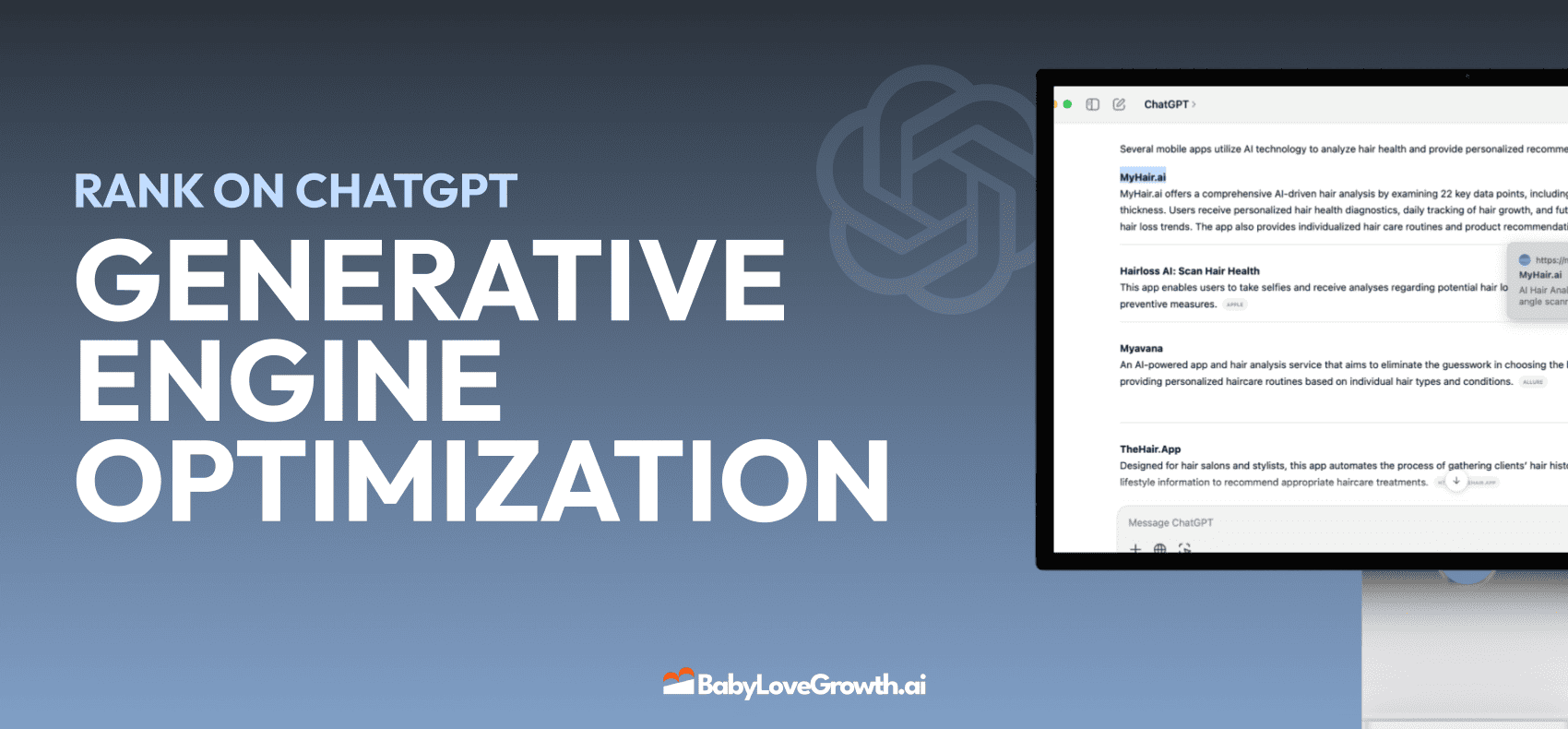
Generative Engine Optimization (GEO)
Learn how Generative Engine Optimization (GEO) helps your content rank in AI search engines like ChatGPT and Google AI. This comprehensive guide explains the differences between SEO and GEO, why it matters for your business, and practical steps to implement GEO strategies for better visibility in AI-generated responses.
DylenJan 18, 2025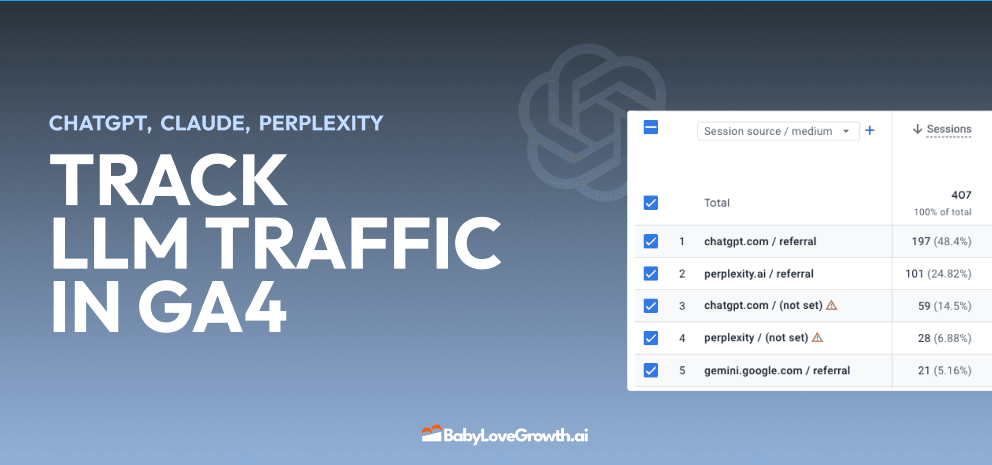
Track LLM Traffic in Google Analytics 4 (GA4)
Learn how to track and analyze traffic from AI sources like ChatGPT, Claude, Perplexity, and Google Gemini in Google Analytics 4. This step-by-step guide shows you how to set up custom filters to monitor AI-driven traffic and make data-driven decisions for your content strategy.
DylenMar 18, 2025
How to Humanize AI Text with Instructions
Learn practical techniques to make AI-generated content sound more natural and human. This guide covers active voice, direct addressing, concise writing, and other proven strategies to transform robotic text into engaging content.
DylenApril 7, 2025
Open AI Revenue and Statistics (2024)
Comprehensive analysis of OpenAI financial performance, user engagement, and market position in 2023. Discover key statistics including $20B valuation, $1B projected revenue, and 100M+ monthly active users.
DylenOctober 03, 2025