Role of AI in Content Strategy and SEO Success


More than 60 percent of American marketers now rely on Artificial Intelligence to shape digital content strategies. As brands strive for greater reach and impact, understanding AI’s growing influence has become crucial for staying ahead. From real-time content analysis to hyper-personalized messaging, this article uncovers the practical ways AI is transforming the digital landscape and the challenges every American business must navigate to harness its full potential.
Table of Contents
- Defining AI's Role In Digital Content
- AI-Powered Content Creation Processes
- Key Types Of AI Tools For Marketers
- Real-World Applications In SEO And Outreach
- Risks, Challenges, And Best Practices
Key Takeaways
| Point | Details |
|---|---|
| AI Enhances Content Creation | AI technologies enable rapid content generation and optimization, allowing brands to produce personalized, relevant material efficiently. |
| Strategic Integration of AI | Successful content strategies will combine human creativity with AI's analytical capabilities for better decision-making and engagement. |
| Diverse AI Toolset for Marketers | Marketers can leverage a range of AI tools for content generation, audience analysis, and performance tracking, enhancing operational efficiency. |
| Ethical Considerations and Risks | Organizations must address ethical challenges, maintain human oversight, and establish guidelines to ensure responsible AI usage in content creation. |
Defining AI's Role in Digital Content
Artificial Intelligence is rapidly transforming digital content creation by enabling unprecedented levels of personalization, efficiency, and strategic insight. AI technologies now provide content creators and marketers with powerful tools to analyze, generate, and optimize digital content at scales previously unimaginable. Unlike traditional content development approaches, AI can process massive datasets, identify emerging trends, and generate contextually relevant material in minutes.
In the realm of digital marketing, AI serves multiple critical functions. Content strategists can leverage machine learning algorithms to predict audience preferences, understand semantic search patterns, and develop highly targeted content strategies. By analyzing user behavior, search intent, and engagement metrics, AI helps brands create more resonant, precisely targeted content. The technology goes beyond simple keyword matching, diving deep into understanding user intent, emotional triggers, and complex content consumption patterns.
The practical applications of AI in content strategy are transformative. AI Content Marketing Platform capabilities now enable automated content research, generation, and optimization across multiple digital channels. These platforms can generate comprehensive content briefs, suggest topic clusters, recommend semantic variations, and even predict potential performance metrics before publication. Smart AI systems can now draft initial content versions, perform semantic analysis, and provide real-time recommendations for improving readability, SEO performance, and audience engagement.
Understanding AI's role isn't about replacement, but augmentation. The most successful content strategies will blend human creativity with machine intelligence, using AI as a powerful assistant that enhances strategic decision-making. By integrating AI tools, content teams can focus on high-value creative tasks while leveraging technology to handle complex analytical and preparatory work. The future of digital content lies in this symbiotic relationship between human insight and artificial intelligence.
AI-Powered Content Creation Processes
The modern landscape of digital content production is undergoing a revolutionary transformation through AI-powered content creation processes. These advanced technologies are redefining how brands conceptualize, develop, and distribute content across multiple platforms. Advanced AI frameworks are now capable of synergizing human intuition with computational efficiency, enabling content teams to generate more strategic, targeted, and high-performance materials with unprecedented speed and precision.
AI content creation processes encompass multiple sophisticated stages of content development. Machine learning algorithms can now autonomously analyze competitor content, identify trending topics, generate comprehensive content briefs, and even draft initial content versions. The technology goes beyond simple text generation, incorporating semantic understanding, contextual relevance, and predictive performance analytics. Emerging research demonstrates how AI reshapes media production through automated journalism, intelligent recommendation systems, and AI-assisted content editing, dramatically reducing manual labor while improving overall content quality.
The practical implementation of AI in content creation involves several key technological capabilities. SEO Article Generator platforms now integrate advanced natural language processing techniques that can understand nuanced writing requirements, match specific brand voices, and optimize content for search engine rankings. These systems analyze thousands of data points to recommend topic clusters, suggest semantic variations, and predict potential engagement metrics before content publication. Smart AI tools can generate initial drafts, perform real-time semantic analysis, and provide actionable recommendations for improving readability and search performance.

Ultimately, AI-powered content creation represents a collaborative ecosystem where technological intelligence augments human creativity. The most effective strategies will leverage AI not as a replacement for human writers, but as a powerful assistant that handles complex analytical tasks, allowing content creators to focus on high-value strategic and creative work. By embracing these technologies, brands can develop more personalized, data-driven content strategies that adapt rapidly to changing audience preferences and market dynamics.
Key Types of AI Tools for Marketers
The contemporary marketing landscape has been dramatically transformed by a diverse ecosystem of AI-powered tools that enable unprecedented levels of strategic insight and operational efficiency. These technologies span multiple domains, from content generation and optimization to audience analysis and predictive marketing intelligence. Sophisticated AI platforms now help enterprises improve their visibility across AI-generated search and answer systems, providing marketers with powerful capabilities to enhance brand representation and competitive positioning.
Marketers can leverage several critical categories of AI tools to streamline their workflows. Content generation tools utilize advanced natural language processing to draft articles, social media posts, and marketing copy with remarkable precision. Keyword clustering tools help strategists group search terms by intent, enabling more targeted content strategies. Content Marketing Automation platforms integrate multiple AI capabilities, allowing teams to automate research, content planning, and performance tracking across digital channels. Additional tool categories include sentiment analysis systems, predictive audience segmentation algorithms, and intelligent recommendation engines that can personalize content delivery.

The most sophisticated AI marketing tools go beyond simple automation, offering deep analytical capabilities. These platforms can analyze competitor content, predict engagement metrics, identify emerging trends, and provide real-time optimization recommendations. Advanced AI systems now employ machine learning algorithms to understand nuanced brand voices, adapt content strategies dynamically, and generate insights that would be impossible through traditional manual analysis. By processing vast amounts of data across multiple channels, these tools help marketers make more informed, data-driven decisions that can significantly improve campaign performance and audience targeting.
Ultimately, the most effective AI tools for marketers are those that augment human creativity rather than attempting to replace it entirely. The future of marketing technology lies in creating symbiotic relationships between artificial intelligence and human strategic thinking. Marketers who successfully integrate these intelligent tools into their workflows can unlock unprecedented levels of efficiency, personalization, and strategic insight, transforming how brands communicate and connect with their target audiences.
Real-World Applications in SEO and Outreach
The emerging field of digital marketing optimization is rapidly evolving with AI technologies that transform traditional search engine strategies. Generative engine optimization represents a groundbreaking approach to improving content visibility across AI-powered search platforms, requiring marketers to develop sophisticated strategies that go beyond conventional SEO techniques. This new paradigm demands understanding how large language models retrieve, interpret, and present information, creating a more nuanced approach to digital content positioning.
Practical AI applications in SEO and outreach now span multiple sophisticated domains. Automated content optimization tools can analyze search intent, predict ranking potential, and generate contextually relevant content that aligns with complex algorithmic requirements. Multilingual SEO Content platforms enable brands to develop targeted strategies across global markets, leveraging AI to adapt messaging and optimize visibility in diverse linguistic contexts. Advanced AI systems can now perform detailed competitor analysis, identify emerging keyword opportunities, and generate data-driven content strategies that dynamically adjust to shifting search landscape trends.
Innovative platforms are emerging to help brands monitor and optimize their digital presence in AI-generated environments. Brand representation tracking systems now provide detailed insights into how companies are portrayed in AI search results, allowing marketing teams to fine-tune their digital strategies with unprecedented precision. These tools analyze how large language models interpret and present brand information, offering actionable recommendations for improving algorithmic representation. By understanding the intricate mechanisms of AI-driven search platforms, marketers can develop more strategic, intelligent approaches to content creation and digital positioning.
Ultimately, successful SEO and outreach in the AI era require a holistic, adaptive approach that combines technological intelligence with human creativity. The most effective strategies will blend sophisticated AI-powered analytics with nuanced human understanding, creating content that resonates both with algorithmic requirements and genuine audience needs. As AI technologies continue to evolve, marketers who can skillfully navigate this complex landscape will gain significant competitive advantages in visibility, engagement, and digital brand positioning.
Risks, Challenges, and Best Practices
Artificial Intelligence in content strategy presents a complex landscape of transformative potential and significant ethical and operational challenges. The ongoing debate surrounding AI's impact highlights critical concerns about potential threats to human creativity and authorship, particularly as technologies become increasingly sophisticated in generating creative content. These concerns extend beyond artistic domains, challenging fundamental assumptions about intellectual property, creative ownership, and the economic value of human-generated work.
Marketers and content creators must navigate multiple complex risk dimensions when implementing AI technologies. Potential challenges include algorithmic bias, content authenticity concerns, and the potential erosion of unique brand voices. SEO Automation Platform tools can help mitigate some risks by providing transparent, auditable content generation processes. Critical best practices involve maintaining human oversight, establishing clear ethical guidelines for AI usage, and implementing rigorous quality control mechanisms. Organizations must develop comprehensive strategies that leverage AI's capabilities while preserving the essential human elements of creativity, emotional intelligence, and strategic thinking.
Research indicates that audience perceptions of AI-generated content vary significantly based on disclosure and content type, suggesting nuanced approaches are necessary for effective implementation. Emotionally evocative content, in particular, may experience negative evaluations when audiences are aware of AI involvement. This underscores the importance of strategic transparency and maintaining a balanced approach that uses AI as an augmentative tool rather than a complete replacement for human creativity. Successful strategies will involve careful content curation, maintaining authentic brand voices, and using AI as a collaborative partner in the content creation process.Ultimately, managing AI risks requires a proactive, holistic approach that balances technological innovation with ethical considerations and human expertise. Organizations must invest in continuous learning, develop robust governance frameworks, and create adaptive strategies that can evolve alongside rapidly changing AI technologies. The goal is not to resist AI's potential but to harness it responsibly, ensuring that technological capabilities enhance rather than diminish the fundamental value of human creativity and strategic thinking.
Transform Your Content Strategy with AI-Driven SEO Solutions
The article highlights the challenge of navigating AI's complex role in content strategy and SEO success, emphasizing the need for advanced tools that combine human creativity with machine intelligence. If you are struggling with predicting audience preferences, generating contextually relevant content, or optimizing your digital presence across evolving AI-powered search engines, you are not alone. This is where Babylovegrowth.ai can help. Our platform offers automated, data-driven solutions for keyword discovery, content planning, and SEO optimization designed to overcome issues like algorithmic bias and content authenticity while elevating your brand voice.
Experience the power of tools that provide daily SEO articles, 30-day content plans, and automatic structured data markup to improve your visibility on Google as well as AI-generated platforms like ChatGPT and Claude. Our integrated approach to SEO Article Generator technologies and Content Marketing Automation ensures your content strategy is both scalable and personalized for long-term growth.

Ready to take control of your AI-enhanced content strategy and SEO performance today Visit Babylovegrowth.ai now to start harnessing the full potential of AI to boost your online visibility and organic traffic with a comprehensive marketing solution tailored to your needs
Frequently Asked Questions
What is the role of AI in content strategy?
AI enhances content strategy by providing tools for analyzing user behavior, predicting preferences, and generating contextually relevant content, allowing marketers to create highly targeted materials.
How does AI improve SEO success?
AI improves SEO success through automated content optimization, detailed competitor analysis, and the ability to adapt content strategies dynamically based on real-time data and emerging trends.
Can AI replace human creativity in content creation?
AI is designed to augment human creativity, not replace it. The most effective content strategies combine human insight with AI's analytical capabilities to achieve better results.
What are some best practices for using AI in content marketing?
Best practices include maintaining human oversight, establishing clear ethical guidelines, and implementing quality control measures to ensure authenticity and effectiveness in content creation.
Recommended
- Content Strategy Platform | Plan Data-Driven Content with AI
- AI Content Marketing Platform | Scale Marketing with Artificial Intelligence
- Contentful SEO Automation
- Salesforce Commerce Cloud SEO Automation
Smart SEO,
Faster Growth!
Most Read Articles
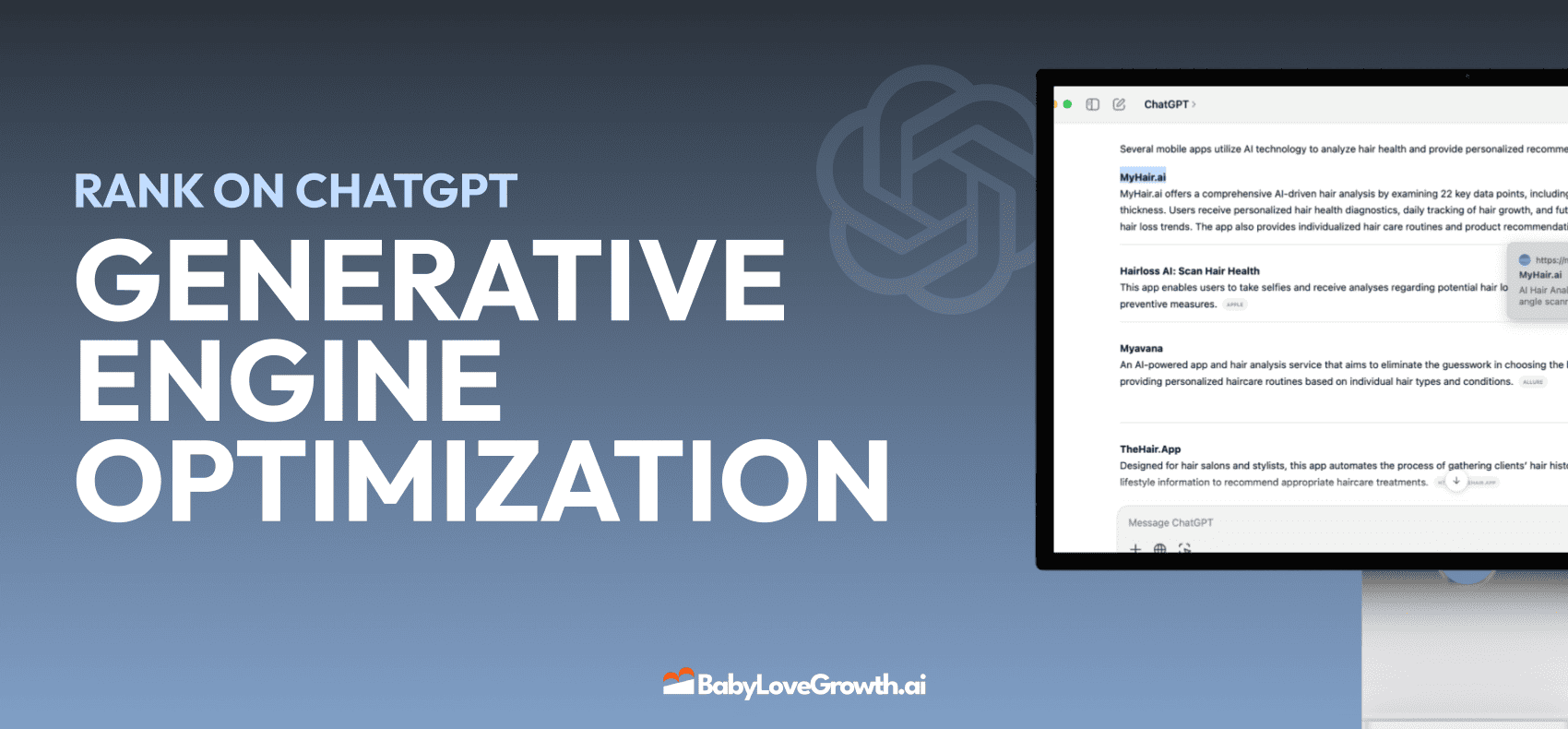
Generative Engine Optimization (GEO)
Learn how Generative Engine Optimization (GEO) helps your content rank in AI search engines like ChatGPT and Google AI. This comprehensive guide explains the differences between SEO and GEO, why it matters for your business, and practical steps to implement GEO strategies for better visibility in AI-generated responses.
DylenJan 18, 2025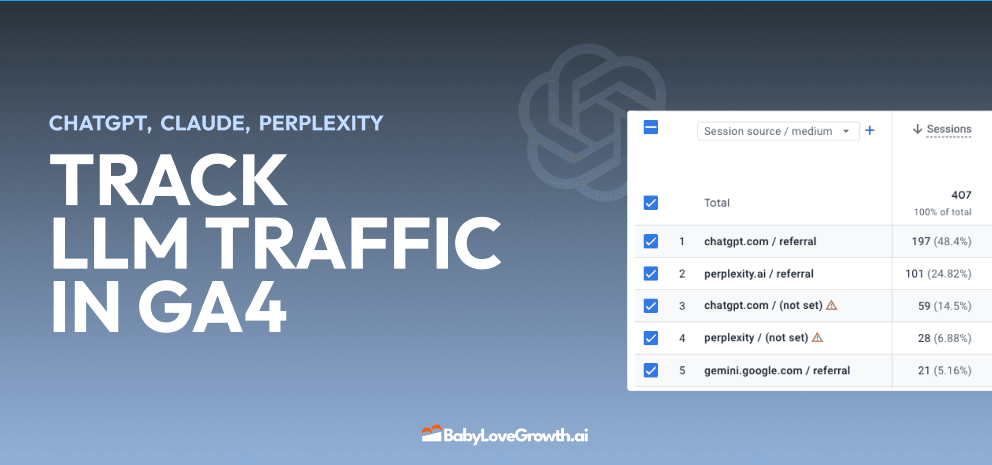
Track LLM Traffic in Google Analytics 4 (GA4)
Learn how to track and analyze traffic from AI sources like ChatGPT, Claude, Perplexity, and Google Gemini in Google Analytics 4. This step-by-step guide shows you how to set up custom filters to monitor AI-driven traffic and make data-driven decisions for your content strategy.
DylenMar 18, 2025
How to Humanize AI Text with Instructions
Learn practical techniques to make AI-generated content sound more natural and human. This guide covers active voice, direct addressing, concise writing, and other proven strategies to transform robotic text into engaging content.
DylenApril 7, 2025
Open AI Revenue and Statistics (2024)
Comprehensive analysis of OpenAI financial performance, user engagement, and market position in 2023. Discover key statistics including $20B valuation, $1B projected revenue, and 100M+ monthly active users.
DylenOctober 03, 2025