7 Proven Organic Traffic Tips for Sustainable Online Growth


Over 90 percent of American online experiences begin with a search engine, yet many websites still struggle to capture the right traffic. Making your content stand out takes more than just great writing. The difference often lies in using targeted strategies that align with user intent and evolving search algorithms. By learning how to optimize every part of your site, you can attract engaged visitors and turn them into loyal customers.
Table of Contents
- Optimize Content with High-Intent Keywords
- Build Quality Backlinks for Authority
- Leverage Structured Data for Better Rankings
- Create Consistent, Value-Driven Articles
- Implement Smart Internal Linking Strategies
- Utilize AI Tools for Content and Keyword Discovery
- Engage with Niche Communities for Traffic
Quick Summary
| Key Insight | Explanation |
|---|---|
| 1. Target High-Intent Keywords | Focus on specific keywords indicating user readiness to convert, like "buy" or "pricing". This improves click-through rates and content relevance. |
| 2. Build Quality Backlinks | Establish relationships with reputable sites to acquire valuable backlinks which enhance website authority and trustworthiness. Prioritize authentic content creation. |
| 3. Implement Structured Data | Use schema markup to help search engines better understand content, improving visibility and click-through rates for search results. |
| 4. Create Value-Driven Articles | Develop comprehensive, quality content that addresses user intent and provides actionable insights, ensuring consistency across all published materials. |
| 5. Engage in Niche Communities | Actively participate in specialized online groups to build connections and drive targeted traffic by genuinely contributing to discussions and offering valuable insights. |
1. Optimize Content with High-Intent Keywords
Understanding and targeting high-intent keywords is the cornerstone of effective organic search strategy. These are the specific search terms that signal a user is ready to take action, whether purchasing a product, signing up for a service, or seeking detailed information.
Research demonstrates that content relevance dramatically influences organic click rates, especially for transactional searches. By analyzing search queries through a strategic lens, you can develop content that precisely matches user intent. The key is moving beyond generic keywords to understand linguistic variations and user search patterns.
High-intent keywords typically fall into three primary categories: informational (seeking knowledge), navigational (looking for a specific website), and transactional (ready to make a purchase). Your goal is identifying keywords that represent users closest to converting. This means focusing on specific long-tail keywords that reveal clear purchase or engagement signals.
To implement this strategy effectively, start by using advanced keyword research tools that can help you cluster related terms. Look for keywords with strong commercial intent that include phrases like "buy," "pricing," "best," or "review." These terms indicate a user is further down the purchasing funnel and more likely to engage with your content.
Key Strategies for High-Intent Keyword Optimization:
- Analyze search volume and competition for specific terms
- Prioritize keywords with clear transactional signals
- Create content that directly answers user questions
- Map keywords to specific stages of the customer journey
- Use semantic variations to capture broader search intent
Pro tip: Leverage AI-powered keyword clustering tools to discover related search terms and understand nuanced user intent across different content types.
2. Build Quality Backlinks for Authority
Backlinks are the backbone of search engine credibility, serving as digital endorsements that signal your website's trustworthiness and relevance. Think of them as professional recommendations in the online world, where each high-quality link acts like a vote of confidence from another reputable source.
Backlinks fundamentally operate as trust signals that search engines use to evaluate your website's authority and potential ranking power. Not all backlinks are created equal. A single link from a highly respected industry website carries exponentially more weight than dozens of links from low-quality or irrelevant domains.Strategic Backlink Acquisition Requires:
- Targeting websites with high domain authority
- Creating genuinely valuable content that others want to reference
- Building relationships within your industry
- Ensuring contextual relevance of linking domains
- Diversifying your backlink profile
To build powerful backlinks, focus on producing exceptional content that naturally attracts links. This means developing comprehensive guides, original research, infographics, and data-driven articles that provide unique insights. Reach out to industry thought leaders, participate in expert roundups, and contribute guest posts to respected publications in your niche.
Avoid black hat techniques like purchasing links or using link farms. Search engines have sophisticated algorithms that can detect and penalize such manipulative practices. Instead, develop a systematic approach to link building that prioritizes quality and authenticity.
Pro tip: Create a quarterly link building audit to review your backlink profile, identify potential toxic links, and strategically pursue high-value linking opportunities from authoritative domains.
3. Leverage Structured Data for Better Rankings
Structured data is the secret weapon of savvy digital marketers looking to enhance their search engine visibility and provide crystal clear signals about their content. By implementing strategic schema markup, you transform how search engines interpret and display your website information.
Answer Engine Optimization strategies increasingly rely on structured data to help AI systems quickly understand and present content. This means organizing your website's information in a machine readable format that communicates precise details about your pages, products, services, and overall content purpose.Key Structured Data Implementation Strategies:
- Use JSON-LD schema markup for maximum compatibility
- Target specific content types like articles, products, events
- Include comprehensive but accurate metadata
- Ensure markup matches visible page content
- Validate schema using official testing tools
Implementing structured data requires careful attention to detail. Search engines like Google use this information to create rich snippets, knowledge panels, and enhanced search results that dramatically improve click through rates. Automated schema generation tools can simplify this complex process, helping websites quickly implement advanced markup without extensive technical knowledge.
The most effective structured data goes beyond basic information. It provides context, relationships, and nuanced details that help search algorithms understand the true value and relevance of your content. This becomes increasingly important as Generative Engine Optimization transforms how AI systems retrieve and present information.
Pro tip: Create a quarterly structured data audit to ensure your markup remains current, accurate, and aligned with the latest search engine guidelines and emerging AI content discovery trends.
4. Create Consistent, Value-Driven Articles
Content creation is no longer about churning out words it is about delivering genuine value that resonates with your target audience. Successful digital content requires a strategic approach that balances informative depth with engaging storytelling.
Generative Search Engine Optimization frameworks are transforming how we understand content influence, emphasizing the critical need to produce articles that provide meaningful answers and insights. This means moving beyond surface level information to create comprehensive resources that truly address user questions and challenges.Key Elements of Value Driven Content:
- Address specific user intent and pain points
- Provide actionable and practical insights
- Maintain consistent quality across all articles
- Support claims with credible research and data
- Create comprehensive yet digestible content
To develop consistent articles, establish a clear content strategy that defines your brand voice, target audience, and key messaging objectives. Content marketing automation tools can help standardize your approach, ensuring each piece meets your quality benchmarks while maintaining a distinctive style.
Understanding user engagement requires more than intuition. Computational linguistics research suggests that strategic wording and structured information can systematically improve reader interaction. This means carefully crafting titles, introductions, and section headers that immediately capture attention and promise valuable insights.
Pro tip: Develop a comprehensive content style guide that outlines your brand voice, preferred writing techniques, and quality standards to ensure consistency across all published materials.
5. Implement Smart Internal Linking Strategies
Internal linking is the strategic nervous system of your website, connecting different content pieces to create a cohesive and navigable digital ecosystem. When implemented thoughtfully, internal links can dramatically improve user experience and search engine understanding of your site's structure.
Keyword mapping and internal linking research demonstrates how strategically placed links can significantly enhance organic rankings. This means going beyond random connections and creating a purposeful network that guides users and search engines through your most valuable content.Key Internal Linking Strategies:
- Create contextually relevant link connections
- Use descriptive anchor text that provides clear value
- Link from high authority pages to important target pages
- Maintain a logical site hierarchy
- Prioritize user experience over search engine manipulation
Successful internal linking requires a comprehensive approach. Content strategy platforms can help you visualize and optimize your site's internal link architecture, ensuring that each link serves a clear purpose. Focus on creating meaningful pathways that naturally guide users deeper into your content while distributing page authority effectively.
The most effective internal linking strategies distribute link authority across your website, helping search engines understand the relative importance of different pages. This means linking from comprehensive pillar content to more specific supporting articles, creating a clear content hierarchy that search engines can easily interpret.
Pro tip: Conduct a quarterly internal linking audit to identify orphaned content, update outdated links, and ensure your site maintains a robust and logical link structure that serves both users and search algorithms.
6. Utilize AI Tools for Content and Keyword Discovery
Artificial intelligence has revolutionized keyword research and content strategy, transforming how digital marketers uncover and leverage valuable search opportunities. Modern AI tools can analyze complex linguistic patterns and user intent with unprecedented precision and speed.
Computational frameworks for keyword optimization have dramatically expanded our ability to identify and target high potential search terms. These advanced algorithms go beyond traditional keyword research by analyzing contextual nuances, search volume, and competitive landscapes with remarkable accuracy.AI Powered Keyword Discovery Strategies:
- Leverage machine learning for semantic keyword clustering
- Analyze long tail keyword variations
- Identify emerging search trends and user intent
- Generate content ideas based on search data
- Predict keyword performance and potential
Smart marketers understand that keyword discovery platforms represent more than simple research tools. They are sophisticated intelligence systems that can decode complex search behaviors and reveal hidden content opportunities. Topic modeling approaches now enable AI to learn sophisticated word topic relationships, providing insights that traditional methods could never uncover.
The most effective AI tools do not replace human creativity they amplify it. By rapidly processing massive datasets, these technologies help content creators identify gaps, understand audience needs, and develop more targeted strategic approaches to digital content.
Pro tip: Develop a quarterly AI assisted content audit to continuously refine your keyword strategy, ensuring your content remains aligned with evolving search behaviors and emerging user interests.
7. Engage with Niche Communities for Traffic
Niche communities represent hidden goldmines of targeted organic traffic, offering direct access to highly engaged audiences passionate about specific topics. By strategically participating in these specialized digital ecosystems, you can build genuine connections and drive meaningful website visibility.
Building high quality backlinks through community engagement requires a nuanced approach that prioritizes authentic value creation over pure self promotion. The goal is to become a respected community member who genuinely contributes insights and solutions.Strategic Niche Community Engagement Techniques:
- Select platforms aligned with your specific industry
- Consistently provide valuable expert insights
- Answer questions without direct product pitching
- Share original research and perspectives
- Build relationships before seeking traffic
Different platforms demand unique engagement strategies. Reddit requires academic level contributions, Quora needs comprehensive answers, LinkedIn demands professional insights, and industry forums appreciate technical expertise. Organic traffic strategies work best when you understand each platform's unwritten rules and cultural nuances.
Successful community engagement transforms passive audiences into active supporters. This means investing time in understanding community dynamics, recognizing pain points, and offering genuine solutions that demonstrate your expertise without feeling manipulative.
Pro tip: Develop a community participation scorecard tracking your contributions, engagement levels, and referral traffic to systematically measure and improve your niche community marketing approach.
Below is a comprehensive table summarizing the main strategies and actions for optimizing digital content effectiveness discussed throughout the article.
| Strategy | Implementation | Expected Results |
|---|---|---|
| Optimize High-Intent Keywords | Use keyword research tools; target informational, navigational, and transactional keywords; focus on semantic variations | Improved search rankings and higher conversion rates |
| Build Quality Backlinks | Target high-authority sites; create valuable content; diversify backlink profile | Increased website authority and credibility |
| Leverage Structured Data | Implement JSON-LD schema markup; target specific content types; ensure accurate metadata | Enhanced search engine visibility and improved click-through rates |
| Create Consistent Content | Address user intent; provide actionable insights; maintain quality | Increased user engagement and brand authority |
| Implement Internal Linking | Create relevant connections; use descriptive anchor text; maintain site hierarchy | Improved site navigation and organic rankings |
| Utilize AI Tools | Use machine learning for keyword clustering and trend analysis | More targeted content strategies and comprehensive keyword insights |
| Engage with Niche Communities | Select relevant platforms; provide expert insights without pitching | Increased niche visibility and community-driven traffic |
Accelerate Your Organic Growth with AI-Powered Strategies
The journey to sustainable online growth demands mastering high-intent keywords, authoritative backlinks, and smart internal linking—all challenges covered in "7 Proven Organic Traffic Tips for Sustainable Online Growth." If you struggle to consistently deliver value-driven content or to decode complex search intent, you are not alone. Many businesses face the frustration of creating content that fails to drive traffic or rank well. Luckily, sophisticated AI tools can help you overcome these hurdles by automating keyword discovery, content planning, backlink building, and structured data implementation.
Discover how Babylovegrowth.ai transforms these complex SEO tasks into powerful growth opportunities. Our platform combines daily SEO article creation, 30-day content plans, automatic schema markup, and smart internal linking—all designed to boost your rankings across Google and AI-driven search engines. If you want to move beyond guesswork and start scaling your organic visibility strategically, now is the moment to act.

Ready to elevate your brand with AI-enhanced SEO and content solutions? Explore how our automated tools simplify keyword research and backlink building while optimizing your site architecture with a smart internal linking strategy. Take control of your organic traffic growth today by visiting Babylovegrowth.ai and start your journey towards sustainable online success.
Frequently Asked Questions
What are high-intent keywords and why are they important for organic traffic?
High-intent keywords are specific search terms that indicate a user is ready to take action, such as making a purchase or signing up for a service. Focusing on high-intent keywords can significantly improve your content's relevance and increase conversion rates. Start by researching and identifying relevant long-tail keywords that signal user intent within 30 days.
How can I build quality backlinks to improve my website authority?
To build quality backlinks, create valuable content that others want to reference, and engage with industry peers. Focus on targeting reputable websites with high domain authority for link opportunities. Begin by reaching out to at least five relevant industry contacts each month to cultivate relationships that may lead to backlinks.
What is structured data and how can it help improve my website's rankings?
Structured data is a method of organizing information on your website that helps search engines understand your content better. By implementing schema markup, you can enhance your search visibility, potentially leading to rich snippets that improve click-through rates. Start by adding JSON-LD schema markup to your most important pages within the next month.
How can I create consistent, value-driven articles to attract organic traffic?
To create value-driven articles, focus on addressing specific user pain points and providing actionable insights. Maintain a consistent writing style and quality across your content to engage your audience. Develop a content calendar to publish at least one high-value article per week for sustainable engagement.
What are effective strategies for internal linking to enhance user experience?
Effective internal linking involves creating relevant connections between your content pieces to guide users through your website. Use descriptive anchor text and ensure your links follow a logical hierarchy. Review your site structure quarterly and add internal links to ten underperforming pages to improve navigation and distribution of authority.
Recommended
- Organic Traffic Tool | Grow Search Traffic with Data-Driven Insights
- Content Strategy Platform | Plan Data-Driven Content with AI
- SEO Automation Platform | Automate Your Entire SEO Workflow
- Automated SEO Audits | Continuous Site Monitoring & Issue Detection
- Why Diesel Engines Last Longer: Key Facts for 2025 – My WordPress
Smart SEO,
Faster Growth!
Most Read Articles
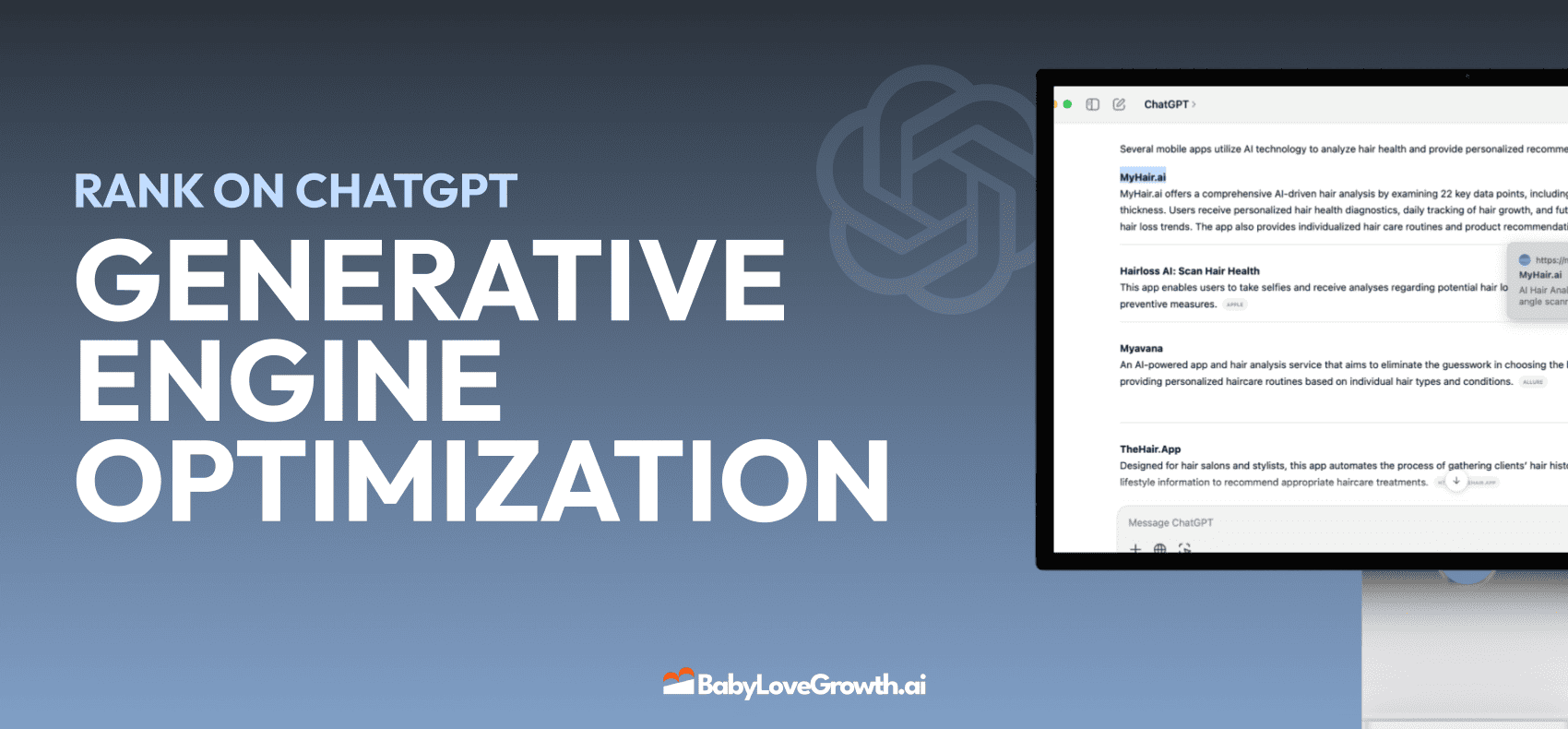
Generative Engine Optimization (GEO)
Learn how Generative Engine Optimization (GEO) helps your content rank in AI search engines like ChatGPT and Google AI. This comprehensive guide explains the differences between SEO and GEO, why it matters for your business, and practical steps to implement GEO strategies for better visibility in AI-generated responses.
DylenJan 18, 2025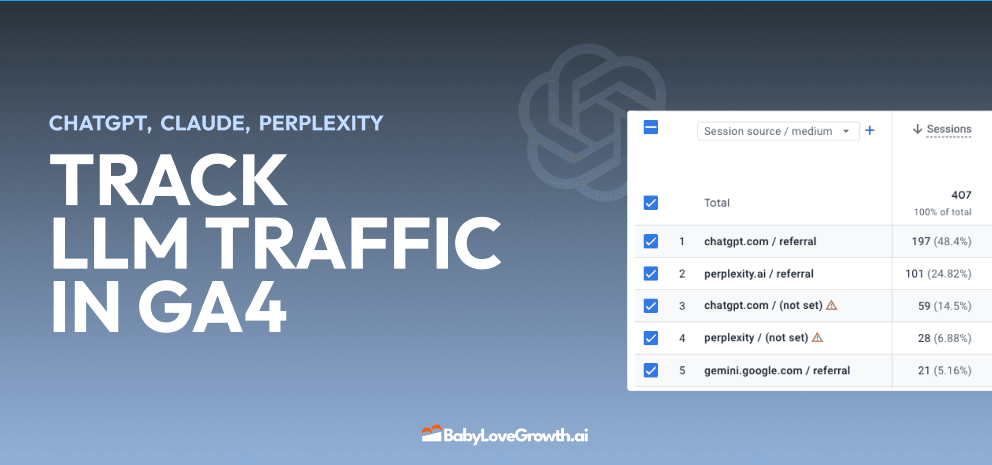
Track LLM Traffic in Google Analytics 4 (GA4)
Learn how to track and analyze traffic from AI sources like ChatGPT, Claude, Perplexity, and Google Gemini in Google Analytics 4. This step-by-step guide shows you how to set up custom filters to monitor AI-driven traffic and make data-driven decisions for your content strategy.
DylenMar 18, 2025
How to Humanize AI Text with Instructions
Learn practical techniques to make AI-generated content sound more natural and human. This guide covers active voice, direct addressing, concise writing, and other proven strategies to transform robotic text into engaging content.
DylenApril 7, 2025
Open AI Revenue and Statistics (2024)
Comprehensive analysis of OpenAI financial performance, user engagement, and market position in 2023. Discover key statistics including $20B valuation, $1B projected revenue, and 100M+ monthly active users.
DylenOctober 03, 2025