Organic Traffic: Why It Matters for Modern SEO


Most American SEO teams still underestimate the complexity of organic traffic, even as its share of total website visits now exceeds 53 percent worldwide. For SEO professionals balancing global clients and advanced AI tools, understanding the real drivers of organic growth matters more than ever. This article clarifies what sets organic traffic apart from paid channels, exposes persistent misconceptions, and highlights why strategic content planning is crucial for sustainable search visibility.
Table of Contents
- Organic Traffic Defined And Common Misconceptions
- Types Of Organic Traffic Across Search Platforms
- How Organic Traffic Works In Seo And Content
- Key Benefits And Practical Implications For Brands
- Risks, Challenges, And Common Mistakes
Key Takeaways
| Point | Details |
|---|---|
| Understanding Organic Traffic | Organic traffic is generated through unpaid search results and requires strategic planning and quality content development. |
| Benefits Over Paid Traffic | Organic traffic offers cost-effective customer acquisition and long-term sustainability compared to paid methods. |
| Continuous Optimization Required | Ongoing monitoring and adaptation to algorithm changes are essential for maintaining visibility in organic search results. |
| Common Risks to Avoid | Keyword manipulation and generic content can harm search rankings; focus on quality and genuine user intent to succeed. |
Organic Traffic Defined and Common Misconceptions
Organic traffic represents website visitors arriving through unpaid search engine results, generated naturally by search algorithms without direct advertising expenditure. Organic search results are algorithmically generated listings that appear on search engine results pages, distinguishing themselves from paid advertisements.
Understanding organic traffic requires dispelling several prevalent misconceptions. Many digital marketers mistakenly believe organic traffic happens automatically or requires minimal effort. In reality, generating consistent organic traffic demands strategic planning, high-quality content development, and sophisticated search engine optimization techniques. Organic search results rely on complex algorithms that evaluate website relevance, authority, and user engagement metrics.
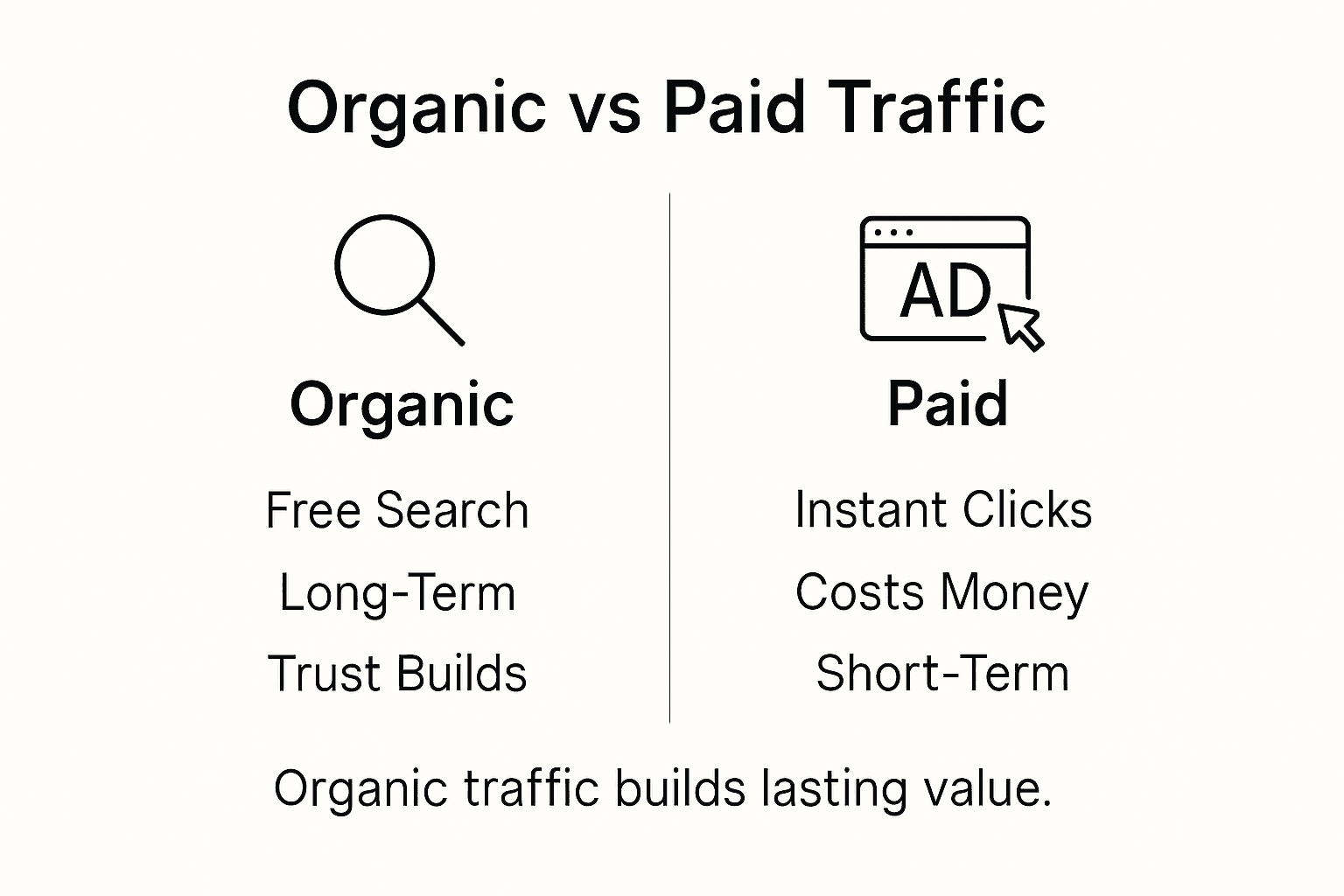
The core distinction between organic and paid traffic lies in user acquisition methods. While paid advertising delivers immediate visibility through financial investment, organic SEO involves optimizing website content to naturally attract search engine users. Successful organic traffic strategies prioritize creating valuable, authoritative content that addresses specific user queries, ultimately building long-term digital credibility.
Here's a summary comparing organic and paid traffic characteristics:
| Aspect | Organic Traffic | Paid Traffic |
|---|---|---|
| Cost | No direct cost per visit | Each click requires payment |
| Visibility Speed | Gradual increase over time | Immediate improved visibility |
| Sustainability | Long-term, steady growth | Stops when payments stop |
| User Trust | Higher, seen as unbiased | Lower, can be perceived as ads |
| Maintenance Effort | Ongoing content and SEO updates | Regular budget and ad management |
Pro tip: Focus on creating comprehensive, user-focused content that directly answers specific search queries, as search engines increasingly prioritize intent-matching and user experience.
Types of Organic Traffic Across Search Platforms
Organic traffic sources span multiple digital platforms, each offering unique pathways for user engagement and website visibility. Modern search ecosystems include traditional web search engines like Google and Bing, as well as specialized vertical search platforms that cater to specific content types such as images, videos, and academic research.
The primary categories of organic traffic encompass several distinct channels. Web search traffic represents the most common type, where users discover websites through generic search queries. Image search traffic attracts visual content creators, while video search traffic provides opportunities for multimedia publishers. Specialized platforms demonstrate varying user engagement patterns, with each source presenting unique conversion potential and audience characteristics.
Beyond traditional search engines, emerging platforms like social media search functions and AI-powered discovery tools are expanding the organic traffic landscape. Platforms such as YouTube, Pinterest, and increasingly, AI search assistants, generate significant organic traffic by matching user intent with relevant content. This diversification means digital marketers must develop nuanced strategies that optimize content across multiple discovery channels, not just traditional web search.
Pro tip: Develop platform-specific content strategies that align with each search platform's unique algorithmic preferences and user behaviors to maximize organic traffic potential.
How Organic Traffic Works in SEO and Content
SEO enables search engines to effectively crawl and rank website content through a complex algorithmic process that evaluates multiple performance indicators. The fundamental mechanism of organic traffic generation involves creating high-quality, relevant content that matches user search intent and demonstrates expertise within specific subject domains.
The technical components of organic traffic optimization include strategic keyword research, precise content structuring, and developing authoritative website architecture. Implementing keywords strategically across page titles, URLs, meta descriptions, and content body signals to search engines the relevance and depth of a website's information. This systematic approach helps websites achieve higher rankings in search results, ultimately driving more natural, unpaid traffic to their pages.

Successful organic traffic strategies require continuous monitoring and adaptive optimization. Search algorithms constantly evolve, demanding that digital marketers remain flexible and responsive to changing ranking criteria. Modern SEO practitioners must balance technical optimization with genuine user value, creating content that simultaneously satisfies search engine algorithms and provides meaningful information to human readers.
Pro tip: Develop a consistent content optimization workflow that includes regular keyword research, performance tracking, and iterative content refinement to maintain competitive organic search visibility.
Key Benefits and Practical Implications for Brands
Organic traffic represents a transformative strategy for brands seeking sustainable digital growth, delivering measurable advantages beyond traditional marketing approaches. By attracting users through genuine, earned search visibility, brands can establish deeper connections with their target audiences, building trust and credibility through authentic content that directly addresses user needs and search intent.The economic implications of organic traffic are significant. Cost-effective customer acquisition becomes possible as brands invest in high-quality content rather than continuous paid advertising spending. Research demonstrates that organic traffic generates more dedicated visitors with higher conversion potential, creating a more sustainable and predictable marketing ecosystem. Companies leveraging organic strategies typically experience lower customer acquisition costs and more stable long-term audience engagement.
Strategic organic traffic development requires a holistic approach that combines technical optimization, content quality, and consistent audience understanding. Brands must develop comprehensive content strategies that not only satisfy search engine algorithms but also provide genuine value to their target demographics. This means creating informative, authoritative content that answers user questions, solves problems, and establishes the brand as a thought leader in its respective industry.
Pro tip: Implement a data-driven content strategy that tracks user engagement metrics, continuously refines keyword targeting, and prioritizes user experience to maximize organic traffic performance.
Risks, Challenges, and Common Mistakes
Organic traffic strategies face complex challenges that can undermine digital marketing efforts, requiring strategic navigation and proactive risk management. Digital marketers must recognize that organic search success involves more than simply creating content, demanding a nuanced understanding of evolving search engine algorithms and user behavior patterns.
Several critical risks can derail organic traffic optimization initiatives. Keyword manipulation and low-quality content production represent significant threats to search rankings. Websites frequently encounter challenges related to technical SEO factors, including site crawlability and structural optimization, which can dramatically impact search visibility. Common mistakes include neglecting mobile responsiveness, producing generic content, and failing to align content with specific user search intents.
The dynamic nature of search engine algorithms requires continuous adaptation and learning. Emerging technologies like AI-powered search summaries and machine learning ranking systems are transforming organic traffic acquisition strategies. Digital marketers must remain agile, developing flexible content approaches that balance technical optimization with genuine user value, while staying alert to potential algorithmic changes that could suddenly disrupt existing search rankings.
The following table highlights common risks and solutions for organic traffic strategies:
| Challenge | Potential Impact | Recommended Solution |
|---|---|---|
| Keyword manipulation | Decreased rankings, penalties | Focus on natural keyword placement |
| Poor mobile responsiveness | Reduced mobile traffic | Optimize all content for mobile |
| Generic, low-quality content | Low engagement, high bounce rate | Invest in unique, authoritative content |
| Ignoring algorithm updates | Sudden loss of visibility | Monitor and adapt to algorithm changes |
| Weak site structure | Crawl issues, poor ranking | Improve technical SEO and navigation |
Pro tip: Develop a comprehensive SEO monitoring system that tracks ranking fluctuations, analyzes algorithm updates, and enables rapid content adjustments to maintain organic search performance.
Unlock Lasting Organic Traffic Growth With AI-Powered SEO
The article highlights key challenges in mastering organic traffic such as creating high-quality content, aligning with evolving search engine algorithms, and sustaining long-term visibility. If you have struggled with complex SEO strategies, persistent algorithm changes, or maintaining consistent content optimization to naturally boost your brand’s online presence you are not alone. Terms like "keyword research," "content optimization," and "technical SEO" underscore the demanding nature of today’s organic traffic landscape.
Babylovegrowth.ai offers a powerful solution that addresses these exact pain points by combining AI-driven automation with expert SEO practices. Our platform delivers daily SEO articles, automated keyword discovery, structured data markup, and backlink building to help you elevate your search rankings across Google and emerging AI search engines like ChatGPT. You can build a streamlined organic content plan with measurable results and reduced manual effort.
Take control of your brand’s organic growth now by exploring how automated tools and data-driven strategies can transform your SEO approach.
Discover AI SEO Solutions at Babylovegrowth.aiExplore Automated Keyword and Content Planning
Optimize Your Website Structure and Backlink Profile

Ready to master modern SEO and generate sustainable organic traffic that builds long-term trust and engagement? Visit https://babylovegrowth.ai to get started today and unlock the full potential of your digital presence.
Frequently Asked Questions
What is organic traffic?
Organic traffic refers to visitors who arrive at a website through unpaid search engine results, without direct advertising costs.
How does organic traffic differ from paid traffic?
Organic traffic is generated through search engine optimization and takes time to build, while paid traffic provides immediate visibility through financial investment and stops when payments cease.
Why is organic traffic important for SEO?
Organic traffic is crucial for SEO as it establishes long-term visibility and credibility by attracting users through valuable, relevant content, ultimately leading to higher trust and conversions.
What are common mistakes that can negatively impact organic traffic?
Common mistakes include keyword manipulation, neglecting mobile responsiveness, creating generic content, ignoring algorithm updates, and having a weak site structure, all of which can result in decreased visibility and engagement.
Recommended
Smart SEO,
Faster Growth!
Most Read Articles
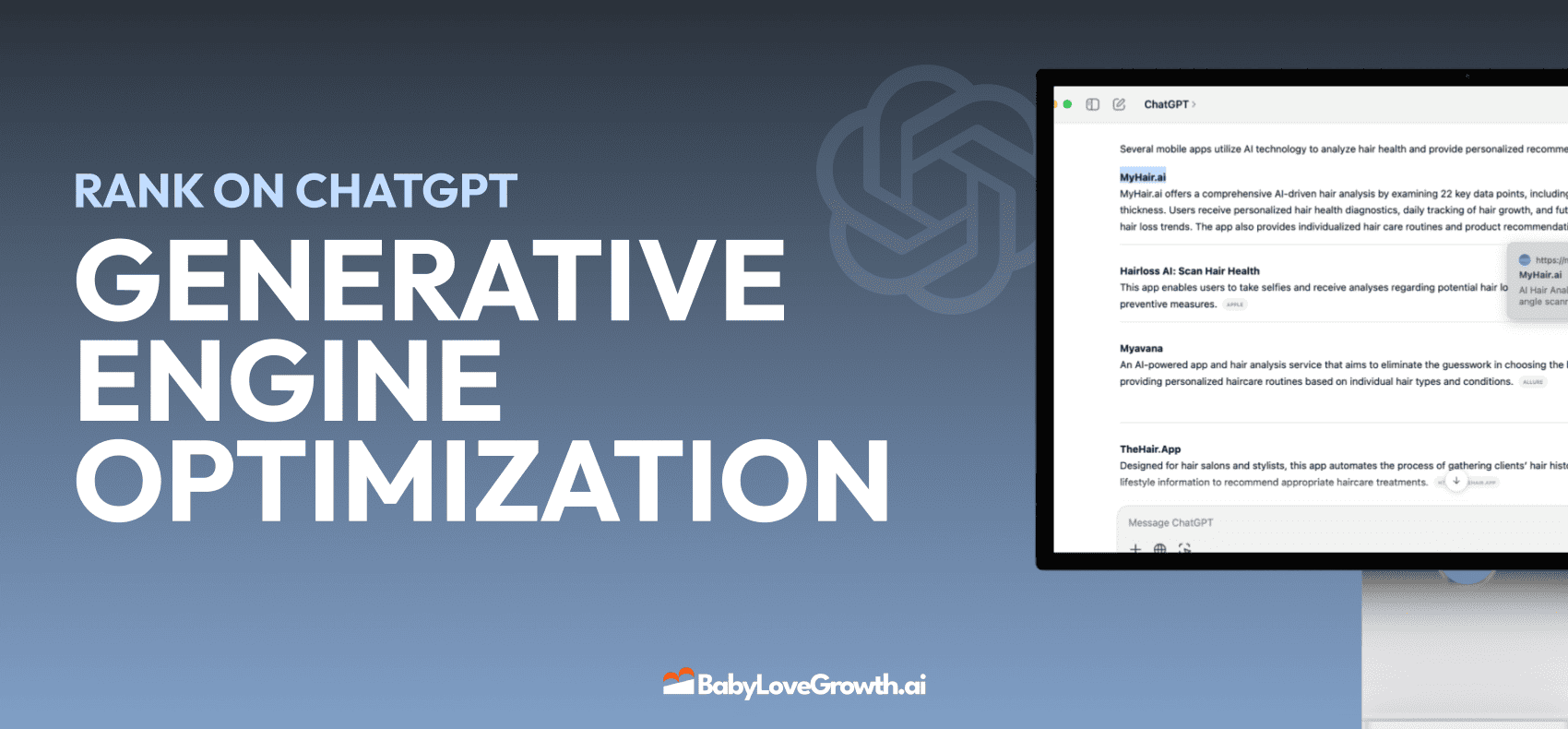
Generative Engine Optimization (GEO)
Learn how Generative Engine Optimization (GEO) helps your content rank in AI search engines like ChatGPT and Google AI. This comprehensive guide explains the differences between SEO and GEO, why it matters for your business, and practical steps to implement GEO strategies for better visibility in AI-generated responses.
DylenJan 18, 2025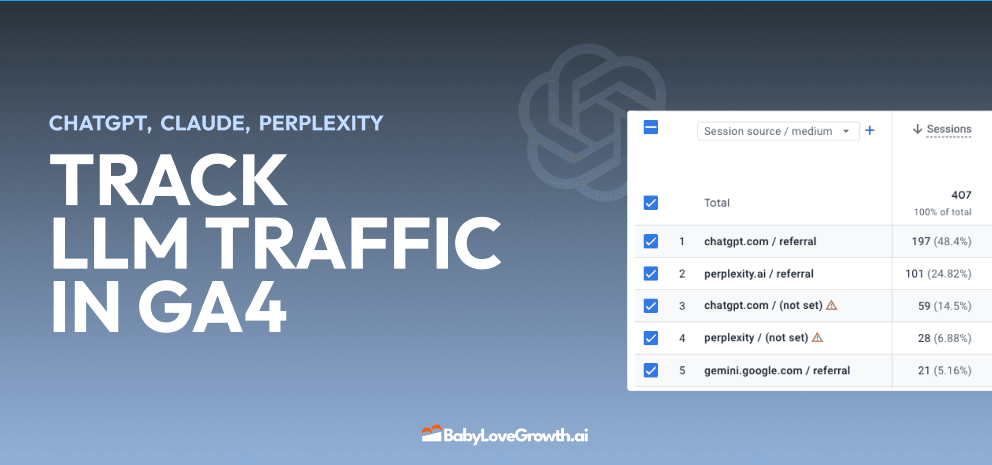
Track LLM Traffic in Google Analytics 4 (GA4)
Learn how to track and analyze traffic from AI sources like ChatGPT, Claude, Perplexity, and Google Gemini in Google Analytics 4. This step-by-step guide shows you how to set up custom filters to monitor AI-driven traffic and make data-driven decisions for your content strategy.
DylenMar 18, 2025
How to Humanize AI Text with Instructions
Learn practical techniques to make AI-generated content sound more natural and human. This guide covers active voice, direct addressing, concise writing, and other proven strategies to transform robotic text into engaging content.
DylenApril 7, 2025
Open AI Revenue and Statistics (2024)
Comprehensive analysis of OpenAI financial performance, user engagement, and market position in 2023. Discover key statistics including $20B valuation, $1B projected revenue, and 100M+ monthly active users.
DylenOctober 03, 2025