Organic Search Engine Optimization: Complete Guide


Most american businesses rely on search engines to reach their customers, yet only about 35 percent of websites ever see meaningful organic traffic. With so much competition, standing out calls for more than luck or guesswork. Understanding organic search engine optimization helps you attract the right visitors without spending on ads. This article reveals strategies and common pitfalls so you can build lasting visibility that actually drives results.
Table of Contents
- Defining Organic Search Engine Optimization
- How Search Engines Rank Websites
- Key On-Page SEO Strategies Explained
- Effective Content and Backlink Techniques
- Common Pitfalls and How to Avoid Them
Key Takeaways
| Point | Details |
|---|---|
| Understanding Organic SEO | Organic SEO improves website visibility in search results without paid advertising, focusing on high-quality content and user engagement. |
| Key Ranking Factors | Search engines assess content quality, relevance, and user experience to determine rankings; critical signals include page speed and mobile responsiveness. |
| On-Page Optimization Tactics | Effective on-page SEO involves keyword optimization, compelling title tags, and a clean site structure to enhance search engine performance. |
| Avoiding Common Pitfalls | Businesses should steer clear of keyword stuffing, low-quality backlinks, and neglecting content freshness to maintain strong SEO performance. |
Defining Organic Search Engine Optimization
Organic search engine optimization (SEO) represents the strategic process of naturally improving a website's visibility in search engine results without utilizing paid advertising. Unlike paid search strategies, organic SEO focuses on earning rankings through high-quality content, relevant keywords, and authoritative backlinks that genuinely meet user search intent.
At its core, organic SEO involves creating content that naturally attracts search engine algorithms and user engagement. Organic website traffic emerges from unpaid search results, where websites earn their position based on relevance, quality, and user experience. This approach contrasts sharply with paid search methods, which require direct financial investment to secure top positioning.
The fundamental principles of organic SEO include developing comprehensive, valuable content, optimizing website structure, improving page loading speeds, ensuring mobile responsiveness, and building high-quality backlinks from reputable sources. Organic SEO strategies prioritize long-term sustainable growth over quick but temporary ranking boosts. Successful implementation requires understanding search engine algorithms, user behavior, and continuously adapting to evolving digital marketing landscapes.
Key components of effective organic SEO involve:
- Comprehensive keyword research
- Creating high-quality, original content
- Technical website optimization
- Building authoritative backlink profiles
- Continuous performance monitoring and strategy refinement
By focusing on delivering genuine value to users and meeting search engine quality standards, businesses can achieve sustainable online visibility and attract targeted organic traffic that converts more effectively than paid alternatives.
How Search Engines Rank Websites
Search engines utilize complex algorithms to determine website rankings, evaluating multiple sophisticated factors that assess content quality, relevance, and overall user experience. What is Google Ranking depends on intricate computational processes that analyze hundreds of signals to determine a website's position in search results.

The core ranking mechanism involves several critical components. Page relevance emerges as a primary factor, where search engines analyze content's alignment with user search queries. Algorithms meticulously examine keyword usage, content depth, semantic relationships, and contextual understanding. Researchers have developed advanced page ranking methodologies that go beyond simple keyword matching, incorporating sophisticated semantic analysis and machine learning techniques.
Key ranking signals include:
- Content quality and comprehensiveness
- Website loading speed
- Mobile responsiveness
- User engagement metrics
- Backlink profile and domain authority
- Content freshness and update frequency
- Technical website structure
Search engines like Google continuously refine their ranking algorithms to prioritize websites that deliver genuine value. They track user behavior signals such as click-through rates, time spent on page, and bounce rates to assess content relevance and quality. Websites that consistently provide informative, well-structured content and demonstrate strong user engagement tend to achieve higher search rankings.
The ranking process is dynamic and complex. Modern search engines employ machine learning algorithms that adapt and evolve, learning from user interactions to improve search result accuracy. By understanding these intricate ranking mechanisms, businesses can develop strategic approaches to improve their online visibility and attract targeted organic traffic.
Key On-Page SEO Strategies Explained
On-page SEO represents the strategic optimization of individual web pages to improve search engine rankings and attract targeted organic traffic. On-page SEO tactics encompass a comprehensive approach to enhancing both content quality and technical website elements that directly influence search engine performance.
Keyword optimization remains a critical component of effective on-page strategies. Keyword research involves identifying and strategically integrating relevant search terms that align with user intent. Practical on-page SEO techniques require careful placement of keywords in critical areas such as page titles, headers, meta descriptions, and throughout the content in a natural, contextually appropriate manner.
Key on-page SEO elements include:
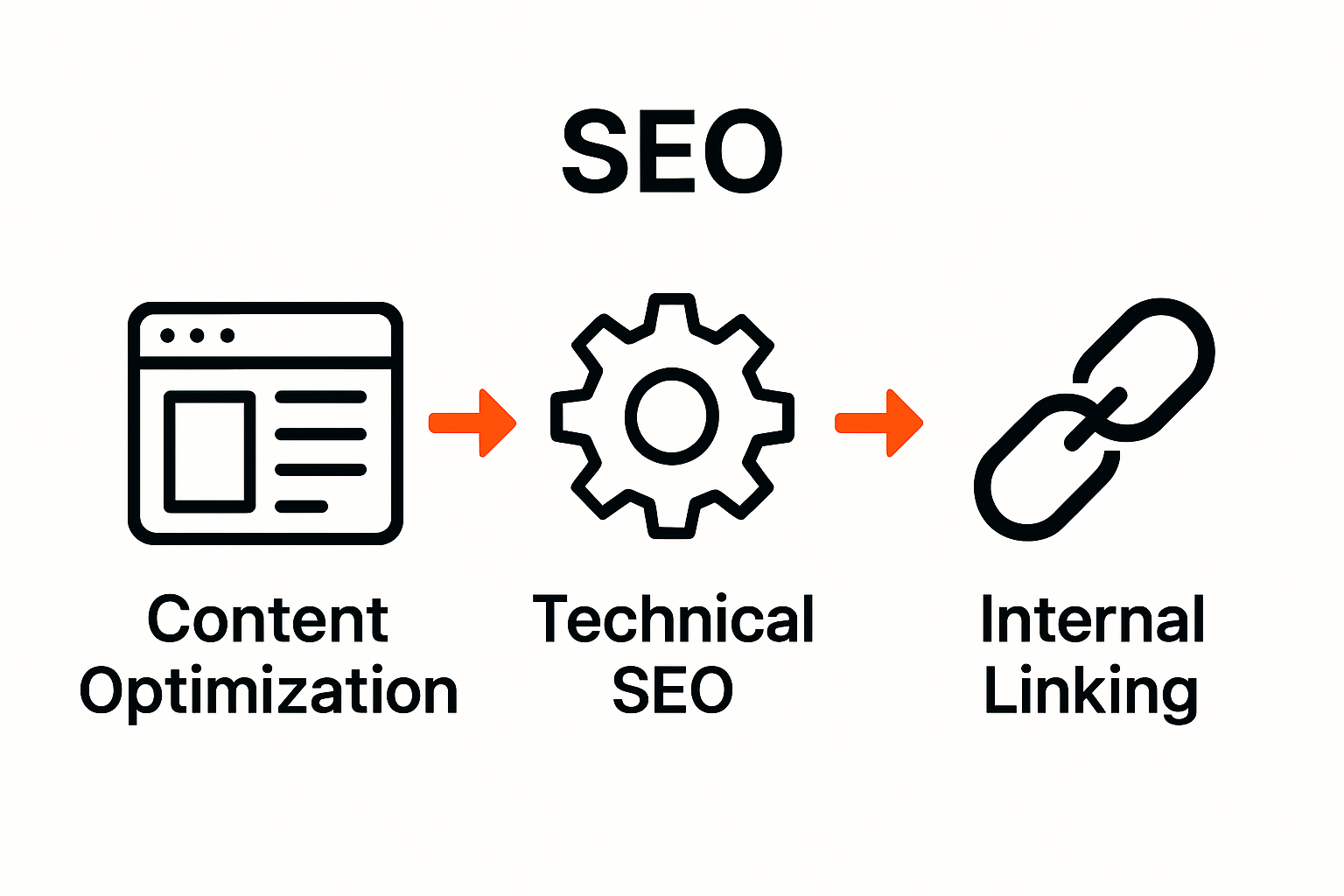
- Compelling and descriptive title tags
- Optimized meta descriptions
- Header tag hierarchy (H1, H2, H3)
- Internal linking structure
- Content relevance and depth
- Image alt text optimization
- URL structure and readability
Technical aspects play an equally crucial role in on-page optimization. Website loading speed, mobile responsiveness, secure connections (HTTPS), and clean HTML structure significantly impact search engine rankings. Content quality remains paramount - search engines prioritize comprehensive, well-researched materials that provide genuine value to users, addressing their specific questions and needs with authoritative information.
Successful on-page SEO requires a holistic approach that balances technical optimization with high-quality, user-focused content. By implementing these strategies systematically, websites can improve their visibility, attract more targeted traffic, and establish stronger connections with their intended audience.
Effective Content and Backlink Techniques
Content and backlink strategies form the cornerstone of successful organic search engine optimization, requiring a nuanced approach that balances high-quality content creation with strategic link building. Natural backlinks emerge organically when websites produce compelling, valuable content that genuinely serves user needs and attracts authentic reference from other authoritative sources.
Backlink acquisition involves creating content so exceptional that other websites naturally want to reference it. Strategic link building requires understanding different types of backlinks and their potential impact on search engine rankings. Effective techniques focus on generating content that provides unique insights, comprehensive research, or innovative solutions to complex problems within specific industries.
Key content and backlink strategies include:
- Creating in-depth, original research papers
- Developing comprehensive industry guides
- Producing data-driven infographics
- Crafting detailed case studies
- Writing authoritative how-to tutorials
- Generating multimedia content
- Engaging in expert interviews and collaborative content
Successful backlink generation requires a multifaceted approach that prioritizes content quality over quantity. Websites must focus on producing materials that demonstrate expertise, provide actionable insights, and address specific user challenges. Technical considerations like content relevance, domain authority, and contextual alignment play crucial roles in determining the effectiveness of backlink strategies.
By implementing a strategic approach that combines exceptional content creation with targeted outreach, businesses can develop a robust backlink profile that significantly enhances their organic search visibility and establishes their authority within their respective industries.
Common Pitfalls and How to Avoid Them
Organic search engine optimization presents numerous challenges that can derail even the most well-intentioned digital marketing strategies. Understanding and anticipating these potential obstacles is crucial for maintaining effective SEO performance. Sandbox effect represents one such complex phenomenon where new websites experience unexpected ranking limitations, requiring strategic navigation and patience.
SEO strategy risks emerge from multiple sources, including technical mistakes, content quality issues, and misaligned optimization techniques. Common pitfalls include keyword stuffing, low-quality backlinks, duplicate content, and neglecting technical website elements. Businesses often make critical errors by prioritizing search engine algorithms over genuine user experience, a approach that modern search engines increasingly penalize.
Key SEO pitfalls to avoid:
- Keyword overcrowding and unnatural language
- Purchasing low-quality backlinks
- Neglecting mobile website optimization
- Creating thin or duplicated content
- Ignoring page loading speed
- Failing to update content regularly
- Overlooking internal linking strategies
Technical optimization requires a nuanced approach that balances algorithmic requirements with authentic user value. Websites must develop comprehensive strategies that prioritize content quality, technical performance, and genuine user engagement. Artificial optimization techniques demonstrate the complexity of modern search ranking systems, emphasizing the need for intelligent, adaptive SEO approaches that go beyond traditional optimization methods.
Successful SEO demands continuous learning, strategic adaptation, and a commitment to providing exceptional value. By understanding potential pitfalls and implementing proactive mitigation strategies, businesses can develop robust online presences that effectively attract and retain targeted organic traffic.
Master Organic SEO with AI-Powered Precision
Struggling to navigate complex organic SEO strategies and avoid common pitfalls like keyword stuffing or thin content The article highlights that effective organic SEO requires detailed keyword research, high-quality content, technical optimization, and strong backlink profiles. These tasks can feel overwhelming but are essential for sustained growth and better search engine rankings.
At Babylovegrowth.ai, we simplify this journey by automating your SEO efforts with AI-driven solutions that deliver optimized content and strategic backlink exchanges. Our platform provides a 30-day personalized content plan to keep your website fresh and authoritative while helping you build genuine backlinks naturally. This approach aligns perfectly with proven organic SEO strategies and practical on-page SEO techniques discussed in the guide.
Experience how automation can elevate your search rankings and increase targeted traffic by visiting Babylovegrowth.ai today.
Ready to leave behind outdated SEO struggles and embrace a smarter, streamlined method Start your free trial now at Babylovegrowth.ai to unlock AI-optimized content and backlinks that grow your online presence effortlessly.
Frequently Asked Questions
What is organic search engine optimization?
Organic search engine optimization (SEO) is the process of improving a website's visibility in search engine results through unpaid strategies, focusing on high-quality content, relevant keywords, and authoritative backlinks.
How do search engines rank websites?
Search engines rank websites using complex algorithms that evaluate factors like content quality, relevance, website loading speed, user engagement, and backlink profiles to determine their search result position.
What are effective on-page SEO strategies?
Effective on-page SEO strategies include optimizing title tags, meta descriptions, header tags, internal linking, content relevance, image alt text, and ensuring a fast loading speed and mobile responsiveness.
How can I build high-quality backlinks for my website?
To build high-quality backlinks, create exceptional content that provides value, conduct outreach to authoritative websites, and engage in strategies like producing original research, expert interviews, and detailed guides.
Recommended
- Organic SEO Strategy 2025: Boost Traffic & Rankings
- Engine Optimization Meaning: Clear Benefits Unveiled
- Top Ways for Driving Organic Traffic in 2025
- What is Organic Traffic? Guide to Boosting Visitors
- Pursuitz - Lead generation vs. paid ads
- On-Page SEO Basics: Complete Guide for Businesses | Ibrandmedia
Smart SEO,
Faster Growth!
Most Read Articles
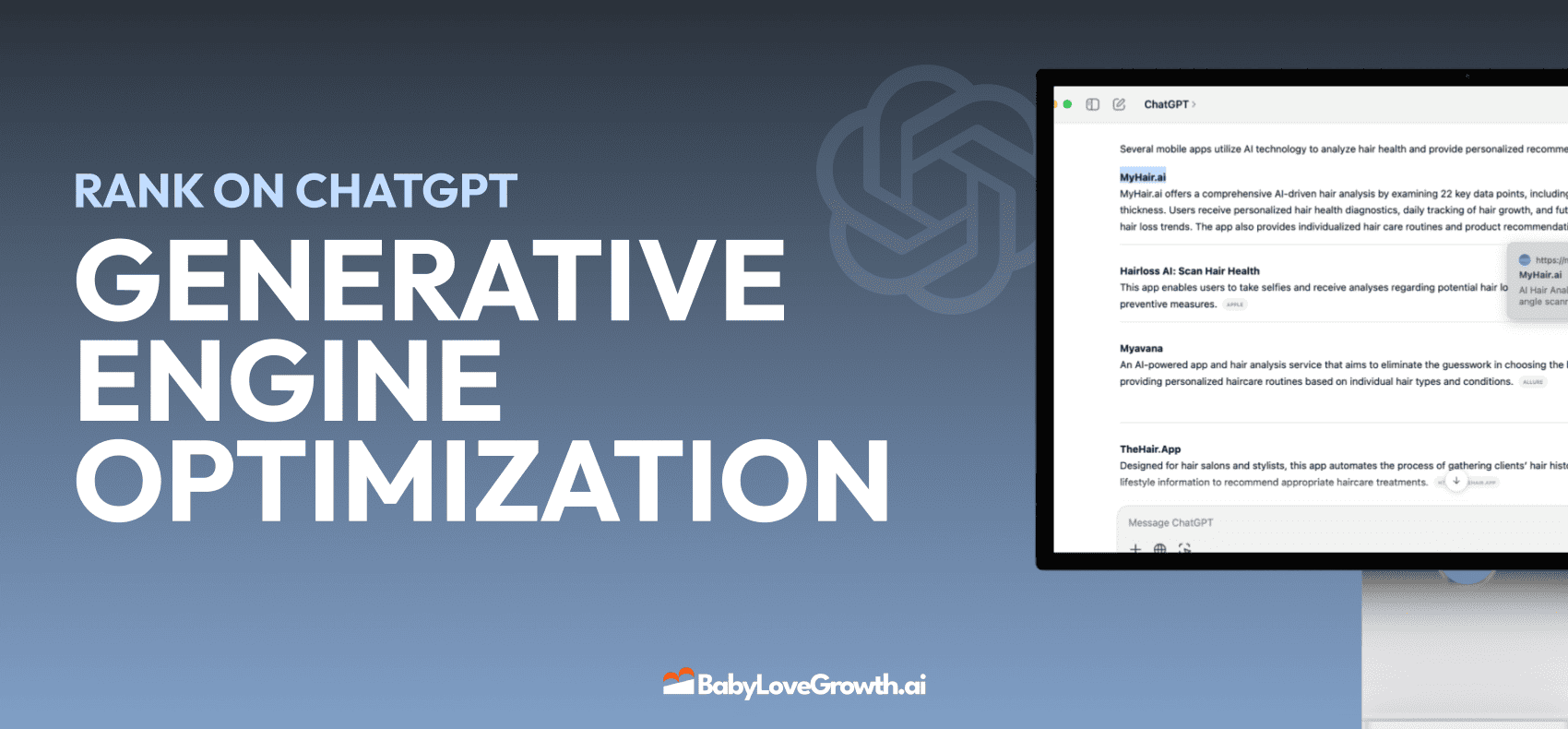
Generative Engine Optimization (GEO)
Learn how Generative Engine Optimization (GEO) helps your content rank in AI search engines like ChatGPT and Google AI. This comprehensive guide explains the differences between SEO and GEO, why it matters for your business, and practical steps to implement GEO strategies for better visibility in AI-generated responses.
DylenJan 18, 2025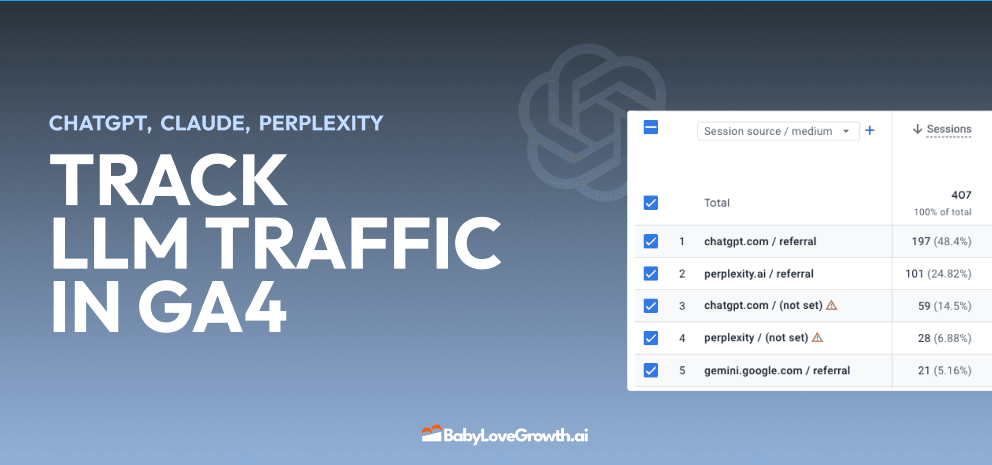
Track LLM Traffic in Google Analytics 4 (GA4)
Learn how to track and analyze traffic from AI sources like ChatGPT, Claude, Perplexity, and Google Gemini in Google Analytics 4. This step-by-step guide shows you how to set up custom filters to monitor AI-driven traffic and make data-driven decisions for your content strategy.
DylenMar 18, 2025
How to Humanize AI Text with Instructions
Learn practical techniques to make AI-generated content sound more natural and human. This guide covers active voice, direct addressing, concise writing, and other proven strategies to transform robotic text into engaging content.
DylenApril 7, 2025
Open AI Revenue and Statistics (2024)
Comprehensive analysis of OpenAI financial performance, user engagement, and market position in 2023. Discover key statistics including $20B valuation, $1B projected revenue, and 100M+ monthly active users.
DylenOctober 03, 2025