Mobile-Friendly SEO in 2026: Boost SaaS Traffic by 53%


SaaS companies are discovering that mobile optimization drives an average 53% increase in organic traffic. With Google prioritizing mobile-first indexing and AI-powered search engines evaluating user experience signals, mobile-friendliness has become the cornerstone of effective SEO strategy. This guide reveals why mobile optimization matters and how it transforms visibility, engagement, and growth for your SaaS business.
Table of Contents
- Why Mobile-Friendliness Is Critical For SEO
- User Engagement Benefits Of Mobile Optimization
- Impact On Organic Traffic And Growth
- Common Misconceptions And Pitfalls Of Mobile SEO
- Key Technical Components Of Mobile SEO For SaaS
- The Emerging Role Of Mobile SEO In AI-Powered Search
- Implementing Mobile Optimization Strategies For SaaS Businesses
- Boost Your Mobile SEO With BabyLoveGrowth.ai
- Frequently Asked Questions About Mobile-Friendly Websites
Key Takeaways
| Point | Details |
|---|---|
| Mobile-first indexing | Google ranks sites based on their mobile versions, making optimization essential for visibility. |
| User engagement impact | Mobile-friendly sites reduce bounce rates by up to 70%, increasing conversions and trial signups. |
| Traffic growth potential | SaaS businesses see an average 53% organic traffic increase after mobile optimization. |
| Technical requirements | Core Web Vitals compliance and structured data are critical for mobile SEO success. |
| AI integration advantage | Mobile optimization enhances effectiveness of AI-driven SEO tools and content ranking. |
Why Mobile-Friendliness is Critical for SEO
Google's shift to mobile-first indexing fundamentally changed how search engines evaluate websites. Your mobile site version now determines your search rankings, regardless of how polished your desktop experience might be. This isn't just about responsive design anymore.
Mobile usability directly influences where you appear in search results. Sites that load slowly on mobile devices or require excessive zooming and scrolling get pushed down in rankings. For SaaS businesses competing in crowded markets, this ranking difference translates to thousands of lost visitors monthly.
AI-driven SEO platforms depend heavily on mobile optimization data to improve results. These systems analyze user behavior signals like bounce rates, session duration, and interaction patterns. When your mobile experience falls short, AI tools receive poor quality data, limiting their ability to optimize your content strategy effectively.
The business impact is stark. Ignoring mobile friendliness leads to missed conversions, with 61% of users unlikely to return to a non-mobile-optimized site. For SaaS companies where trial signups drive growth, losing over half your potential users due to poor mobile experience devastates revenue.
Consider these critical mobile SEO factors:
- Page load speed under 3 seconds on mobile networks
- Touch-friendly navigation with adequate spacing between clickable elements
- Readable text without zooming, typically 16px minimum font size
- Optimized images that load quickly without sacrificing quality
- Mobile-specific structured data for enhanced search appearance
Pro Tip: Test your site using Google's Mobile-Friendly Test tool monthly. Small changes in mobile usability can create significant ranking fluctuations, so regular monitoring keeps you ahead of algorithm updates.
Modern search algorithms treat mobile optimization as foundational, not optional. Understanding mobile SEO strategies and implementing them systematically separates growing SaaS businesses from stagnant competitors. The Think with Google mobile site speed study demonstrates that every second of load time improvement correlates with measurable traffic gains. When you prioritize creating a mobile-friendly site, you're investing in the foundation that makes all other SEO efforts more effective.
User Engagement Benefits of Mobile Optimization
Mobile optimization transforms how users interact with your SaaS platform. Non-mobile sites face up to 70% higher bounce rates compared to mobile-optimized sites, meaning most visitors leave immediately without exploring your solution. This rapid exit signals to search engines that your content fails to meet user needs.
Improved load speeds and intuitive mobile usability dramatically increase session duration. Users who can easily navigate your pricing pages, product features, and documentation on mobile devices spend more time engaging with your content. This extended engagement sends positive signals to search algorithms, boosting your rankings organically.
Higher user engagement correlates directly with more trial signups and conversions. When potential customers can smoothly complete signup forms on mobile devices, conversion rates climb. Consider these optimization priorities:
- Simplify forms by reducing required fields to essentials only
- Implement autofill capabilities for common information like email and name
- Use large, touch-friendly buttons with clear calls to action
- Eliminate horizontal scrolling and ensure single-column layouts
- Optimize video content to load quickly and play smoothly on mobile
Mobile optimization supports AI SEO tools in measuring meaningful user behavior signals. These platforms analyze how users interact with your content, identifying patterns that indicate high-quality experiences. When mobile visitors engage deeply with your articles, tutorials, and product information, AI tools recognize this value and recommend optimizations that amplify these successful patterns.
Key engagement factors include intuitive navigation structures and fast interactive elements. Users expect instant responses when tapping buttons or links. Delays of even 200 milliseconds create frustration that compounds across the browsing session. Smooth, responsive interactions build trust and encourage users to explore deeper into your product offerings.

Pro Tip: Implement click heatmaps specifically for mobile visitors to identify friction points. You'll often discover that elements perfectly positioned on desktop create confusion on mobile, revealing optimization opportunities that directly impact website bounce rate impact and conversion metrics.
The connection between mobile usability and business growth runs deeper than surface metrics. Enhanced mobile experiences increase shareability, as satisfied users readily recommend products they can access easily on any device. This organic advocacy amplifies your AI-driven SEO strategies, creating a growth flywheel powered by genuine user satisfaction. When you examine the mobile site speed study data closely, the correlation between mobile performance and sustainable business growth becomes undeniable.
Impact on Organic Traffic and Growth
Mobile optimization creates measurable business growth that extends far beyond vanity metrics. SaaS companies see an average 53% traffic increase after optimizing their sites for mobile, representing thousands of additional qualified visitors discovering your solution monthly. This traffic surge directly impacts trial signups and recurring revenue.
Higher organic visibility drives compounding returns. When your mobile-optimized pages rank higher in search results, you capture users earlier in their buying journey. These early-stage visitors often convert at higher rates because they discover your solution through educational content rather than aggressive advertising.
The impact varies by optimization level:
| Optimization Level | Average Traffic Increase | Time to Results |
|---|---|---|
| Basic responsive design | 15-25% | 2-3 months |
| Full mobile optimization | 40-55% | 3-4 months |
| Advanced mobile SEO | 60-80% | 4-6 months |
Mobile-friendly sites improve backlink strategy effectiveness and AI content automation efficiency. When other websites link to your content, mobile-optimized pages pass more SEO value through those links. Search engines recognize that linked mobile pages deliver better user experiences, amplifying the ranking boost each backlink provides.
Traffic growth feeds into a virtuous cycle of SEO improvement. More visitors generate more engagement signals, which improve rankings, attracting even more visitors. This cycle accelerates when combined with consistent content publishing and strategic internal linking between mobile-optimized pages.
Key growth drivers include:
- Improved click-through rates from mobile search results
- Lower bounce rates signaling content quality to search algorithms
- Increased social sharing from mobile users
- Enhanced featured snippet capture rates
- Better local search visibility for location-based queries
Focusing on mobile SEO provides a cost-effective growth lever for SMB SaaS companies. Unlike paid advertising that requires ongoing spend, mobile optimization improvements compound over time. The initial investment in technical optimization and responsive design pays dividends for years through sustained organic traffic growth.
Understanding what is organic traffic helps contextualize these gains within your broader marketing strategy. Organic visitors typically have higher lifetime value than paid traffic because they discover your solution while actively seeking information. Implementing proven organic traffic strategies alongside mobile optimization creates exponential growth potential. The Think with Google traffic study confirms that businesses treating mobile optimization as strategic priority consistently outperform competitors who view it as technical afterthought.
Common Misconceptions and Pitfalls of Mobile SEO
Many SaaS businesses mistakenly believe responsive design alone solves mobile SEO challenges. While responsive frameworks ensure your site adapts to different screen sizes, true mobile optimization requires addressing speed, usability, and technical SEO factors that responsive design doesn't automatically fix.
Mobile-friendliness ranks as a primary factor in Google's mobile-first indexing algorithm. Your site can look perfect on mobile devices yet still rank poorly if page load times exceed 3 seconds or if users struggle with navigation. These performance issues directly impact your visibility in search results.
AI SEO tools depend on accurate mobile usability data for effective content ranking recommendations. When your mobile experience suffers from technical issues, AI platforms receive distorted signals about content quality, leading to suboptimal optimization suggestions that waste resources.
Page speed improvements on mobile can boost SEO rankings by up to 20%, often outweighing content changes. This statistic surprises many marketers who focus exclusively on keyword optimization while neglecting technical performance. A brilliantly written article that loads slowly on mobile will consistently underperform mediocre content on a fast mobile site.Avoid these common mobile SEO pitfalls:
- Intrusive pop-ups that block content immediately on mobile devices
- Unoptimized images consuming excessive bandwidth and slowing load times
- Text sized below 16px requiring zooming to read comfortably
- Clickable elements spaced too closely causing accidental taps
- Unplayable media formats or videos without mobile fallbacks
- Missing mobile-specific structured data for rich search results
Another misconception involves assuming mobile users want less content. Research shows mobile users engage deeply with comprehensive content when it's well formatted with short paragraphs, clear headings, and scannable structures. Dumbing down your mobile content actually reduces engagement and rankings.
Some businesses delay mobile optimization believing it's too technical or expensive. Modern tools and frameworks make mobile optimization accessible even for small teams with limited budgets. The cost of not optimizing far exceeds implementation expenses when you factor in lost traffic and conversions.
Pro Tip: Audit your mobile site quarterly using real devices, not just desktop simulators. Emulators miss subtle issues like touch responsiveness and actual load times on cellular networks that significantly impact user experience.
Understanding proper mobile-friendly site creation tips prevents these costly mistakes. Implementing SaaS SEO automation tools helps continuously monitor mobile performance and identify issues before they impact rankings. Following Google Core Web Vitals guidelines ensures your mobile optimization aligns with the specific metrics search algorithms prioritize when ranking pages.
Key Technical Components of Mobile SEO for SaaS
Core Web Vitals compliance forms the foundation of mobile SEO success. Google measures Largest Contentful Paint (LCP), First Input Delay (FID), and Cumulative Layout Shift (CLS) to evaluate page quality. Websites meeting Core Web Vitals see a 15% higher rank lift on Google, making these metrics critical for competitive SaaS markets.
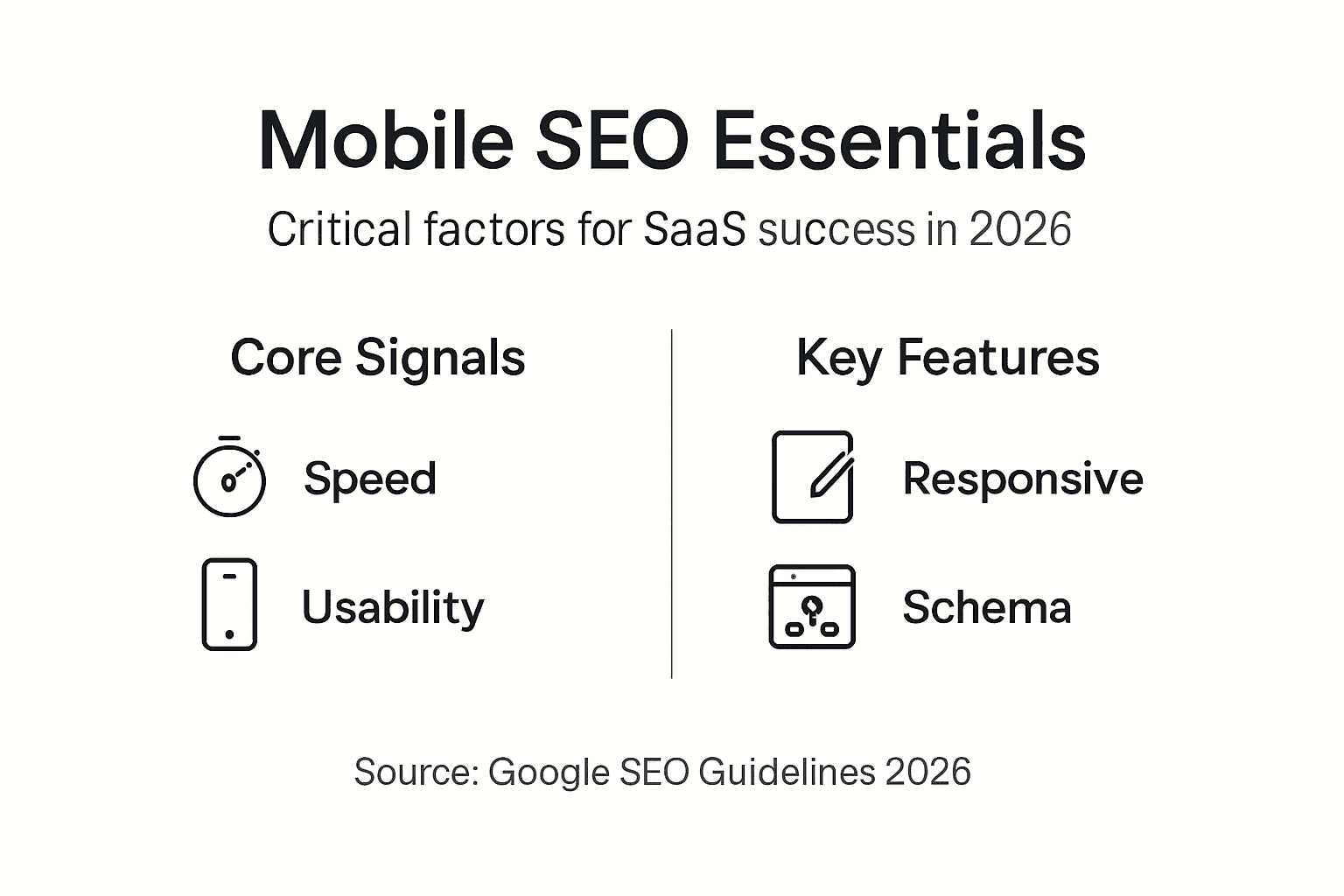
Optimized structured data improves how your content appears in mobile search results. Schema markup for articles, products, FAQs, and reviews creates rich snippets that stand out in mobile SERPs, dramatically increasing click-through rates. Mobile users scrolling quickly through results notice enhanced listings more readily than plain text results.
Minimizing intrusive interstitials enhances both usability and rankings. Google penalizes sites using pop-ups that cover main content on mobile devices, particularly immediately after users arrive from search results. Alternative approaches like inline CTAs and sticky footers convert effectively without triggering penalties.
Image optimization and fast load times are mandatory for mobile SEO. Implementing responsive images with srcset attributes, lazy loading for below-the-fold content, and modern formats like WebP reduces bandwidth consumption. Mobile users on cellular networks appreciate sites that load quickly without consuming excessive data.
Compare technical optimization approaches:
| Component | Basic Implementation | Advanced Implementation |
|---|---|---|
| Images | Compressed JPEGs | WebP with fallbacks, lazy loading |
| Fonts | Standard web fonts | Variable fonts, font-display swap |
| JavaScript | Inline scripts | Code splitting, async loading |
| CSS | Single stylesheet | Critical CSS inline, deferred loading |
| Caching | Browser cache only | Service workers, CDN integration |
Responsive design foundation combined with technical SEO maximizes performance. Your site must adapt fluidly across device sizes while maintaining fast load speeds and smooth interactions. This requires careful attention to CSS efficiency, JavaScript execution timing, and resource prioritization.
Essential technical elements include:
- Viewport meta tag properly configured for mobile scaling
- Touch-friendly tap targets minimum 48x48 pixels
- Eliminated Flash and other unsupported mobile technologies
- Mobile-accessible navigation without hover-dependent menus
- Accelerated Mobile Pages (AMP) for news and blog content
- Progressive Web App features for enhanced mobile experience
Pro Tip: Implement resource hints like preconnect and dns-prefetch for external resources your mobile site uses. These hints tell browsers to establish connections early, shaving precious milliseconds off load times that compound across page elements.
Integrating technical SEO integration with your content management system automates many optimization tasks. Proper mobile-friendly technical setup requires ongoing monitoring and adjustment as mobile devices and network speeds evolve. Following Google Core Web Vitals best practices ensures your technical foundation supports rather than hinders your content marketing efforts.
The Emerging Role of Mobile SEO in AI-Powered Search
Mobile-friendliness increasingly influences how AI-enhanced ranking algorithms evaluate content quality. Google's AI systems analyze user behavior patterns across billions of mobile searches, identifying characteristics of pages that satisfy user intent. Sites delivering excellent mobile experiences receive algorithmic boosts that compound over time.
ChatGPT's SEO ranking capabilities favor content from mobile-optimized sites when recommending resources. As AI chatbots become primary discovery channels for information, mobile usability signals help these systems identify trustworthy, user-focused content worth recommending. Your mobile optimization strategy now impacts visibility across multiple AI platforms simultaneously.
Mobile SEO enhances discoverability of AI-generated content. When you publish AI-assisted articles optimized for mobile consumption, they gain traction faster in search results. The combination of AI content efficiency and mobile optimization creates a powerful growth engine for SaaS content marketing.
AI SEO tools leverage mobile usability metrics for optimization recommendations. These platforms analyze Core Web Vitals, mobile-specific user flows, and engagement patterns to suggest improvements. The insights become more accurate and actionable as your mobile experience improves, creating a feedback loop that accelerates growth.
Key integration opportunities include:
- AI-generated content formatted specifically for mobile readability
- Automated mobile performance monitoring with AI anomaly detection
- Personalized mobile experiences driven by AI user segmentation
- Voice search optimization aligned with mobile query patterns
- AI-powered mobile UX testing identifying friction points
Integrating mobile SEO with AI tools provides future-proof growth strategies. As search engines become more sophisticated in evaluating user experience, businesses with strong mobile foundations and AI-assisted optimization will dominate organic search results. This integration separates sustainable growth from temporary ranking fluctuations.
Pro Tip: Optimize content for voice search queries, which predominantly occur on mobile devices. Voice searches tend to be longer and more conversational, requiring content that directly answers specific questions in scannable formats.
Leveraging AI-driven SEO strategies amplifies mobile optimization benefits. When you combine technical mobile excellence with AI-powered content creation and optimization, you create multiplicative rather than additive growth effects. Focusing on mobile-friendly SEO site creation positions your SaaS business to capitalize on evolving search technologies that increasingly prioritize user experience quality over traditional ranking factors.
Implementing Mobile Optimization Strategies for SaaS Businesses
Assess your current mobile usability and Core Web Vitals scores using Google Search Console and PageSpeed Insights. These free tools provide detailed reports on specific issues impacting your mobile performance. Prioritize fixes based on their impact on user experience and technical SEO metrics.
Optimize page speed, images, and structured data systematically. Start with quick wins like image compression and browser caching before tackling complex issues like JavaScript optimization. Each improvement compounds with others, creating cumulative performance gains that boost rankings.
Follow this implementation sequence:
- Audit current mobile performance using multiple testing tools and real devices
- Fix critical Core Web Vitals issues impacting LCP, FID, and CLS scores
- Implement responsive design improvements prioritizing mobile-first layouts
- Optimize images using modern formats, compression, and lazy loading
- Add mobile-specific structured data for enhanced search appearance
- Eliminate intrusive interstitials and improve mobile navigation
- Test thoroughly across devices, browsers, and network conditions
- Monitor results and iterate based on performance data
Implement responsive design improvements prioritizing accessibility. Ensure keyboard navigation works flawlessly, color contrast meets WCAG standards, and screen readers can interpret your content properly. Accessibility improvements often enhance mobile usability for all users while expanding your potential audience.
Leverage AI SEO tools that use mobile usability data for optimization recommendations. These platforms identify patterns in your mobile traffic, suggesting content improvements, technical fixes, and strategic opportunities. The insights become more valuable as you consistently implement and measure changes.
Monitor mobile SEO metrics continuously and adjust strategy based on results. Track mobile-specific metrics separately from desktop to understand device-specific performance. Set up automated alerts for sudden drops in mobile traffic or Core Web Vitals scores so you can respond quickly to issues.
Pro Tip: Create a mobile optimization roadmap with quarterly goals and monthly checkpoints. Mobile SEO isn't a one-time project but an ongoing process requiring regular attention as devices, networks, and algorithms evolve.
Understanding how to create mobile-friendly sites from the ground up prevents technical debt that hampers future optimization. Using tools to automate SEO tasks frees your team to focus on strategic improvements rather than repetitive technical maintenance. This systematic approach to mobile optimization creates sustainable competitive advantages that compound over time.
Boost Your Mobile SEO with BabyLoveGrowth.ai
Mobile optimization creates the foundation for sustainable organic growth, but implementing and maintaining best practices requires ongoing expertise and resources. BabyLoveGrowth.ai's AI-powered platform automates mobile SEO monitoring and optimization, helping SaaS businesses maximize their visibility without dedicating entire teams to technical SEO.
Our SEO Automation Platform continuously analyzes your mobile performance, identifying optimization opportunities and implementing fixes automatically. The system monitors Core Web Vitals, generates mobile-optimized content following proven content creation tips, and ensures your site maintains excellent mobile usability as algorithms evolve. By combining technical automation with AI-driven SEO strategies, we help SaaS companies achieve the 53% traffic increases that mobile optimization enables without the complexity of managing everything manually.
Frequently Asked Questions About Mobile-Friendly Websites
What's the difference between responsive design and complete mobile SEO?
Responsive design ensures your site layout adapts to different screen sizes, but complete mobile SEO includes page speed optimization, Core Web Vitals compliance, mobile-specific structured data, and usability factors like touch-friendly navigation. You need both responsive design and technical optimization for maximum results.
How do mobile SEO and AI SEO automation tools work together?
AI SEO tools analyze mobile usability data to generate optimization recommendations, identify content opportunities, and predict ranking potential. When your mobile experience improves, these tools receive higher quality signals, producing more accurate insights that accelerate growth. The relationship is synergistic.
What measurable improvements can I expect after mobile optimization?
Typically, SaaS businesses see 40-55% organic traffic increases within three to four months of implementing comprehensive mobile optimization. You'll also notice reduced bounce rates, longer session durations, and improved conversion rates as mobile user experience enhances.
How should SaaS startups prioritize mobile SEO improvements?
Start with Core Web Vitals compliance and basic responsive design, then optimize images and eliminate intrusive pop-ups. These foundational improvements deliver the biggest initial impact. Next, add mobile-specific structured data and refine navigation based on user behavior analysis. Build systematically rather than trying to fix everything simultaneously.
Does mobile optimization really matter if my users are primarily desktop?
Yes, because Google uses mobile-first indexing for all sites regardless of your actual traffic mix. Your mobile site version determines your rankings even for desktop searches. Additionally, mobile usage continues growing across all industries, so optimizing now prepares you for inevitable traffic shifts.
Recommended
Smart SEO,
Faster Growth!
Most Read Articles
Generative Engine Optimization (GEO)
Learn how Generative Engine Optimization (GEO) helps your content rank in AI search engines like ChatGPT and Google AI. This comprehensive guide explains the differences between SEO and GEO, why it matters for your business, and practical steps to implement GEO strategies for better visibility in AI-generated responses.
DylenJan 18, 2025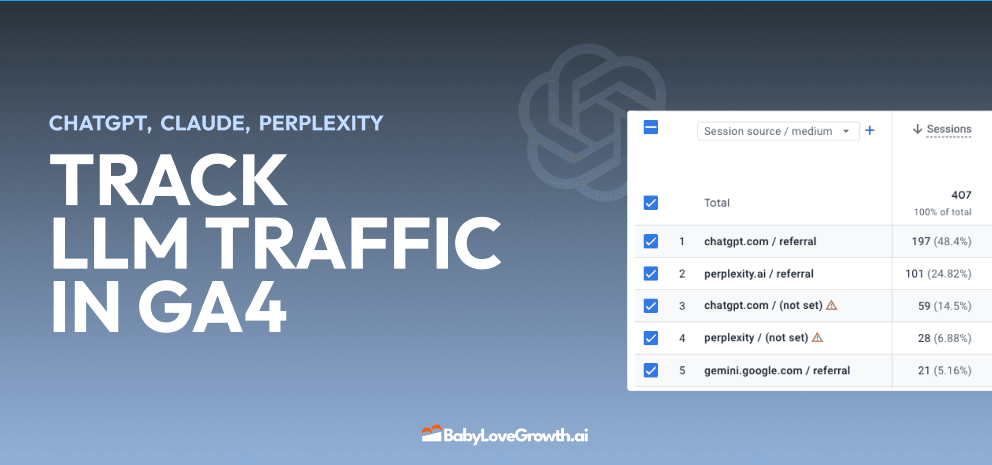
Track LLM Traffic in Google Analytics 4 (GA4)
Learn how to track and analyze traffic from AI sources like ChatGPT, Claude, Perplexity, and Google Gemini in Google Analytics 4. This step-by-step guide shows you how to set up custom filters to monitor AI-driven traffic and make data-driven decisions for your content strategy.
DylenMar 18, 2025
How to Humanize AI Text with Instructions
Learn practical techniques to make AI-generated content sound more natural and human. This guide covers active voice, direct addressing, concise writing, and other proven strategies to transform robotic text into engaging content.
DylenApril 7, 2025
Open AI Revenue and Statistics (2024)
Comprehensive analysis of OpenAI financial performance, user engagement, and market position in 2023. Discover key statistics including $20B valuation, $1B projected revenue, and 100M+ monthly active users.
DylenOctober 03, 2025