6 Link Building Strategies List for SEO Specialists


Getting quality backlinks is one of the biggest hurdles for websites trying to improve their search rankings. Random outreach rarely works, and wasting time on low-value sites leaves you frustrated and stuck. If you want lasting results, you need reliable strategies that actually earn links from trusted and relevant sources.
This list gives you clear, step-by-step approaches used by experienced SEO professionals. You will discover how to target authoritative domains, secure guest post placements, and build real relationships that naturally lead to high-impact backlinks. Each method is designed to deliver genuine results you can count on for real SEO growth.
Ready to learn practical link building tactics that work? The insights ahead show you exactly where to focus your efforts for the strongest and most trustworthy backlink profile.
Table of Contents
- 1. Identify High-Authority Domains For Outreach
- 2. Leverage Guest Posting On Relevant Sites
- 3. Build Valuable Relationships For Backlinks
- 4. Utilize Broken Link Building Tactics
- 5. Amplify Content Through Social Sharing
- 6. Adopt Automated Link Building Tools
Quick Summary
| Key Insight | Explanation |
|---|---|
| 1. Target High-Authority Domains | Focus your outreach on .gov, .edu, and trusted industry sites for powerful backlinks. |
| 2. Leverage Guest Posting | Write quality content for relevant sites to gain backlinks and exposure to new audiences. |
| 3. Build Genuine Relationships | Cultivate connections with industry influencers for more natural and valuable backlinks. |
| 4. Utilize Broken Link Building | Find and replace broken links on authoritative sites with your content to earn backlinks. |
| 5. Implement Social Sharing Strategies | Share your content actively on social platforms to increase visibility and attract backlinks. |
1. Identify High-Authority Domains for Outreach
High-authority domains are the holy grail of link building. These are websites with established credibility, strong search rankings, and significant influence in their industries.
When you secure links from these domains, search engines interpret those links as votes of confidence. This means your site gets a bigger ranking boost compared to links from newer or less-trusted websites.
What Makes a Domain High-Authority?
Authority isn't random. It builds over time through consistent quality content, user engagement, and trustworthiness. Link building from authoritative sources provides substantially more SEO value than scattered, low-quality links.
The best candidates for outreach typically fall into these categories:
- Government websites (.gov domains)
- Educational institutions (.edu domains)
- Industry-leading organizations with established reputations
- News outlets and publications in your niche
- Established resource sites with large followings
High-authority links carry more weight in search algorithms because they come from trusted sources that already have proven credibility and audience reach.
How to Find These Domains
You don't need to guess which sites are authoritative. Several concrete signals reveal domain strength. Look at metrics like Domain Authority, backlink profiles, search visibility, and social media presence.
Check competitor backlink profiles using SEO tools. See which high-authority sites are already linking to similar content in your industry. If competitors earned links from a domain, that domain is worth pursuing.
Consider the root zone database managed by IANA, which recognizes trusted domain registry organizations globally. Domain extensions matter too—.gov and .edu domains inherently carry more authority than many commercial extensions.
Search for topical authority within your niche. A mid-authority site that's laser-focused on your subject area often outperforms a massive general-interest site with lower relevance.
Building Your Outreach List
Create a spreadsheet tracking potential domains by authority score, relevance, and likelihood of acceptance. Prioritize domains that align with your content and audience.
Reach out to these domains with personalized, value-first pitches. When requesting links, explain why your content specifically benefits their readers. When you work with building authority online through quality link strategies, you're playing the long game for sustainable growth.
Pro tip: Focus first on high-authority domains within your exact niche rather than pursuing massive general sites—relevance combined with authority delivers stronger ranking signals than authority alone.
2. Leverage Guest Posting on Relevant Sites
Guest posting is one of the most effective link building strategies available to SEO specialists. You create valuable content for another website, they publish it with a link back to your site, and both audiences benefit from the exposure.
This approach works because it's mutually beneficial. The host site gets fresh, quality content. Your site gains a backlink from an established domain. Their readers discover your expertise. Everyone wins.
Why Guest Posting Matters for SEO
Search engines reward backlinks from relevant, authoritative websites. Guest posts naturally generate these high-quality links because you're publishing on sites that already have credibility in your niche.
But the benefits extend beyond just link juice. Guest posting drives qualified traffic to your website. You reach audiences already interested in your industry. This targeted traffic signals to search engines that your content resonates with the right people.
Guest posting succeeds because it combines three SEO benefits at once: quality backlinks, relevant traffic, and demonstrated expertise in your field.
Finding the Right Sites for Outreach
Not all guest posting opportunities are created equal. You need to target sites with audiences that overlap with your niche and have sufficient domain authority to impact your rankings.
Start by researching competitor guest posts. Find where your competitors have published. These sites already accept guest contributions and have proven interest in your industry.
Search for relevant blogs actively accepting guest posts that match your niche and demonstrate good domain authority. Look for sites with:
- Regular blog activity and engaged readerships
- Editorial guidelines that match your content style
- Audiences that align with your target market
- Natural opportunities to include relevant links
Building a Guest Posting Campaign
Success requires proper pitch preparation and relevancy to ensure your guest posts contribute to higher quality backlinks. Start with a list of 20-30 target sites. Personalize your outreach to each editor, referencing their recent content.
Propose topics that genuinely serve their audience while showcasing your expertise. Your pitch should demonstrate you understand their site's voice and reader needs.
Once accepted, create content that delivers real value. Avoid overly promotional writing or keyword stuffing. Focus on educating and engaging their readers. Include one strategic link back to relevant content on your site, placed naturally within the article.
Pro tip: Build relationships with site editors after your first guest post succeeds—repeat opportunities with the same high-authority sites often require less effort and deliver consistent, powerful backlinks.
3. Build Valuable Relationships for Backlinks
Relationships are the foundation of sustainable link building. You can chase links all day, but the backlinks that truly matter come from genuine connections with bloggers, influencers, and content creators in your industry.
When you build real relationships, backlinks follow naturally. People link to websites they trust and respect. They promote content from creators they've built rapport with. This approach creates backlinks with significantly higher SEO value than generic outreach.
Why Relationships Matter More Than Tactics
Human connections are foundational in developing SEO backlinks. When influencers and authoritative content creators know you and trust your work, they're far more likely to link to your content or collaborate on projects.
These relationship-driven backlinks carry more weight because they're genuinely editorial. Search engines recognize links earned through real influence and credibility, not just transactional exchanges.
Backlinks gained through genuine relationships with bloggers and influencers tend to have higher SEO value because they reflect authentic endorsements rather than obligatory exchanges.
How to Build Relationships That Generate Backlinks
Start by identifying key players in your niche. Follow their work. Engage with their content on social media. Share their articles with your network and provide thoughtful comments.
Provide reciprocal value before asking for anything. This might look like:
- Sharing their content with your audience
- Engaging meaningfully on their social channels
- Offering expertise or resources that help their projects
- Introducing them to other relevant contacts
- Collaborating on webinars, interviews, or joint content
Consistent engagement builds familiarity and trust. Over time, these relationships naturally open doors for backlink opportunities.
Moving From Connections to Actual Backlinks
Once you've established genuine relationships, opportunities for backlinks emerge organically. You might get mentioned in roundup posts. They might cite your research. They could invite you to contribute to their projects.
When you do reach out for a link or collaboration, it feels like a natural next step, not a cold pitch. Your previous engagement has already demonstrated your credibility.
Remember that backlinks gained through sustained engagement and professional networking enhance backlink quality and audience reach far more effectively than any one-off outreach campaign.
Invest time in nurturing relationships through content sharing, social interaction, and providing genuine value. The backlinks will follow.
Pro tip: Create a relationship tracking spreadsheet noting each influencer's recent content, engagement opportunities, and follow-up dates—consistent, strategic interaction is far more effective than sporadic outreach.
4. Utilize Broken Link Building Tactics
Broken link building is one of the most underutilized strategies in SEO. You find dead links on relevant websites, then offer your content as a replacement. It's a win-win that generates high-quality backlinks while helping other sites fix their problems.
This tactic works because you're solving a real problem for webmasters. They appreciate the heads up about broken links on their sites. You get a valuable backlink. Both sides benefit from the exchange.
How Broken Link Building Works
Broken links are the hidden gold mines of link building. They appear on established websites that already have domain authority, but they point to content that no longer exists. Search engines penalize broken links, so webmasters actually want to fix them.
Your job is to identify these broken links, then pitch your relevant content as a replacement. When done correctly, broken link building provides helpful updates to other sites while gaining backlinks that contribute to increasing domain authority.
The beauty of this approach is that you're not asking for a favor. You're offering a solution.
Broken link building succeeds because you're helping webmasters solve a real problem while earning a backlink in return.
Finding Broken Links Worth Pursuing
Not every broken link is worth your time. Focus on finding broken links on high-authority sites within your niche.
Here's how to identify opportunities:
- Competitor analysis to find sites linking to similar content
- Industry resource pages with multiple external links
- Roundup articles with dated external links
- Guest post pages linking to author websites
- Partner directories and link resources
Prioritize sites with domain authority above 20 and content relevant to your industry. A broken link on an authoritative site is worth far more than 10 broken links on low-authority pages.
Executing the Broken Link Building Campaign
Once you've identified a broken link, verify it actually leads to a 404 error. Then find relevant content on your site that could serve as a replacement.
Craft a personalized outreach email addressing the webmaster. Reference the specific broken link, explain why your content makes a better replacement, and keep your pitch brief. People are busy. A two-paragraph email beats a novel every time.
When identifying broken links and offering content replacements, make sure your suggestion genuinely improves their page. The more relevant your replacement, the higher your acceptance rate.
Pro tip: Use broken link finder tools to scale this process, but always personalize your outreach—generic pitches get ignored while specific, helpful suggestions generate positive responses and accepted backlinks.
5. Amplify Content Through Social Sharing
Social sharing is the megaphone for your content. When your articles, guides, and resources get shared across social platforms, they reach far more people. More visibility means more potential backlinks, traffic, and SEO authority.
Many SEO specialists underestimate this connection. They focus solely on traditional link building and forget that social signals amplify everything else you're doing.
Why Social Sharing Matters for Link Building
Social platforms are distribution channels that rapidly increase content exposure. When your content reaches diverse audiences on Twitter, LinkedIn, Facebook, and industry forums, it has more chances to get discovered and linked to by relevant sites.
Research shows that active social media sharing of professional content correlates with higher visibility and broader dissemination. The more people see your content, the more opportunities it has to earn organic backlinks.
Integrating content marketing with social media improves SEO by expanding reach and increasing visibility, which drives organic backlinks and enhances search rankings through increased user interaction.
Content shared actively across social platforms generates higher visibility, which translates into more backlink opportunities and stronger SEO performance.
How Social Sharing Generates Backlinks
The connection between social sharing and backlinks is direct. When your content gets shared, influencers and industry leaders see it. They cite it. They link to it. They reference it in their own content.
This creates a snowball effect. More shares lead to more visibility. More visibility leads to more backlinks. More backlinks improve your rankings, which creates more opportunities for organic traffic and additional shares.
Your content needs multiple distribution channels to succeed. Consider these sharing opportunities:
- Industry-specific LinkedIn groups and communities
- Twitter discussions and hashtag conversations
- Reddit communities relevant to your niche
- Professional forums and discussion boards
- Email newsletters reaching your audience
- Influencer networks and advocacy programs
Building a Social Amplification Strategy
Don't just publish content and hope people share it. Create a deliberate sharing strategy that ensures maximum visibility.
Start by identifying who would benefit from your content. Then share it directly with those audiences. Tag relevant influencers who might be interested. Join conversations where your content provides value.
Make sharing easy by including social sharing buttons on your content. Create multiple variations of your content for different platforms. A format that works on LinkedIn might flop on Twitter.
When you promote content across social channels with strategic timing and targeting, you amplify your content's reach and increase its chances of generating both shares and backlinks from authoritative sources.
Social sharing isn't just about vanity metrics. It's a fundamental part of a comprehensive link building strategy.
Pro tip: Schedule social shares across multiple time zones and platforms over several weeks—content has a longer lifespan than most marketers realize, and strategic re-sharing reaches different audiences each time.
6. Adopt Automated Link Building Tools
Manual link building doesn't scale. If you're spending hours each week on repetitive outreach tasks, broken link searches, and competitor analysis, you're wasting time that automation could handle better.
Automated link building tools handle the heavy lifting. They monitor link opportunities, track competitor backlinks, identify outreach targets, and automate parts of your link acquisition process. This lets you focus on strategy instead of busywork.
What Automated Tools Actually Do
Automation in link building reduces manual effort while ensuring consistent practices across your campaigns. Tools monitor link health, identify broken link opportunities, track your backlink profile, and suggest new outreach targets based on competitor analysis.
Different tools handle different tasks. Some focus on internal linking optimization. Others track your backlink profile and alert you to new opportunities. Many provide outreach management features that streamline the entire process.
Learning to adopt automated link building tools is a key part of contemporary SEO education, enabling practitioners to scale link acquisition efforts with tools that optimize search rankings effectively.
Automation in link building allows you to scale your efforts without proportionally increasing your workload or team size.
Which Tasks Should You Automate
Not everything should be automated. Your outreach pitch should be personalized. Your content suggestions should be relevant. Your relationship building requires human touch.
But these tasks absolutely deserve automation:
- Competitor backlink tracking and analysis
- Broken link identification across target sites
- Keyword research for link opportunities
- Outreach contact database building
- Rank tracking and performance monitoring
- Internal linking within your own site
- Link health monitoring and broken link alerts
- Backlink profile audits and reporting
Implementing Automated Tools Effectively
Adopting automation requires strategy. Don't just turn on a tool and hope for results. Start by identifying your biggest time-wasting tasks. What takes hours but doesn't require human judgment?
That's where automation belongs. Then gradually add more sophisticated tools as your needs grow. Tools designed to automate link acquisition at scale help you monitor opportunities, identify targets, and optimize your workflows without sacrificing quality.
Set clear metrics for your automated processes. Are broken link outreach campaigns generating accepted links? Is your competitor tracking revealing new opportunities? Track these metrics to ensure your tools are actually delivering value.
Remember that automation handles execution, not strategy. You still need to decide which links matter, which opportunities align with your goals, and how to personalize outreach for maximum acceptance rates.
Pro tip: Start with one automated tool solving your biggest bottleneck, then expand gradually—overwhelming yourself with too many tools at once leads to poor implementation and wasted investment.
Below is a comprehensive table summarizing the key strategies for effective link building discussed in the article.
| Strategy | Implementation | Benefits |
|---|---|---|
| Identify High-Authority Domains | Use SEO tools to analyze domain authority, competitor backlinks, and topical relevance. | Gain backlinks that boost rankings significantly. |
| Leverage Guest Posting | Research relevant sites accepting guest submissions, propose high-quality content, and build relationships with editors. | Generate backlinks, domain credibility, and targeted traffic. |
| Build Relationships for Backlinks | Engage consistently with influencers and bloggers in your niche through social media and collaborative projects. | Establish trust and earn natural endorsements in the form of backlinks. |
| Utilize Broken Link Building Tactics | Identify broken links on high-authority sites and offer your related content as replacements through personalized outreach. | Provide a solution to webmasters while earning valuable links. |
| Amplify Content Through Social Sharing | Share content strategically on industry-relevant social platforms and forums, engage influencers, and use distribution channels. | Increase visibility, drive traffic, and earn organic backlinks. |
| Adopt Automated Link Building Tools | Implement scalable tools to automate repetitive tasks like competitor backlink tracking and broken link identification. | Enhance efficiency and focus on strategic link building efforts. |
Elevate Your SEO with Automated, AI-Powered Link Building Solutions
The article highlights essential link building strategies that every SEO specialist needs for sustainable organic growth. Whether you struggle with identifying high-authority domains, personalizing outreach for guest posts, or managing the tedious process of broken link building and social sharing, these challenges can slow your progress and drain your resources. You want a solution that streamlines these complex tasks while maintaining the quality and relevance of your backlinks.

At Babylovegrowth.ai, we solve these exact problems by providing a comprehensive SaaS platform that harnesses AI to automate critical SEO tasks. From intelligent backlink acquisition and competitor backlink tracking to social sharing amplification and automated outreach workflows, our tools empower you to execute proven link building tactics at scale without sacrificing precision. Discover how our automated link building tools and AI-driven content strategies can save you time and deliver measurable results today. Take the next step toward dominating search rankings across Google and AI-powered search engines by exploring our platform now.
Frequently Asked Questions
What are high-authority domains and why are they important for link building?
High-authority domains are websites with established credibility and strong search rankings. Securing links from these domains boosts your site's ranking significantly, as search engines consider them as votes of confidence.
How do I identify high-authority domains for outreach?
To find high-authority domains, analyze metrics such as Domain Authority, search visibility, and backlink profiles. Keep a spreadsheet of potential domains, prioritizing those aligned with your content and audience.
What strategies can I use for effective guest posting?
Focus on identifying blogs with engaged readerships that accept guest posts within your niche. Personalize your outreach by proposing valuable topics that serve the host’s audience and include relevant links back to your site.
How can I build relationships that lead to backlinks?
Start by engaging with influencers and bloggers in your niche on social media and sharing their content. Offer genuine help and resources before requesting backlinks, nurturing a connection that encourages organic link sharing.
What is broken link building and how does it work?
Broken link building involves finding non-working links on relevant websites and offering your content as a replacement. By providing a solution to webmasters, you gain high-quality backlinks while assisting them in fixing their content.
How can I use social sharing to enhance my link building efforts?
Create a social sharing strategy to amplify your content's visibility across platforms. Identify potential audiences and share your content directly, increasing the chances of generating backlinks through wider exposure.
Recommended
Smart SEO,
Faster Growth!
Most Read Articles
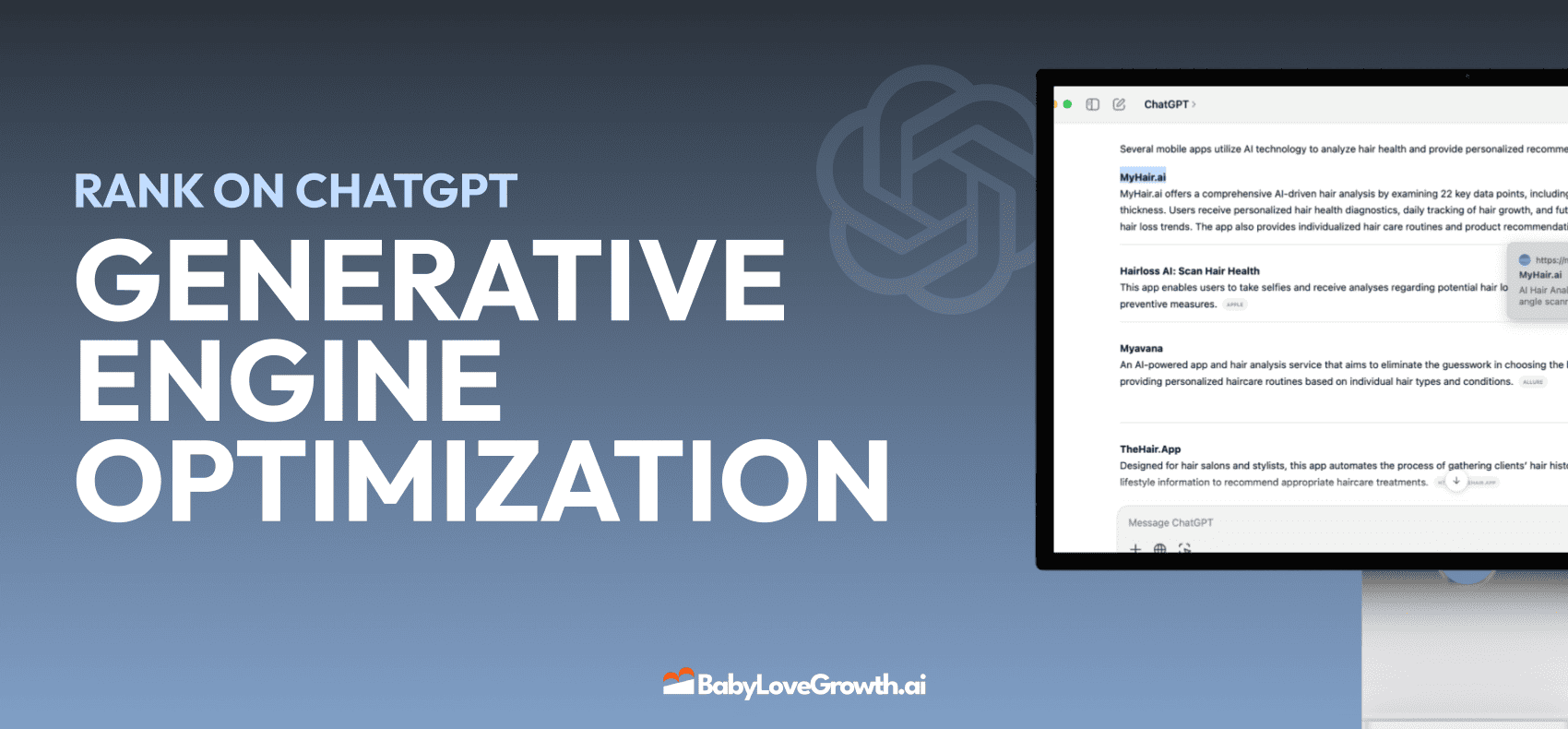
Generative Engine Optimization (GEO)
Learn how Generative Engine Optimization (GEO) helps your content rank in AI search engines like ChatGPT and Google AI. This comprehensive guide explains the differences between SEO and GEO, why it matters for your business, and practical steps to implement GEO strategies for better visibility in AI-generated responses.
DylenJan 18, 2025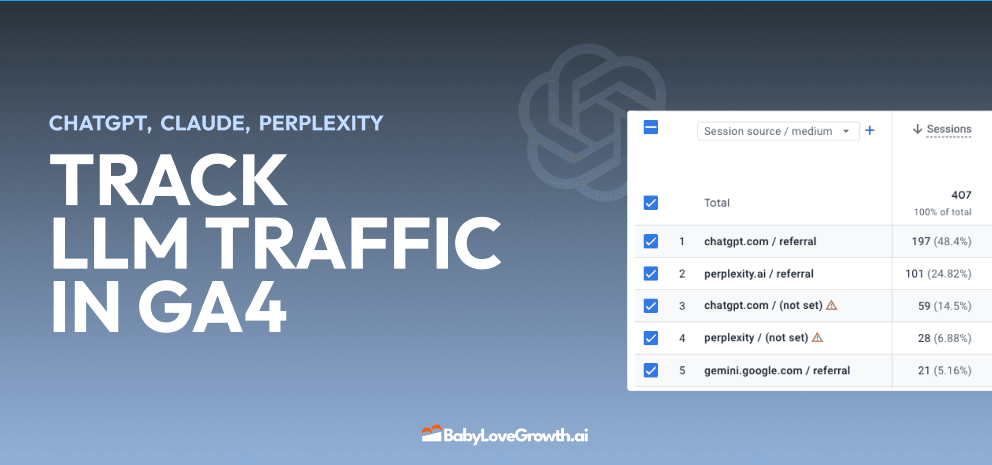
Track LLM Traffic in Google Analytics 4 (GA4)
Learn how to track and analyze traffic from AI sources like ChatGPT, Claude, Perplexity, and Google Gemini in Google Analytics 4. This step-by-step guide shows you how to set up custom filters to monitor AI-driven traffic and make data-driven decisions for your content strategy.
DylenMar 18, 2025
How to Humanize AI Text with Instructions
Learn practical techniques to make AI-generated content sound more natural and human. This guide covers active voice, direct addressing, concise writing, and other proven strategies to transform robotic text into engaging content.
DylenApril 7, 2025
Open AI Revenue and Statistics (2024)
Comprehensive analysis of OpenAI financial performance, user engagement, and market position in 2023. Discover key statistics including $20B valuation, $1B projected revenue, and 100M+ monthly active users.
DylenOctober 03, 2025