How to increase organic traffic with AI-driven SEO


Organic traffic growth remains elusive for many businesses despite consistent traditional SEO efforts. Manual optimization, content creation, and link building consume countless hours yet often deliver underwhelming results. AI-driven automated SEO changes this equation by handling technical fixes, content optimization, and backlink acquisition on autopilot. This guide walks you through preparing your digital foundation, executing AI-powered strategies, and verifying measurable improvements in impressions, rankings, and clicks.
Table of Contents
- Key takeaways
- Preparing your website and data for AI-driven SEO automation
- Executing AI-powered automated SEO strategies to increase organic traffic
- Verifying results and troubleshooting common issues in AI SEO automation
- Enhance your AI-driven SEO with BabyLoveGrowth tools
- How to increase organic traffic: frequently asked questions
Key Takeaways
| Point | Details |
|---|---|
| Prepare data foundation | Audit technical health with an AI tool, fix issues, and consolidate keyword data to set a solid baseline. |
| Structure and crawl readiness | Ensure logical hierarchies and clean internal links so AI can map content relationships and topical authority. |
| Integrate AI with CMS | Connect your AI SEO platform to your CMS analytics and search console and test on a staging environment. |
| Track performance gains | Document impressions, clicks, average position, and conversions to quantify improvements from AI driven automation. |
Preparing your website and data for AI-driven SEO automation
Your website architecture directly impacts how well AI tools can crawl, analyze, and optimize your content. Start by auditing your current technical SEO health using an AI-powered tool that identifies broken links, slow page speeds, missing meta tags, and indexing issues. Clean, structured data allows AI algorithms to make accurate optimization recommendations.
Ensure your site structure follows logical hierarchies with clear internal linking. AI tools perform best when they can map your content relationships and understand topical authority clusters. If your site uses a headless CMS or custom architecture, verify API access and webhook capabilities for seamless integration with automation platforms like Drupal SEO autopilot or Umbraco SEO autopilot.
Prepare accurate keyword data by consolidating search console performance reports, existing keyword research, and competitor analysis. AI systems require historical performance baselines to identify opportunities and measure improvements. Export your top 500 keywords with current rankings, monthly search volume, and click-through rates.
Review your content inventory for duplicate pages, thin content, and outdated information. AI automation works best when starting from a clean foundation rather than amplifying existing problems. Archive or consolidate pages with minimal traffic and update cornerstone content with fresh data.
Integrate your chosen AI SEO platform with your CMS, analytics, and search console accounts. Most automation tools require read and write permissions to deploy technical fixes, publish optimized content, and track performance. Test the integration on a staging environment before going live. Platforms like commercetools SEO autopilot offer pre-built connectors for popular systems.
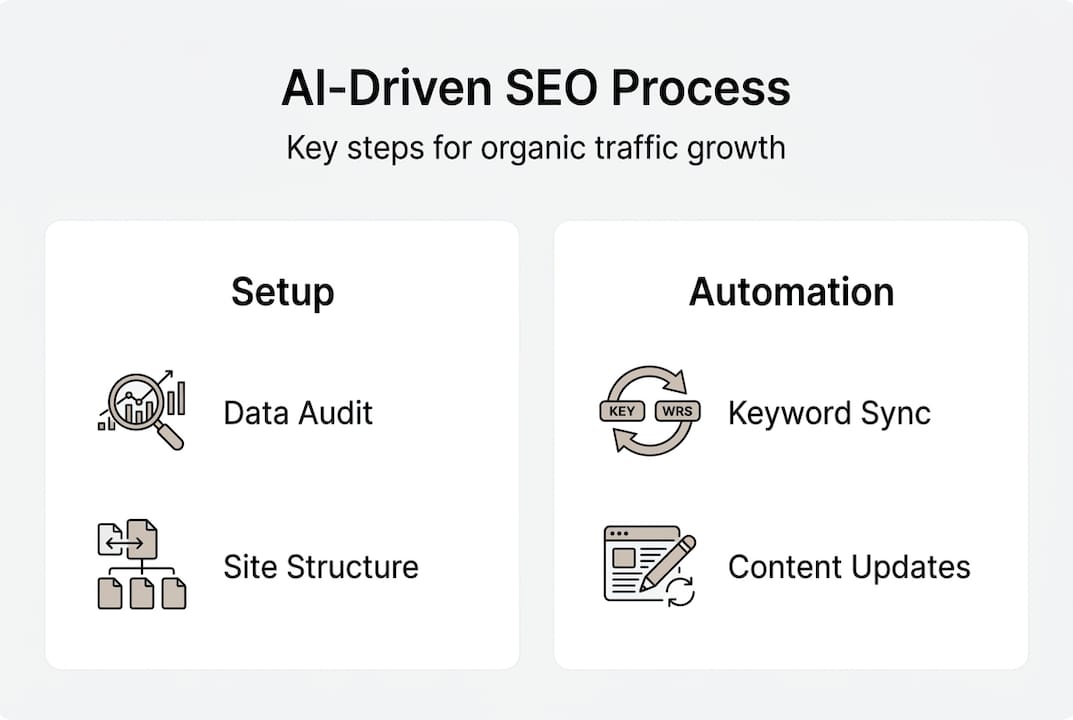
Pro Tip: Document your current organic traffic baseline across impressions, clicks, average position, and conversion rates. This snapshot becomes your reference point for measuring AI automation impact over the next 90 days.
Common prerequisites for successful AI SEO automation include:
- XML sitemap properly configured and submitted to search engines
- Robots.txt file allowing crawler access to key content sections
- Schema markup implemented for products, articles, and local business information
- Mobile-responsive design with Core Web Vitals scores in green zones
- HTTPS encryption across all pages
- Content management system with API or plugin support for automation tools
Research shows automated technical SEO fixes yield significant gains: 146% impression increase, 67 new ranking keywords across nearly 39,500 sites. This data validates the importance of proper technical preparation before deploying AI automation.
Having set the stage with proper preparation, let's dive into executing AI-driven SEO strategies step-by-step.
Executing AI-powered automated SEO strategies to increase organic traffic
AI automation transforms SEO from a manual grind into a systematic process that runs continuously. Here's how to deploy it effectively:
-
Launch an automated technical SEO audit using an AI SEO audit tool that scans your entire site for issues. The system identifies broken links, missing alt tags, slow-loading resources, and indexing problems. Unlike manual audits that take days, AI completes comprehensive scans in minutes.
-
Configure automated fix deployment for technical issues. Modern AI platforms can automatically update meta descriptions, compress images, fix broken internal links, and generate missing schema markup. Set rules for which fixes deploy automatically versus requiring manual approval based on your risk tolerance.
-
Activate AI content optimization for existing pages. The system analyzes top-ranking competitor content, identifies semantic keyword gaps, and suggests content expansions. AI rewrites sections to improve readability, adds relevant statistics, and optimizes heading structures without changing your brand voice.
-
Deploy automated content creation workflows. AI generates SEO-optimized articles based on keyword opportunities, search intent analysis, and topical authority gaps. Configure publishing schedules, tone guidelines, and fact-checking requirements to maintain quality standards.
-
Implement automated backlink building through a backlinks service that identifies relevant link opportunities, reaches out to publishers, and tracks acquisition progress. AI personalizes outreach messages and prioritizes high-authority domains in your niche.
-
Enable automated performance monitoring with custom alerts. Set thresholds for ranking drops, traffic declines, or indexing issues. AI systems notify you immediately when intervention is needed rather than discovering problems weeks later.
Pro Tip: Start with automated technical fixes and content optimization before deploying link building automation. This sequence ensures your site deserves the backlinks it acquires, maximizing ROI and minimizing spam risks.
AI identifies optimization opportunities humans miss by processing millions of data points simultaneously. It detects patterns in search algorithm updates, competitor strategies, and user behavior signals that would take analysts months to uncover manually.
| Approach | Time Investment | Scalability | Consistency | Results Timeline |
|---|---|---|---|---|
| Traditional Manual SEO | 20-40 hours/week | Limited by team size | Variable quality | 6-12 months |
| AI-Automated SEO | 2-5 hours/week oversight | Unlimited scaling | Standardized processes | 2-4 months |
The efficiency gains become obvious when you compare traditional versus automated approaches. Manual SEO requires constant attention for tasks AI handles instantly.

Best practices for deploying automated link building include setting quality thresholds for domain authority, relevance scores, and spam indicators. Configure your system to reject opportunities below your standards automatically. Monitor your backlink profile weekly to catch any low-quality links that slip through filters.
For content automation, maintain editorial oversight by reviewing AI-generated drafts before publication. Set up approval workflows where AI creates content, human editors refine it, and automated systems handle publishing and distribution. This hybrid approach combines AI efficiency with human judgment.
Platforms like BigCommerce SEO autopilot integrate directly with e-commerce systems to optimize product pages, category structures, and checkout flows automatically. The AI understands transactional search intent and optimizes accordingly.
Data confirms automated technical SEO fixes increase impressions and ranking keywords significantly, validating the execution strategies outlined above.
Once you have executed these AI-powered strategies, you need to verify the outcomes to ensure your organic traffic gains are real and sustainable.
Verifying results and troubleshooting common issues in AI SEO automation
Measuring AI automation impact requires tracking specific metrics before and after deployment. Focus on impressions, clicks, average position, and click-through rate from search console data. Export weekly reports to identify trends rather than reacting to daily fluctuations.
Key performance indicators to monitor include:
- Total organic impressions compared to your baseline period
- Number of keywords ranking in positions 1 through 10
- Click-through rate improvements for target keywords
- Pages receiving organic traffic for the first time
- Backlink acquisition rate and referring domain growth
- Core Web Vitals scores and technical SEO health metrics
- Conversion rate changes from organic traffic segments
Set up custom dashboards in Google Analytics 4 that isolate organic traffic performance. Create segments comparing AI-optimized pages against non-optimized control pages to measure direct impact. This A/B approach provides clear attribution.
Common issues with AI SEO automation include over-optimization where AI stuffs keywords unnaturally, creating content that ranks poorly despite technical correctness. Combat this by setting readability score minimums and requiring human review for published content. Configure your AI system to prioritize user experience over keyword density.
Data integration errors occur when AI tools misinterpret analytics data or pull incorrect keyword metrics. Verify your API connections monthly and cross-reference AI reports against source data in search console. Discrepancies indicate integration problems requiring technical support.
Automation glitches sometimes deploy fixes incorrectly, breaking site functionality or removing important content. Maintain staging environments where AI changes deploy first for testing before production release. Keep complete site backups before major automated updates.
Pro Tip: Create a rollback plan documenting how to reverse automated changes quickly if they cause ranking drops or traffic declines. Test this process quarterly to ensure your team can execute it under pressure.
| Metric | Pre-Automation Baseline | 30-Day Post-Automation | 90-Day Post-Automation | Target Improvement |
|---|---|---|---|---|
| Organic Impressions | 50,000 | 73,000 | 123,000 | 146% increase |
| Ranking Keywords (Top 10) | 85 | 112 | 152 | 67+ new keywords |
| Average Click-Through Rate | 2.1% | 2.8% | 3.4% | 1.3% gain |
| Monthly Organic Traffic | 3,200 | 4,500 | 6,800 | 112% growth |
These benchmarks reflect results from sites implementing comprehensive AI automation. Your specific outcomes depend on starting conditions, competition levels, and automation scope.
Troubleshooting requires systematic diagnosis. When rankings drop after automation deployment, check if AI changed title tags or meta descriptions in ways that reduced click appeal. Review search console for manual actions or security issues unrelated to your automation.
If impression growth stalls after initial gains, your AI may have exhausted quick wins and needs expanded keyword targeting. Feed it fresh keyword research or broaden topical coverage to find new opportunities.
Integration with platforms like Ghost SEO autopilot or Craft CMS SEO autopilot requires monitoring CMS-specific issues like plugin conflicts or theme compatibility problems that block automation features.
Studies confirm automated technical SEO fixes deliver consistent uplift across millions of sites, but individual results vary based on implementation quality and ongoing optimization.
With verification and troubleshooting covered, you're equipped to sustain and grow your organic traffic effectively.
Enhance your AI-driven SEO with BabyLoveGrowth tools
Transforming your organic traffic requires more than understanding AI automation concepts. You need proven tools that integrate seamlessly with your existing systems and deliver measurable results.
BabyLoveGrowth offers AI-powered solutions designed specifically for businesses seeking automated SEO growth. Start with a comprehensive AI SEO audit that identifies your biggest optimization opportunities in minutes. The platform analyzes technical health, content gaps, and backlink profiles to create a prioritized action plan.
For ongoing optimization, the Umbraco SEO autopilot automates content creation, technical fixes, and performance tracking without manual intervention. Your site continuously improves while you focus on core business activities.
Scale your backlink acquisition with backlinks automation that identifies relevant opportunities, personalizes outreach, and tracks relationship building. The system acquires high-quality links that boost domain authority and rankings.
Thousands of small and medium enterprises trust BabyLoveGrowth to enhance their online visibility through AI-driven automation. The platform streamlines SEO efforts, increases brand recognition, and drives organic traffic growth with minimal manual effort.
How to increase organic traffic: frequently asked questions
What makes automated SEO different from manual SEO optimization?
Automated SEO uses AI to continuously scan, analyze, and optimize your site without human intervention for routine tasks. Manual SEO requires specialists to perform audits, create content, and build links individually. Automation scales infinitely while maintaining consistency, whereas manual efforts are limited by team capacity and introduce quality variations.
How long does it take to see organic traffic improvements from AI automation?
Most businesses observe measurable impression and ranking increases within 30 to 60 days of deploying AI automation. Significant traffic growth typically appears between 60 and 90 days as technical fixes get indexed and content optimizations compound. Results depend on your starting SEO health, competition intensity, and automation scope.
What risks come with AI-driven SEO automation and how do I avoid them?
Over-optimization and content quality issues are primary risks when AI operates without proper guardrails. Mitigate these by setting readability minimums, requiring human review for published content, and monitoring rankings weekly for unexpected drops. Start with technical fixes and content optimization before deploying link building automation to ensure your foundation is solid.
Can AI automation work for local businesses or only large enterprises?
AI SEO automation scales effectively for businesses of all sizes. Local businesses benefit from automated local SEO fixes, review management, and location-based content creation. The efficiency gains are actually more valuable for smaller teams with limited resources, allowing them to compete against larger competitors without proportional budget increases.
What ongoing practices sustain organic traffic growth after initial automation?
Regular keyword research feeds your AI system fresh opportunities as search trends evolve. Monthly technical audits catch new issues before they impact rankings. Continuous content creation maintains topical authority and captures long-tail search queries. Monitor competitor strategies quarterly to identify gaps your automation should address. Refresh high-performing content annually with updated statistics and examples to maintain relevance.
Recommended
Smart SEO,
Faster Growth!
Most Read Articles
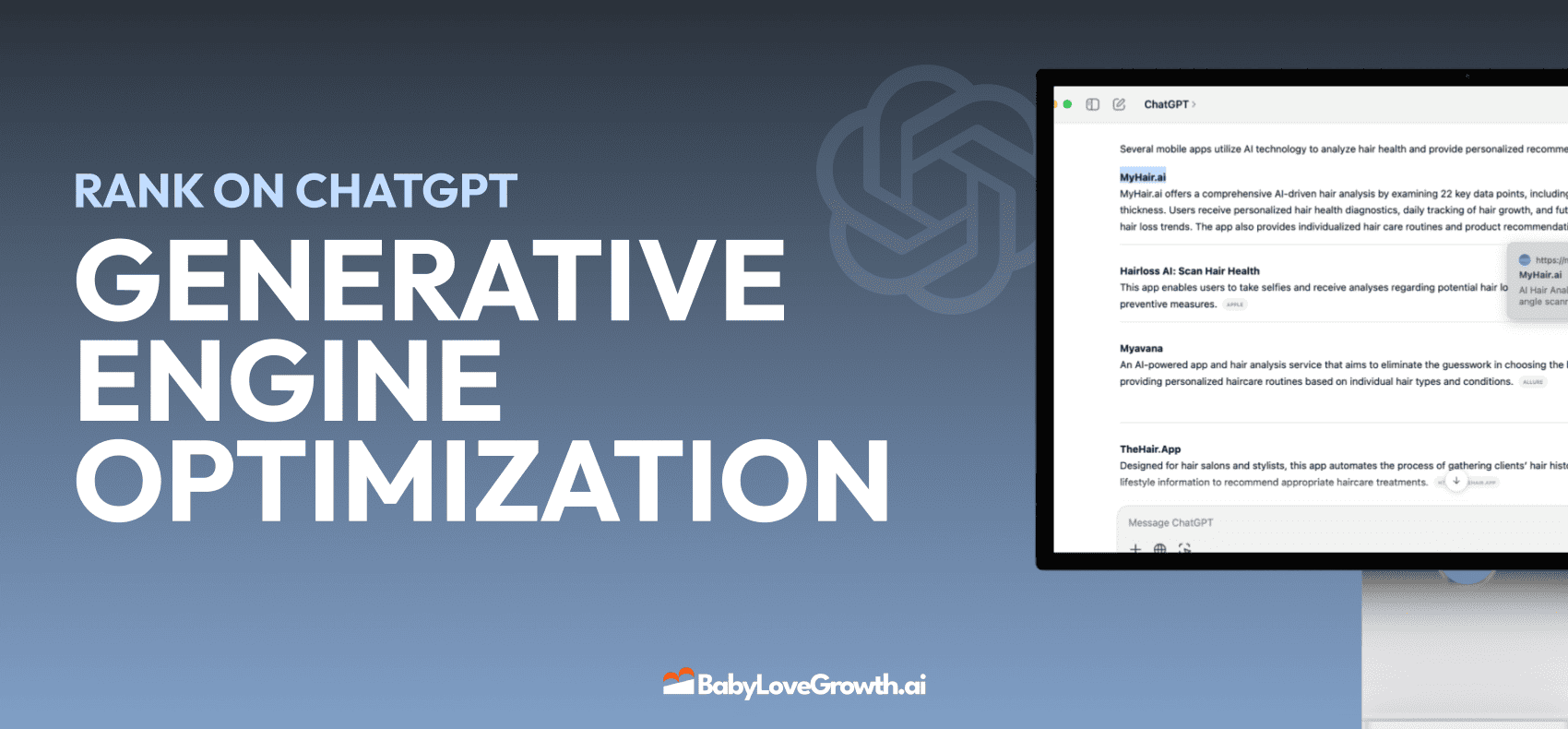
Generative Engine Optimization (GEO)
Learn how Generative Engine Optimization (GEO) helps your content rank in AI search engines like ChatGPT and Google AI. This comprehensive guide explains the differences between SEO and GEO, why it matters for your business, and practical steps to implement GEO strategies for better visibility in AI-generated responses.
DylenJan 18, 2025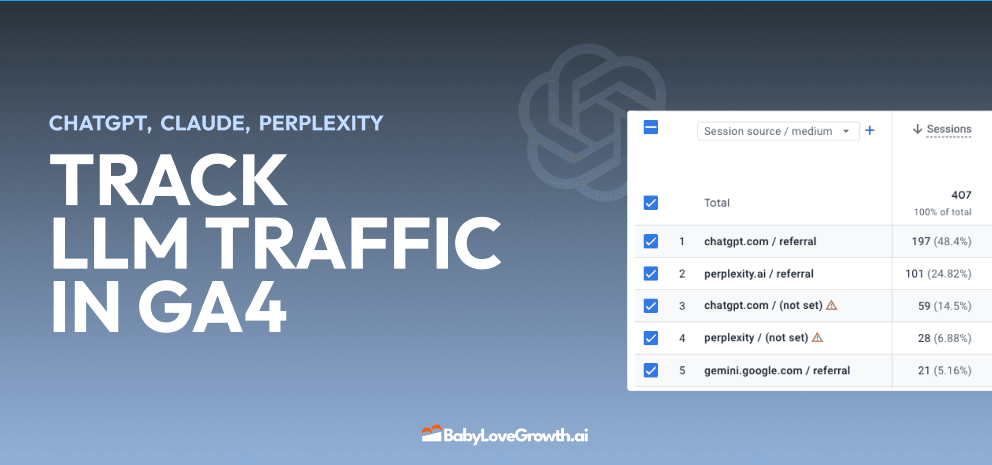
Track LLM Traffic in Google Analytics 4 (GA4)
Learn how to track and analyze traffic from AI sources like ChatGPT, Claude, Perplexity, and Google Gemini in Google Analytics 4. This step-by-step guide shows you how to set up custom filters to monitor AI-driven traffic and make data-driven decisions for your content strategy.
DylenMar 18, 2025
How to Humanize AI Text with Instructions
Learn practical techniques to make AI-generated content sound more natural and human. This guide covers active voice, direct addressing, concise writing, and other proven strategies to transform robotic text into engaging content.
DylenApril 7, 2025
Open AI Revenue and Statistics (2024)
Comprehensive analysis of OpenAI financial performance, user engagement, and market position in 2023. Discover key statistics including $20B valuation, $1B projected revenue, and 100M+ monthly active users.
DylenOctober 03, 2025