7 Key Reasons Cybersecurity Matters for E-Commerce Success


Over $4 million is the average cost of a single data breach for American businesses. Digital marketers and SEO professionals know that even a minor security slip can shatter customer trust and jeopardize growth. Protecting sensitive customer data is not just about technical compliance—it is a clear signal to shoppers that your e-commerce brand deserves confidence. This guide reveals proven strategies to strengthen your defenses and earn loyalty through advanced cybersecurity and transparency.
Table of Contents
- Protecting Sensitive Customer Information
- Building and Maintaining Online Trust
- Preventing Costly Data Breaches
- Complying with Data Protection Laws
- Safeguarding Brand Reputation and Credibility
- Reducing Risk of Financial Loss
- Enabling Secure Business Growth
Quick Summary
| Takeaway | Explanation |
|---|---|
| 1. Prioritize customer data protection | Implement encryption and strict access controls to safeguard sensitive information and comply with data privacy regulations. |
| 2. Build online trust through transparency | Establish clear communication, display genuine customer feedback, and ensure visible security measures to foster customer confidence. |
| 3. Proactively prevent data breaches | Conduct regular security assessments, enforce strong access controls, and invest in cybersecurity training to eliminate vulnerabilities. |
| 4. Ensure compliance with data protection laws | Develop clear data policies, obtain explicit customer consent, and maintain ongoing employee training to meet evolving legal requirements. |
| 5. Embed cybersecurity in business growth strategy | View cybersecurity as an enabler for innovation and market leadership by aligning it with business objectives and customer trust initiatives. |
1. Protecting Sensitive Customer Information
In the digital marketplace, your customers' data is their most valuable asset. Protecting sensitive customer information isn't just a technical requirement it's a fundamental trust contract between your business and your users.
Customer data protection goes beyond simple security measures. It represents a comprehensive strategy that encompasses technological safeguards, legal compliance, and ethical data management. Organizations must implement robust protection mechanisms to prevent unauthorized access, data breaches, and potential misuse of personal information.
The stakes are high. According to comprehensive research on data privacy frameworks, global regulations like GDPR and CCPA mandate strict protocols for handling personally identifiable information. Failing to protect customer data can result in significant financial penalties, legal consequences, and irreparable damage to your brand's reputation.
Effective protection requires a multilayered approach. This means implementing encryption technologies, establishing strict access controls, utilizing data masking techniques, and continuously updating security protocols. You need systems that not only secure data but also provide transparency about how customer information is collected, stored, and used.
Key strategies include minimizing data collection to only what is absolutely necessary, encrypting sensitive information at rest and in transit, and creating granular user permissions that limit data access to authorized personnel. Regular security audits and employee training are also critical components of a comprehensive data protection strategy.
Pro tip: Conduct quarterly comprehensive security assessments and maintain a detailed incident response plan to quickly address potential data vulnerabilities.
2. Building and Maintaining Online Trust
Online trust is the foundation of successful e-commerce. Without trust, potential customers will simply click away and choose competitors who demonstrate greater credibility and transparency.
Building online trust requires a comprehensive strategy that goes beyond basic security measures. Strategies for maintaining organizational integrity emphasize the importance of consistent, transparent communication and demonstrating genuine commitment to customer welfare.
Customers evaluate trust through multiple touchpoints. Transparent policies, clear communication, responsive customer service, and visible security measures all contribute to creating a trustworthy online environment. This means providing detailed information about product specifications, shipping processes, return policies, and data handling practices.
Effective trust building involves several key elements. First, display authentic customer reviews and testimonials prominently. Second, showcase security certifications and trust badges that validate your platform's credibility. Third, ensure your website design appears professional, clean, and user friendly.
Additionally, proactive communication about potential issues can significantly enhance customer confidence. If a problem occurs, address it quickly, transparently, and with genuine empathy. Customers appreciate honesty and are more likely to remain loyal when businesses demonstrate accountability.
Pro tip: Implement a visible trust center on your website that clearly outlines your security practices, privacy policies, and commitment to customer data protection.
3. Preventing Costly Data Breaches
Data breaches represent more than just a technical problem they are potentially catastrophic events that can destroy customer trust and bankrupt businesses overnight. Understanding and proactively addressing cybersecurity vulnerabilities is no longer optional it is a critical survival strategy for modern e-commerce enterprises.
Empirical research on organizational data breach risks reveals complex factors contributing to security vulnerabilities. Modern businesses must recognize that preventing data breaches requires a multifaceted approach that combines technological solutions, strategic planning, and continuous organizational vigilance.Comprehensive prevention strategies involve several critical components. First, conduct regular and thorough security assessments that map out potential vulnerabilities across your digital infrastructure. This means examining network configurations, access protocols, user permissions, and potential weak points in your system.
Implementing robust access controls is fundamental. Restrict sensitive data access to only those employees who absolutely require it. Utilize multi factor authentication, enforce strong password policies, and create detailed user permission hierarchies that minimize unnecessary system exposure.
Technological defenses matter immensely. Invest in advanced intrusion detection systems, maintain current firewall configurations, and implement real time monitoring tools that can quickly identify and neutralize potential security threats. Regular software updates and patch management are crucial in addressing known vulnerabilities before malicious actors can exploit them.
Employee training represents another critical prevention mechanism. Your team must understand cybersecurity best practices, recognize potential phishing attempts, and follow strict data handling protocols. Consider implementing mandatory quarterly security awareness training that keeps your workforce updated on emerging threats.
Pro tip: Develop and maintain a comprehensive incident response plan that outlines clear step by step procedures for addressing potential security breaches before they occur.
4. Complying with Data Protection Laws
Complying with data protection laws is no longer a optional checkbox it is a critical requirement for any e-commerce business operating in the global marketplace. The legal landscape surrounding customer data has become increasingly complex and unforgiving.
Professional training resources on global privacy regulations highlight the intricate challenges businesses face when navigating international data protection frameworks. Understanding these regulations is crucial for avoiding potentially devastating legal and financial consequences.Global data protection laws like GDPR and CCPA have established stringent requirements for how businesses collect, store, process, and protect customer information. These regulations extend far beyond simple technical compliance they represent a fundamental shift in how organizations approach data privacy and individual rights.
Key compliance strategies include developing transparent data collection policies, implementing robust consent mechanisms, and creating clear processes for customer data access and deletion. Businesses must provide explicit information about what data is being collected, why it is being collected, and how it will be used.
Technical implementation requires several critical steps. First, conduct a comprehensive audit of your current data collection and storage practices. Second, develop a detailed data mapping process that tracks every piece of customer information from collection through deletion. Third, establish granular user consent protocols that allow customers to understand and control their data sharing preferences.
Additionally, organizations must train employees on privacy regulations, implement privacy by design principles, and create ongoing monitoring systems that can quickly identify and address potential compliance issues.
Pro tip: Designate a dedicated privacy compliance officer who stays current with evolving international data protection regulations and can proactively update your organization's policies.
5. Safeguarding Brand Reputation and Credibility
Your online reputation is a fragile ecosystem that can be destroyed in moments but takes years to carefully construct. In the hyperconnected digital marketplace, every customer interaction becomes a potential testimony to your brand's integrity.
Reputation management frameworks reveal that credibility is a complex composite of trust, transparency, and consistent performance. Modern consumers do not just purchase products they invest in brands that demonstrate genuine commitment to ethical practices and customer welfare.Proactive reputation management requires a multifaceted approach. This means monitoring online conversations, responding quickly to customer feedback, and maintaining a transparent communication strategy that addresses concerns before they escalate into public controversies.
Effective reputation protection involves several strategic elements. First, establish clear communication channels that allow customers to provide feedback and resolve issues directly. Second, develop a robust social media management strategy that demonstrates your brand's values and responsiveness. Third, create internal protocols for addressing and mitigating potential reputation risks.
Customer trust is built through consistent actions. When problems occur, acknowledge them immediately. Show genuine empathy, offer clear solutions, and demonstrate a commitment to continuous improvement. Transparent communication during challenging moments can actually strengthen customer loyalty more effectively than attempting to hide or minimize issues.
Regular reputation audits can help identify potential vulnerabilities. This means systematically reviewing customer feedback, monitoring online mentions, and assessing the alignment between your stated values and actual business practices.
Pro tip: Implement a comprehensive digital reputation monitoring system that tracks brand mentions across multiple platforms and provides real time alerts for potential reputation risks.
6. Reducing Risk of Financial Loss
Cybersecurity is not just a technical issue it is a critical financial protection strategy that can mean the difference between business survival and total economic collapse. One significant breach can wipe out years of hard earned profits and customer trust.
Global Financial Stability Reports highlight the systemic economic risks associated with inadequate cybersecurity measures. The financial implications of digital vulnerabilities extend far beyond immediate monetary losses they can trigger cascading economic disruptions that impact entire business ecosystems.Comprehensive financial risk mitigation requires a proactive and multifaceted approach. Organizations must view cybersecurity investments as essential strategic decisions rather than optional expenses. This means allocating resources toward robust prevention mechanisms, advanced threat detection systems, and comprehensive incident response protocols.
Effective financial loss prevention involves several critical strategies. First, conduct regular comprehensive risk assessments that identify potential vulnerabilities across your digital infrastructure. Second, develop robust cyber insurance coverage that provides financial protection against potential breaches. Third, implement stringent access controls and authentication mechanisms that minimize unauthorized system entry.
Understanding the potential financial impact is crucial. A single data breach can result in direct costs such as system restoration, legal fees, and regulatory penalties. Indirect costs including reputation damage, customer churn, and lost business opportunities can be even more devastating. Small and medium businesses are particularly vulnerable, with many unable to recover from significant cyber incidents.
Investment in cybersecurity should be viewed as a strategic financial protection mechanism. This means continuous staff training, regular technology upgrades, and maintaining adaptable security frameworks that can respond to emerging digital threats.
Pro tip: Develop a detailed cyber risk financial modeling framework that quantifies potential losses and helps justify strategic cybersecurity investments to stakeholders.
7. Enabling Secure Business Growth
Cybersecurity is no longer a defensive strategy it is a powerful catalyst for business expansion and competitive advantage. Modern organizations understand that robust security frameworks do not limit growth they unlock unprecedented opportunities for innovation and market leadership.
Strategic perspectives from global business leaders reveal that cybersecurity can transform from a cost center into a strategic growth enabler. By integrating security deeply into business strategy, organizations can create new value propositions and differentiate themselves in increasingly crowded markets.Secure growth strategies require a holistic approach that views cybersecurity as an integral part of business development. This means moving beyond traditional risk mitigation to see security as a foundational element of innovation, customer trust, and competitive positioning.
Practical implementation involves several key approaches. First, develop a cybersecurity strategy that aligns directly with your business objectives. Second, invest in technologies and training that not only protect against threats but also enable more agile and responsive business operations. Third, use your robust security capabilities as a competitive differentiator in marketing and customer communications.
Modern customers are increasingly sophisticated. They do not just want products they want partnerships with organizations that demonstrate technological competence and commitment to protecting their interests. A strong cybersecurity posture signals professionalism, reliability, and forward thinking leadership.
Successful businesses recognize that security is not about building walls it is about creating safe, innovative spaces where trust can flourish. By embedding security into every aspect of business strategy, organizations can transform potential limitations into opportunities for growth and differentiation.
Pro tip: Develop a cross functional cybersecurity task force that includes representatives from technology, strategy, marketing, and customer experience to ensure security becomes a collaborative growth driver.
Below is a comprehensive table summarizing the key strategies and practices outlined in the article to protect sensitive customer information, build online trust, and ensure robust cybersecurity measures for e-commerce businesses.
| Aspect | Approach | Outcome |
|---|---|---|
| Protecting Sensitive Information | Implement encryption, strict access controls, and continuous protocol updates. Train employees and minimize data collection. | Preventing unauthorized data access and maintaining customer trust. |
| Building Online Trust | Showcase authentic reviews, display security certifications, and ensure professional website design. | Enhanced customer confidence and increased loyalty. |
| Preventing Data Breaches | Conduct regular security assessments and implement advanced monitoring systems. | Identification and mitigation of vulnerabilities before exploitation. |
| Complying with Data Protection Laws | Develop clear data policies and user consent protocols, conduct privacy audits, and train employees. | Avoid legal consequences while respecting customer privacy. |
| Safeguarding Brand Reputation | Monitor online engagement, address feedback proactively, and emphasize transparent communication. | Strengthened public perception and long-term credibility. |
| Reducing Financial Risks | Secure cyber insurance and establish comprehensive risk mitigation frameworks. | Protection against financial losses associated with breaches. |
| Enabling Secure Business Growth | Align cybersecurity strategies with business goals and promote security as a competitive advantage. | Fostered innovation and enhanced market positioning. |
Strengthen Your E-Commerce Success with Smart SEO and Cybersecurity
The article highlights the critical importance of protecting customer data, building online trust, and preventing costly breaches as key drivers of e-commerce growth. If your business struggles with safeguarding sensitive information while striving to enhance visibility and credibility online, these common challenges can feel overwhelming. Effective cybersecurity combined with strong digital presence is essential to avoid financial loss and preserve your brand reputation.
Babylovegrowth.ai offers an AI-powered SEO solution that helps e-commerce businesses not only increase organic traffic but also project trustworthiness and authority in the digital marketplace. With automated, high-quality content optimized for Google and ChatGPT, plus detailed business analysis, you can ensure your website ranks higher while reinforcing your brand's credibility and customer confidence.
Make the critical connection between cybersecurity and growth by leveraging a platform that drives organic success and supports your business integrity. Start your journey with Babylovegrowth.ai today.
Take control of your online reputation and growth with proven AI-driven content strategies that align with your cybersecurity goals. Visit Babylovegrowth.ai now for a free trial and empower your e-commerce success through safer, smarter SEO.
Frequently Asked Questions
Why is protecting customer information vital for e-commerce success?
Protecting customer information is crucial because it builds trust between your business and users. To enhance customer trust, implement strong encryption and strict access controls within the first 60 days of your security strategy.
How can I build online trust through my website?
Building online trust involves displaying authentic reviews, having transparent policies, and showcasing visible security measures. Start by updating your website to include a trust center outlining security practices and privacy commitments within the next 30 days.
What steps can I take to prevent data breaches in my e-commerce business?
To prevent data breaches, conduct regular security assessments and implement robust access controls. Begin by scheduling quarterly security audits and enhancing employee training on cybersecurity best practices to reduce vulnerabilities effectively.
What are the key compliance requirements for data protection laws?
Key compliance requirements include developing transparent data collection policies and implementing robust consent mechanisms. Create a detailed data mapping process and ensure all staff are trained on these protocols within 90 days to meet compliance standards.
How can I safeguard my brand's reputation in the digital marketplace?
Safeguarding your brand's reputation involves proactive management of online feedback and transparent communication. Establish clear channels for customer reviews and feedback, and address any issues publicly to strengthen loyalty.
In what ways can cybersecurity contribute to financial loss reduction?
Cybersecurity significantly reduces financial loss by protecting against data breaches and safeguarding your business’s profitability. Assess your cybersecurity measures now and allocate more resources to create a robust incident response plan that can minimize potential economic impacts.
Recommended
Smart SEO,
Faster Growth!
Most Read Articles
Generative Engine Optimization (GEO)
Learn how Generative Engine Optimization (GEO) helps your content rank in AI search engines like ChatGPT and Google AI. This comprehensive guide explains the differences between SEO and GEO, why it matters for your business, and practical steps to implement GEO strategies for better visibility in AI-generated responses.
DylenJan 18, 2025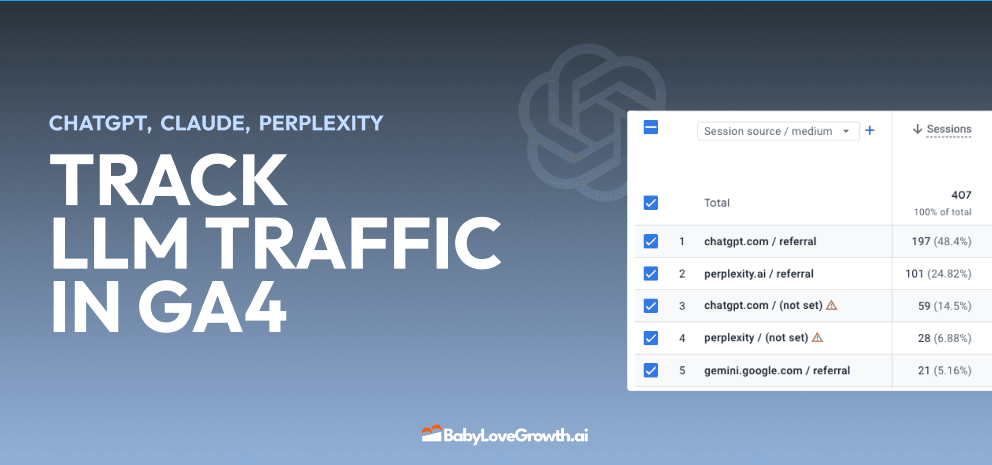
Track LLM Traffic in Google Analytics 4 (GA4)
Learn how to track and analyze traffic from AI sources like ChatGPT, Claude, Perplexity, and Google Gemini in Google Analytics 4. This step-by-step guide shows you how to set up custom filters to monitor AI-driven traffic and make data-driven decisions for your content strategy.
DylenMar 18, 2025
How to Humanize AI Text with Instructions
Learn practical techniques to make AI-generated content sound more natural and human. This guide covers active voice, direct addressing, concise writing, and other proven strategies to transform robotic text into engaging content.
DylenApril 7, 2025
Open AI Revenue and Statistics (2024)
Comprehensive analysis of OpenAI financial performance, user engagement, and market position in 2023. Discover key statistics including $20B valuation, $1B projected revenue, and 100M+ monthly active users.
DylenOctober 03, 2025