Importance of Content Refresh: Boosting SEO and Growth


Finding the right content strategy feels like solving a constantly moving puzzle for many small e-commerce teams. Outdated information and static pages can undermine credibility and stall organic growth. Embracing a content refresh process addresses these challenges by keeping your digital assets accurate, relevant, and SEO-friendly. This article explores practical methods for maintaining content quality, strengthening user trust, and signaling search engines that your website deserves top visibility.
Table of Contents
- Defining Content Refresh And Its Core Role
- Types Of Content Updates And Their Impact
- How Content Refresh Drives Seo Results
- Risks Of Outdated Content For Businesses
- Proven Strategies For Effective Content Refresh
Key Takeaways
| Point | Details |
|---|---|
| Content Refresh is Essential | Regularly updating content is crucial for maintaining relevance, accuracy, and SEO performance in a competitive digital landscape. |
| Types of Updates Matter | Different forms of content updates serve unique purposes, and choosing the right strategy can enhance audience engagement and search engine visibility. |
| Risks of Outdated Content | Failing to refresh content can result in decreased credibility, reduced search rankings, and potential legal issues, impacting overall business performance. |
| Strategic Management is Key | A structured approach with regular audits and performance analysis is necessary for effective content refresh, ensuring alignment with business goals and user needs. |
Defining Content Refresh and Its Core Role
Content refresh represents a strategic digital content management approach that systematically updates and enhances existing online materials to maintain their relevance, accuracy, and performance. At its core, this process ensures that digital content remains current, valuable, and aligned with evolving user expectations and search engine requirements.
The fundamental goal of content refresh is multifaceted. It involves:
- Verifying and updating information accuracy
- Improving content quality and depth
- Enhancing search engine optimization (SEO) performance
- Addressing emerging user needs and questions
- Maintaining digital asset credibility
Understanding content refresh requires recognizing its critical role in digital strategy. Content strategy principles emphasize that ongoing content maintenance is not optional but essential for organizations seeking sustained online visibility and user engagement. By proactively updating existing content, businesses can signal to search engines that their digital assets are dynamic, authoritative, and worth ranking highly.
Content refresh goes beyond simple edits. It involves a comprehensive review that considers multiple dimensions, including:
- Factual accuracy and current information
- Relevance to target audience needs
- Alignment with current industry trends
- Technical optimization for search engines
- User experience and readability
Digital content management requires consistent attention. Without regular updates, online materials can quickly become outdated, reducing their value and potentially misleading users. Digital content strategies highlight that timely refreshes support broader organizational objectives by maintaining high-quality, trustworthy information.

Pro tip: Implement a quarterly content audit to systematically identify and prioritize pages needing comprehensive updates, ensuring your digital assets remain current and competitive.
Types of Content Updates and Their Impact
Content updates are not a one-size-fits-all approach, but rather a nuanced strategy involving multiple techniques designed to enhance digital assets. Content modification strategies demonstrate that updates can range from minor corrections to comprehensive transformations, each serving a distinct purpose in maintaining digital relevance.
The primary types of content updates include:
- Factual Corrections: Quick fixes addressing outdated or inaccurate information
- Structural Revisions: Reorganizing content for improved readability and comprehension
- Depth Enhancement: Adding new insights, examples, or research to existing content
- Format Optimization: Adapting content for better visual presentation and user experience
- SEO Refinement: Updating keywords, meta descriptions, and technical elements
Each update type carries unique implications for audience engagement and search engine performance. Academic content analysis reveals that strategic updates can significantly impact user trust and information credibility. Businesses must carefully select update approaches that align with their specific communication objectives.
Here is a concise comparison of content update types and their ideal use cases:
| Update Type | Ideal Scenario | Key Benefit |
|---|---|---|
| Factual Correction | Product details change | Ensures information accuracy |
| Structural Revision | Content hard to scan | Improves user comprehension |
| Depth Enhancement | Industry developments emerge | Adds greater value to readers |
| Format Optimization | Mobile viewing increases | Enhances device accessibility |
| SEO Refinement | Keyword trends shift | Boosts search visibility |
Understanding the potential impact is crucial. Different content modifications yield varied results:
- Minor corrections maintain accuracy
- Substantial rewrites can reset content authority
- Strategic expansions can improve search rankings
- Visual updates can enhance user engagement
- Technical optimizations can boost page performance
Content evolution is not just about making changes, but making meaningful improvements that directly address user needs and search engine requirements. Successful updates require a holistic approach that considers user experience, information accuracy, and technical optimization.
Pro tip: Create a structured update checklist that evaluates content across accuracy, relevance, user experience, and SEO metrics before implementing any changes.
How Content Refresh Drives SEO Results
Content refresh represents a strategic approach to improving search engine optimization by systematically updating and enhancing digital content. Search engine optimization techniques demonstrate that regular content updates signal active website management and relevance to search algorithms, directly impacting organic search performance.
The key SEO benefits of consistent content refresh include:
- Increased crawl frequency by search engine bots
- Improved keyword relevance and targeting
- Enhanced user engagement metrics
- Higher potential for backlink acquisition
- Better overall search engine rankings
The technical mechanisms driving SEO results through content refresh are multifaceted:
- Updating outdated information signals content freshness
- Incorporating current keywords maintains semantic relevance
- Improving user experience metrics increases ranking potential
- Addressing emerging search intent signals content quality
- Maintaining comprehensive, current information builds authority
Search ranking dynamics depend on multiple factors, with content quality and relevance being critical components. Websites that consistently update their content demonstrate a proactive approach to information management, which search algorithms reward through improved visibility and higher organic search positioning.
Pro tip: Develop a quarterly content audit schedule that systematically identifies and prioritizes pages needing updates, ensuring continuous optimization of your digital assets.
Risks of Outdated Content for Businesses
Digital content decay poses significant strategic challenges for businesses, threatening their online credibility and competitive positioning. Online content vulnerabilities demonstrate how rapidly information becomes obsolete, potentially undermining organizational reputation and user trust.
The primary risks of maintaining outdated content include:
- Decreased search engine rankings
- Reduced audience credibility
- Potential legal and compliance issues
- Diminished user engagement
- Loss of competitive market positioning
- Increased security vulnerabilities
The following table summarizes major business risks of outdated digital content:
| Risk Type | Impacted Area | Example Consequence |
|---|---|---|
| Search Penalty | Online visibility | Lower rankings, less traffic |
| Loss of Credibility | User trust | Customers lose confidence |
| Compliance Failure | Legal/regulatory | Fines or legal disputes |
| Security Vulnerability | Data protection | Increased risk of breaches |
Businesses face multiple complex consequences when content remains static:
- Search engines penalize websites with stale content
- Inaccurate information erodes user trust
- Competitors can quickly outpace outdated digital assets
- Regulatory non-compliance becomes a significant risk
- Technical vulnerabilities increase exponentially
Content management strategies must recognize that digital assets are dynamic ecosystems requiring continuous monitoring and strategic updates. Proactive content maintenance is not just a recommendation but a critical business imperative in today's rapidly evolving digital landscape.
Pro tip: Implement a systematic quarterly content review process that evaluates each digital asset for accuracy, relevance, and potential security risks.
Proven Strategies for Effective Content Refresh
Content refresh strategies represent a systematic approach to maintaining digital content's relevance, performance, and strategic value. Content strategy methodologies emphasize the importance of developing a structured process that goes beyond simple updates, focusing on comprehensive content optimization.
The key components of an effective content refresh strategy include:
- Conducting regular comprehensive content audits
- Analyzing performance metrics and user engagement data
- Identifying content gaps and outdated information
- Prioritizing high-impact content for updates
- Aligning refresh efforts with business goals
- Implementing continuous learning and improvement cycles
Digital content management practices reveal that successful content refresh requires a multi-dimensional approach. Organizations must develop robust frameworks that integrate technical optimization, user experience considerations, and strategic business objectives.
A comprehensive content refresh strategy typically involves:
- Establishing baseline performance metrics
- Creating a systematic review schedule
- Developing clear content governance policies
- Utilizing advanced analytics tools
- Implementing cross-team collaboration protocols
Strategic content management demands a proactive and dynamic approach. Businesses must view content as a living asset that requires consistent nurturing, analysis, and strategic refinement to maintain its value and impact.
Pro tip: Develop a standardized content evaluation scorecard that objectively measures content performance across multiple dimensions, enabling more targeted and effective refresh strategies.
Elevate Your Content Strategy with AI-Powered Refresh Solutions
Maintaining fresh and accurate content is crucial to stay ahead in SEO and digital growth. This article highlights key challenges like content decay, the need for regular audits, and aligning updates with evolving search engine algorithms. If you struggle with managing continuous improvements, ensuring factual accuracy, and optimizing content for Google and ChatGPT, you are not alone. Many business owners and marketers face the demanding task of keeping digital assets relevant while balancing limited resources.
Babylovegrowth.ai offers a tailored, automated solution that addresses these exact pain points. Our AI-driven platform generates high-quality, SEO-optimized articles designed to boost organic rankings and maintain your website's content freshness effortlessly. By leveraging features such as a personalized 30-day content plan and an integrated backlink exchange ecosystem, you can simplify content refresh processes and enhance your digital authority without manual guesswork or costly agencies.
Take control of your SEO growth today with smart automation and data-driven insights from Babylovegrowth.ai.
Ready to stop falling behind due to outdated digital content? Discover how our platform’s rank-high services on Google and ChatGPT can elevate your online visibility. Start your free trial now and experience seamless content refresh strategies that deliver real organic traffic growth. Visit https://babylovegrowth.ai to get started and see your SEO transform.
Explore how our AI-powered tools simplify organic growth by checking out our step-by-step SEO method and join numerous business owners who trust us to keep their content relevant and competitive.
Frequently Asked Questions
What is content refresh?
Content refresh is the process of systematically updating and enhancing existing online materials to maintain their relevance, accuracy, and performance while ensuring alignment with user expectations and search engine requirements.
Why is content refresh important for SEO?
Content refresh helps improve SEO by signaling to search engines that your website is active and providing current, valuable information, which can lead to increased visibility, higher rankings, and improved organic traffic.
How often should I refresh my content?
It is recommended to conduct a quarterly content audit to systematically identify and prioritize pages for updates, ensuring your digital assets remain current and competitive.
What types of updates can I make during a content refresh?
Updates can include factual corrections, structural revisions, depth enhancements, format optimization, and SEO refinements, each serving to enhance the relevance and performance of the content.
Recommended
Smart SEO,
Faster Growth!
Most Read Articles
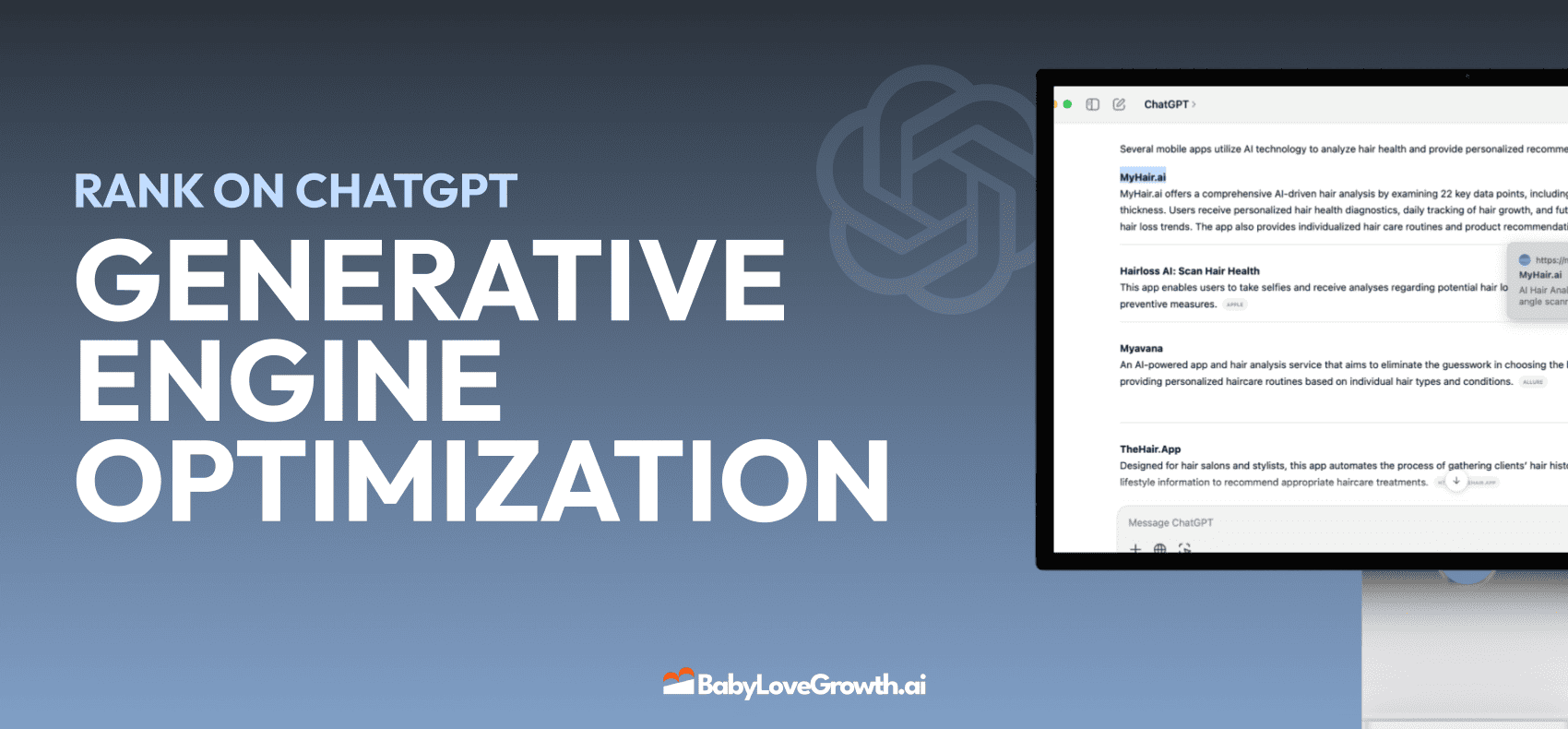
Generative Engine Optimization (GEO)
Learn how Generative Engine Optimization (GEO) helps your content rank in AI search engines like ChatGPT and Google AI. This comprehensive guide explains the differences between SEO and GEO, why it matters for your business, and practical steps to implement GEO strategies for better visibility in AI-generated responses.
DylenJan 18, 2025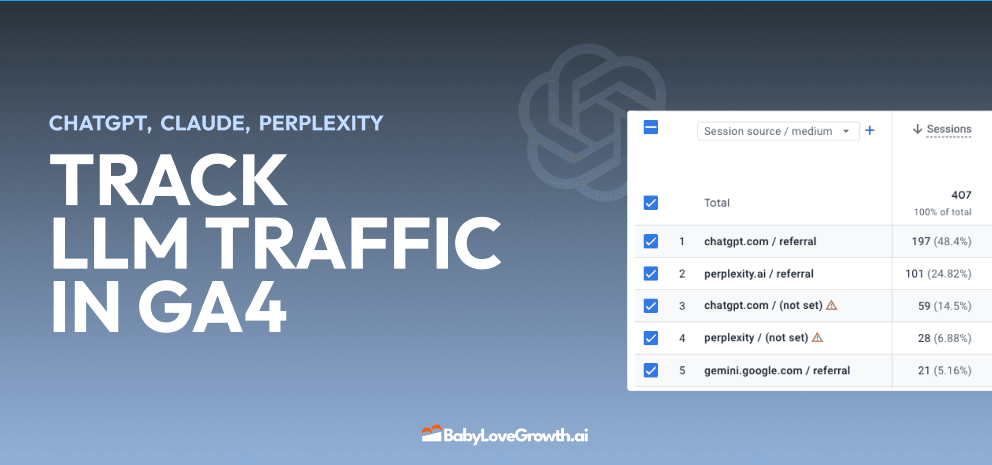
Track LLM Traffic in Google Analytics 4 (GA4)
Learn how to track and analyze traffic from AI sources like ChatGPT, Claude, Perplexity, and Google Gemini in Google Analytics 4. This step-by-step guide shows you how to set up custom filters to monitor AI-driven traffic and make data-driven decisions for your content strategy.
DylenMar 18, 2025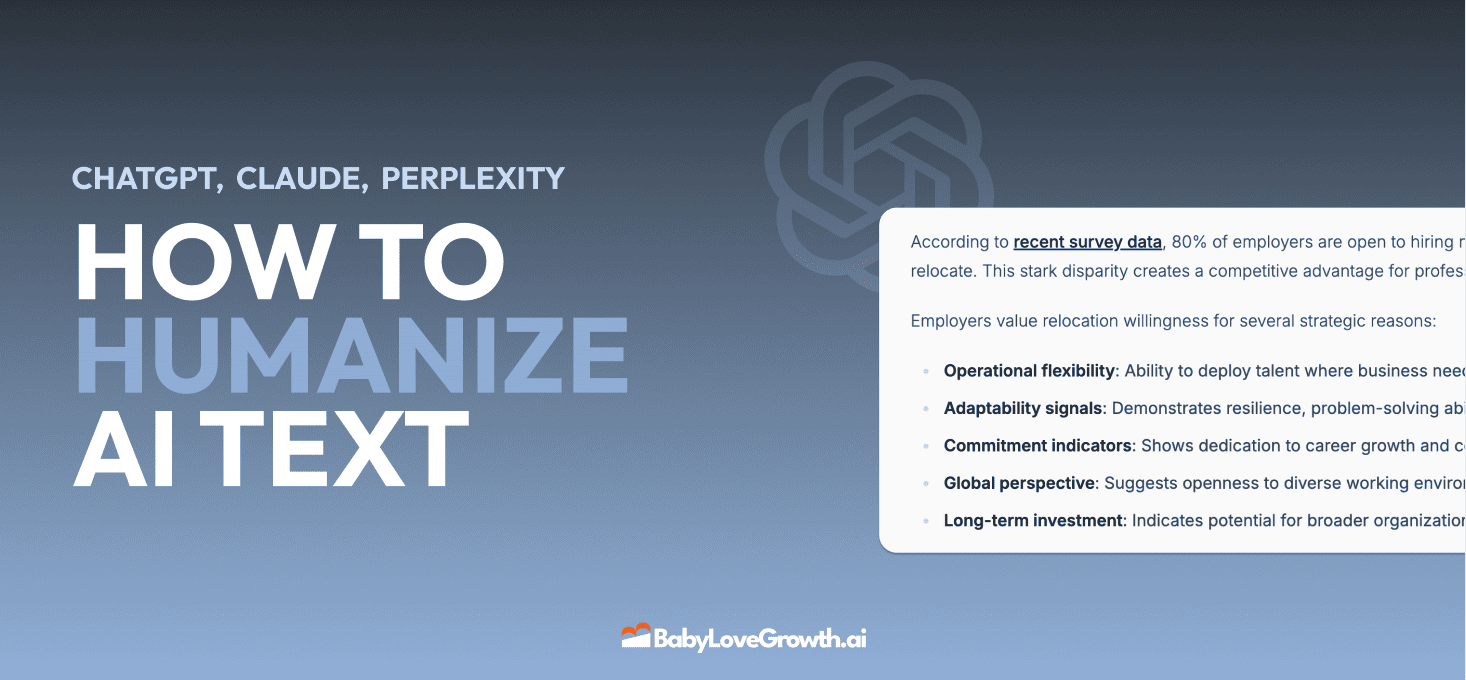
How to Humanize AI Text with Instructions
Learn practical techniques to make AI-generated content sound more natural and human. This guide covers active voice, direct addressing, concise writing, and other proven strategies to transform robotic text into engaging content.
DylenApril 7, 2025
Open AI Revenue and Statistics (2024)
Comprehensive analysis of OpenAI financial performance, user engagement, and market position in 2023. Discover key statistics including $20B valuation, $1B projected revenue, and 100M+ monthly active users.
DylenOctober 03, 2025