Content Diversity: Why It Matters for SEO Success


More than 80 percent of American tech businesses report struggling to keep their content both fresh and appealing across global markets. For small and medium business owners and digital marketers, understanding what true content diversity means goes far beyond simply ticking demographic boxes. This article clears up common myths and explores how a strategic, automated SEO approach can dramatically widen your reach by capturing multiple viewpoints and content formats.
Table of Contents
- Defining Content Diversity And Common Myths
- Main Types Of Content Diversity In SEO
- How Content Diversity Drives Traffic And Growth
- AI's Role In Scaling Diverse Content Strategies
- Risks, Common Pitfalls, And How To Avoid Them
Key Takeaways
| Point | Details |
|---|---|
| Content Diversity is Holistic | It involves capturing various perspectives, experiences, and methodologies rather than just meeting demographic quotas. |
| Strategic Content Formats | Businesses should utilize a mix of textual, visual, interactive, and audio content to engage diverse audience segments effectively. |
| Continuous Improvement is Essential | Organizations must regularly assess and update their content diversity strategies to avoid superficial representation and ensure authentic engagement. |
| AI Enhances Content Diversity | Utilizing AI tools can aid in generating varied content while also ensuring that human oversight maintains authenticity and cultural nuance. |
Defining Content Diversity and Common Myths
Content diversity represents a strategic approach to creating comprehensive, multifaceted digital content that transcends traditional boundaries. At its core, diversity means developing material that reflects multiple perspectives, methodologies, and experiences, moving far beyond simplistic demographic representation. Understanding diversity requires looking beyond surface-level characteristics and embracing a holistic view of representation and inclusion.
Many businesses mistakenly believe content diversity is merely about checking demographic boxes or including token representation. However, true content diversity involves creating authentic, nuanced narratives that genuinely reflect different viewpoints, experiences, and approaches. Diversity is not a one-time achievement but a continuous process of learning, adapting, and expanding perspectives. This means consistently challenging existing narratives, seeking out underrepresented voices, and creating content ecosystems that welcome multiple interpretations.
In the digital marketing and SEO landscape, content diversity translates to developing articles, videos, and resources that speak to varied audience segments. This approach involves:
- Representing multiple cultural perspectives
- Exploring topics from different professional angles
- Using varied content formats (text, video, infographics)
- Addressing diverse learning styles and comprehension levels
- Incorporating global and local insights
By embracing a comprehensive view of diversity, businesses can create more engaging, authentic content that resonates with broader audiences and signals depth of understanding to search algorithms.
Pro tip: Conduct regular content audits to assess your current diversity metrics and identify areas for expanding perspective and representation.
Main Types of Content Diversity in SEO
Content diversity in SEO goes far beyond simply creating multiple pieces of content. It involves strategically developing different content formats that serve unique purposes and engage various audience segments. Understanding the spectrum of content types is critical for comprehensive SEO strategies, allowing businesses to create rich, multifaceted digital experiences that satisfy both user intent and search algorithm requirements.

The primary types of content diversity in SEO can be categorized across several key dimensions. Text-based content remains fundamental, including blog posts, long-form articles, whitepapers, and guides. However, modern SEO demands a more sophisticated approach that integrates multimedia elements. Visual content like infographics, videos, and interactive graphics can dramatically enhance engagement and provide alternative ways for users to consume information. Audio content such as podcasts and webinars offers another layer of accessibility, allowing audiences to engage with information during commutes or while performing other tasks.
Effective SEO content diversity should encompass:
- Textual Content
- Blog articles
- Comprehensive guides
- Whitepapers and research reports
- Case studies
- Visual Content
- Infographics
- Explainer videos
- Data visualization
- Slide decks
- Interactive Content
- Calculators
- Quizzes
- Interactive maps
- Comparison tools
- Audio/Video Content
- Podcasts
- Webinars
- Tutorial videos
- Expert interviews
By implementing a multifaceted content strategy that spans these formats, businesses can create a robust digital presence that meets diverse user preferences and search engine requirements.
Pro tip: Develop a content matrix that tracks your current content types and identifies gaps in your diversity strategy to ensure comprehensive coverage.
How Content Diversity Drives Traffic and Growth
Expanding content diversity fundamentally transforms how search engines and users interact with digital platforms. By creating a rich tapestry of content that addresses multiple user needs and search intents, businesses can dramatically increase their organic visibility and attract a broader audience. This approach goes beyond traditional keyword optimization, focusing instead on building comprehensive topical authority that signals expertise to search algorithms.Traffic generation through content diversity works by creating multiple entry points for potential visitors. When a website offers varied content formats like videos, podcasts, infographics, and long-form articles, it increases the probability of capturing user attention across different search queries and platforms. Each content type serves as a unique pathway, attracting different segments of the target audience and providing multiple opportunities for engagement. This multi-channel approach ensures that businesses are not dependent on a single content type or traffic source, creating a more resilient and adaptive digital presence.
The strategic benefits of content diversity extend beyond immediate traffic generation. By developing content that addresses various user needs and learning preferences, businesses can:
Here's a summary of how content diversity benefits both users and business metrics:
| Area Enhanced | User Benefit | Business Impact |
|---|---|---|
| Engagement | More relatable experiences | Higher website retention |
| Trust | Addresses unique perspectives | Stronger brand credibility |
| Traffic Generation | Multiple entry points | Increased organic visits |
| SEO Performance | Varied learning resources | Improved search rankings |
| Thought Leadership | Exposure to diverse ideas | Recognition as industry expert |
- Improve overall website engagement rates
- Reduce bounce rates
- Increase time spent on site
- Build stronger user trust and credibility
- Enhance search engine ranking potential
- Create opportunities for internal linking
- Attract backlinks from diverse sources
- Demonstrate comprehensive industry expertise
Successful content diversity requires a nuanced understanding of audience segments, their information consumption habits, and the specific value each content type provides. This means continuously analyzing user behavior, tracking performance metrics, and adapting content strategies to meet evolving digital landscape demands.
Pro tip: Create a quarterly content diversity audit that maps your existing content against user personas and identifies potential format and topic gaps to optimize your traffic generation strategy.
AI's Role in Scaling Diverse Content Strategies
Advanced artificial intelligence technologies are fundamentally transforming content creation strategies, enabling businesses to produce diverse, sophisticated content at unprecedented scales. AI-driven tools can now generate multiple content formats simultaneously, breaking through traditional production limitations and allowing organizations to create rich, varied digital experiences that cater to different audience preferences and learning styles.
The power of AI in content diversity extends far beyond simple content generation. Sophisticated algorithms can analyze user behavior, search patterns, and engagement metrics to recommend personalized content strategies that maximize reach and relevance. By addressing potential biases and promoting inclusive content approaches, AI technologies help businesses create more nuanced, representative digital experiences that resonate with broader audience segments.
Key capabilities of AI in scaling content diversity include:
- Automated Content Generation
- Multilingual content creation
- Format-specific content adaptation
- Quick research and fact-checking
- Personalization Techniques
- Audience segment analysis
- Dynamic content recommendation
- Learning style adaptation
- Optimization Strategies
- Semantic keyword research
- Content performance prediction
- Real-time content adjustment
- Diversity Enhancement
- Identifying content gaps
- Suggesting underrepresented perspectives
- Reducing algorithmic bias
Successful AI-powered content strategies require ongoing human oversight, ensuring that technological capabilities are balanced with genuine creativity, ethical considerations, and authentic storytelling.
The table below clarifies how human oversight and AI complement each other in content diversity approaches:
| Task Area | Human Contribution | AI Contribution |
|---|---|---|
| Content Quality | Enforces authentic voice | Ensures output consistency |
| Bias Control | Provides ethical perspective | Detects data-set imbalance |
| Personalization | Interprets cultural nuance | Analyzes user behavior |
| Efficiency | Guides creative direction | Automates content creation |
Pro tip: Implement a hybrid AI-human content review process that leverages machine efficiency while maintaining authentic, nuanced storytelling.
Risks, Common Pitfalls, and How to Avoid Them
Content diversity strategies can quickly become counterproductive without careful strategic planning and implementation. Many organizations mistakenly view diversity as a checkbox exercise, failing to understand the nuanced approach required to create meaningful, impactful content that genuinely resonates with different audience segments. The risks of poorly executed diversity strategies extend beyond surface-level representation, potentially damaging brand credibility and audience trust.The most significant pitfalls in content diversity emerge from oversimplification and lack of strategic depth. Organizations often fall into traps such as tokenistic representation, where diverse content feels forced or inauthentic, or creating content that lacks substantive value while attempting to appear inclusive. These approaches can backfire, alienating the very audiences they intend to engage and undermining the organization's credibility.
Key risks and strategic mitigation strategies include:
- Representational Risks
- Avoid superficial diversity
- Ensure genuine, nuanced perspectives
- Validate content with diverse voices
- Strategic Implementation Challenges
- Develop clear diversity guidelines
- Create comprehensive content review processes
- Establish meaningful inclusion metrics
- Authenticity Concerns
- Prioritize genuine storytelling
- Involve subject matter experts
- Maintain consistent narrative quality
- Technical Execution Pitfalls
- Monitor algorithmic bias
- Implement balanced content generation
- Regularly audit content performance
Successful content diversity requires a holistic approach that goes beyond simple numerical representation, focusing instead on creating genuinely meaningful, representative experiences that reflect the complexity of human perspectives.
Pro tip: Implement a quarterly diversity content audit that evaluates not just representation percentages, but the depth, authenticity, and genuine value of your diverse content strategies.
Unlock SEO Success with Smarter Content Diversity Solutions
The article highlights the challenge of creating genuinely diverse content that goes beyond simple representation to capture multiple perspectives, formats, and user needs. If you struggle to scale authentic, engaging content that improves SEO performance and drives organic traffic, you are not alone. Crafting a comprehensive content strategy that includes text, video, infographics, and interactive formats is complex but essential for building real authority and trust in your niche.
Babylovegrowth.ai understands these pain points and offers an all-in-one AI-powered platform designed to simplify this process while delivering high-quality, diverse content tailored for Google and ChatGPT. Our solutions help you automate the creation of impactful articles and multimedia assets that resonate with varied audiences and enhance your site’s search ranking potential. Through a 30-day personalized content plan and a backlink exchange ecosystem, we empower you to build a resilient SEO presence without the usual headaches of manual management or agency costs.
Elevate your traffic strategy by leveraging AI-driven content diversity that truly works. Visit Babylovegrowth.ai today to explore how our rank-high services and detailed business analysis can transform your organic growth.
Looking to expand your content formats and engage broader audiences right now?
Start your free trial at Babylovegrowth.ai and take the first step toward automating SEO success with diverse, authentic content strategies.
Frequently Asked Questions
What is content diversity in SEO?
Content diversity in SEO refers to the strategic creation of various types of content (text, visual, audio, and interactive) that addresses multiple audience segments and search intents. It aims to provide comprehensive, engaging experiences for users while enhancing search engine visibility.
Why is content diversity important for digital marketing?
Content diversity is crucial for digital marketing because it allows businesses to connect with broader audiences, improve engagement rates, and increase organic traffic. A diverse content strategy can signal expertise to search algorithms, thereby enhancing SEO performance and search rankings.
How can businesses implement content diversity effectively?
Businesses can implement content diversity by creating different content types, including blog posts, videos, infographics, podcasts, and interactive tools. It's also essential to regularly audit content for representation and ensure that various audience perspectives are included in the narratives.
What are common mistakes to avoid in content diversity strategies?
Common mistakes include superficial representation, tokenistic content, and lack of genuine value in diverse narratives. Organizations should focus on authenticity, implement thorough content review processes, and ensure that diverse perspectives are genuinely represented within their content.
Recommended
Smart SEO,
Faster Growth!
Most Read Articles
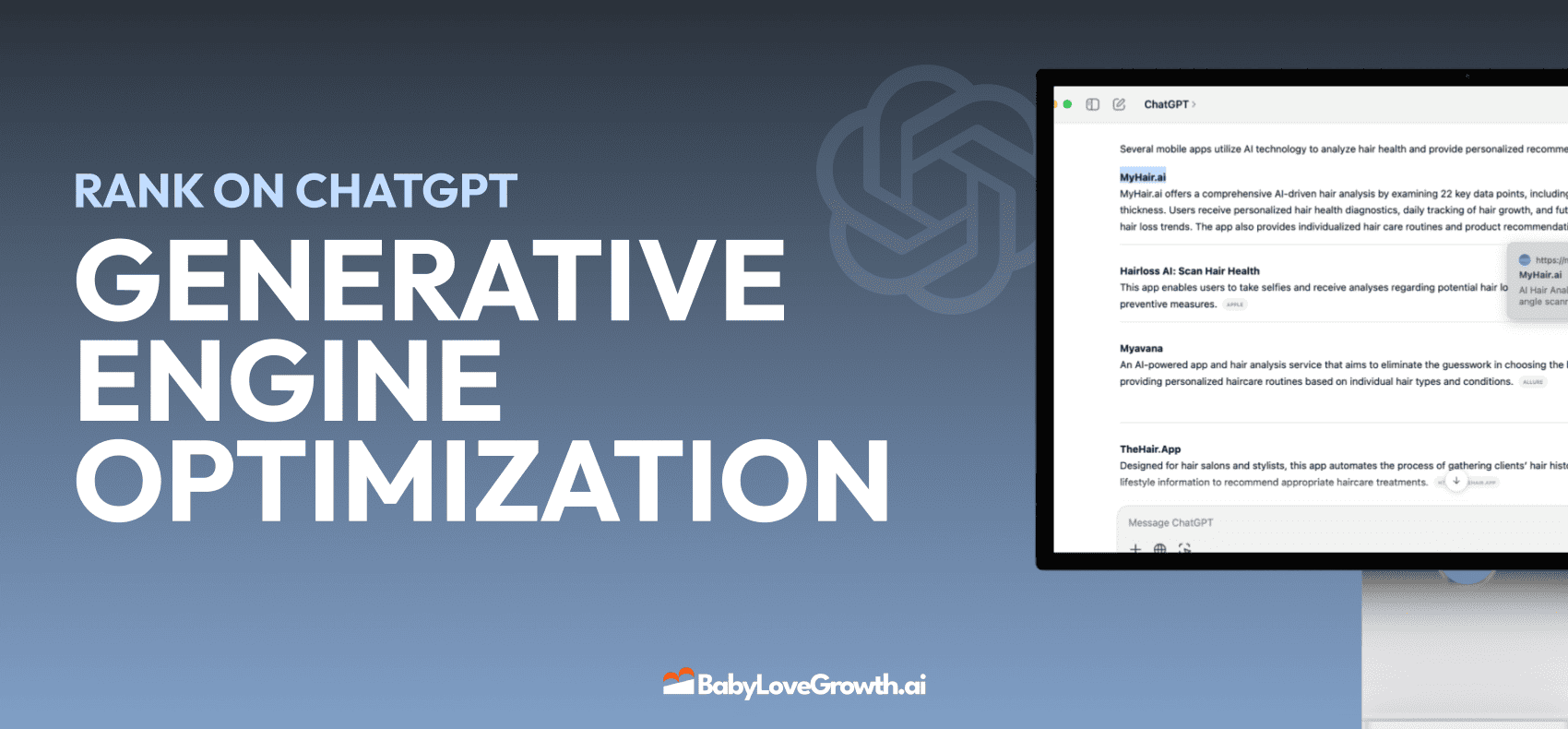
Generative Engine Optimization (GEO)
Learn how Generative Engine Optimization (GEO) helps your content rank in AI search engines like ChatGPT and Google AI. This comprehensive guide explains the differences between SEO and GEO, why it matters for your business, and practical steps to implement GEO strategies for better visibility in AI-generated responses.
DylenJan 18, 2025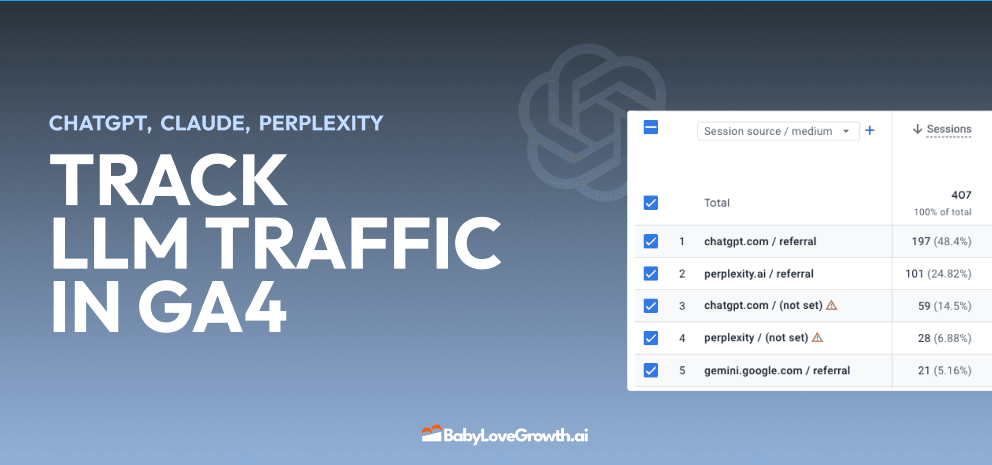
Track LLM Traffic in Google Analytics 4 (GA4)
Learn how to track and analyze traffic from AI sources like ChatGPT, Claude, Perplexity, and Google Gemini in Google Analytics 4. This step-by-step guide shows you how to set up custom filters to monitor AI-driven traffic and make data-driven decisions for your content strategy.
DylenMar 18, 2025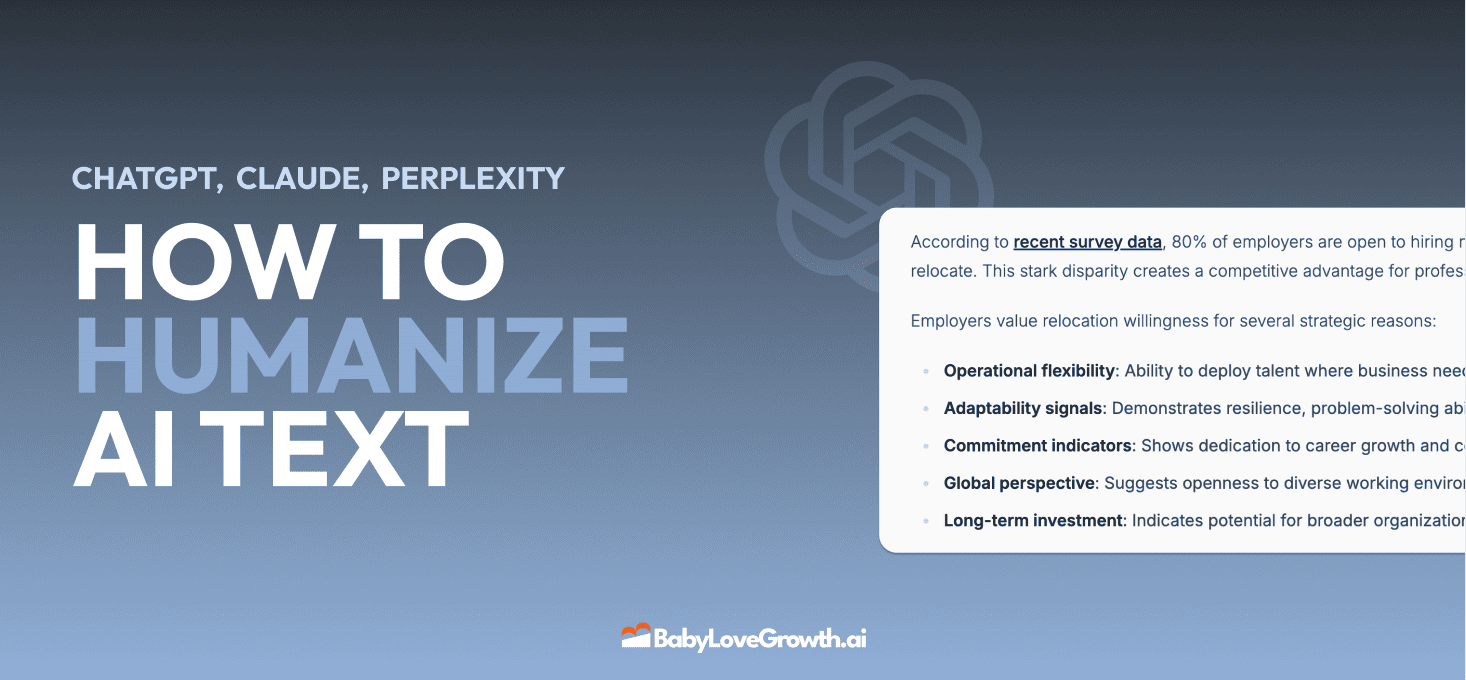
How to Humanize AI Text with Instructions
Learn practical techniques to make AI-generated content sound more natural and human. This guide covers active voice, direct addressing, concise writing, and other proven strategies to transform robotic text into engaging content.
DylenApril 7, 2025
Open AI Revenue and Statistics (2024)
Comprehensive analysis of OpenAI financial performance, user engagement, and market position in 2023. Discover key statistics including $20B valuation, $1B projected revenue, and 100M+ monthly active users.
DylenOctober 03, 2025