Impact of Social Media on SEO: Key Drivers for Growth


Most American digital marketing managers underestimate how much social media can shape SEO outcomes. With over 60 percent of younger audiences discovering new products on social platforms, understanding Social SEO is more important than ever. Clarifying what actually influences search rankings helps e-commerce businesses worldwide adopt smarter strategies. This guide dispels common myths and delivers actionable advice for using automation and engagement to drive real results.
Table of Contents
- Defining Social SEO and Common Misconceptions
- Types of Social Media Platforms Affecting SEO
- How Social Engagement Influences Search Rankings
- Amplifying Content and Earning Backlinks via Social Channels
- Optimizing Social Profiles for Enhanced Visibility
- Risks, Pitfalls, and Smart Automation Techniques
Key Takeaways
| Point | Details |
|---|---|
| Understanding Social SEO | Social SEO integrates social media with SEO strategies to enhance visibility, focusing on content engagement rather than direct ranking signals. |
| Platform-Specific Engagement | Each social media platform offers unique impacts on SEO; understanding their dynamics helps in crafting effective content strategies. |
| Social Engagement Metrics | User interactions significantly influence search rankings, where high engagement signals content quality and authority. |
| Profile Optimization | Optimizing social profiles with keywords and multimedia enhances visibility and authority, essential for attracting relevant audiences. |
Defining Social SEO and Common Misconceptions
Social SEO represents a sophisticated digital marketing strategy that bridges social media engagement with search engine optimization principles. Unlike traditional SEO approaches, Social SEO focuses on leveraging social media platforms to enhance online visibility and drive targeted organic traffic. Social media's role in search optimization has evolved dramatically, with platforms becoming critical research channels for younger audiences.
The core misconception many businesses hold is believing social media signals directly determine search rankings. In reality, social media impacts SEO more indirectly through brand awareness, content distribution, and potential backlink generation. Social platforms create complex interconnected networks where engagement metrics like shares, comments, and interactions signal content relevance and quality to search algorithms. This nuanced relationship means digital marketers must view social media not as a ranking factor, but as a strategic amplification tool for their SEO efforts.
To effectively implement Social SEO, businesses need a multifaceted approach that transcends traditional platform-specific tactics. This involves creating high-quality, shareable content, maintaining consistent brand messaging across channels, and strategically using hashtags and keywords that resonate with target audience search behaviors. Understanding each social platform's unique algorithmic preferences and user intent becomes crucial for maximizing visibility and driving meaningful engagement.
Pro tip: Develop a content strategy that prioritizes creating valuable, platform-specific content designed to encourage natural sharing and link generation across multiple social networks.
Types of Social Media Platforms Affecting SEO
Social media platforms represent a diverse ecosystem with unique characteristics that significantly impact search engine optimization strategies. Platform-specific engagement dynamics reveal that each network contributes differently to online visibility and content discovery. Professional networks like LinkedIn prioritize business-oriented content, while visual platforms such as Instagram and TikTok emphasize trend-driven, visually compelling material.
Traditional platforms are experiencing notable shifts in user trust and engagement patterns. Facebook and X (formerly Twitter) have seen declining academic and professional usage, while emerging platforms like Bluesky are gaining traction as more targeted and user-aligned spaces. Professional networking platforms tend to carry more SEO weight due to their structured content and industry-specific audience targeting, making them particularly valuable for B2B marketing and thought leadership content.
The strategic approach to Social SEO requires understanding the nuanced algorithmic behaviors of different platforms. YouTube remains a powerful search-friendly platform for video content, while LinkedIn offers precision targeting for professional audiences. Instagram and TikTok excel in trend discovery and engagement, creating opportunities for brands to generate viral, shareable content that indirectly boosts search visibility through increased user interaction and potential backlink generation.
Pro tip: Develop platform-specific content strategies that align with each social network's unique algorithmic preferences and audience behaviors to maximize organic reach and search engine visibility.
Here's a comparison of how major social media platforms impact SEO strategies:
| Platform | Unique SEO Impact | Audience Focus | Recommended Content Type |
|---|---|---|---|
| Drives professional links | B2B, professionals | Industry insights, reports | |
| Boosts brand engagement | Younger, visual users | Short videos, infographics | |
| TikTok | Increases viral reach | Gen Z, trend followers | Creative short-form videos |
| Offers broad visibility | General consumers | Posts, community stories | |
| X (Twitter) | Amplifies thought leadership | News, academics | Timely updates, discussion |
| YouTube | Enhances video searchability | All age groups | Tutorials, webinars |
| Bluesky | Niche industry influence | Early adopters, tech | Expert commentary, analysis |
How Social Engagement Influences Search Rankings
Social engagement metrics have become increasingly sophisticated in determining content visibility and search rankings. Algorithmic ranking mechanisms demonstrate how user interactions like clicks, shares, and views dramatically impact content placement and perceived relevance. Search engines now interpret these social signals as indirect indicators of content quality, using engagement data to assess a webpage's authority and potential value to users.

In academic and professional contexts, social media engagement carries significant weight in establishing institutional and brand credibility. Research reveals that organizations with strategic social media approaches experience improved online visibility through increased brand searches, referral traffic, and content interaction. Platforms like LinkedIn and Twitter serve as critical channels for generating social proof, where high-engagement content signals to search algorithms that the material is trustworthy and informative.
The complex relationship between social engagement and search rankings extends beyond simple metrics. Organic traffic generation depends on creating content that naturally encourages user interaction, sharing, and discussion. Viral content, thought leadership pieces, and multimedia resources that prompt meaningful engagement can indirectly boost search rankings by generating backlinks, increasing time on site, and reducing bounce rates. This nuanced approach requires marketers to focus on creating genuinely valuable content that resonates with target audiences across multiple platforms.
Pro tip: Develop content that sparks genuine conversation and encourages multi-platform sharing to maximize social engagement and potential SEO impact.
Amplifying Content and Earning Backlinks via Social Channels
Social media has transformed into a powerful mechanism for content amplification and strategic backlink acquisition. Strategic content sharing techniques enable businesses to expand their digital footprint by creating opportunities for organic link generation across multiple platforms. Unlike traditional link-building approaches, social channels provide a dynamic environment where compelling content can naturally attract attention from bloggers, journalists, and industry influencers.
The backlink ecosystem operates through nuanced interaction patterns where content visibility directly correlates with potential link acquisition. High-quality, shareable content that resonates with target audiences increases the likelihood of earning natural backlinks, even when social platform links are typically no-follow. By crafting informative, engaging materials that provide genuine value, organizations can trigger organic sharing mechanisms that extend far beyond initial social media distribution.
Successful social media link-building requires a multi-dimensional strategy that goes beyond simple content posting. This involves active engagement with industry communities, strategic collaboration with thought leaders, and creating multimedia content that encourages interaction. Podcasts, infographics, original research, and interactive content tend to generate more shares and potential backlink opportunities, effectively transforming social platforms into robust link-generation networks that support comprehensive SEO objectives.
Pro tip: Create content that solves specific audience problems and encourages natural sharing across professional and social networks to maximize backlink potential.
Optimizing Social Profiles for Enhanced Visibility
Building a powerful digital presence requires strategic profile optimization across multiple platforms. Comprehensive digital identity practices emphasize creating consistent, keyword-rich professional profiles that enhance discoverability and search visibility. Each social platform demands a tailored approach, focusing on complete profile information, professional imagery, and strategic content positioning that aligns with target audience expectations.
The optimization process involves multiple critical components beyond basic profile completion. This includes selecting appropriate professional keywords, crafting compelling biographical statements, and strategically showcasing expertise through multimedia content. Platforms like LinkedIn, Google Scholar, and industry-specific networks require nuanced approaches that highlight professional achievements, research interests, and unique value propositions. Consistent branding across these platforms signals credibility and improves algorithmic recognition.
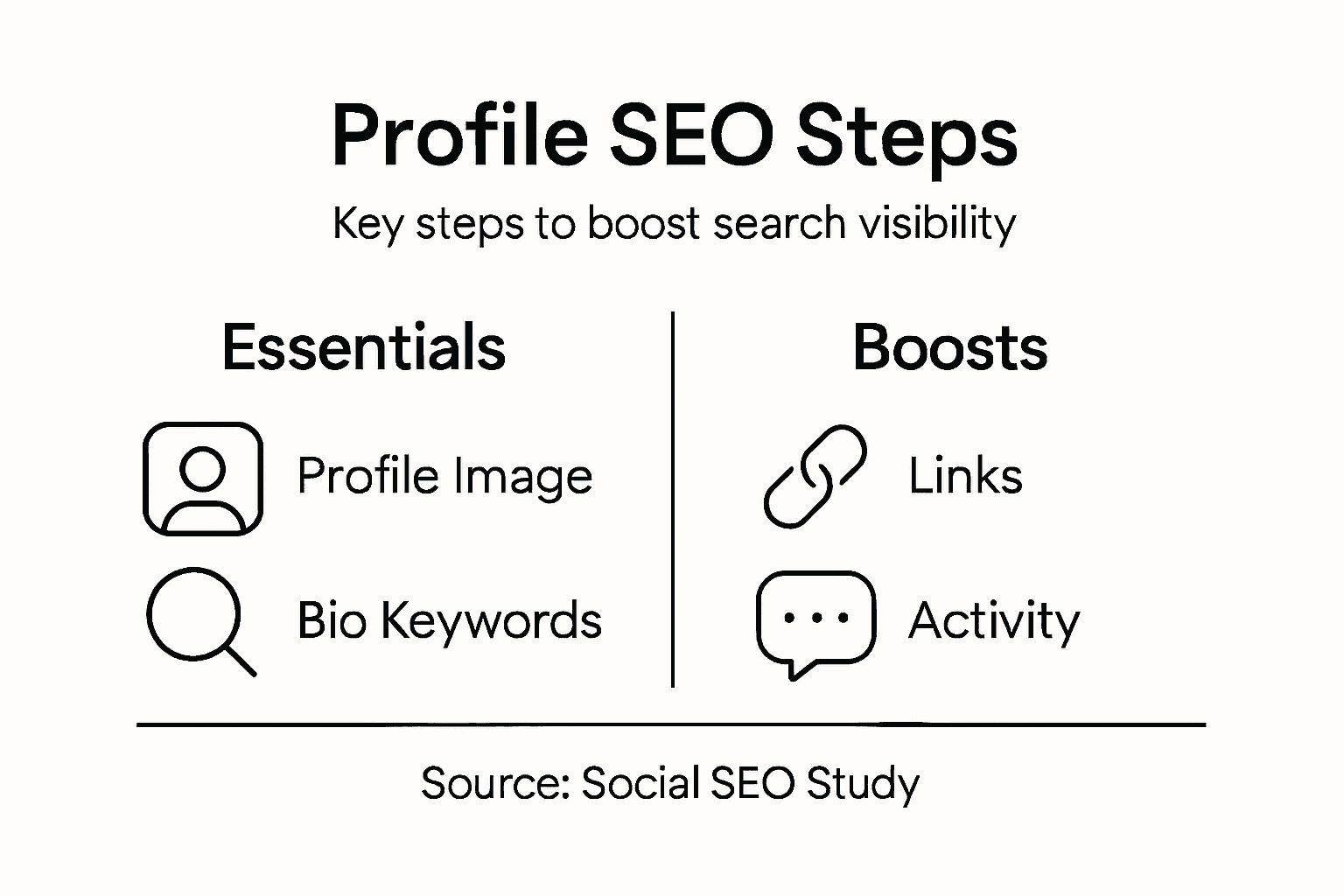
Advanced profile optimization transcends simple information display, requiring dynamic engagement strategies. Regularly updating profiles with recent accomplishments, sharing original content, and maintaining active participation in professional communities can significantly enhance visibility. AI-powered tools now offer sophisticated methods for tracking profile performance, suggesting keyword improvements, and identifying opportunities for expanding professional reach across digital ecosystems.
Pro tip: Conduct a quarterly audit of your social profiles, ensuring keyword relevance, updating professional achievements, and aligning your digital presence with current career objectives.
Below is a summary of effective profile optimization techniques for enhanced online visibility:
| Optimization Step | Purpose | Business Benefit |
|---|---|---|
| Keyword selection | Improves discoverability | Higher profile search ranking |
| Professional imagery | Establishes trust | Increased click-through rates |
| Biographical statement | Clarifies expertise | Attracts relevant connections |
| Multimedia showcases | Demonstrates achievements | Builds authority and reach |
| Regular updates | Maintains relevance | Sustained audience engagement |
Risks, Pitfalls, and Smart Automation Techniques
Social media automation presents a complex landscape of opportunities and potential risks for digital marketers. Automated social media strategies require careful navigation to balance efficiency with authentic engagement. The primary challenge lies in maintaining a human touch while leveraging technological capabilities to streamline content distribution and audience interaction.
The key risks associated with unchecked automation include algorithmic penalties, loss of brand authenticity, and potential reputation damage. Platforms like Facebook, Instagram, and LinkedIn have sophisticated detection mechanisms that can identify and potentially suppress over-automated content. Marketers must develop nuanced strategies that blend scheduled posting with real-time human intervention, ensuring that automated processes enhance rather than replace genuine communication.
Successful social media automation demands a strategic, multi-layered approach. This involves using advanced tools that provide data-driven insights, allow for content customization, and support contextual awareness. Intelligent automation techniques should focus on repetitive tasks like scheduling, basic analytics tracking, and initial content distribution, while reserving critical engagement elements like direct messaging, complex interactions, and crisis management for human oversight. Machine learning algorithms can now help predict optimal posting times, suggest content variations, and identify potential engagement opportunities.
Pro tip: Implement a 70-30 rule for social media automation, where 70% of content is strategically scheduled and 30% remains flexible for real-time, authentic human interaction.
Unlock the Full Potential of Social SEO with AI-Powered Growth
Navigating the complex relationship between social media engagement and search rankings requires more than just posting content. The challenge lies in consistently producing high-quality, shareable materials that drive genuine interaction and backlink opportunities. If you want to turn social platforms into true amplifiers for your SEO strategy and avoid common pitfalls like over-automation or inconsistent branding, you need a smart, automated solution tailored for your business goals.
Discover how Babylovegrowth.ai streamlines your organic growth by combining AI-driven content creation with a strategic backlink exchange system. Our platform delivers a personalized 30-day content plan designed to boost both Google and ChatGPT rankings. Start leveraging advanced social engagement insights and simplify your SEO journey today. Don’t wait to transform your social signals into lasting search visibility. Visit Babylovegrowth.ai now to begin your free trial and step into effortless growth.
Explore how to enhance your content strategy with our rank-high services on Google and ChatGPT and benefit from detailed business analysis that pinpoints your unique growth opportunities. Take control of your online presence and turn social media’s SEO potential into measurable results.
Frequently Asked Questions
How does social media impact SEO?
Social media impacts SEO indirectly by enhancing brand awareness, distributing content, and generating backlinks through increased user engagement metrics such as shares and interactions.
What are some effective social media strategies for improving SEO?
Effective strategies include creating high-quality, shareable content, maintaining consistent messaging across platforms, using relevant hashtags and keywords, and understanding each platform's audience behavior and algorithm preferences.
Why is social engagement important for search rankings?
Social engagement is crucial because it serves as an indirect indicator of content quality to search engines. Higher engagement rates, such as clicks and shares, can lead to improved visibility and search rankings.
What type of content performs best on different social media platforms for SEO?
Content types vary by platform: LinkedIn is ideal for professional insights, Instagram excels with visual content, TikTok thrives on creative short videos, while YouTube is great for tutorials and webinars. Each platform's unique audience influences what performs best.
Recommended
Smart SEO,
Faster Growth!
Most Read Articles
Generative Engine Optimization (GEO)
Learn how Generative Engine Optimization (GEO) helps your content rank in AI search engines like ChatGPT and Google AI. This comprehensive guide explains the differences between SEO and GEO, why it matters for your business, and practical steps to implement GEO strategies for better visibility in AI-generated responses.
DylenJan 18, 2025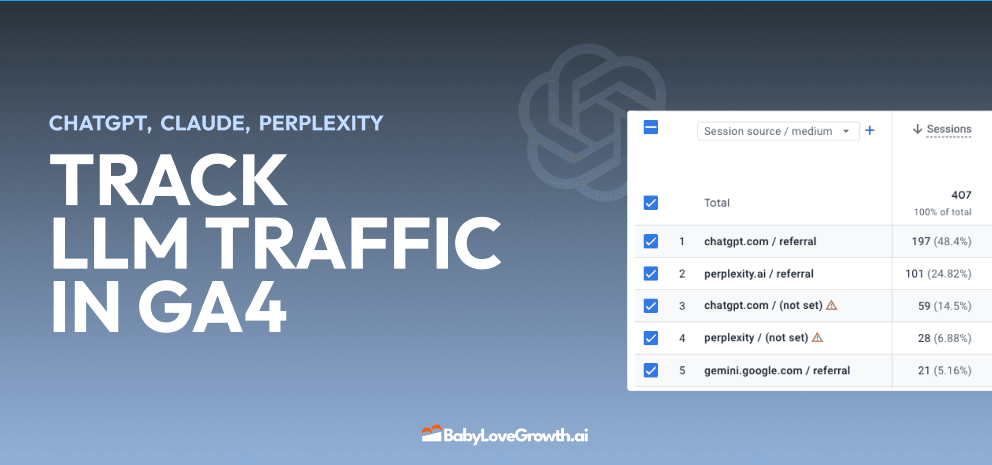
Track LLM Traffic in Google Analytics 4 (GA4)
Learn how to track and analyze traffic from AI sources like ChatGPT, Claude, Perplexity, and Google Gemini in Google Analytics 4. This step-by-step guide shows you how to set up custom filters to monitor AI-driven traffic and make data-driven decisions for your content strategy.
DylenMar 18, 2025
How to Humanize AI Text with Instructions
Learn practical techniques to make AI-generated content sound more natural and human. This guide covers active voice, direct addressing, concise writing, and other proven strategies to transform robotic text into engaging content.
DylenApril 7, 2025
Open AI Revenue and Statistics (2024)
Comprehensive analysis of OpenAI financial performance, user engagement, and market position in 2023. Discover key statistics including $20B valuation, $1B projected revenue, and 100M+ monthly active users.
DylenOctober 03, 2025