How to Optimize Social Media for Maximum Business Growth


Most American businesses miss out on major results when they jump into social media without a clear plan. Finding the right direction among countless platforms and content options can feel overwhelming. Nearly 80 percent of companies say they aren't meeting their social media goals. This guide breaks down proven steps for defining your audience, setting smart objectives, and building a strategy that actually drives business growth.
Table of Contents
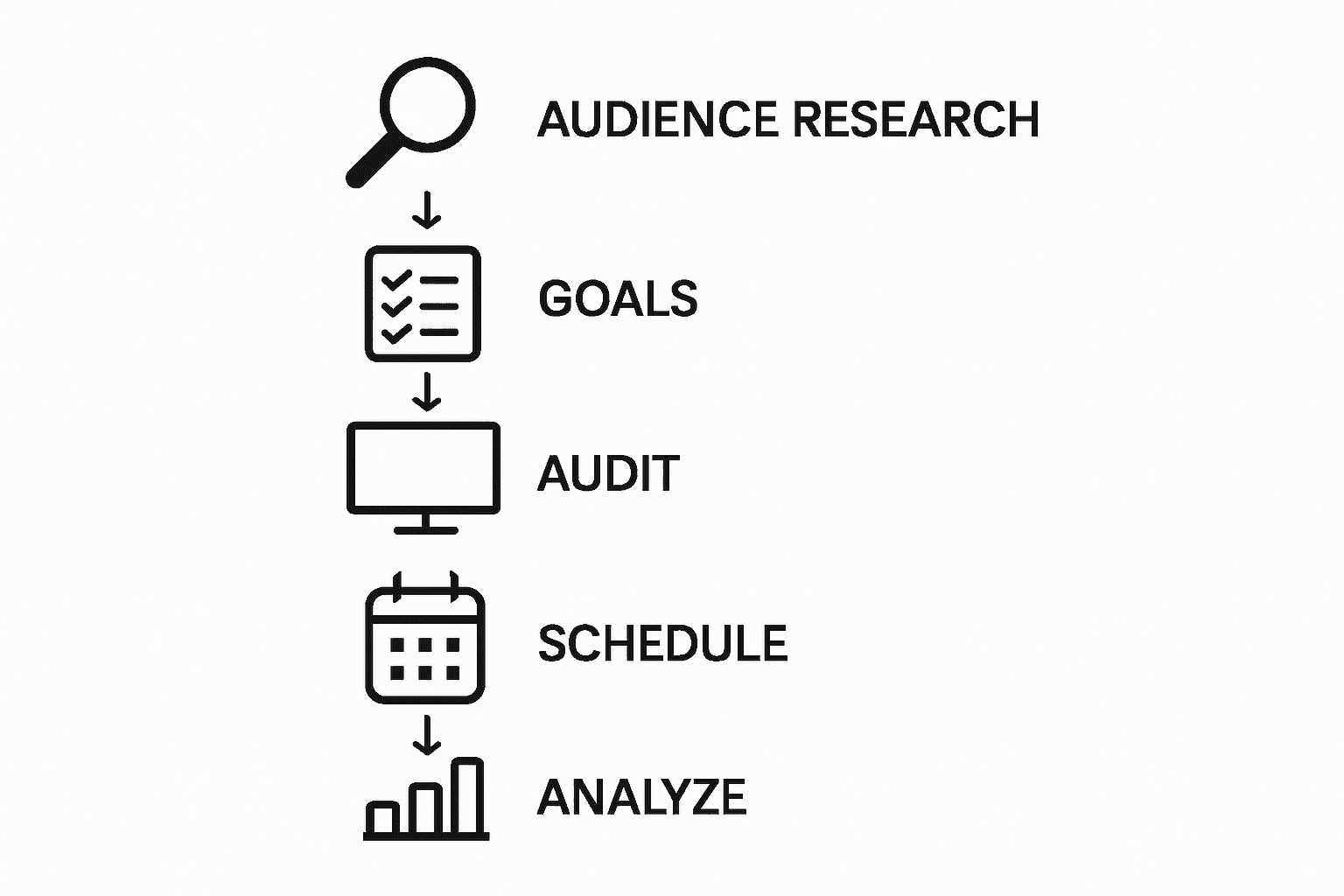
- Step 1: Define Target Audience And Social Goals
- Step 2: Audit Current Social Media Performance
- Step 3: Select Strategic Content Themes And Formats
- Step 4: Schedule And Automate Content Delivery
- Step 5: Analyze Engagement And Refine Strategies
Quick Summary
| Key Point | Explanation |
|---|---|
| 1. Define Your Target Audience | Understand your audience's demographics and psychographics for effective content creation. |
| 2. Set SMART Social Media Goals | Establish specific, measurable, achievable, relevant, and time-bound goals that align with business objectives. |
| 3. Conduct a Social Media Audit | Analyze current performance metrics to identify strengths, weaknesses, and opportunities for improvement. |
| 4. Choose Strategic Content Themes | Select varied content types that resonate with your audience's interests and format preferences. |
| 5. Monitor Engagement and Refine | Continuously analyze engagement data to improve content strategies and audience interaction. |
Step 1: Define target audience and social goals
Successfully optimizing your social media strategy begins with understanding exactly who you are targeting and what specific outcomes you want to achieve. This foundational step will transform your scattered social efforts into a precise, results-driven approach.
Starting with audience definition means digging deep into demographic and behavioral insights. Analyzing your target market's interests and characteristics allows you to create content that truly resonates. Think beyond basic age and location data. Consider psychographics like lifestyle preferences, professional challenges, aspirational goals, and online behaviors. If you sell business software, for instance, your target might be tech-savvy entrepreneurs between 28 and 45 who value efficiency and innovative solutions.
Next, establish clear social media goals that align directly with your broader business objectives. These goals must be specific, measurable, and time-bound. Instead of vague aims like "increase followers," set concrete targets such as "grow LinkedIn followers by 25% in six months" or "generate 50 qualified leads through targeted Facebook ads by quarter end." By creating SMART goals that connect social media activities to tangible business outcomes, you transform social platforms from mere communication channels into strategic growth engines.
Pro tip: Create a one-page audience and goals summary document that your entire marketing team can reference, ensuring consistent messaging and focused efforts across all social media channels.
Here's a quick summary of audience and goal-setting factors to consider for an effective social media strategy:
| Factor | Description | Example Impact |
|---|---|---|
| Demographics | Age, gender, location, education levels | Tailored language and visuals |
| Psychographics | Interests, lifestyles, values, aspirations | More engaging and relatable content |
| Social Media Goals | Specific and measurable targets | Clear metrics for campaign success |
| Alignment With Business | How social goals support broader company objectives | Measurable ROI from social efforts |
Step 2: Audit current social media performance
Performing a strategic audit of your existing social media channels will reveal critical insights about your current marketing efforts and highlight opportunities for significant improvement. This comprehensive evaluation helps you understand what's working and where you need to pivot.

The audit process should also include a competitive benchmarking component. Compare your social media performance against similar businesses in your industry to understand your relative strengths and weaknesses. Look at metrics like posting frequency, engagement rates, follower growth, and content strategy. This comparative analysis will help you identify strategic gaps and opportunities for differentiation. Consider tracking specific indicators like average post reach, click through rates, and audience growth month over month to create a comprehensive performance snapshot.
Pro tip: Create a standardized social media audit spreadsheet that you update monthly, allowing you to track trends and measure the impact of your strategic adjustments over time.
Step 3: Select strategic content themes and formats
Choosing the right content themes and formats is crucial for capturing your audience's attention and driving meaningful engagement across social media platforms. This strategic selection will transform your social media presence from random posts to a powerful communication tool.
Understanding the media engagement framework helps you develop content that resonates deeply with your target audience. Start by mapping your audience personas to specific content formats that match their preferences and consumption habits. For technology professionals, this might mean creating data-rich infographics and concise video explainers. For creative industries, visually stunning image carousels and behind-the-scenes storytelling could be more effective. Consider mixing content types to maintain variety visual content like short videos, professionally designed graphics, interactive polls, and long form written posts to keep your audience consistently engaged.Your content themes should align closely with your brand identity and business objectives while addressing your audience's core interests and pain points. Develop a content matrix that intersects your audience personas with potential themes like industry trends, problem solving tips, expert insights, and customer success stories. This approach ensures your content feels authentic and valuable rather than purely promotional. Track which themes generate the most interaction and continuously refine your strategy based on real audience feedback and engagement metrics.
Pro tip: Create a content calendar with predetermined themes and formats planned at least two months in advance, allowing for strategic preparation while maintaining flexibility for timely, trending topics.
This comparison highlights key content formats and their recommended uses across social platforms:
| Content Format | Best For | Typical Platforms |
|---|---|---|
| Video Explainer | Sharing complex concepts | LinkedIn, YouTube |
| Infographic | Visualizing data and facts | LinkedIn, Instagram |
| Image Carousel | Telling visual stories | Instagram, Facebook |
| Poll/Survey | Driving quick engagement | Twitter, Instagram |
| Written Article | In-depth insights and thought leadership | LinkedIn, Facebook |
Step 4: Schedule and automate content delivery
Scheduling and automating your social media content delivery transforms sporadic posting into a strategic, consistent communication approach that keeps your audience engaged without constant manual intervention. This step is critical for maintaining a professional online presence while freeing up valuable time for other business activities.
Developing a systematic content scheduling strategy requires selecting the right automation tools and understanding optimal posting times for each platform. Begin by mapping out your content themes and creating a comprehensive content calendar that spans at least one month in advance. Different social media platforms have unique peak engagement hours research shows that LinkedIn performs best during business hours while Instagram and TikTok see higher engagement in evenings and weekends. Use scheduling tools that allow you to prepare content in batches and automatically publish across multiple platforms simultaneously saving you hours of manual work each week.
When automating content delivery focus on maintaining authenticity and flexibility. While scheduling helps maintain consistency avoid becoming too robotic by leaving room for real time interactions and timely content updates. Set up alerts to monitor comments and messages so you can respond promptly even when automated posts are running. Create a mix of evergreen content that can be scheduled weeks in advance and more spontaneous posts that allow for current trending topics or immediate business updates. This balanced approach ensures your social media presence feels both professional and genuinely responsive.
Pro tip: Create content buckets with preapproved templates and messaging frameworks that can be quickly customized and scheduled ensuring brand consistency while reducing content creation time.
Step 5: Analyze engagement and refine strategies
Analyzing social media engagement provides critical insights that help you understand what content resonates with your audience and how to continuously improve your marketing approach. This data driven process transforms guesswork into strategic decision making.
Conducting a comprehensive social media performance analysis requires examining key metrics beyond surface level numbers. Look deeper than just likes and followers into meaningful engagement indicators such as comment quality, share rates, click through percentages and conversion metrics. Track which content types generate the most meaningful interactions tracking metrics like average watch time for videos average read time for posts and the ratio of passive views to active engagements. Pay special attention to posts that spark genuine conversations and inspire audience responses these are the true indicators of content effectiveness.
Refining your strategy means being willing to experiment and pivot based on your analytical findings. Segment your engagement data by different audience demographics content types and posting times to uncover nuanced insights. For instance you might discover that technical industry posts perform best on LinkedIn during mid morning hours while more casual visual content works better on Instagram during evening hours. Create a system of continuous measurement and adjustment where you regularly review performance data monthly or quarterly and make incremental improvements to your content approach. This iterative process ensures your social media strategy remains dynamic and responsive to your audiences evolving preferences.
Pro tip: Set up automated reporting dashboards that compile your key engagement metrics into visual reports making it easy to spot trends and insights quickly without manual data compilation.
Unlock Consistent Growth by Optimizing Your Social Media Strategy
If you are struggling with defining clear social goals or finding the right content themes to truly engage your audience, you are not alone. Many businesses face challenges such as creating measurable targets or automating content delivery without losing authenticity. The article "How to Optimize Social Media for Maximum Business Growth" highlights how important it is to turn social platforms into strategic growth engines by setting SMART goals, auditing your performance, and refining your content based on real data.
Babylovegrowth.ai offers a powerful solution that complements these essential steps by simplifying your organic growth through AI-driven content and backlink strategies. With its automated system, you can generate high-quality articles optimized for Google and ChatGPT, maintain a steady content calendar, and leverage a backlink exchange ecosystem designed to boost your online visibility. This means you spend less time guessing what works and more time growing your business with scalable, personalized SEO on autopilot.
Leverage the same strategic mindset described in the article combined with the automation and insight of Babylovegrowth.ai to transform your social media efforts into measurable progress. Discover how to bridge social engagement and strong SEO ranks with a platform built for marketers just like you.
Get started today and experience the difference.
Enhance your strategy with tools designed for success at Babylovegrowth.ai and explore more on how to take your business growth to the next level.
Get started with AI-powered content and SEO automation.
Frequently Asked Questions
How do I define my target audience for social media?
To define your target audience, analyze demographic and behavioral insights deeply. Identify their interests, lifestyle preferences, and professional challenges to create content that resonates. Develop buyer personas to tailor your messaging effectively.
What social media goals should I set for business growth?
Set specific, measurable, and time-bound goals that align with your overall business objectives. For example, aim to grow your LinkedIn followers by 25% within six months or generate 50 qualified leads through Facebook ads by the end of the quarter.
How can I perform a social media audit effectively?
Conduct a social media audit by compiling an inventory of your active accounts and examining key performance metrics. Track engagement rates and content performance to identify your strengths and weaknesses, and compare your results against competitors to uncover improvement areas.
What content themes should I focus on for my audience?
Focus on content themes that align with your brand identity while addressing your audience’s interests and pain points. Create a content matrix that includes themes like industry trends and expert insights, ensuring that you engage your audience effectively.
How often should I schedule social media posts to maximize engagement?
Schedule social media posts consistently, aiming for at least three to five times a week across platforms. Use a content calendar to plan posts one month in advance while allowing room for timely updates and trending topics to keep your audience interested.
How can I analyze engagement and refine my social media strategies?
Analyze engagement by tracking meaningful metrics such as comment quality and click-through rates. Regularly review your performance data, at least monthly, to identify trends and adjust your content strategies based on what resonates most with your audience.
Recommended
Smart SEO,
Faster Growth!
Most Read Articles
Generative Engine Optimization (GEO)
Learn how Generative Engine Optimization (GEO) helps your content rank in AI search engines like ChatGPT and Google AI. This comprehensive guide explains the differences between SEO and GEO, why it matters for your business, and practical steps to implement GEO strategies for better visibility in AI-generated responses.
DylenJan 18, 2025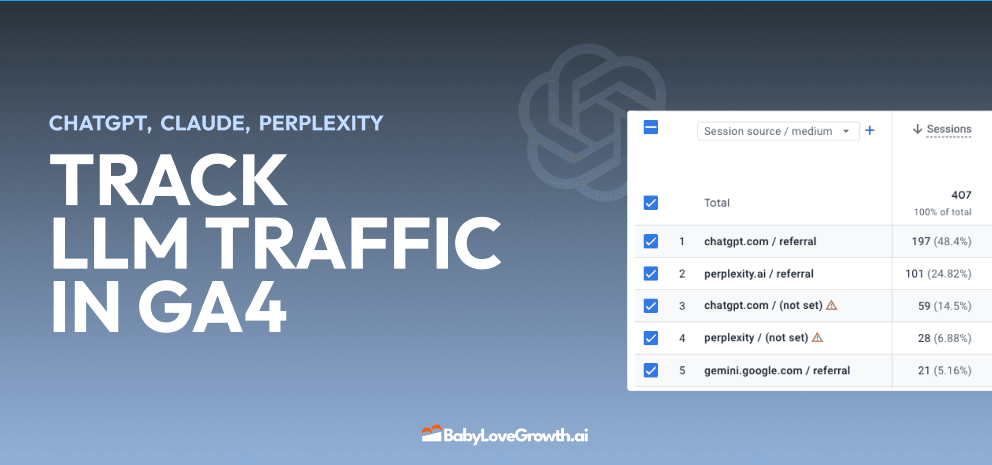
Track LLM Traffic in Google Analytics 4 (GA4)
Learn how to track and analyze traffic from AI sources like ChatGPT, Claude, Perplexity, and Google Gemini in Google Analytics 4. This step-by-step guide shows you how to set up custom filters to monitor AI-driven traffic and make data-driven decisions for your content strategy.
DylenMar 18, 2025
How to Humanize AI Text with Instructions
Learn practical techniques to make AI-generated content sound more natural and human. This guide covers active voice, direct addressing, concise writing, and other proven strategies to transform robotic text into engaging content.
DylenApril 7, 2025
Open AI Revenue and Statistics (2024)
Comprehensive analysis of OpenAI financial performance, user engagement, and market position in 2023. Discover key statistics including $20B valuation, $1B projected revenue, and 100M+ monthly active users.
DylenOctober 03, 2025