How to Optimize Content for AI Search Success


Most American businesses are discovering that optimizing for AI-driven search takes far more than basic keyword lists. As algorithms become smarter, the difference between ranking high and being invisible depends on how well you speak the language of AI. With over 90 percent of online experiences starting with a search engine, understanding and implementing these advanced strategies gives you a clear edge in the digital world.
Table of Contents
- Step 1: Research AI-Specific Keywords And Topics
- Step 2: Structure Content For AI Readability And Context
- Step 3: Integrate Automatic Structured Data Markup
- Step 4: Build Internal And External Link Networks
- Step 5: Test And Refine Content For AI Search Performance
Quick Summary
| Key Takeaway | Explanation |
|---|---|
| 1. Use AI Tools for Keyword Research | Leverage AI-powered keyword tools to find semantic terms that match user search intent effectively. |
| 2. Structure Content for Clarity | Implement clear formatting with headings and schema markup to enhance AI readability and understanding. |
| 3. Automate Structured Data Markup | Utilize automated schema tools to streamline adding structured data, improving your content's discoverability. |
| 4. Build a Contextual Link Network | Create meaningful internal and external links to enhance content authority and AI interpretation. |
| 5. Continuously Test and Refine Content | Regularly analyze content performance and adapt based on user engagement and keyword trends for optimal results. |
Step 1: Research AI-Specific Keywords and Topics
Understanding how to identify AI-specific keywords requires a strategic approach that goes beyond traditional search engine optimization. Modern keyword research demands leveraging advanced tools and techniques that capture the nuanced language of AI search platforms. The goal is to uncover search terms that resonate with AI algorithms and user search behaviors.
To begin your research, utilize AI-powered keyword tools that analyze search intent and emerging trends. Generative AI techniques for keyword research have revolutionized how marketers discover meaningful search terms. Start by exploring large language model outputs that reflect current search patterns. Look for keywords that demonstrate semantic relevance, capturing not just exact matches but contextual understanding. This means diving deeper than surface level terms and exploring long tail keywords that showcase complex user queries.
Pay close attention to search intent behind keywords. AI search engines prioritize content that directly answers user questions with precision. Analyze query patterns from platforms like ChatGPT and Claude to understand how users formulate search requests. Utilize tools that provide trend analysis and semantic clustering to group related keywords effectively. Trend-based keyword generation can help you identify emerging search topics before they become mainstream.
Pro tip: When researching AI keywords, think like an AI would. Prioritize clarity, context, and comprehensive coverage of topics rather than keyword density. AI search algorithms reward content that provides genuine value and answers user questions comprehensively.
Here's a comparison of traditional vs. AI-specific keyword research approaches:
| Approach | Traditional Keyword Research | AI-Specific Keyword Research |
|---|---|---|
| Tools Used | Basic keyword planners | AI-powered semantic analysis tools |
| Focus | Exact matches, search volume | Context, search intent, trends |
| Outcome | Static keyword lists | Dynamic, trend-driven terms |
| Optimization Strategy | Keyword density, volume | Semantic relevance, user questions |
Step 2: Structure Content for AI Readability and Context
Building content that AI search engines can easily comprehend requires strategic formatting and semantic clarity. Your goal is to create a structured approach that helps AI algorithms quickly understand and interpret your content's core meaning and relevance.

To enhance AI readability, implement schema markup techniques that provide explicit context about your content. Schema markup acts as a translator between your webpage and search engine robots, helping them understand the purpose and meaning of your content more precisely. This optional code allows you to define specific attributes about your content type, whether it is an article, product, event, or review. By adding structured data, you create clear signposts that guide AI search platforms to comprehend your content's nuanced details.
Focus on creating clear hierarchical content with logical headings, concise paragraphs, and semantic relationships between ideas. Structured data plugins can help improve how search engines interpret webpage content by providing additional context. Break down complex topics into digestible sections with descriptive subheadings that use natural language. Ensure that each paragraph focuses on a single core concept and includes relevant keywords that reflect user search intent.
Pro tip: When structuring content for AI readability, prioritize clarity and context over keyword density. AI algorithms reward content that provides comprehensive, well organized information that directly answers user queries.
Step 3: Integrate Automatic Structured Data Markup
Automatic structured data markup transforms how AI search engines interpret and categorize your content. This step involves implementing intelligent systems that can automatically generate and embed semantic metadata, making your content more discoverable and comprehensible for advanced search algorithms.
Start by exploring automated schema markup solutions that can streamline the process of adding structured data to your webpages. These specialized tools can automatically generate appropriate schema markup based on your content type, reducing manual configuration and ensuring consistent metadata implementation. Look for platforms that support multiple content types including articles, products, events, and reviews. The key is selecting tools that can intelligently map your content attributes to corresponding schema.org vocabularies.
Understand the critical role of structured data in AI search optimization. Advanced AI driven markup techniques enable search engines to extract precise information from your content, improving context recognition and relevance scoring. Configure your markup to include detailed attributes like publication date, author information, content categories, and specific descriptive elements that help AI algorithms understand the nuanced meaning of your content.
Pro tip: When implementing automatic structured data markup, regularly validate your schema using official testing tools to ensure accurate interpretation by search engine crawlers.
Below is a summary of how structured data benefits AI search optimization:
| Structured Data Element | Business Benefit | AI Search Impact |
|---|---|---|
| Schema Markup | Enhanced search engine visibility | Provides clear content context |
| Content Attributes | Rich results in SERPs | Enables detailed content understanding |
| Automated Solutions | Reduces manual errors and saves time | Ensures consistent metadata creation |
| Regular Validation | Maintains compliance with best practices | Improves accurate content indexing |
Step 4: Build Internal and External Link Networks
Creating a robust link network is fundamental to optimizing your content for AI search engines. The goal is to establish a strategic web of interconnected content that demonstrates topical authority and helps AI algorithms understand the comprehensive landscape of your website.
Advanced keyword research techniques reveal that intelligent link building goes beyond simple connectivity. Focus on creating meaningful connections between your internal content by linking related articles, guides, and resources that share semantic relevance. Develop a strategic approach to backlink building that prioritizes quality over quantity. Seek out authoritative websites within your niche that can provide contextual links which enhance your content's credibility and topical depth.
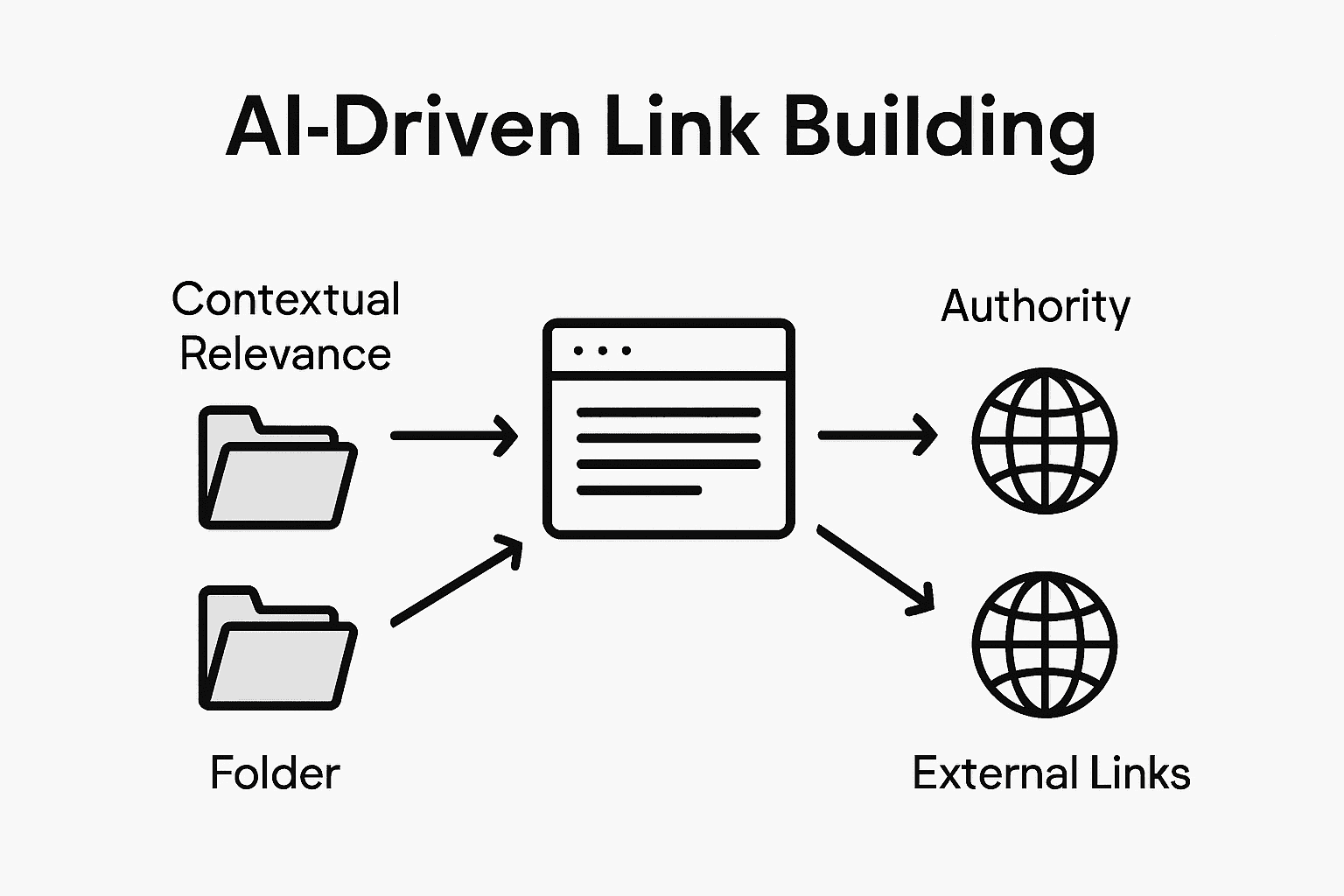
Understand that AI search engines evaluate link networks through sophisticated algorithms that assess content relationships. AI driven keyword mapping demonstrates that internal linking should create a logical content hierarchy. Implement a structured approach where each link serves a clear purpose connecting related concepts, helping both users and AI algorithms navigate your content ecosystem more effectively. Ensure your link network reflects genuine topical expertise by maintaining relevance, context, and value in every connection.
Pro tip: When building link networks, think like an AI would. Prioritize contextual relevance and create links that provide genuine additional value to your readers' understanding.
Step 5: Test and Refine Content for AI Search Performance
Optimizing content for AI search requires a systematic approach to testing and continuous refinement. Your ultimate goal is to develop content that not only ranks well but also provides genuine value to both AI algorithms and human readers.
Generative AI keyword research techniques provide critical insights into performance evaluation. Implement a comprehensive testing strategy that includes analyzing search engine rankings, user engagement metrics, and semantic relevance. Use AI content marketing platforms to track performance indicators such as click through rates, time on page, and contextual matching. Pay close attention to how AI search engines interpret and rank your content by monitoring changes in search visibility and understanding.
Develop a dynamic refinement process that responds to real time keyword trend analysis. Regularly audit your content to identify areas for improvement, focusing on semantic depth, topical comprehensiveness, and alignment with user search intent. Experiment with different content structures, adjust your semantic markup, and continuously optimize based on performance data. Remember that AI search optimization is an iterative process that requires constant learning and adaptation.
Pro tip: Treat content refinement as an ongoing experiment. Set up systematic tracking mechanisms and be prepared to make data driven adjustments quickly and confidently.
Unlock AI Search Success with Babylovegrowth.ai
Optimizing content for AI-driven search engines demands more than just keyword stuffing. The article highlights critical challenges such as mastering AI-specific keyword research, structuring content for AI readability, and implementing automatic structured data markup. These processes can feel overwhelming, especially when you aim to create semantically relevant content that genuinely answers user queries and builds a strong internal and external link network.
Babylovegrowth.ai addresses these pain points head-on by offering a complete AI-powered SEO platform designed to simplify your workflow. From generating trend-driven keywords to automating structured data markup, the platform empowers you to increase organic visibility on platforms like ChatGPT, Claude, and Google. Our tools seamlessly integrate advanced keyword discovery, content planning, backlink building, and technical auditing to deliver scalable results with less effort.
Take control of your AI search optimization journey today with Babylovegrowth.ai.

Ready to turn complex AI SEO strategies into easy, actionable steps Discover how our automated solutions can elevate your content’s semantic relevance and boost rankings across AI and traditional search engines. Start building your AI-focused link network and refine your content with proven data-driven insights Visit Babylovegrowth.ai now and transform your organic growth with AI-powered precision.
Frequently Asked Questions
How can I research AI-specific keywords for my content?
To research AI-specific keywords, use AI-powered keyword tools that analyze search intent and emerging trends. Start by identifying long-tail keywords that reflect complex user queries and demonstrate contextual relevance within 30 days of launching your research.
What strategies can I use to structure content for AI readability?
To structure your content for AI readability, implement schema markup and create clear, hierarchical content. Focus on logical headings and concise paragraphs, ensuring each section communicates a single core idea with relevant keywords that reflect user search intent.
How does automatic structured data markup improve my content's performance?
Automatic structured data markup enhances how AI search engines interpret your content, leading to better visibility and comprehension. Implement automated solutions to consistently generate semantic metadata and check your schema regularly to ensure accuracy.
What is the best practice for building a link network for AI optimization?
For effective link building, create meaningful connections between related internal articles and seek authoritative backlinks from credible websites. Focus on context and relevance, providing genuine value to readers, and aim to increase your topical authority within a few months.
How should I test and refine my content for AI search performance?
To test and refine your content, implement a strategy that evaluates search engine rankings and user engagement metrics. Regularly audit your content for areas to improve, adjusting your strategies based on performance data, and aim to refine your content every 30 to 60 days.
Recommended
Smart SEO,
Faster Growth!
Most Read Articles
Generative Engine Optimization (GEO)
Learn how Generative Engine Optimization (GEO) helps your content rank in AI search engines like ChatGPT and Google AI. This comprehensive guide explains the differences between SEO and GEO, why it matters for your business, and practical steps to implement GEO strategies for better visibility in AI-generated responses.
DylenJan 18, 2025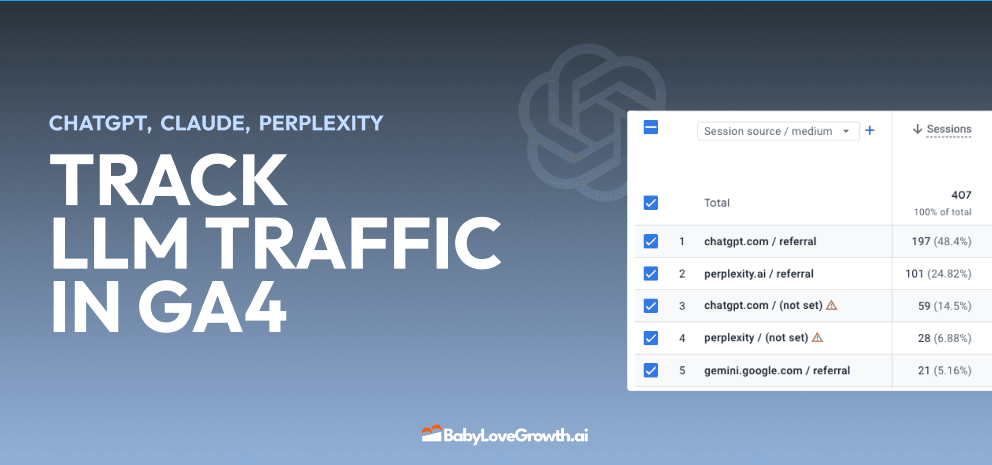
Track LLM Traffic in Google Analytics 4 (GA4)
Learn how to track and analyze traffic from AI sources like ChatGPT, Claude, Perplexity, and Google Gemini in Google Analytics 4. This step-by-step guide shows you how to set up custom filters to monitor AI-driven traffic and make data-driven decisions for your content strategy.
DylenMar 18, 2025
How to Humanize AI Text with Instructions
Learn practical techniques to make AI-generated content sound more natural and human. This guide covers active voice, direct addressing, concise writing, and other proven strategies to transform robotic text into engaging content.
DylenApril 7, 2025
Open AI Revenue and Statistics (2024)
Comprehensive analysis of OpenAI financial performance, user engagement, and market position in 2023. Discover key statistics including $20B valuation, $1B projected revenue, and 100M+ monthly active users.
DylenOctober 03, 2025