How to Foster Customer Loyalty: Step-by-Step for Lasting Results


Over 80 percent of American customers say that a single negative interaction can cause them to take their business elsewhere. In a market where loyalty can be fleeting, understanding every step of the customer experience is more important than ever. By going beyond surface surveys and adopting deeper engagement strategies, you can discover powerful opportunities to strengthen loyalty and drive real business growth.
Table of Contents
- Step 1: Assess Current Customer Experience And Expectations
- Step 2: Implement Personalized Communication Strategies
- Step 3: Deliver Consistent And Exceptional Value
- Step 4: Encourage Feedback And Address Concerns Promptly
- Step 5: Reward Loyalty And Track Retention Progress
Quick Summary
| Key Insight | Explanation |
|---|---|
| 1. Assess Customer Journey Thoroughly | Map the entire customer journey to identify touchpoints and emotional responses for improvement. |
| 2. Implement Personalized Communication | Segment your audience and tailor messages to enhance engagement and customer satisfaction. |
| 3. Deliver Consistent Value | Maintain uniform service quality and proactively address customer needs to build loyalty. |
| 4. Establish Effective Feedback Channels | Use multiple channels for feedback to identify patterns and address concerns quickly. |
| 5. Design Rewarding Loyalty Programs | Create tiered loyalty programs with meaningful benefits to encourage repeat business. |
Step 1: Assess current customer experience and expectations
Understanding your customer experience starts with comprehensive research that goes beyond traditional surveys. By utilizing advanced techniques like EEG and eye tracking to explore customer experiences, you can uncover deeper insights into how customers actually interact with your business.
Begin by mapping out your entire customer journey from initial contact through post purchase support. Create a detailed timeline of every touchpoint where customers engage with your brand including website visits, customer service interactions, product usage, and support requests. Gather quantitative data through metrics like net promoter score, customer satisfaction ratings, and retention rates while simultaneously collecting qualitative feedback through interviews, focus groups, and open ended questionnaires.
Pay special attention to emotional responses and friction points in the customer experience. Look for patterns that indicate where customers feel frustrated, confused, or delighted. This approach allows you to develop a nuanced understanding of expectations that goes beyond surface level feedback. Process assessment frameworks can help you systematically evaluate your current performance and identify improvement opportunities.
Pro tip: Create a visual customer journey map that color codes emotional states at each interaction point to quickly identify where your experience needs the most attention.
Step 2: Implement personalized communication strategies
Personalized communication is more than just adding a customer's first name to an email. Personalized marketing significantly enhances customer engagement, transforming how businesses connect with their audience by leveraging data and technology to create meaningful interactions.
Start by segmenting your audience based on specific characteristics like demographics, purchase history, browsing behavior, and engagement levels. Use customer relationship management (CRM) tools to collect and analyze data that helps you understand individual preferences. Create tailored content and messaging that speaks directly to each segment's unique needs and pain points. For instance, a customer who frequently purchases running gear might receive different communication compared to someone who has only browsed fitness equipment once.

Leverage automation technologies that enable dynamic content customization to respond to buyer needs. Implement triggered emails that activate based on specific customer actions, develop recommendation algorithms that suggest products based on past purchases, and design interactive content that adapts in real time. This approach ensures each customer feels understood and valued, increasing the likelihood of long term loyalty.
Pro tip: Create a communication preference center where customers can self select the types of content and frequency of messages they want to receive, giving them control over their experience.
Step 3: Deliver consistent and exceptional value
Building customer loyalty requires more than sporadic interactions. Relationship marketing plays a crucial role in creating strong customer company bonds, transforming transactional experiences into meaningful connections that keep customers coming back.
Consistency is the cornerstone of exceptional value delivery. Develop a comprehensive standard operating procedure that defines quality benchmarks for every customer interaction. This means training your team to maintain uniform service levels across all touchpoints including phone support, email communication, social media responses, and in person interactions. Document each interaction type with clear protocols that ensure every team member understands exactly how to represent your brand with professionalism and empathy.
Go beyond meeting expectations by anticipating customer needs before they arise. Implement proactive communication strategies that provide value even when customers are not actively purchasing. This could include sending relevant educational content, offering exclusive insights related to their interests, or providing early access to new features or products. Create a feedback loop that continuously monitors customer satisfaction and allows you to quickly address any potential issues before they escalate.
Pro tip: Develop a monthly internal training session that reviews actual customer interactions highlighting both excellent service examples and areas for improvement to keep your team aligned and motivated.
Step 4: Encourage feedback and address concerns promptly
Creating an effective customer feedback system goes beyond simple survey collection. Design principles for customer feedback systems demonstrate the importance of developing a comprehensive approach that captures meaningful insights and drives continuous improvement.
Implement multiple channels for receiving feedback to ensure accessibility and convenience. This includes online surveys, direct email communication, social media platforms, phone support, and in person feedback opportunities. Train your customer service team to actively listen and document concerns with empathy and precision. Develop a standardized tracking system that categorizes feedback into actionable themes such as product quality, service experience, technical issues, or overall satisfaction. This systematic approach allows you to identify recurring patterns and address systemic problems before they escalate.
Here's a comparison of feedback channels and how each supports customer engagement:
| Feedback Channel | Typical Use Case | Response Speed |
|---|---|---|
| Online Surveys | Post-purchase satisfaction | Moderate |
| Social Media | Public praise/complaints | Fast |
| Phone Support | Urgent issues/resolutions | Immediate |
| In-Person | Direct input during service | Immediate |
| Detailed feedback/follow-up | Moderate |
Pro tip: Create an internal recognition program that rewards team members who consistently demonstrate exceptional customer problem resolution and receive positive feedback from customers.
Step 5: Reward loyalty and track retention progress
Personalized loyalty programs dramatically influence consumers' repeat purchase intent, transforming casual customers into committed brand advocates through strategic recognition and meaningful rewards.Design a tiered loyalty program that offers escalating benefits based on customer engagement levels. Create multiple reward categories that provide genuine value across different customer segments. This might include exclusive discounts, early access to new products, personalized gifts, free shipping, or complimentary upgrades. Track customer interactions meticulously to ensure rewards feel authentic and tailored to individual preferences. Implement a points system that allows customers to accumulate and redeem rewards transparently, making the experience both engaging and straightforward.

Precision marketing techniques are critical for understanding and improving customer retention. Develop a comprehensive dashboard that tracks key retention metrics such as customer lifetime value, repeat purchase rate, average purchase frequency, and churn probability. Use advanced analytics to segment customers and identify potential at risk groups before they disengage. Regularly conduct deep dive analysis into why customers stay or leave, using these insights to continuously refine your loyalty strategy and address potential friction points in the customer experience.
Key metrics for tracking loyalty and retention include:
| Metric | What It Measures | Business Value |
|---|---|---|
| Customer Lifetime Value | Total revenue per customer | Identifies high value segments |
| Repeat Purchase Rate | Frequency of repeat business | Assesses loyalty improvements |
| Churn Probability | Likelihood of customer leaving | Enables proactive intervention |
| Average Purchase Frequency | Purchases per period | Reveals engagement trends |
Pro tip: Create an annual customer appreciation event that provides VIP customers with unique experiences and direct interaction with your brand leadership, making them feel genuinely valued beyond transactional rewards.
Unlock Lasting Customer Loyalty with AI-Driven Organic Growth
Building strong customer loyalty requires insights into personalized communication, consistent value delivery, and proactive feedback management. If you are striving to turn your understanding of customer loyalty into tangible growth, addressing these challenges with data-driven solutions can help you stand out from the competition. The article highlights crucial steps like segmenting audiences, delivering tailored rewards, and tracking customer retention—each directly aligns with the need for reliable high-quality visibility and engagement online.
Discover how Babylovegrowth.ai can support your journey by automating SEO and content strategies that attract the right customers organically. Our AI-powered platform offers a 30-day personalized content plan designed to boost your Google and ChatGPT rankings while delivering relevant, high-impact articles that resonate with your audience's needs. Reinforce your brand presence consistently and foster loyalty by leveraging automated backlink exchanges and detailed business analysis tools. Start your free trial today at Babylovegrowth.ai and transform every customer interaction into lasting loyalty and growth.
Frequently Asked Questions
How can I assess my current customer experience effectively?
To assess your current customer experience, map your customer journey from initial contact to post-purchase support. Collect both quantitative metrics like customer satisfaction ratings and qualitative feedback through interviews, ensuring a comprehensive understanding of customer interactions.
What strategies can I use for personalized communication with my customers?
Implement personalized communication by segmenting your audience based on their characteristics and preferences. Tailor your messaging and content to resonate with different segments, using automation tools to deliver relevant information based on customer actions.
How do I ensure consistent value delivery to my customers?
To deliver consistent value, create standard operating procedures that define quality benchmarks for every customer interaction. Train your team to adhere to these protocols, ensuring that customers receive a uniform experience across all touchpoints.
What is the best way to gather customer feedback?
Utilize multiple channels, such as online surveys and direct communication, to gather customer feedback efficiently. Actively listen to concerns and categorize feedback into actionable themes to identify patterns and areas for improvement.
How can I reward customer loyalty effectively?
Design a tiered loyalty program that offers increasing benefits based on customer engagement, such as exclusive discounts or early product access. Track customer interactions to ensure rewards feel personalized, enhancing their connection to your brand.
What key metrics should I track to measure customer retention?
Focus on metrics such as customer lifetime value, repeat purchase rate, and churn probability to measure customer retention effectively. Regularly analyze these metrics to gain insights into customer behavior and inform your retention strategies.
Recommended
- User-Generated Content: Boost Brand Trust and Engagement
- Mastering the Product Marketing Approach: Proven Strategies to Elevate Your Brand
- Content Strategy Platform | Plan Data-Driven Content with AI
- Understanding Content Marketing Basics for Success
- ultimate guide to costumer retention infographic - Point Visible Blog
Smart SEO,
Faster Growth!
Most Read Articles
Generative Engine Optimization (GEO)
Learn how Generative Engine Optimization (GEO) helps your content rank in AI search engines like ChatGPT and Google AI. This comprehensive guide explains the differences between SEO and GEO, why it matters for your business, and practical steps to implement GEO strategies for better visibility in AI-generated responses.
DylenJan 18, 2025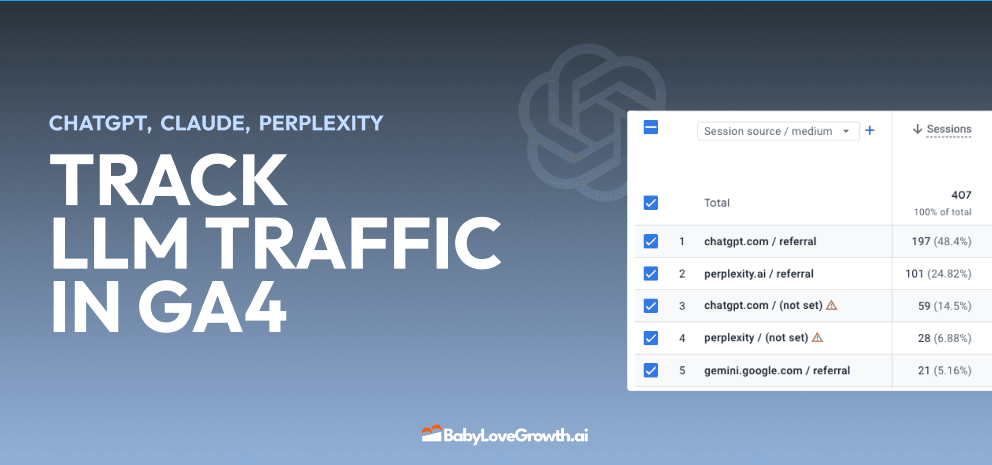
Track LLM Traffic in Google Analytics 4 (GA4)
Learn how to track and analyze traffic from AI sources like ChatGPT, Claude, Perplexity, and Google Gemini in Google Analytics 4. This step-by-step guide shows you how to set up custom filters to monitor AI-driven traffic and make data-driven decisions for your content strategy.
DylenMar 18, 2025
How to Humanize AI Text with Instructions
Learn practical techniques to make AI-generated content sound more natural and human. This guide covers active voice, direct addressing, concise writing, and other proven strategies to transform robotic text into engaging content.
DylenApril 7, 2025
Open AI Revenue and Statistics (2024)
Comprehensive analysis of OpenAI financial performance, user engagement, and market position in 2023. Discover key statistics including $20B valuation, $1B projected revenue, and 100M+ monthly active users.
DylenOctober 03, 2025