How to Create SEO Content for Lasting Online Growth


Most advice about SEO skips over a simple truth: successful American businesses drive results by starting with clear goals and well defined target audiences. It matters because scattered SEO efforts waste time, budget, and energy. By focusing on the strategic steps top American brands rely on, you gain proven tactics for creating content that reaches the people who matter most and achieves measurable growth from the start.
Table of Contents
- Step 1: Define SEO Goals and Target Audience
- Step 2: Conduct Keyword and Topic Research
- Step 3: Plan and Structure SEO-Optimized Content
- Step 4: Write and Optimize Content Using AI Tools
- Step 5: Add Links and Structured Data for Authority
- Step 6: Check, Publish, and Monitor Content Performance
Quick Summary
| Key Insight | Explanation |
|---|---|
| 1. Define Clear SEO Goals | Align your SEO content goals with broader organizational objectives for better results. |
| 2. Develop Audience Personas | Create detailed profiles to understand demographics, needs, and search motivations. |
| 3. Use Effective Keyword Research | Utilize diverse tools to find relevant keywords and understand user intent for better targeting. |
| 4. Structure Content Strategically | Organize content into clusters and ensure alignment with business objectives to enhance SEO. |
| 5. Monitor Content Performance | Establish a system to track key metrics for continuous improvement and adaptation of strategies. |
Step 1: Define SEO Goals and Target Audience
Successfully creating SEO content begins with strategic planning and precise audience understanding. Your primary objective is to map out clear goals and identify who you want to reach with your online content.
Start by conducting a comprehensive analysis of your organization's strategic objectives. An effective SEO strategy requires aligning your content goals with broader organizational strategies. This means examining your business goals, communication targets, and understanding the specific needs of your target audience. Collect critical information including your unit's strategic plan, potential competitors, and a thorough audit of existing website content.
To define your target audience, develop detailed personas that capture demographic characteristics, online behaviors, pain points, and search motivations. Consider factors like age, professional background, geographic location, and the specific problems your content will help them solve. These personas will guide your keyword research, content topics, and overall SEO approach.
The next phase involves translating these audience insights into actionable SEO objectives. Determine specific metrics like organic traffic growth, keyword ranking improvements, conversion rates, and engagement levels. Each goal should be measurable, time-bound, and directly connected to your broader business outcomes.
Pro tip: Create a living document that tracks your SEO goals, audience personas, and performance metrics. Update this document quarterly to ensure your strategy remains adaptive and aligned with changing market dynamics.
Here's how audience personas, keyword research, and content structure work together for SEO success:
| Step Component | Key Function | Strategic Benefit |
|---|---|---|
| Audience Personas | Define demographics, needs, goals | Pinpoint relevant search intent |
| Keyword Research | Identify popular and strategic terms | Attract target reader segments |
| Content Structuring | Organize keywords and topics efficiently | Improve organic site visibility |
Step 2: Conduct Keyword and Topic Research
Keyword and topic research form the foundational backbone of your SEO content strategy. This critical step transforms your audience understanding into actionable content planning that connects directly with what potential readers are searching for online.
Begin by leveraging multiple keyword research tools to uncover search terms relevant to your target audience. Explore keyword research platforms that provide comprehensive data on search volume, competition levels, and user intent. Focus on long-tail keywords that demonstrate specific user needs and have manageable competition. These more precise keyword phrases often reveal deeper insights into your audience's challenges and questions.

Analyze your keyword research through multiple lenses. Group keywords by user intent categories such as informational, navigational, and transactional. This strategic categorization helps you create content that precisely matches what searchers are seeking. Look for keyword clusters that reveal content gaps in your current strategy and opportunities to develop highly targeted articles, guides, and resources.
Transform your keyword insights into a structured content calendar. Prioritize topics that align closely with your business objectives and audience needs. Select keywords with a balanced mix of search volume, relevance, and potential for ranking. Create a spreadsheet that maps keywords to potential content formats like blog posts, tutorials, comprehensive guides, and product comparisons.
Pro tip: Develop a keyword tracking system that monitors your chosen terms performance over time. Regularly update your keyword strategy based on shifting search trends and your content's actual performance metrics.
Step 3: Plan and Structure SEO-Optimized Content
Planning and structuring SEO-optimized content requires a strategic approach that transforms your keyword research into a comprehensive content blueprint. Your goal is to create a systematic framework that guides content creation while maximizing search engine visibility.
Organize your keywords into strategic topics and clusters that provide comprehensive coverage of your target subject areas. Identify primary keywords for each main topic and supporting keywords for individual content pieces. This approach ensures you develop a nuanced content strategy that addresses multiple user search intents and provides depth across your chosen subject matter.Develop content objectives that align with your broader business goals. Create SMART objectives that are Specific, Measurable, Attainable, Realistic, and Time-bound. These might include increasing product sales, expanding brand awareness, or driving website traffic. Each content piece should connect directly to these overarching goals, ensuring that your SEO efforts contribute meaningfully to your business outcomes.
Structure your content with a clear hierarchical approach. Begin with pillar content that covers broad topics comprehensively, then develop cluster content that dives deeper into specific subtopics. Use internal linking to create a robust content ecosystem that helps both users and search engines navigate your website efficiently. Ensure each piece of content has a clear purpose, target keyword focus, and potential to address specific user queries.
Pro tip: Create a content matrix that maps keywords, content types, user intent, and business objectives. Update this matrix quarterly to maintain alignment with evolving search trends and business strategies.
Step 4: Write and Optimize Content Using AI Tools
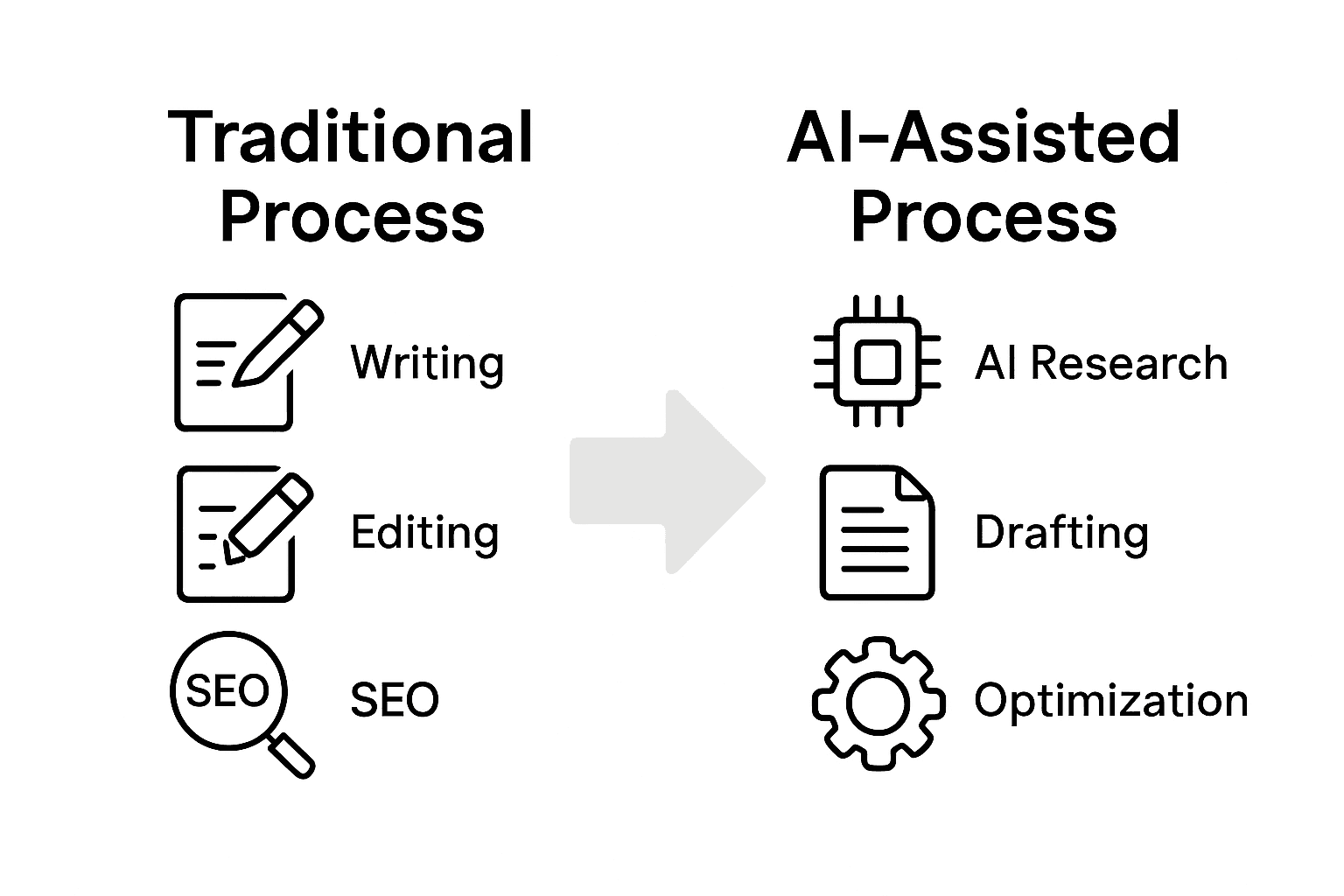
Leveraging AI tools can transform your content creation process, enabling more efficient and data driven writing strategies that enhance both quality and search engine performance. Your objective is to integrate artificial intelligence seamlessly into your content workflow while maintaining authenticity and strategic precision.
Advanced natural language processing techniques can help you analyze and optimize your content by capturing semantic nuances and identifying potential improvements in your writing. Utilize AI writing assistants to generate initial drafts, provide structural recommendations, and suggest strategic keyword integrations that align with your SEO objectives. These tools can help you refine language, improve readability, and ensure your content addresses multiple user search intents with greater accuracy. Specialized research and keyword analysis tools enable you to automate complex content optimization processes. Look for AI platforms that offer comprehensive text processing capabilities, including keyword extraction, trend identification, and semantic mapping. These technologies can help you uncover emerging topics, understand user search patterns, and develop content that speaks directly to your audience's evolving needs. Explore advanced AI content tools that offer integrated workflows for research, writing, and optimization. Implement a balanced approach that uses AI as an enhancement tool rather than a complete replacement for human creativity and strategic thinking. Always review and personalize AI generated content to ensure it reflects your brand voice and meets your specific quality standards.Pro tip: Develop a hybrid workflow that combines AI tool insights with human editorial expertise, creating a synergistic approach to content creation that maximizes both technological efficiency and creative quality.
Step 5: Add Links and Structured Data for Authority
Building content authority requires strategic link placement and advanced structured data implementation. Your goal is to create a robust network of connections that signals expertise and credibility to search engines and readers alike.
Keyword clustering strategies enable you to segment and organize your internal and external links systematically. Professional SEO approaches involve grouping related search terms across your website pages to enhance topical relevance and improve search engine rankings. Develop a comprehensive linking strategy that connects your content through meaningful, contextually relevant hyperlinks that provide genuine value to readers. Index terms and descriptive keywords play a critical role in establishing content authority. Carefully select anchor text that precisely describes the linked content, ensuring each hyperlink provides clear context and enhances the reader's understanding. Implement a balanced approach to internal and external linking that demonstrates comprehensive knowledge within your subject domain. Implement structured data markup to provide search engines with explicit information about your content's context and meaning. Use schema.org vocabularies to add rich metadata that helps search algorithms understand the relationships between different pieces of content. This approach transforms your website into a more intelligible and authoritative resource for both users and search platforms.Pro tip: Create a link audit spreadsheet that tracks the performance of your internal and external links, monitoring their relevance, click through rates, and SEO impact to continuously refine your linking strategy.
Compare the role of internal links, external links, and structured data in SEO authority:
| Element | Primary Purpose | Benefit to SEO |
|---|---|---|
| Internal Links | Connect related pages on site | Boost site navigation, keep users engaged |
| External Links | Reference trusted external sites | Increase credibility and trust |
| Structured Data | Add machine-readable metadata | Enhance search results with rich info |
Step 6: Check, Publish, and Monitor Content Performance
Successfully launching your SEO content requires a strategic approach to validation, distribution, and ongoing performance tracking. This final stage transforms your carefully crafted content into a dynamic asset that continuously drives organic growth.
Keyword extraction and analysis techniques provide critical insights into your content's potential performance. Utilize automated tools to evaluate the relevance and effectiveness of your selected keywords, comparing them against expert generated benchmarks. This approach helps you validate the semantic strength of your content before publication, ensuring maximum search visibility and audience engagement. Comprehensive keyword visualization strategies enable you to track content performance across multiple dimensions. Develop a robust monitoring system that tracks key performance indicators such as organic traffic, search rankings, click through rates, and user engagement metrics. Leverage automated publishing platforms to streamline your content distribution and implement real time performance tracking across multiple channels.Establish a continuous improvement workflow that includes regular content audits, performance reviews, and strategic refinements. Create a systematic approach to analyzing content metrics, identifying underperforming pieces, and developing targeted optimization strategies. This iterative process ensures your SEO content remains adaptive and aligned with evolving search algorithms and audience preferences.
Pro tip: Create a quarterly content performance dashboard that aggregates key metrics, allowing you to quickly identify trends, successes, and areas requiring strategic intervention.
Unlock Lasting Online Growth with AI-Powered SEO Solutions
Creating SEO content that truly drives organic traffic and long-term growth requires strategic planning, targeted keyword research, and expert content optimization—all challenges highlighted in the article. If you find yourself struggling to define clear SEO goals, organize content effectively with keyword clusters, or implement structured data that boosts authority, you are not alone. These critical steps can feel overwhelming without the right guidance and tools
Babylovegrowth.ai offers a powerful, all-in-one SaaS platform designed to ease these burdens by automating key tasks like keyword discovery, content planning, and structured data markup. With AI-driven insights that refine your content strategy and sophisticated link-building features, you can connect meaningfully with your audience and enhance your website’s authority across search engines such as Google and ChatGPT. Experience the confidence that comes from knowing your SEO content is built on proven frameworks discussed in Step 5: Add Links and Structured Data for Authority, while also leveraging daily SEO articles and 30-day content plans to keep your strategy both fresh and effective.

Ready to transform your SEO content creation and secure lasting online growth? Visit Babylovegrowth.ai today and start tapping into AI-powered solutions tailored for your brand’s success. Take control of your content strategy, maximize your visibility, and see measurable results sooner than you expect.
Frequently Asked Questions
What are the key steps to define SEO goals for my content?
To define effective SEO goals, start by analyzing your organization's strategic objectives and aligning them with your content goals. Create measurable targets, such as increasing organic traffic by 25% within six months, to track your progress.
How can I identify my target audience for SEO content?
You can identify your target audience by creating detailed personas that capture their demographics, online behaviors, and pain points. Research where your audience spends time online and the specific challenges they seek solutions for, allowing you to tailor your content to meet their needs.
What tools can I use for keyword and topic research in SEO?
Utilize various keyword research tools to uncover relevant search terms, focusing on long-tail keywords with specific user intent. Prioritize your findings in a content calendar to ensure you address topics that resonate with your audience and align with your business objectives.
How should I structure my SEO-optimized content for better performance?
Structure your SEO content by organizing keywords into topics and clusters, starting with broad pillar content that covers key subjects. Use internal linking to connect related articles and improve navigation, ensuring each piece targets specific user queries to enhance engagement.
What role does AI play in creating SEO content?
AI can streamline content creation by providing insights for keyword optimization and generating initial drafts. Use AI tools to enhance your writing process, ensuring you maintain quality by reviewing and personalizing the content to reflect your brand voice.
How can I measure the effectiveness of my SEO content after publishing?
Measure the effectiveness of your SEO content by monitoring key metrics like organic traffic, search rankings, and user engagement rates. Set up a system to review these metrics regularly, aiming for improvements in click-through rates by 15% within the first two months post-publication.
Recommended
Smart SEO,
Faster Growth!
Most Read Articles
Generative Engine Optimization (GEO)
Learn how Generative Engine Optimization (GEO) helps your content rank in AI search engines like ChatGPT and Google AI. This comprehensive guide explains the differences between SEO and GEO, why it matters for your business, and practical steps to implement GEO strategies for better visibility in AI-generated responses.
DylenJan 18, 2025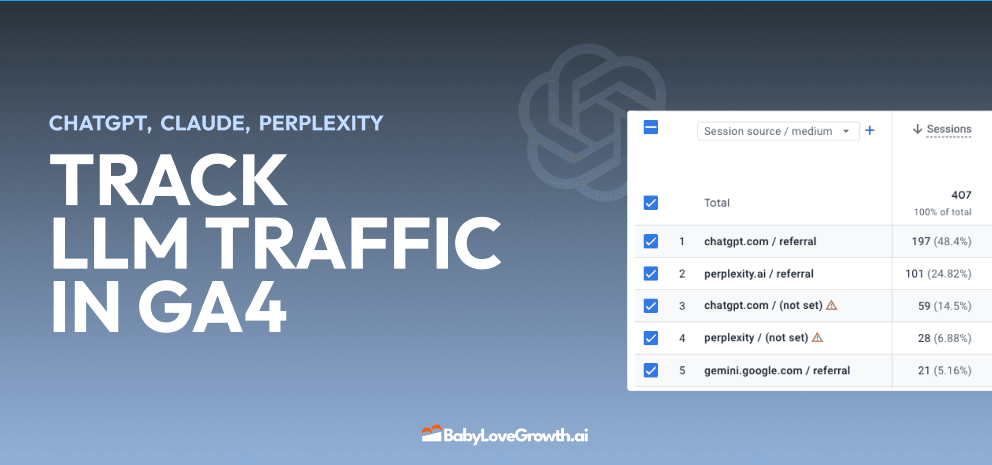
Track LLM Traffic in Google Analytics 4 (GA4)
Learn how to track and analyze traffic from AI sources like ChatGPT, Claude, Perplexity, and Google Gemini in Google Analytics 4. This step-by-step guide shows you how to set up custom filters to monitor AI-driven traffic and make data-driven decisions for your content strategy.
DylenMar 18, 2025
How to Humanize AI Text with Instructions
Learn practical techniques to make AI-generated content sound more natural and human. This guide covers active voice, direct addressing, concise writing, and other proven strategies to transform robotic text into engaging content.
DylenApril 7, 2025
Open AI Revenue and Statistics (2024)
Comprehensive analysis of OpenAI financial performance, user engagement, and market position in 2023. Discover key statistics including $20B valuation, $1B projected revenue, and 100M+ monthly active users.
DylenOctober 03, 2025