How to build trust online: proven strategies for business success


TL;DR:
- Building online trust requires deliberate authority, transparency, security, and social proof strategies.
- Consistent, authentic content and responsive communication foster deeper customer loyalty.
- Monitoring satisfaction and adapting trust tactics regularly are vital for sustained credibility.
A potential customer lands on your website, reads your homepage, and leaves without converting. Not because your product is bad, but because something felt off. No clear contact info, vague policies, generic stock photos. That gut-level skepticism costs businesses billions every year, and most owners never identify the real cause. Building trust online is not optional anymore. It is the single most important lever for turning visitors into buyers and buyers into loyal advocates. This guide walks you through expert-backed strategies to close that credibility gap and build the kind of digital presence that earns confidence at every touchpoint.
Table of Contents
- Understand the trust challenge in the digital world
- Prepare: Gather your credibility essentials
- Execute: Actionable steps to build and maintain trust online
- Verify: Monitor, measure, and adapt your trust strategy
- Rethinking trust: Why satisfaction and not just trust drives action online
- Next steps: Grow your credibility and traffic with automation
- Frequently asked questions
Key Takeaways
| Point | Details |
|---|---|
| Trust is complex online | Digital trust depends on satisfaction and clear, honest communication, not just authority symbols. |
| Preparation drives credibility | Consistent branding, security, and transparent policies lay a strong foundation for earning trust. |
| Storytelling and honesty win | Using empathy and storytelling, plus admitting mistakes, resonates with today’s digital buyers. |
| Verification matters | Regularly monitor key trust metrics and adapt your approach for long-term results. |
Understand the trust challenge in the digital world
Trust online is fundamentally different from trust in person. When someone walks into a physical store, they pick up dozens of subconscious cues: the cleanliness of the space, the friendliness of staff, the feel of the products. Online, you have seconds to communicate all of that through pixels and text. That is a brutal constraint, and most businesses underestimate it.
Here is the twist that surprises many marketers: higher trust doesn't always reduce perceived risk online because satisfaction mediates the relationship between trust, risk, and behavioral intention. In plain terms, a customer can trust your brand and still hesitate to buy if their overall experience feels unsatisfying. Trust is necessary but not sufficient.
Several core elements shape digital credibility:
- Authority: Are you recognized as an expert in your field? Consistent, high-quality content builds brand authority over time.
- Transparency: Do visitors know who you are, where you are located, and how to reach you?
- Security: Does your site use HTTPS? Are payment processes clearly protected? Website security and trust are deeply linked in the user's mind.
- Design quality: A poorly designed site signals low investment and low reliability.
- Social proof: Reviews, testimonials, and case studies reduce uncertainty.
Using storytelling and trust signals together is one of the most effective ways to communicate all of these elements at once.
| Factor | Online trust-building | Offline trust-building |
|---|---|---|
| First impression | Website design, load speed | Physical environment, staff |
| Social proof | Reviews, ratings, testimonials | Word of mouth, referrals |
| Transparency | About page, policies, contact info | Face-to-face interaction |
| Security signals | SSL, badges, privacy policy | Physical receipts, contracts |
| Authority | Content, backlinks, press mentions | Credentials, reputation |
The table above makes it clear: every offline trust cue has a digital equivalent, but the online version requires deliberate, intentional effort. It does not happen by accident.
Prepare: Gather your credibility essentials
Once you grasp why trust is so fragile online, it is time to put foundational credibility measures in place. Think of this as building your trust infrastructure before you drive traffic to your site. Sending visitors to a site that lacks these basics is like inviting guests to a house that is still under construction.
HubSpot's research reinforces this well: Be the Guide not Hero, using empathy combined with authority and expertise in storytelling, is one of the most effective ways to build genuine brand trust. Your brand should position itself as the expert guide helping customers solve their problems, not the hero of its own story.
Here is a practical checklist of credibility essentials every business should have in place:
- Transparent contact information: Full address, phone number, and email address visible on every page
- Professional site design: Clean layout, fast load times, and mobile optimization (the professional design impact on conversions is significant)
- Clear privacy and return policies: Customers need to know what happens to their data and purchases
- Active customer support: Live chat, chatbot, or a clearly stated response time
- Security badges: SSL certificate, payment security logos, and any relevant industry certifications
- Real testimonials: Authentic reviews with names, photos, and specific outcomes
| Trust element | Impact level | Implementation difficulty |
|---|---|---|
| SSL certificate | Very high | Low |
| Real testimonials | Very high | Medium |
| Professional design | High | Medium to high |
| Clear contact info | High | Low |
| Privacy policy | Medium to high | Low |
| Security badges | Medium | Low |
Visual consistency matters more than most people realize. When your logo, color palette, fonts, and tone of voice are consistent across your website, social profiles, and emails, it signals organizational competence. Inconsistency, even subtle inconsistency, triggers doubt.

Pro Tip: Publish at least two to three expert-driven blog posts or guides per month. Consistent, authoritative content is one of the most compounding trust-builders available to any business, and it doubles as an SEO asset.
Execute: Actionable steps to build and maintain trust online
With credibility assets ready, you can now take specific actions that translate your preparation into visible trust. Preparation sets the stage. Execution is where trust actually forms in the minds of your customers.
Forbes communications experts put it plainly for B2B contexts: be honest about your solution, focus on buyer needs, and act as a partner rather than a pitcher. That principle applies equally to B2C. Customers are sophisticated. They can smell a hard sell from miles away, and it erodes trust instantly.
Here is a step-by-step approach to building trust through your day-to-day digital activities:
- Tell authentic stories. Share real customer journeys, behind-the-scenes content, and honest accounts of challenges you have overcome. Authenticity is magnetic.
- Respond to every review, including negative ones. A thoughtful, empathetic response to a bad review often builds more trust than ten five-star ratings. It shows you listen.
- Share expertise without selling. Write content that genuinely helps your audience solve problems. Relationship marketing strategies built around value delivery consistently outperform promotional content.
- Collect and display real testimonials. Ask satisfied customers for specific, outcome-focused feedback. "This tool saved us 10 hours per week" is far more convincing than "Great product!"
- Be transparent about limitations. If your product is not right for a specific use case, say so. Honesty about what you cannot do builds enormous credibility around what you can do.
- Build community touchpoints. Forums, social groups, and live Q&A sessions create belonging. Building community online accelerates trust at scale because peer validation is powerful.
"Brands that act as trusted guides rather than self-promoters consistently see deeper customer loyalty and higher lifetime value."
Pro Tip: Empathy beats persuasion every time. Before publishing any piece of content, ask yourself: does this genuinely help my customer, or does it primarily serve my sales goals? The answer should always be the former. Customers who feel understood come back. They also refer others. Fostering customer loyalty starts with making every interaction feel like it was designed for them.
Verify: Monitor, measure, and adapt your trust strategy
Now that you have started executing these trust-building steps, here is how you ensure your efforts are working and keep improving. Trust is not a one-time project. It is a living system that requires regular maintenance and honest evaluation.
Research highlights a critical nuance: in high-uncertainty environments like cross-border e-commerce, satisfaction is the key mediator even when trust is present. This means your measurement system needs to track satisfaction signals, not just trust proxies like review scores.
Key trust metrics to monitor regularly:
- Net Promoter Score (NPS): Measures how likely customers are to recommend you
- Online review ratings and volume: Track trends across Google, Yelp, Trustpilot, and industry platforms
- Repeat visitor rate: Returning visitors signal growing trust in your brand
- Engagement rate: Time on page, pages per session, and scroll depth reveal content credibility
- Support ticket trends: Rising complaint categories often signal trust-eroding friction
- Churn rate: For subscription businesses, churn is a direct trust indicator
Acting on feedback is where most businesses fall short. Gathering data is easy. Building a process to review it monthly and make real changes is harder. Assign ownership of trust metrics to a specific team member and schedule quarterly reviews. Increasing customer retention is directly tied to how quickly you identify and fix trust gaps.
| Business size | Priority trust strategy | Key metric to track |
|---|---|---|
| Solo or startup | Testimonials, clear contact info | Review volume and rating |
| Small business | Content authority, design quality | Repeat visitor rate, NPS |
| Mid-market | Community building, feedback loops | Churn rate, engagement rate |
| Enterprise | Transparency programs, partner trust | NPS, cross-channel consistency |
Pro Tip: Every quarter, walk through your own website as a first-time visitor. Note every moment of friction or confusion. These are your trust leaks. Fix them before they cost you customers.
Rethinking trust: Why satisfaction and not just trust drives action online
Most marketing advice treats trust as the finish line. Build enough trust, the logic goes, and customers will convert. But the research tells a more complicated story, and it is worth sitting with.
Trust alone does not drive online conversions. Satisfaction is often the missing piece. A customer can trust your brand completely and still abandon a purchase if the checkout process is clunky, the shipping estimate feels uncertain, or the product page leaves questions unanswered. Trust opens the door. Satisfaction is what gets them through it.
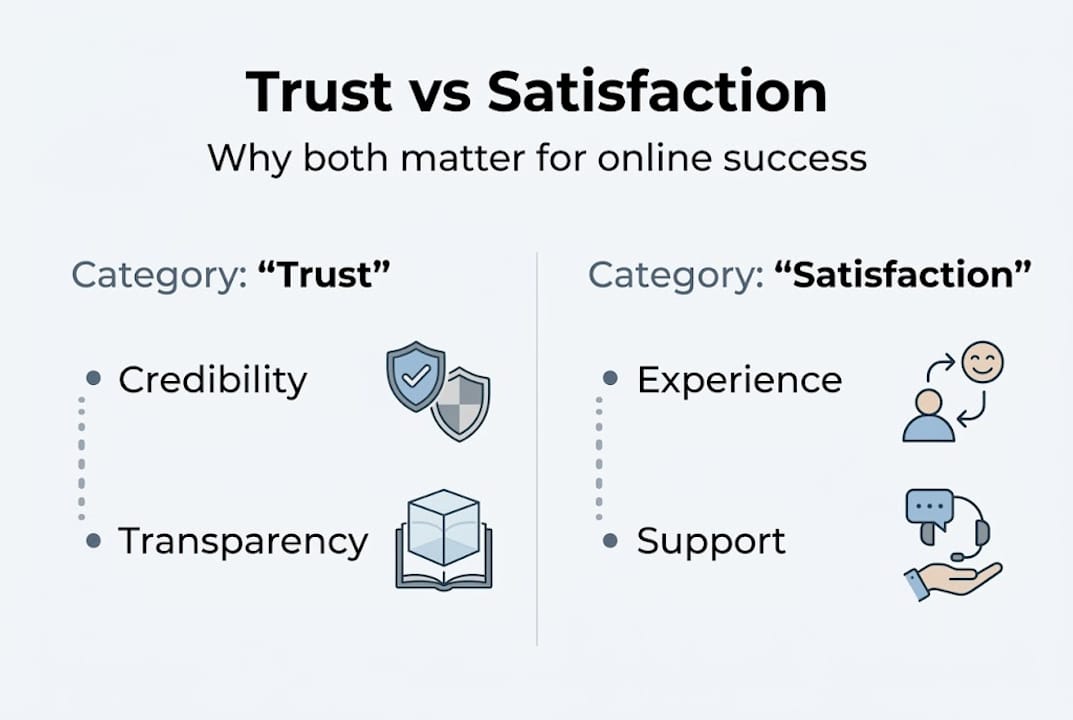
We have seen this play out repeatedly. Businesses invest heavily in review generation and security badges, then wonder why conversion rates stay flat. The issue is almost always a satisfaction gap hiding behind a trust facade. A slow site, an unclear return policy, or a confusing product description can neutralize even the strongest trust signals.
The practical takeaway: map your customer journey and identify every satisfaction touchpoint alongside your trust tactics. Where does confusion creep in? Where does the experience feel generic or effortful? Those are the moments that determine whether trust actually converts into action. Fixing them is often faster and cheaper than building more trust from scratch.
Next steps: Grow your credibility and traffic with automation
Building trust manually is time-consuming. The good news is that technology can make many of these credibility improvements systematic and scalable.

Babylovegrowth.ai gives business owners and marketers the tools to automate trust-building content at scale. With AI-driven article creation optimized for Google and ChatGPT, a 30-day personalized content plan, and a backlinks exchange ecosystem, you can consistently publish authoritative content without burning hours every week. Explore SEO automation tools that handle the heavy lifting, and use the platform's organic traffic tool to measure and improve your credibility signals over time. Your trust strategy deserves the same automation advantage you apply to every other part of your business.
Frequently asked questions
What is the most important factor in building online trust?
Genuine expertise, transparent communication, and consistent delivery are the most important factors. Brands that act as guides using empathy and authority in their storytelling build the deepest, most durable trust.
How can small businesses quickly improve their online credibility?
Small businesses can improve credibility by showcasing real testimonials, ensuring professional site design, and responding promptly to customer questions. 75% of users judge credibility by design, making visual quality a fast win.
Why doesn't trust always reduce risk perception online?
Because customer satisfaction influences how trust translates into reduced risk and actual purchasing behavior. The trust-risk paradox shows that satisfaction mediates the relationship, especially in uncertain or cross-border scenarios.
Is storytelling effective for building digital trust?
Yes. Authentic storytelling that reflects empathy and expertise builds audience trust and enhances brand engagement. Storytelling and brand credibility are closely linked because stories make abstract claims feel real and relatable.
Recommended
Smart SEO,
Faster Growth!
Most Read Articles
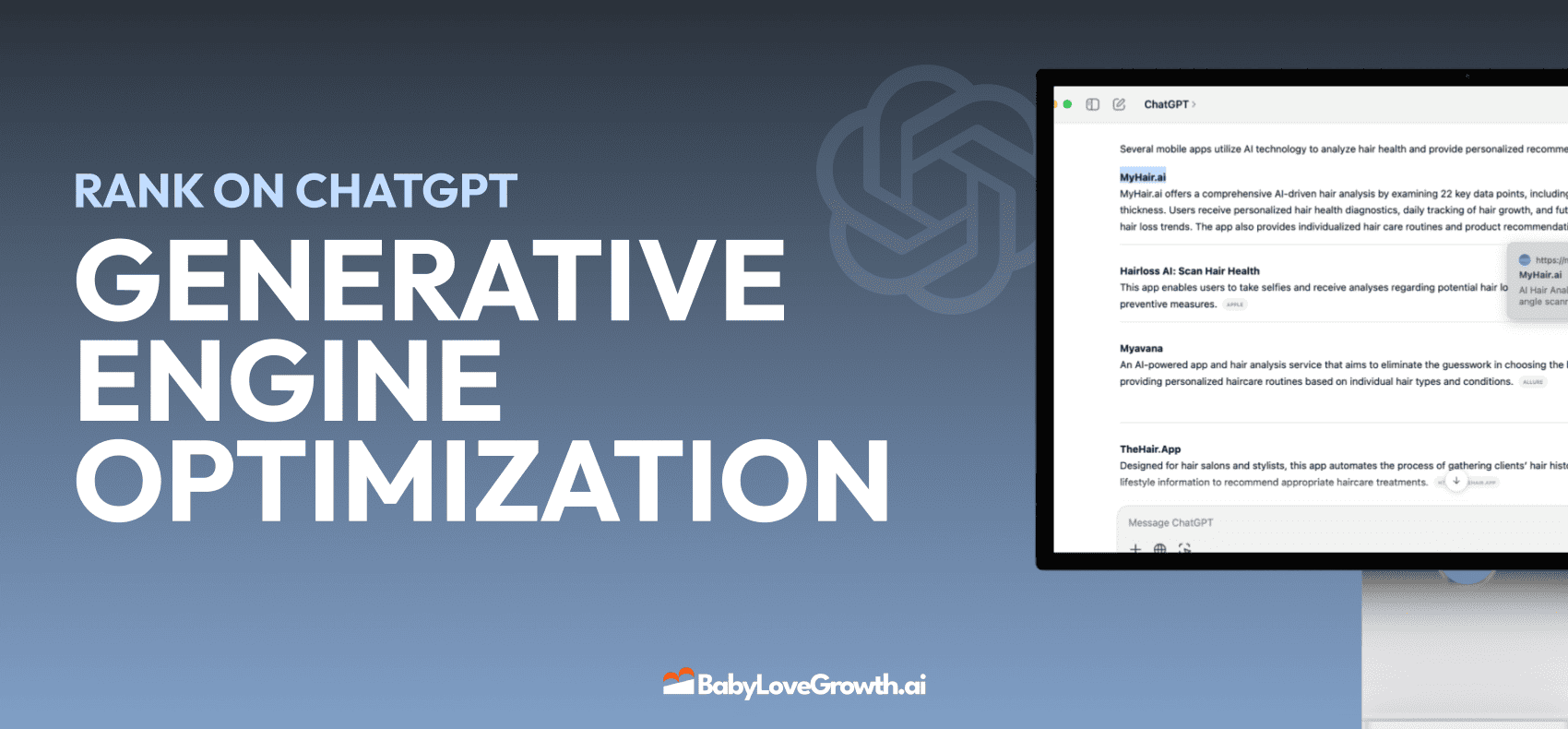
Generative Engine Optimization (GEO)
Learn how Generative Engine Optimization (GEO) helps your content rank in AI search engines like ChatGPT and Google AI. This comprehensive guide explains the differences between SEO and GEO, why it matters for your business, and practical steps to implement GEO strategies for better visibility in AI-generated responses.
DylenJan 18, 2025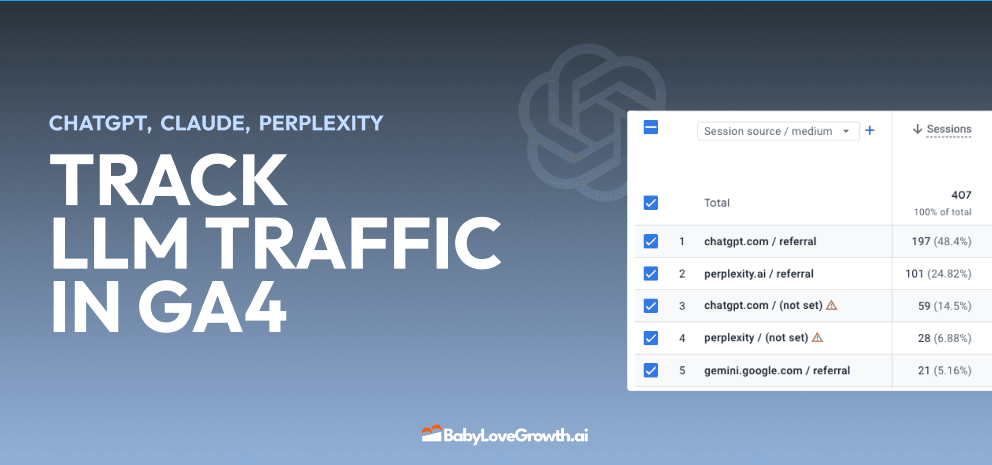
Track LLM Traffic in Google Analytics 4 (GA4)
Learn how to track and analyze traffic from AI sources like ChatGPT, Claude, Perplexity, and Google Gemini in Google Analytics 4. This step-by-step guide shows you how to set up custom filters to monitor AI-driven traffic and make data-driven decisions for your content strategy.
DylenMar 18, 2025
How to Humanize AI Text with Instructions
Learn practical techniques to make AI-generated content sound more natural and human. This guide covers active voice, direct addressing, concise writing, and other proven strategies to transform robotic text into engaging content.
DylenApril 7, 2025
Open AI Revenue and Statistics (2024)
Comprehensive analysis of OpenAI financial performance, user engagement, and market position in 2023. Discover key statistics including $20B valuation, $1B projected revenue, and 100M+ monthly active users.
DylenOctober 03, 2025