Google algorithms explained: Better SEO and traffic in 2026


TL;DR:
- Google operates multiple interconnected ranking systems focused on content quality, relevance, and user trust.
- Success depends on producing genuine, helpful content aligned with search intent and technical standards.
- Building authoritative, evolving content and implementing ongoing audits strengthen rankings despite algorithm changes.
Many business owners treat Google's algorithms like a locked vault with a single secret combination. Crack the code, and rankings pour in. That belief leads to chasing quick fixes, buying backlink schemes, or obsessing over keyword density metrics from 2015. The truth is far more useful: Google runs dozens of interconnected systems that reward real value for real users. Once you understand how these systems work together, you stop reacting to every rumor and start building SEO that compounds over time. This article breaks down the real structure of Google's ranking systems, what changed recently, and the practical steps you can take right now.
Table of Contents
- What are Google algorithms and how do they work?
- Core updates and continuous evolution: How Google keeps search relevant
- Key factors Google algorithms look for: What matters most in 2026
- Practical ways to stay aligned with Google's evolving algorithms
- Why chasing every algorithm hack holds you back: Our perspective
- Boost your SEO strategy with smart tools
- Frequently asked questions
Key Takeaways
| Point | Details |
|---|---|
| Algorithms evolve constantly | Staying current with Google’s evolving systems is crucial for ongoing SEO success. |
| Focus on quality content | User-first, expert-driven content performs best across core updates and ranking systems. |
| Technical and user experience matter | Fast-loading, well-structured sites with great user experience consistently outrank the competition. |
| Be proactive, not reactive | Adopt adaptive SEO tactics and continuous improvement instead of chasing after every algorithm change. |
What are Google algorithms and how do they work?
Most people picture Google's algorithm as a single formula that scores pages and spits out rankings. It isn't. Google operates a collection of ranking systems that each evaluate different aspects of a page and its context. These systems run in parallel, often layered on top of each other, constantly processing queries and signals.
Key ranking systems include Core ranking systems for periodic broad updates, SpamBrain for AI-powered spam detection, the Helpful Content System for people-first content evaluation, Page Experience for Core Web Vitals signals, and the Reviews System for assessing in-depth review quality. Each of these operates somewhat independently but contributes to where your page lands.Here's a quick overview of the major systems:
| Ranking system | Primary focus |
|---|---|
| Core ranking systems | Overall content quality and relevance |
| SpamBrain | Detecting and neutralizing spam signals |
| Helpful Content System | Rewarding people-first, expert content |
| Page Experience | Technical performance and Core Web Vitals |
| Reviews System | Quality of review and evaluation content |
Think of it less like a single judge and more like a panel of specialists. Each specialist grades a different dimension of your site, and the combined scores determine your ranking position.
The "black box" myth persists because Google rarely names every signal it uses. But here's what's worth knowing: the systems are designed around a consistent goal. Deliver the most relevant, helpful, and trustworthy result for each query. When your content genuinely serves that goal, most of the individual signals take care of themselves.
"Understanding which system is evaluating your content shifts your focus from guessing to purposeful improvement."
There are also types of SEO that align more directly with specific systems. Technical SEO, for instance, speaks directly to Page Experience signals. Content SEO influences the Helpful Content and Core systems. Knowing this helps you allocate effort precisely instead of spreading thin across every ranking rumor.
A few key things to understand about how these systems interact:
- Core systems set the broad standard; other systems layer on top.
- SpamBrain evolves constantly, making manipulative tactics riskier over time.
- AI integrations like AI Overviews are built on top of, not instead of, these existing systems.
- Page Experience signals matter for tie-breaking but rarely override poor content quality.
Core updates and continuous evolution: How Google keeps search relevant
Understanding the different systems offers context, but Google's algorithms are always evolving. Let's look at how core updates and ongoing changes affect your site.
Google's core updates are not surgical tweaks to one ranking factor. They are broad recalibrations of how Google weighs signals across the board. A core update rewards helpful, user-satisfying content and doesn't come with a specific list of fixes because no single fix applies universally.
Here's a simplified timeline of how core updates have shaped search:
| Time period | Notable shift |
|---|---|
| 2022 to 2023 | Helpful Content System integrated more deeply |
| 2024 | Spam and site reputation updates targeted scaled content |
| 2025 | AI Overviews expanded; E-E-A-T signals became more prominent |
| 2026 | Continued AI feature rollout; author entity signals gaining weight |
One of the most common mistakes marketers make is treating a core update like a bug to patch. Your rankings dip, you panic, you change title tags and refresh a few meta descriptions, and you wait. That rarely moves the needle. The reason is that core updates reward a pattern of quality across your whole site, not isolated page edits.

Pro Tip: After any core update, audit your lowest-performing pages for helpfulness and expertise gaps before touching anything technical. The content layer usually reveals more than the technical layer during recovery.
Continuous smaller updates also run in the background. Navigating SEO changes as they happen requires a monitoring habit, not a panic response. Set up Google Search Console alerts, follow Google's Search Central blog, and keep a change log for your own site so you can isolate variables when traffic shifts.
Here's a practical framework for responding to core updates:
- Wait at least two weeks before drawing conclusions from traffic data.
- Compare your site's performance against direct competitors, not just the overall market.
- Identify pages that lost ranking and assess them for content depth, expertise signals, and user experience quality.
- Create an improvement plan focused on genuine value, not surface-level edits.
- Publish improvements steadily and monitor recovery over weeks, not days.
AI integrations like AI Overviews don't require a separate SEO strategy. They pull from the same signals that traditional rankings rely on, so your existing focus on quality content stays relevant.
Key factors Google algorithms look for: What matters most in 2026
With Google's evolving updates, it's crucial to know where to invest your SEO efforts. Here's what matters most right now according to Google's guidance and industry observation.
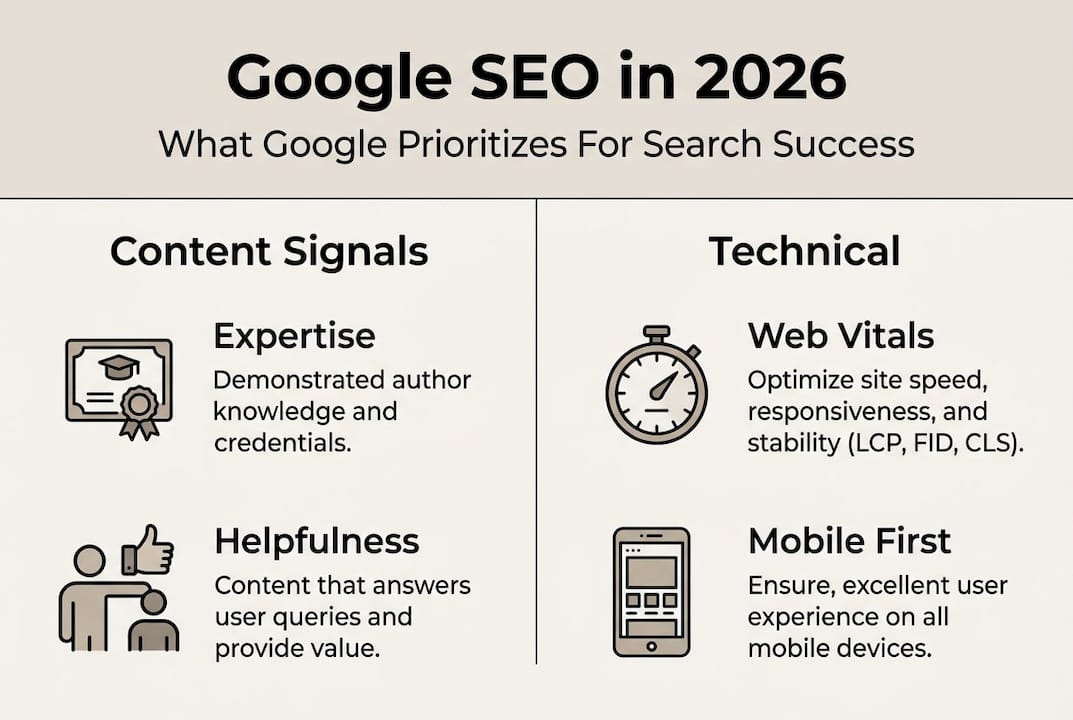
The biggest shift in recent years is the prioritization of people-first content. Google's guidance is clear: prioritize people-first content that demonstrates E-E-A-T, aligns with search intent, ensures technical excellence through Core Web Vitals, and avoids scaled AI content without real expertise behind it.
E-E-A-T stands for Experience, Expertise, Authoritativeness, and Trustworthiness. Here's what each actually means in practice:
- Experience: Has the author or brand directly done the thing they're writing about?
- Expertise: Does the content reflect genuine subject matter knowledge?
- Authoritativeness: Do other credible sources reference or link to you?
- Trustworthiness: Is your site secure, transparent, and free of misleading claims?
For SMBs, E-E-A-T is actually an advantage. You likely have real, hands-on experience in your industry that large generic content farms cannot replicate. Lean into that. Share specific case data, real results, and first-person observations. That texture is what differentiates you from scaled AI content with no expertise layer.
Technical signals still matter, but they function as a baseline. Core Web Vitals scores, mobile responsiveness, and page speed need to meet a minimum threshold. Below that threshold, even great content struggles. Above it, content quality and relevance take over as the dominant factors. You can explore AI-driven SEO strategies to handle technical auditing efficiently without a full agency retainer.
Pro Tip: Don't publish AI content and call it done. Use AI to draft structure and research, then layer in your real expertise, client examples, and specific data. That combination beats both pure human writing at scale and pure AI output for quality signals.
Key focus areas for 2026 SEO success:
- Write content that serves search intent completely, not just partially.
- Add author credentials and bios to demonstrate expertise signals.
- Fix Core Web Vitals issues, especially Largest Contentful Paint and Interaction to Next Paint.
- Build internal links that guide users through related topics naturally.
- Use structured data to help Google understand your content's context. SEO for user experience digs deeper into how UX signals tie directly to ranking improvements.
Practical ways to stay aligned with Google's evolving algorithms
Now that you know which factors count most, let's move from understanding to application. How can you continually align your site and SEO practices with Google's moving target?
The first step is awareness. You can't adapt to changes you don't know about. AI features in Google Search like AI Overviews and AI Mode use query fan-out techniques to build comprehensive responses, but they still ground those responses in web sources. Standard SEO best practices apply, which means your investment in quality content remains directly relevant.
Here's a quarterly SEO alignment checklist:
- Review Search Console: Check for coverage errors, manual actions, and query performance shifts.
- Audit content quality: Flag pages with high impressions but low clicks. Assess them for search intent alignment.
- Run a technical audit: Verify Core Web Vitals, broken links, and mobile usability on key pages.
- Update high-value content: Refresh statistics, examples, and internal links on your top performers.
- Monitor competitors: Track what's ranking for your target queries and identify gaps in your coverage.
Pro Tip: Treat your content library like a product portfolio. Every quarter, retire content that no longer serves users, update content that's losing ground, and invest in new content where demand is growing. Static sites lose ranking. Active sites build it.
Smart tool adoption also matters. Brand visibility with AI SEO explores how AI tools can surface opportunities faster than manual research. And understanding the AI in SEO benefits helps you see where automation supports quality rather than replacing it.
The key is intent. Use AI and tools to work smarter on quality, not to generate volume without value. Volume without quality is exactly what SpamBrain is built to catch.
Why chasing every algorithm hack holds you back: Our perspective
All these layers of Google's approach can feel overwhelming, so here's an honest perspective after years of hands-on SEO in a fast-changing landscape.
Every time a major update lands, two camps emerge. One group audits their content, improves it, and recovers steadily. Another group searches for the "real" cause, buys a course on the secret fix, and implements shallow changes that hold for weeks before fading. We've watched this cycle repeat for years.
Here's the uncomfortable truth: Google emphasizes no single fix for core updates and pushes holistic quality. Algorithms are built to evolve specifically to outpace manipulation. Any tactic that exploits a gap in the system has a shelf life, because the system is designed to close that gap.
Businesses that weather updates consistently share one trait: they invest in genuine content that serves their actual audience better than anyone else in their space. That's not a hack. It's a compounding asset. Every piece of genuinely helpful content you publish builds authority that the next update is unlikely to erode.
Adaptive content SEO is the model we advocate: content that evolves with your audience's needs and with search behavior, rather than content engineered around a snapshot of what seemed to work last quarter. This approach is slower to show dramatic spikes, but it avoids the crashes that follow short-term manipulation tactics.Focus on being the best answer. That's not a platitude. It's the most durable SEO strategy available.
Boost your SEO strategy with smart tools
If you're ready to put these insights to work, leveraging the right solutions can amplify your impact and simplify the process.
Staying aligned with Google's evolving algorithms is genuinely easier when you have infrastructure that adapts with you. Babylovegrowth.ai gives you a 30-day personalized content plan, AI-generated articles built for both Google and ChatGPT ranking, and an automated backlink exchange ecosystem. You get the kind of consistent, expert-aligned output that core updates reward, without needing a full SEO team to execute it.
Whether you want to grow organic traffic with an Organic Traffic Tool or strengthen your authority with Backlink Building Software, Babylovegrowth.ai gives you a scalable, automated path to sustainable search visibility. Start your free trial and see how much ground you can cover in 30 days.
Frequently asked questions
What is the core purpose of Google's search algorithm?
Google's algorithms exist to surface the most helpful and relevant result for every query by evaluating content quality, technical performance, and trustworthiness across multiple ranking systems. It's not about one score; it's about consistently serving users well.
How do Google's core updates affect my website?
Core updates recalibrate how Google weighs quality signals broadly, which means a core update can shift your rankings based on your entire site's helpfulness, not just individual pages. Long-term content improvement matters more than any single post-update tweak.
Is AI-generated content penalized by Google algorithms?
AI content isn't penalized when it's genuinely helpful and backed by real expertise. The issue is thin, scaled AI content without real knowledge behind it, which Google's systems are increasingly effective at identifying and ranking down.
How often does Google update its algorithms?
Google continuously refines its systems, with several visible core updates per year alongside constant smaller changes. AI features in Search like AI Mode add new layers but still rely on traditional ranking signals underneath.
Recommended
Smart SEO,
Faster Growth!
Most Read Articles
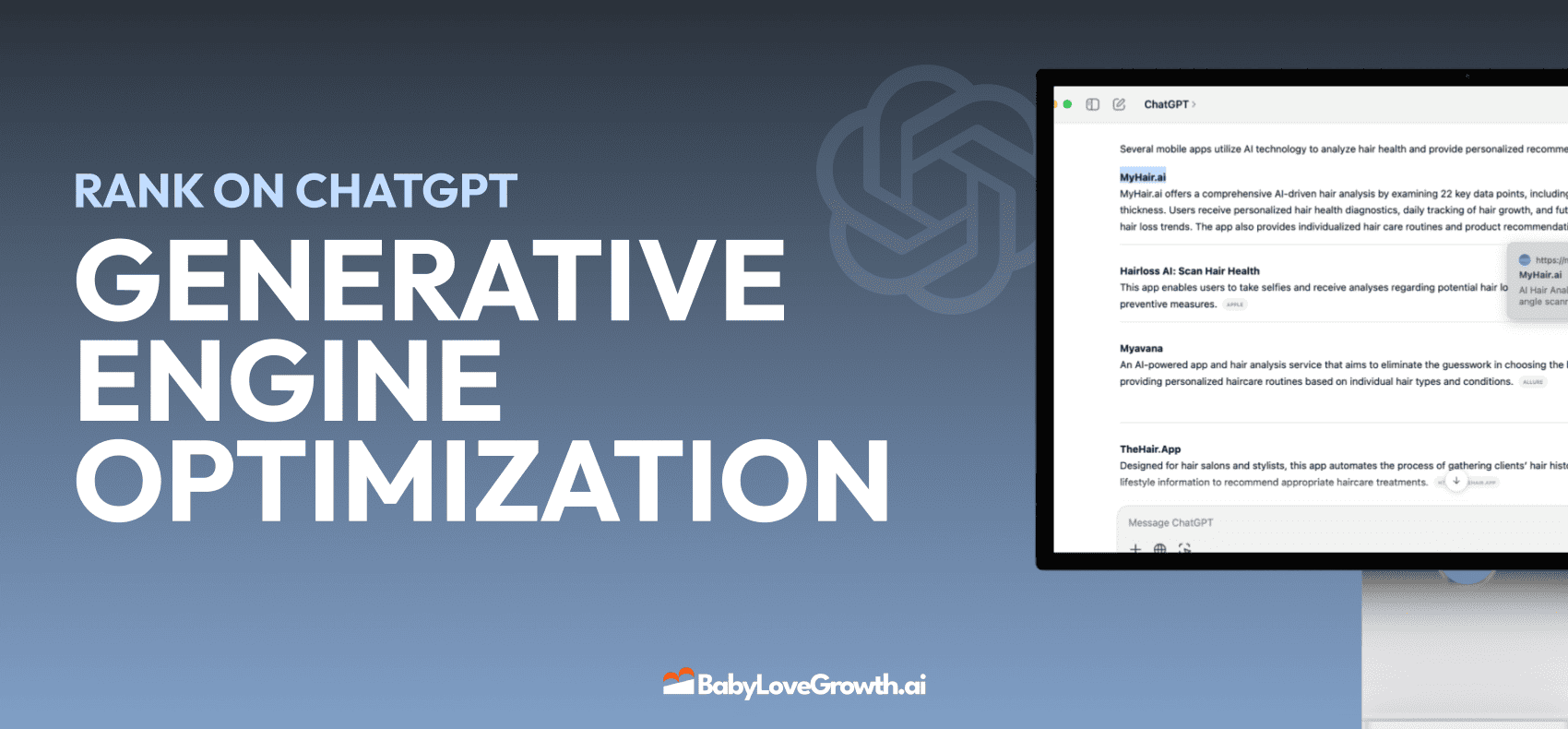
Generative Engine Optimization (GEO)
Learn how Generative Engine Optimization (GEO) helps your content rank in AI search engines like ChatGPT and Google AI. This comprehensive guide explains the differences between SEO and GEO, why it matters for your business, and practical steps to implement GEO strategies for better visibility in AI-generated responses.
DylenJan 18, 2025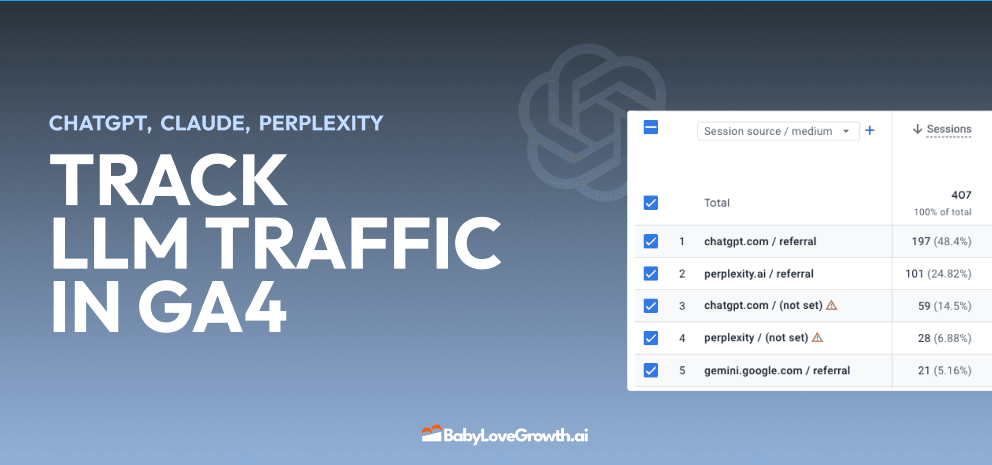
Track LLM Traffic in Google Analytics 4 (GA4)
Learn how to track and analyze traffic from AI sources like ChatGPT, Claude, Perplexity, and Google Gemini in Google Analytics 4. This step-by-step guide shows you how to set up custom filters to monitor AI-driven traffic and make data-driven decisions for your content strategy.
DylenMar 18, 2025
How to Humanize AI Text with Instructions
Learn practical techniques to make AI-generated content sound more natural and human. This guide covers active voice, direct addressing, concise writing, and other proven strategies to transform robotic text into engaging content.
DylenApril 7, 2025
Open AI Revenue and Statistics (2024)
Comprehensive analysis of OpenAI financial performance, user engagement, and market position in 2023. Discover key statistics including $20B valuation, $1B projected revenue, and 100M+ monthly active users.
DylenOctober 03, 2025