Digital Marketing Basics: Everything You Need to Know


Most american businesses now invest over half their marketing budgets in digital channels, reflecting a major shift from traditional advertising. With online tools evolving rapidly, understanding the basics of digital marketing has never mattered more. Unpacking the core concepts behind digital marketing helps anyone—whether a business owner or marketer—adopt the right strategies and avoid common mistakes as the digital world grows ever more competitive.
Table of Contents
- Defining Digital Marketing and Its Core Concepts
- Major Digital Marketing Channels Explained
- How Digital Marketing Strategies Work
- Essential Tools and Performance Metrics
- Risks, Compliance, and Common Mistakes
Key Takeaways
| Point | Details |
|---|---|
| Digital Marketing Definition | Digital marketing is the strategic promotion of brands and services through electronic channels like the internet and mobile devices. |
| Core Strategies | Key strategies include SEO, content marketing, social media marketing, email marketing, and PPC advertising to effectively connect with target audiences. |
| Importance of Metrics | Utilizing tools like analytics platforms and CRM systems to track performance metrics is essential for optimizing digital marketing efforts. |
| Risk Management | Businesses need to address data privacy and compliance concerns to avoid legal issues and protect their brand reputation. |
Defining Digital Marketing and Its Core Concepts
Digital marketing represents the strategic promotion of brands, products, and services through electronic channels and internet-connected platforms. According to Wikipedia, digital marketing involves utilizing digital technologies like the internet, mobile devices, and various digital media to reach and engage target audiences effectively.
At its core, digital marketing encompasses a wide range of online strategies designed to connect businesses with potential customers. These strategies include search engine optimization (SEO), search engine marketing (SEM), content marketing, social media marketing, email campaigns, and targeted digital advertising. As Online University of Wisconsin-Parkside explains, the primary goal is promoting brands through electronic media channels such as websites, mobile applications, search engines, and social media platforms.
The fundamental components of digital marketing can be broken down into several key areas:
- Search Engine Optimization (SEO): Improving website visibility in organic search results
- Content Marketing: Creating valuable, relevant content to attract and retain audiences
- Social Media Marketing: Leveraging social platforms to build brand awareness and engagement
- Email Marketing: Communicating directly with potential and existing customers
- Pay-Per-Click (PPC) Advertising: Purchasing targeted digital advertisements
Successful digital marketing requires understanding your audience, selecting appropriate digital channels, and creating compelling, targeted content that resonates with potential customers. Digital Marketing Techniques 2025: A Complete Guide offers deeper insights into emerging strategies for businesses looking to expand their digital presence.
Major Digital Marketing Channels Explained
Digital marketing channels represent the diverse online platforms and strategies businesses use to connect with potential customers and promote their brands. According to Indis Academy, key digital marketing channels include SEO, content marketing, social media marketing, pay-per-click (PPC) advertising, and email marketing.
Each digital marketing channel serves a unique purpose in reaching and engaging target audiences. Monash University highlights that these channels encompass websites, social media platforms, email marketing, and paid advertising. Understanding the strengths of each channel allows businesses to create integrated marketing strategies that maximize their online presence and customer engagement.
Here are the primary digital marketing channels businesses can leverage:
- Search Engine Optimization (SEO): Improving organic search visibility
- Content Marketing: Creating valuable content to attract and retain audiences
- Social Media Marketing: Building brand awareness through social platforms
- Email Marketing: Direct communication with potential and existing customers
- Pay-Per-Click (PPC) Advertising: Targeted digital advertising
- Affiliate Marketing: Partnering with external promoters
- Video Marketing: Creating engaging video content
To maximize digital marketing effectiveness, businesses should develop a comprehensive guide on digital marketing techniques that integrates multiple channels strategically. The key is understanding your target audience, selecting the most appropriate channels, and creating compelling, targeted content that resonates with potential customers.

How Digital Marketing Strategies Work
Digital marketing strategies are sophisticated approaches businesses use to connect with potential customers through online platforms and technologies. According to Science Direct, these strategies leverage digital platforms and information communication technology (ICT) tools to engage consumers through objective, relational, and interactive techniques that enhance overall marketing reach and efficiency.
Monash University emphasizes that effective digital marketing strategies involve a comprehensive framework of selecting appropriate channels, developing targeted content plans, and continuously monitoring and optimizing performance. This dynamic process requires businesses to be agile and responsive to changing digital landscapes and consumer behaviors.
The core components of successful digital marketing strategies include:
- Audience Research: Understanding target demographics and behaviors
- Channel Selection: Identifying most effective digital platforms
- Content Development: Creating engaging, relevant content
- Performance Tracking: Measuring key performance indicators (KPIs)
- Continuous Optimization: Refining strategies based on data insights
Businesses looking to develop robust digital marketing approaches can gain deeper insights by exploring our digital marketing KPIs guide, which provides comprehensive strategies for measuring and improving marketing performance in the digital ecosystem.
Essential Tools and Performance Metrics
Digital marketing success depends on leveraging powerful tools and understanding critical performance metrics. According to PRGC, fundamental digital marketing tools include customer relationship management (CRM) systems, analytics platforms, and marketing automation software that are essential for tracking performance and optimizing campaigns.
Journal of Theoretical and Applied Information Technology highlights that key performance metrics in digital marketing encompass critical measurements like website traffic, conversion rates, and engagement levels. These metrics provide actionable insights that help businesses understand their marketing effectiveness and make data-driven strategic decisions.
Essential digital marketing tools and performance metrics include:
- Analytics Platforms: Google Analytics, comprehensive tracking tools
- CRM Systems: Customer data management and interaction tracking
- Performance Metrics:
- Website traffic volume
- Conversion rates
- Click-through rates (CTR)
- Customer acquisition cost
- Return on investment (ROI)
- Marketing Automation: Streamlining repetitive marketing tasks
- Social Media Monitoring: Tracking brand engagement and sentiment
Businesses seeking to enhance their digital marketing measurement capabilities can explore our guide on understanding SEO analytics tools to gain deeper insights into performance tracking and optimization strategies.
Risks, Compliance, and Common Mistakes
Digital marketing presents a complex landscape of potential risks and regulatory challenges that businesses must navigate carefully. Wikipedia highlights significant concerns around data privacy and the critical need for adherence to regulatory frameworks like the General Data Protection Regulation (GDPR) and other data protection laws.
arXiv Research emphasizes the nuanced challenges in digital marketing, particularly in emerging areas like influencer marketing, where ethical considerations and regulatory compliance play increasingly important roles. Understanding these risks is crucial for maintaining brand reputation and avoiding potentially costly legal complications.Common digital marketing risks and mistakes include:
- Data Privacy Violations
- Improper user data collection
- Non-transparent data usage policies
- Insufficient data protection measures
- Regulatory Non-Compliance
- Ignoring GDPR requirements
- Failing to obtain proper consent
- Inadequate international marketing regulations
- Content and Engagement Mistakes
- Inconsistent brand messaging
- Over-aggressive marketing tactics
- Neglecting audience targeting
- Technical Risks
- Poor website security
- Ineffective tracking mechanisms
- Lack of mobile optimization
Businesses seeking to mitigate these risks can find comprehensive guidance in our guide on understanding SEO analytics tools, which provides insights into maintaining compliant and effective digital marketing strategies.
Elevate Your Digital Marketing Strategy with AI-Powered SEO Solutions
Understanding the fundamentals of digital marketing is the first step toward online success. The article highlights crucial challenges like mastering SEO, managing content marketing, and optimizing performance metrics that often overwhelm business owners and marketers. If you want to transform these challenges into opportunities, you need reliable, scalable solutions that simplify SEO while driving organic growth.
Our platform offers exactly that by automating your SEO efforts and crafting AI-generated content optimized for Google and ChatGPT. With a 30-day personalized content plan and a smart backlinks exchange ecosystem, Babylovegrowth.ai helps you build visibility efficiently without the guesswork. Experience the power of rank-high services combined with detailed business analysis to sharpen your strategy and track your progress seamlessly.
Ready to unlock your business's true digital potential and leave common marketing mistakes behind
Discover how to implement data-driven digital marketing techniques now with Babylovegrowth.ai. Start your journey with our free trial and see how AI-driven SEO can automate growth for your business. Learn more about creating effective strategies in our digital marketing techniques guide and sharpen your impact with actionable SEO analytics insights. Take control of your growth today.
Frequently Asked Questions
What is digital marketing?
Digital marketing is the strategic promotion of brands, products, and services through electronic channels and internet-connected platforms, utilizing tools like SEO, content marketing, social media, and more.
What are the main components of a digital marketing strategy?
A successful digital marketing strategy includes audience research, channel selection, content development, performance tracking, and continuous optimization to reach potential customers effectively.
How do SEO and content marketing work together in digital marketing?
SEO focuses on improving organic search visibility, while content marketing involves creating valuable content to attract and engage audiences. Together, they enhance a website's effectiveness and visibility.
What are key performance metrics in digital marketing?
Key performance metrics include website traffic, conversion rates, click-through rates (CTR), customer acquisition cost, and return on investment (ROI), which help businesses assess marketing effectiveness.
Recommended
Smart SEO,
Faster Growth!
Most Read Articles
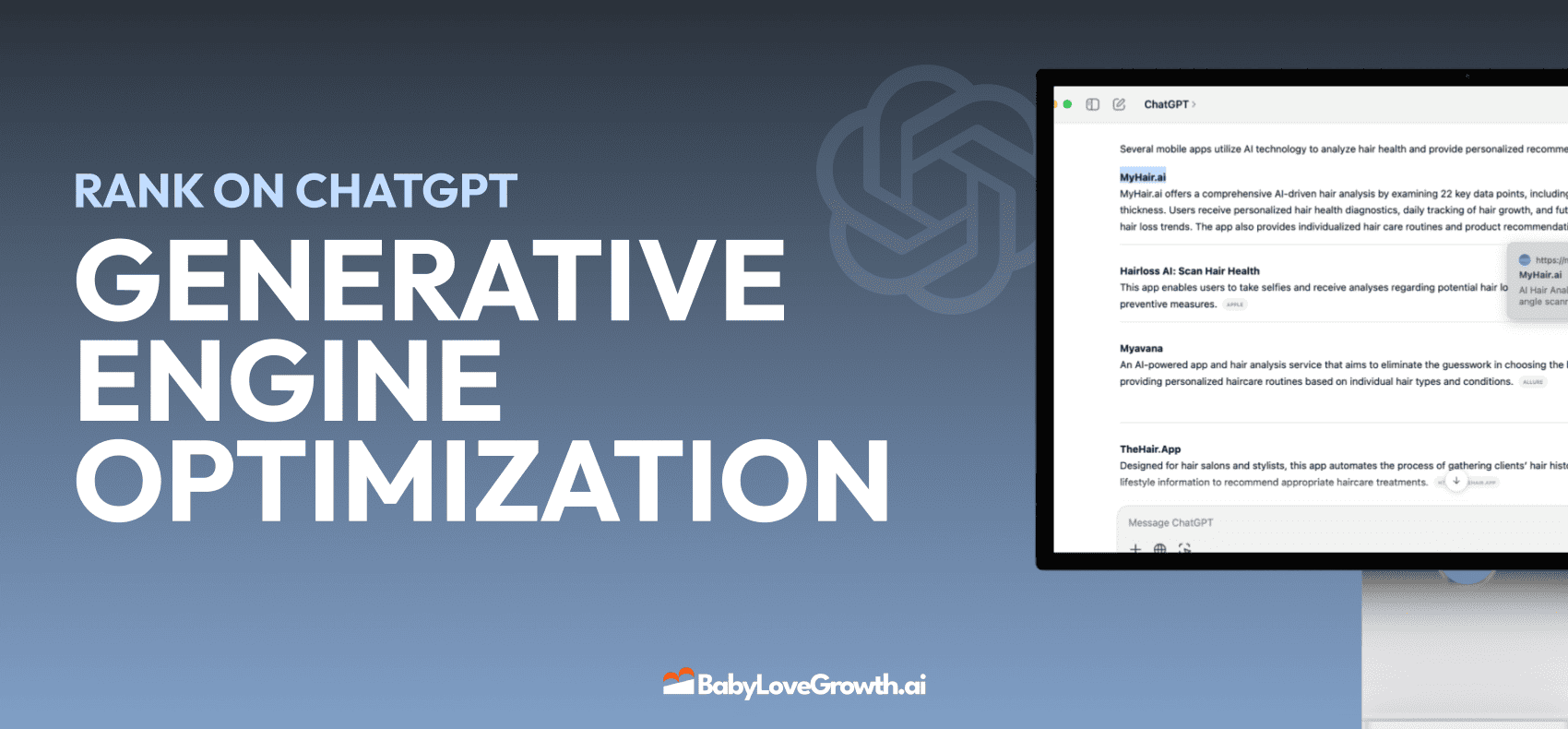
Generative Engine Optimization (GEO)
Learn how Generative Engine Optimization (GEO) helps your content rank in AI search engines like ChatGPT and Google AI. This comprehensive guide explains the differences between SEO and GEO, why it matters for your business, and practical steps to implement GEO strategies for better visibility in AI-generated responses.
DylenJan 18, 2025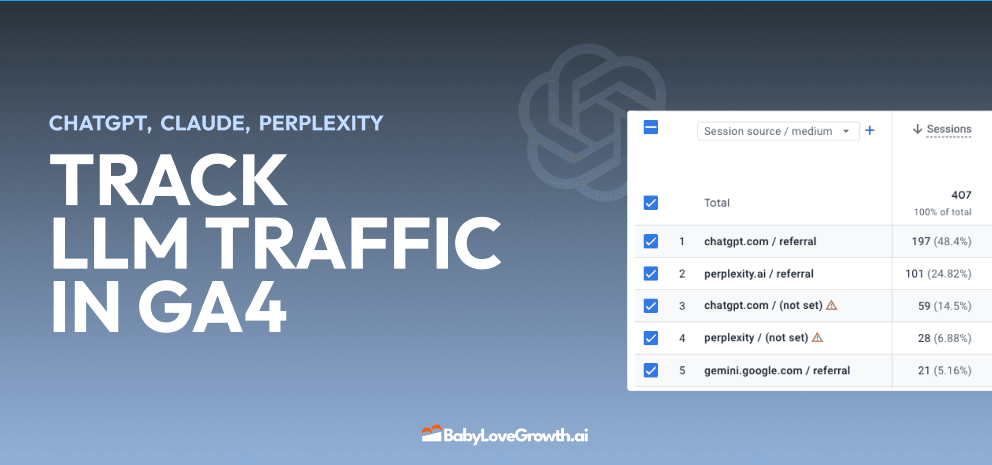
Track LLM Traffic in Google Analytics 4 (GA4)
Learn how to track and analyze traffic from AI sources like ChatGPT, Claude, Perplexity, and Google Gemini in Google Analytics 4. This step-by-step guide shows you how to set up custom filters to monitor AI-driven traffic and make data-driven decisions for your content strategy.
DylenMar 18, 2025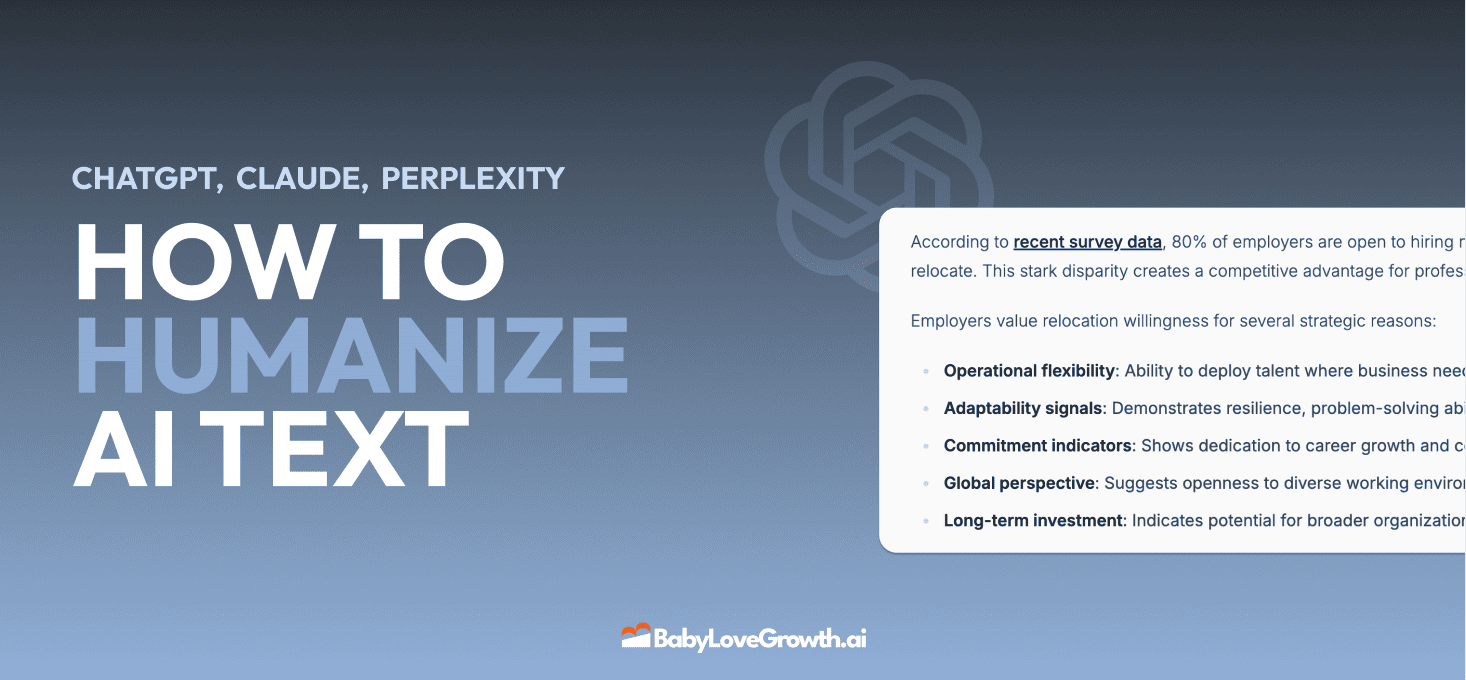
How to Humanize AI Text with Instructions
Learn practical techniques to make AI-generated content sound more natural and human. This guide covers active voice, direct addressing, concise writing, and other proven strategies to transform robotic text into engaging content.
DylenApril 7, 2025
Open AI Revenue and Statistics (2024)
Comprehensive analysis of OpenAI financial performance, user engagement, and market position in 2023. Discover key statistics including $20B valuation, $1B projected revenue, and 100M+ monthly active users.
DylenOctober 03, 2025